

 English

The Engineering Realities of Industrial Fluid Transfer
Centrifugal pumps function as the mechanical heart of chemical processing plants, refineries, and industrial wastewater treatment facilities. When operating within their designated hydraulic parameters, these units provide years of stable, continuous fluid transfer. However, deviations in piping geometry, fluid temperature, or chemical composition introduce severe mechanical stress. Unplanned pump failures halt production lines, induce massive maintenance expenditures, and pose critical environmental and occupational safety hazards. Identifying the root causes of flow degradation and mechanical vibration is a mandatory skill for plant engineers. This comprehensive technical guide analyzes the most frequent centrifugal pump problems and solutions, focusing specifically on cavitation mechanics, thermal overheating, mechanical seal degradation, and abrasive wear in aggressive industrial environments.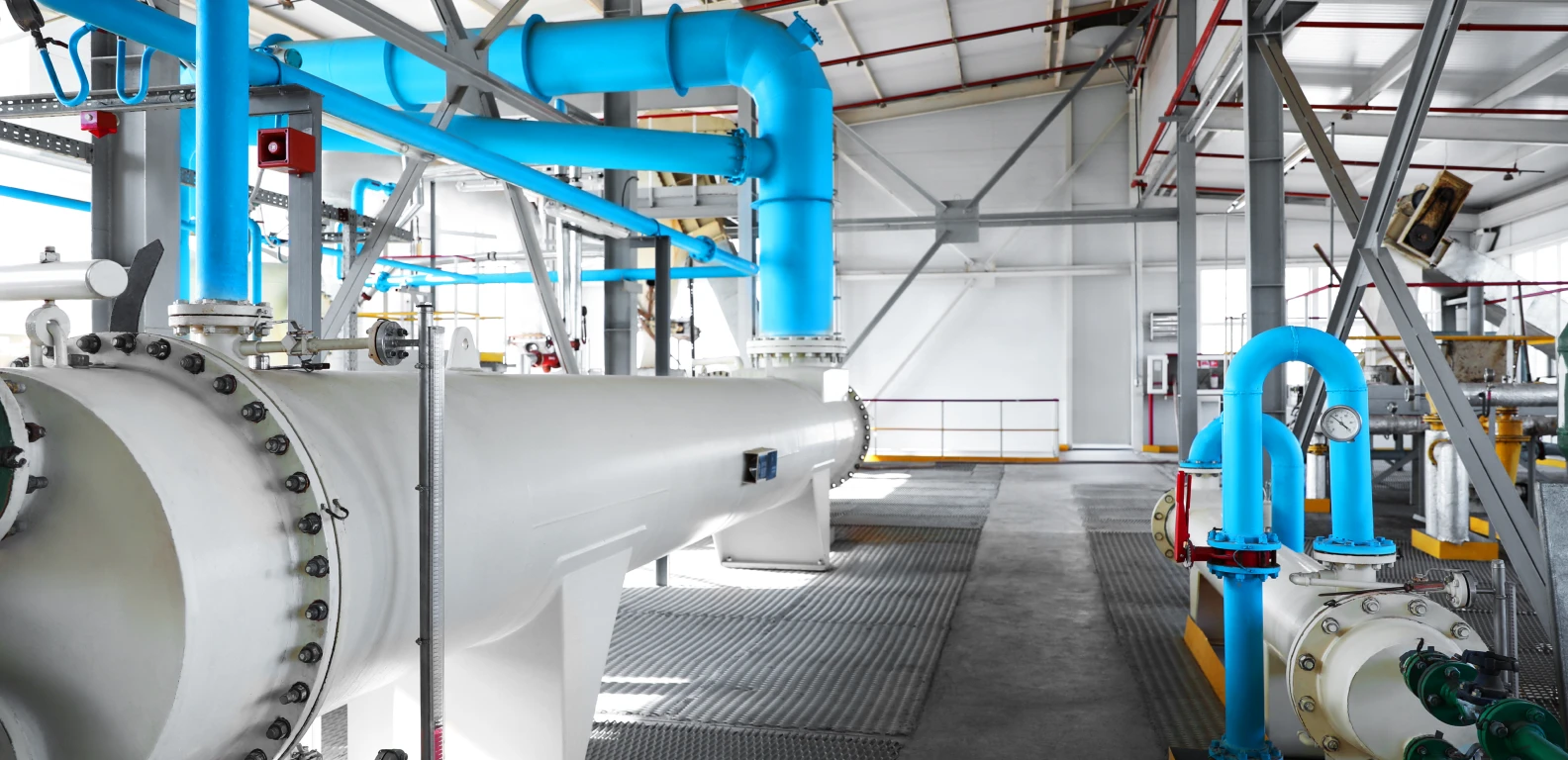
Diagnosing Cavitation and NPSH Deficiencies
Cavitation represents one of the most destructive phenomena in fluid dynamics. It is frequently misdiagnosed as bearing failure due to the distinct acoustic signature it produces. Operators often describe severe cavitation as the sound of "pumping gravel or marbles" through the volute casing.
The Mechanics of Vaporization
Cavitation occurs when the absolute pressure of the fluid at the pump inlet drops below its vapor pressure at the operating temperature. When this threshold is breached, the liquid instantly boils, forming microscopic vapor bubbles. As these vapor bubbles are swept into the impeller's higher-pressure zones, they collapse violently. The implosion of these bubbles generates localized shockwaves with immense force, eroding metallic impeller vanes and tearing away fluoroplastic linings (such as F46 or PTFE). Over a short period, this sustained micro-pitting destroys the hydraulic profile of the impeller, resulting in a drastic loss of discharge head and severe mechanical vibration that destroys shaft bearings.
Engineering Solutions for Cavitation
Resolving cavitation requires strict management of the Net Positive Suction Head (NPSH). The primary engineering objective is to ensure that the Net Positive Suction Head Available (NPSHa) in the pipeline network strictly exceeds the pump's Net Positive Suction Head Required (NPSHr) by a safe margin (typically 1 to 2 meters).
If a pump exhibits cavitation symptoms, plant engineers must immediately correct the suction pipeline geometry. The suction line must be as short and direct as structurally possible. Any horizontal pipe runs must maintain a continuous upward slope toward the pump to prevent the formation of stagnant air pockets. The design should also utilize eccentric reducers (installed with the flat side oriented upwards) rather than concentric reducers at the pump inlet prevents localized vapor entrapment. For extreme cases involving volatile solvents or high-temperature acids drawn from underground sumps, replacing standard end-suction units with dedicated self-priming pumps equipped with integrated gas-liquid separation chambers (such as the FZB or ZMD series) provides a permanent hydraulic solution.
Formulating a Chemical Pump Overheating Solution
Thermal overload acts as a catalyst for catastrophic mechanical failure. Elevated temperatures warp plastic casings, destroy elastomeric O-rings, and vaporize the critical lubricating films across mechanical seal faces. An effective chemical pump overheating solution requires identifying the source of the thermal energy generation.
The Dangers of Dead-Heading and Low Flow
A centrifugal pump imparts kinetic energy into the process fluid. Under normal conditions, this energy is carried away by the discharged liquid. However, if an operator starts the pump against a fully closed discharge valve and fails to open it (a condition known as "dead-heading"), or if system resistance forces the pump to operate far below its Minimum Continuous Stable Flow (MCSF), the fluid becomes trapped inside the volute. The rotating impeller continuously churns this trapped volume, rapidly converting kinetic energy into thermal energy. Within minutes, the localized fluid boils. This extreme heat will melt fluoroplastic linings and cause metallic shafts to expand and seize within their bearings. The structural solution involves installing an automated minimum-flow bypass line that continuously routes a safe percentage of the discharge fluid back to the supply tank, ensuring perpetual heat dissipation regardless of downstream demand.
Managing Eddy Currents in Sealless Pumps
In facilities utilizing magnetic drive pumps to transfer hazardous liquids, a unique thermal challenge exists. Traditional magnetic drive pumps utilize metallic isolation sleeves to separate the inner and outer magnetic rotors. The rotating magnetic field generates electrical eddy currents within this conductive metal sleeve. This generates substantial heat directly inside the pump chamber. When transferring temperature-sensitive chemicals or low-boiling-point solvents, this added heat can induce localized vaporization and break the suction prime. Advanced process pump solutions resolve this by replacing metallic sleeves with non-metallic, high-strength fluoroplastic isolation sleeves. Because fluoroplastics are electrical insulators, they completely eradicate eddy current generation, eliminating the thermal risk and improving the overall electrical efficiency of the motor.
Resolving Mechanical Seal Degradation
The dynamic mechanical seal represents the weakest structural link in any standard chemical pump. Maintaining the integrity of this shaft penetration is a constant operational battle in corrosive environments.
Crystallization and Dry Friction
Mechanical seals rely on a microscopic film of the process fluid to lubricate the interface between the stationary and rotating seal faces. When pumping chemicals that crystallize upon contact with the atmosphere, such as concentrated sodium hydroxide (caustic soda) or aqueous urea, the fluid film migrating to the outside of the seal evaporates. The resulting hard crystals act as a highly abrasive grinding paste. These crystals score the precision-lapped ceramic or silicon carbide seal faces and jam the mechanical compression springs. The result is rapid seal failure and the hazardous leakage of toxic fluids into the plant environment.
The Magnetic Drive Upgrade
While installing double mechanical seals with complex API pressurized flushing plans (like Plan 54) can mitigate crystallization, these support systems are expensive and require constant maintenance. The most effective way to remove the seal leak path is upgrading to sealless magnetic drive technology. Pumps such as the CQB and CQL series completely eliminate the shaft penetration and the dynamic mechanical seal. By utilizing a static containment shell and transmitting torque via a synchronous magnetic field, the fluid remains hermetically sealed within the casing. This architecture removes the dynamic seal as a leak path and resolves crystallization wear and fugitive emissions, making it the preferred choice for transferring flammable, explosive, and toxic industrial chemicals.
Combating Abrasive Wear in Chemical Slurries
Transferring fluids in hydrometallurgy, steel pickling, and flue-gas desulfurization (FGD) involves managing both strong acids and heavy suspended solids. Standard fluoroplastic pumps (using F46 or PTFE linings) provide excellent chemical resistance but fail rapidly under the mechanical scouring of hard particulates like ore pulps, rust flakes, or catalyst fines.
UHMWPE and Semi-Open Impeller Dynamics
The engineered solution for abrasive chemical slurries requires a shift in polymer science and impeller geometry. Instead of standard fluoroplastics, abrasive pump applications utilize Ultra-High-Molecular-Weight Polyethylene (UHMWPE). Pumps such as the UHB-ZK series feature a rigid cast-steel casing lined with an exceptionally thick (8 to 20 mm) layer of UHMWPE. This specialized polymer exhibits a phenomenally low coefficient of friction and abrasion resistance that significantly outperforms hardened cast iron. The extreme lining thickness acts as a massive sacrificial wear allowance, ensuring long-term operational stability.
Pumping heavy sludges also requires abandoning standard closed impellers. Closed impellers feature restrictive flow channels that easily trap solid particles and fibrous waste. A reliable slurry pump solution utilizes a semi-open impeller design (without a front shroud). This creates a wide, unobstructed flow path, preventing internal clogging and allowing large solids to pass through the pump without unbalancing the rotating assembly.
System Audit and Diagnostic Services
Chronic pump failures are rarely isolated hardware defects; they are almost always symptoms of a mismatch between the pump's metallurgy, hydraulic geometry, and the specific dynamics of the plant's piping network. Operating a profitable and safe chemical facility requires equipment that will not cavitate, overheat, leak, or erode under continuous industrial stress. By standardizing on advanced fluoroplastic linings, UHMWPE slurry architectures, and sealless containment technologies, plant operators can effectively stabilize their fluid transfer systems and eliminate dynamic seal leakage. Our engineering department specializes in diagnosing failing infrastructure and specifying precise, chemical-grade replacements. Contact our technical team today to initiate a comprehensive review of your pumping circuits and secure a permanent, maintenance-optimized industrial pump solution.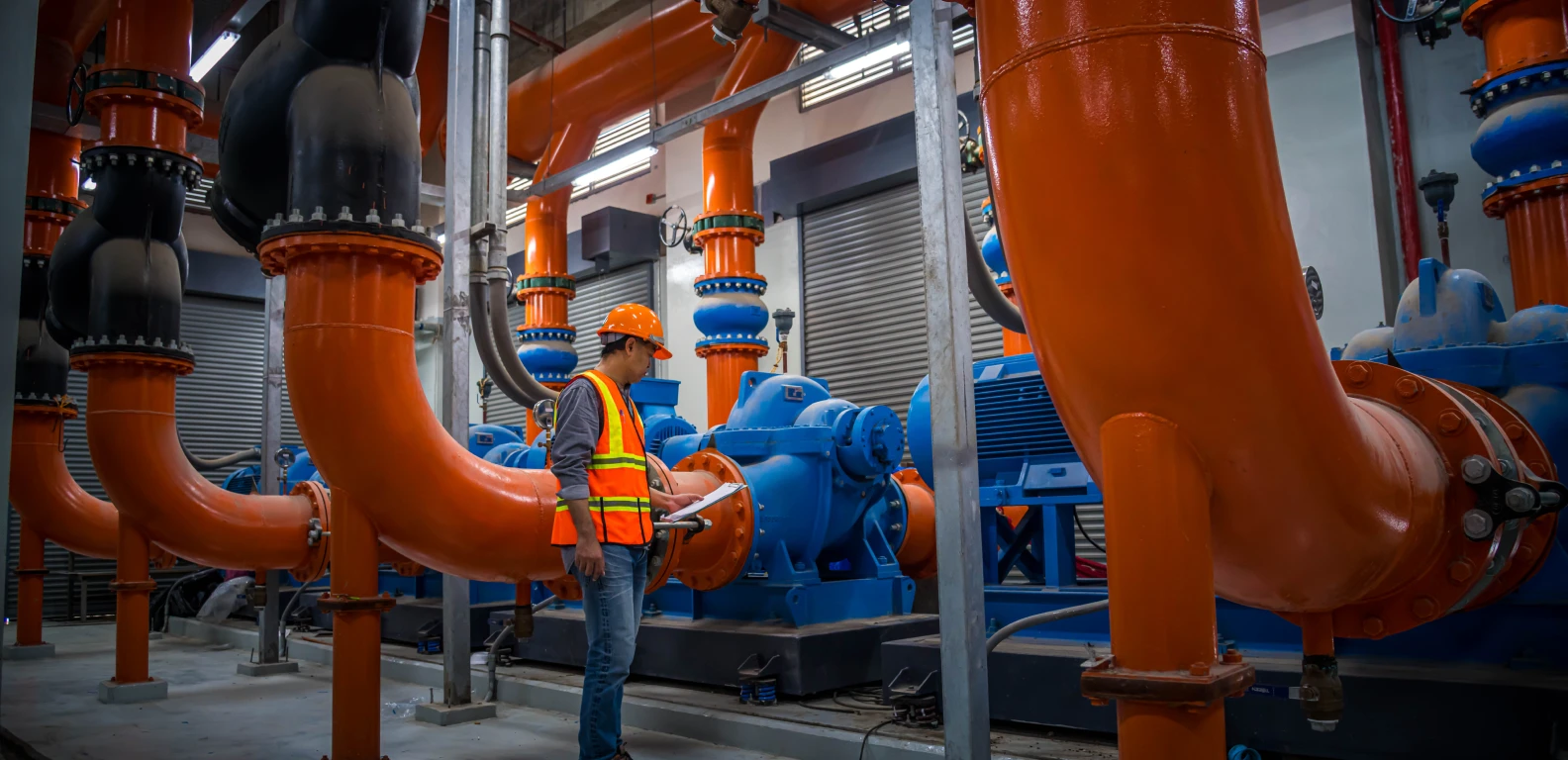
Frequently Asked Questions (FAQ)
- What are the signs that my centrifugal pump is experiencing cavitation?
The most distinct indicator of cavitation is acoustic. The pump will produce a loud, rattling noise, often described as sounding like gravel or marbles passing through the casing. This is accompanied by severe mechanical vibration, fluctuating discharge pressure, and an immediate drop in flow rate. Upon inspection, the impeller vanes will exhibit severe pitting and erosion resembling sponge-like damage. - How can I implement an effective chemical pump overheating solution?
Overheating is primarily caused by operating the pump without sufficient flow to carry away heat. Ensure the pump never operates against a fully closed discharge valve (dead-heading). For systems with highly variable demand, install an automated minimum-flow bypass line that redirects a safe volume of fluid back to the supply tank, ensuring continuous thermal dissipation. - Why do mechanical seals fail so quickly when pumping caustic soda?
Caustic soda (sodium hydroxide) crystallizes rapidly when exposed to air. When the microscopic fluid film lubricating the mechanical seal reaches the atmospheric side, the water evaporates, leaving behind hard salt crystals. These crystals act as an abrasive grinding compound that quickly destroys the seal faces and jams the compression springs, leading to severe leakage. - What is the best pump solution for handling fluids with high solid content?
For abrasive slurries, standard chemical pumps will clog and erode. The optimal solution is an industrial slurry pump (like the UHB-ZK series) utilizing a thick Ultra-High-Molecular-Weight Polyethylene (UHMWPE) lining and a semi-open impeller. This combination provides extreme abrasion resistance and an unobstructed flow path to prevent internal blockages. - Can a magnetic drive pump run dry safely?
No, operating a magnetic drive pump dry is strictly prohibited. The internal plain bearings are typically manufactured from highly pure Silicon Carbide (SiC), which relies entirely on the pumped fluid for hydrodynamic lubrication and cooling. Operating without fluid causes intense friction heat, leading to rapid thermal shock and the instantaneous shattering of the ceramic bearings. - How do I fix a centrifugal pump that keeps losing its suction prime?
If a standard end-suction pump continually loses prime, check the suction pipeline for air leaks at the flanges or valve stems. Ensure the horizontal suction pipe slopes continuously upward toward the pump to prevent trapped air pockets. If you are lifting fluid from a low-level tank, the permanent solution is replacing the unit with a dedicated self-priming centrifugal or magnetic drive pump designed to automatically evacuate air from the pipeline.
-

YFTEL Pumps
Fluid Engineers & Technical Support, YFTEL Pump
YFTEL is a chemical pump manufacturer based in Hangzhou, China, with a 26,000 m² production base in Hangzhou, China, with a 26,000 m² production base in Anhui. Using the CAS-patented Fluoroplastic Alloy material, we produce 300+ models of corrosion-resistant pumps, valves and piping, exported to 30+ countries.












