
We supply wholesale high-performance centrifugal pumps for aggressive chemical applications. Our fluoroplastic-lined and stainless steel centrifugal pumps offer outstanding corrosion resistance, reliably handling strong acids, alkalis, and solvents under extreme conditions.
| Model Series | Material | Flow Rate (m³/h) | Head (m) | Operating Temp (°C) | Design Pressure |
|---|---|---|---|---|---|
| IHF Series Lined Centrifugal Pump | Cast Iron + F46/PFA Lining | 3 - 600 | 4 - 80 | -20 to 150 | 1.6 MPa |
| FSB Series Compact Centrifugal Pump | All-Fluoroplastic Alloy (F46/PVDF) | 3.6 - 100 | 15 - 55 | -20 to 100 | 0.6 MPa (1.6 MPa for select sizes) |
| IH Series Stainless Steel Centrifugal Pump | Stainless Steel (304/316L) | 3.2 - 400 | 5 - 125 | -20 to 150 | 1.6 MPa |
| UHB-ZK Series Centrifugal Slurry Pump | Steel Lined UHMWPE | 5 - 1400 | 20 - 80 | -20 to 80 | 1.6 MPa |
Note: Above figures represent standard operations at 2900 r/min. Please contact our technical team for custom impeller trims, exact efficiency curves, and specific fluid gravity matching.
Pump selection starts with the fluid. Whether you are handling highly concentrated sulfuric acid, volatile solvents, or abrasive slurries, our engineering team maps your flow, head, and medium requirements directly against our chemical resistance databases. Below are typical applications where our centrifugal pumps maintain continuous operation.
Concentrated and dilute sulfuric, hydrochloric, and nitric acid transfer, circulation, and dosing in chlor-alkali plants. Our chemical centrifugal pumps handle highly corrosive media safely.
Solvent, catalyst, and intermediate transfer in API and fine-chemical reactors. The fluoroplastic wetted parts ensure zero contamination for sensitive, high-purity chemical synthesis.
Acid circulation and rinse-water handling in continuous strip and wire pickling lines. Built for robust performance, our end suction pumps withstand aggressive acidic environments.
Dosing and transfer of corrosive reagents, chlorination chemicals, and acidic effluents in industrial wastewater treatment stations, offering a cost-effective corrosion solution.
Handling corrosive electrolytes, mother liquors, and process acids in copper, zinc, and rare-earth wet metallurgy, ensuring continuous and stable plant operations.

With over 20 years of specializing in fluoroplastic and stainless steel corrosion-resistant pumps, we operate comprehensive in-house sintering, lining, and machining lines. This vertical integration guarantees consistent quality control from raw castings to the finished centrifugal water pump.
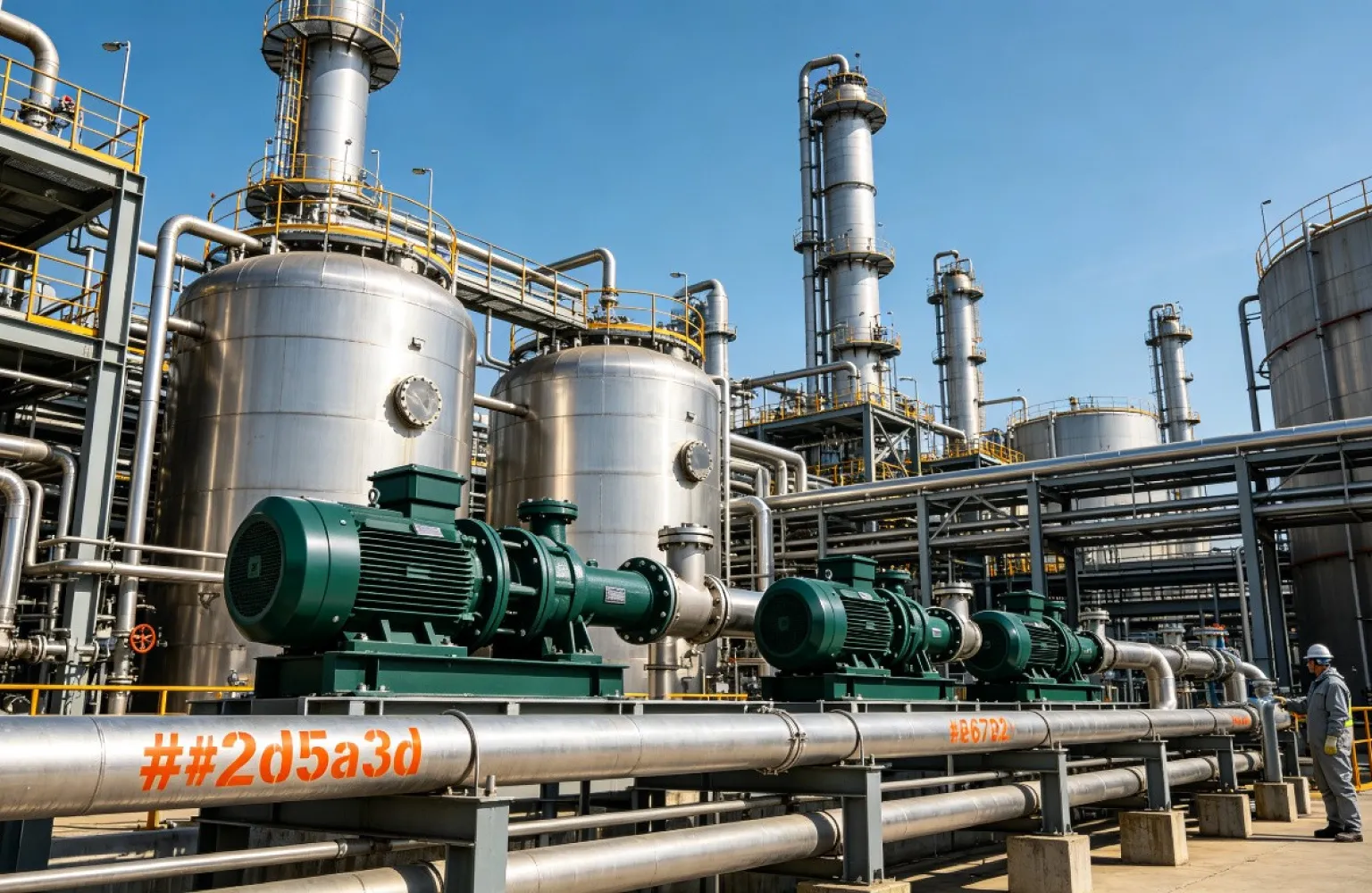
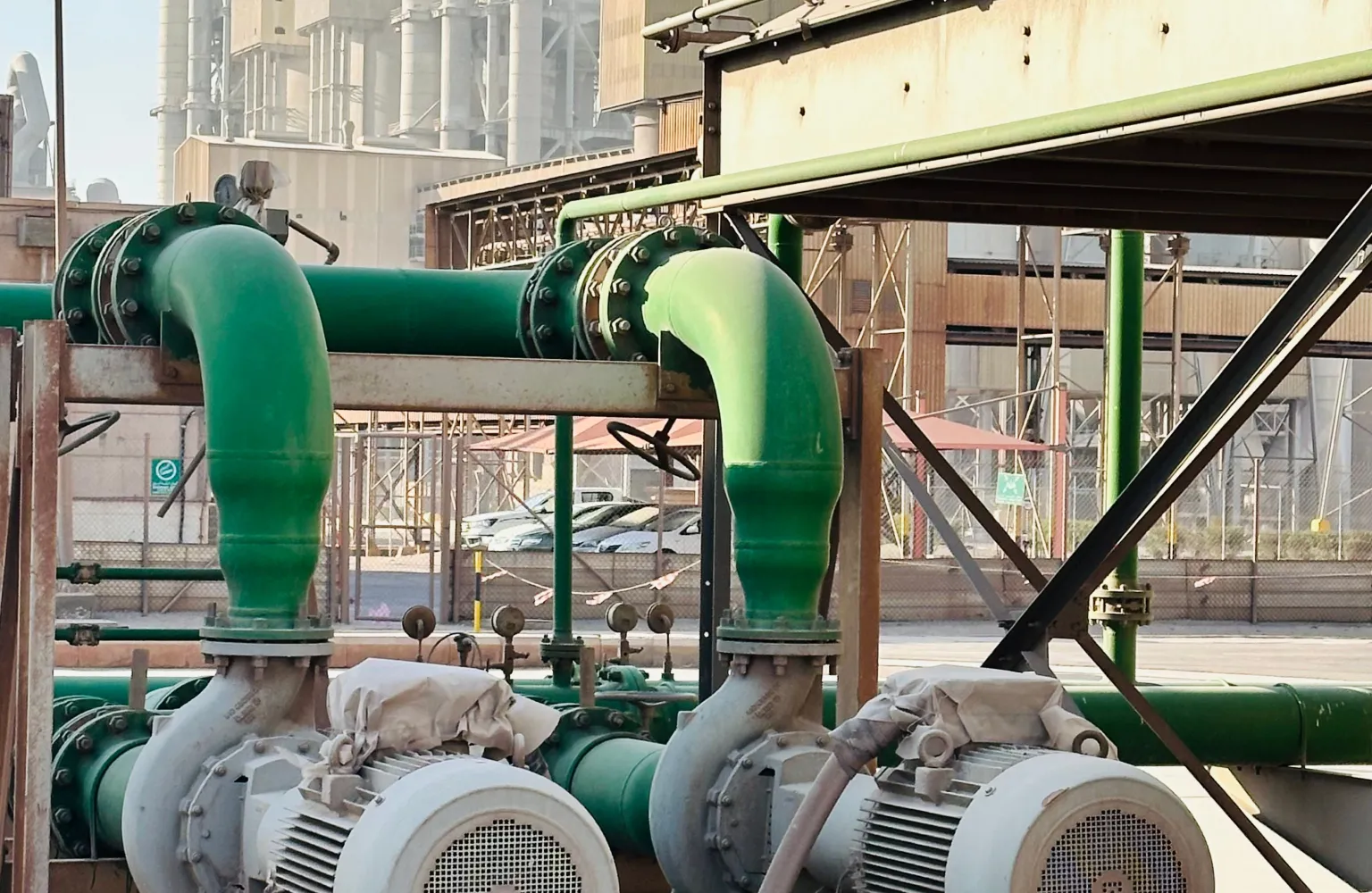
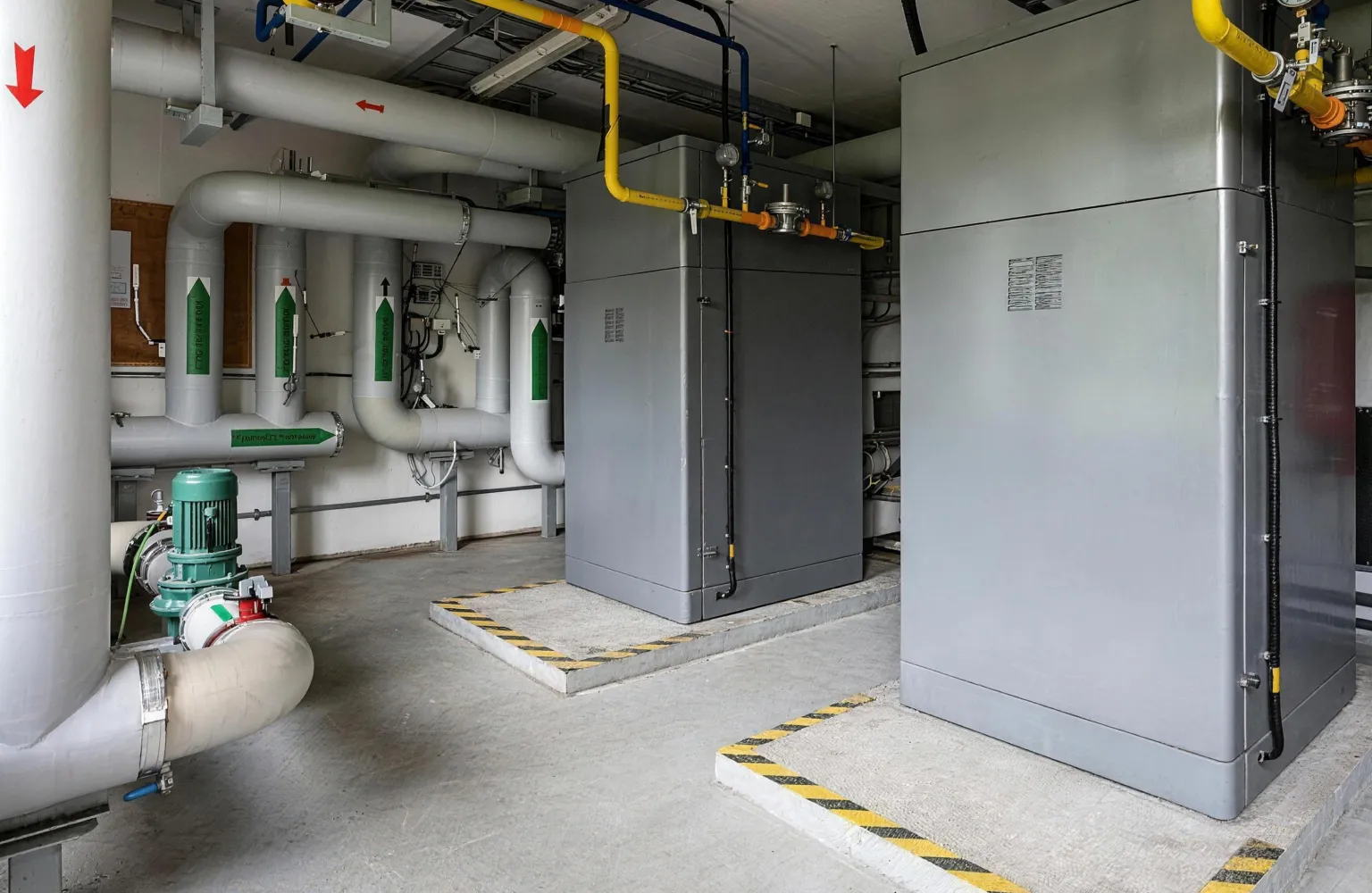
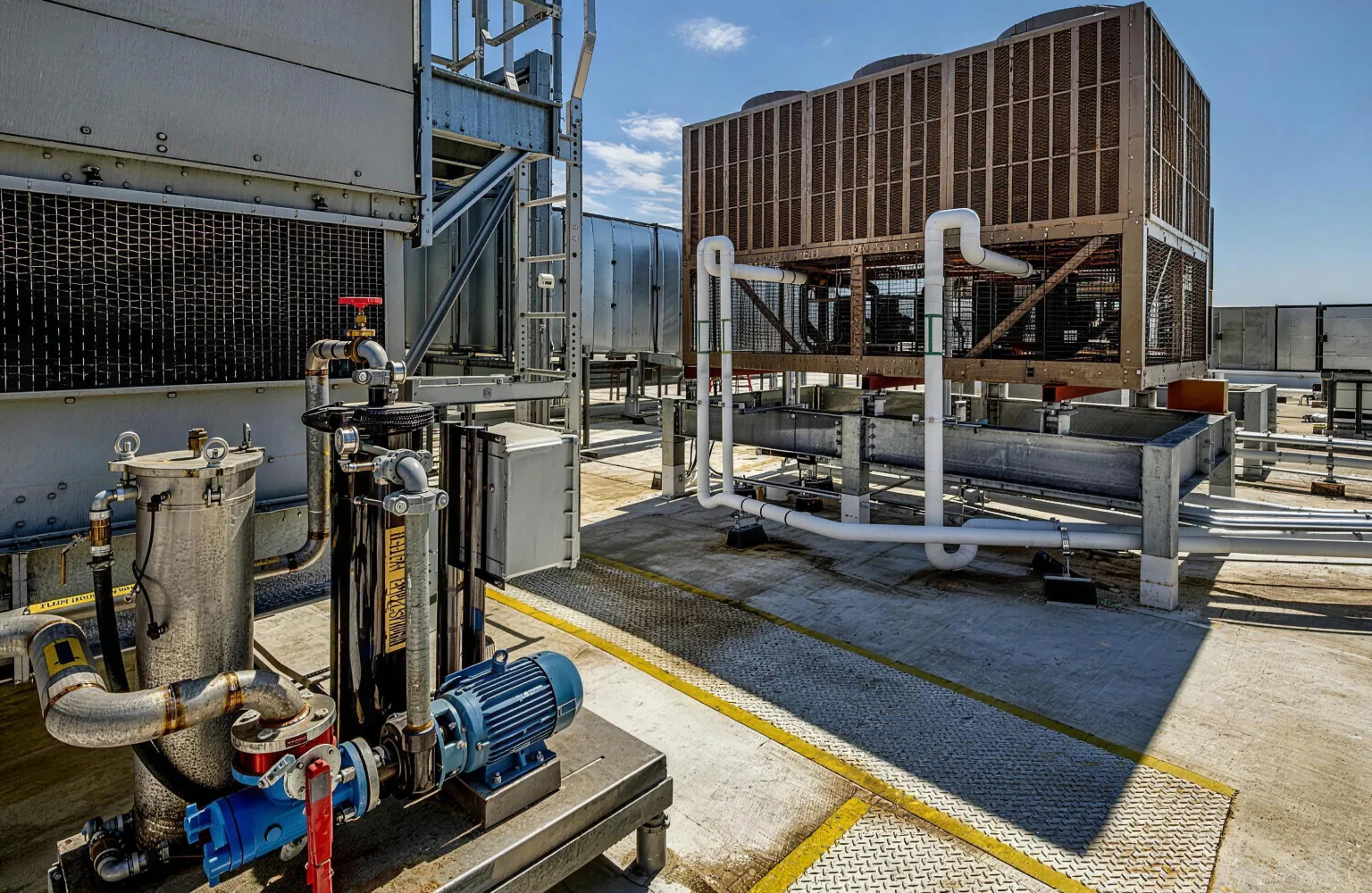
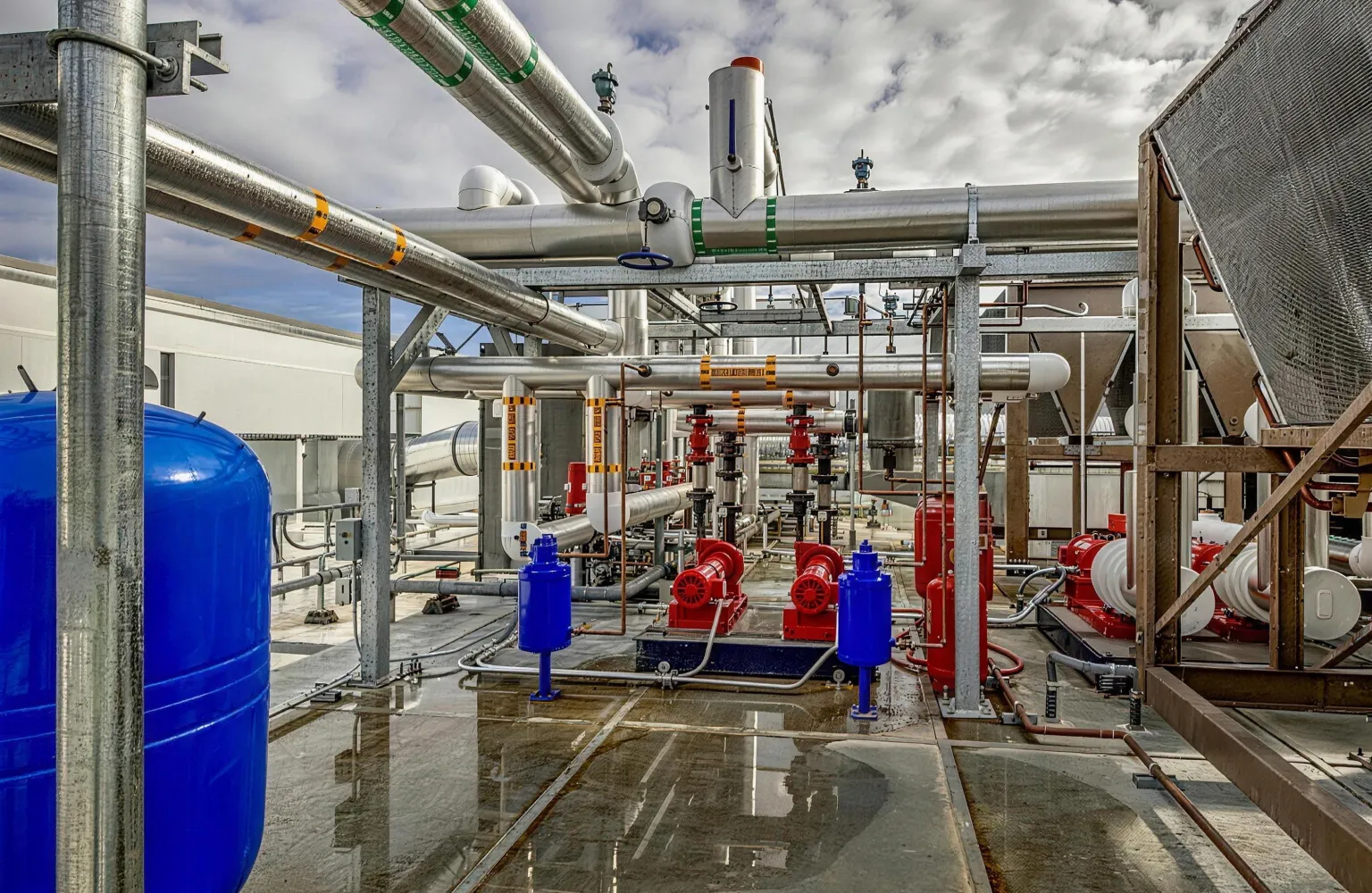

YFTEL manufactures corrosion-resistant pumps, valves and piping at a 26,000 m² production base in Anhui, with international trade operations headquartered in Hangzhou. The factory runs 200 sets of production equipment, employs 200+ staff including 30+ fluid engineers, and ships over 32,000 pump and valve units per year across 10 series and 300+ models. Production is ISO9001 certified, products carry CE marking, and exports currently reach customers in 30+ countries.
About Us ENGINEERING CASES SolutionsOur centrifugal pumps handle virtually any concentration of sulfuric, hydrochloric, nitric, and hydrofluoric acid, aqua regia, strong oxidizers, organic solvents, and reducing agents. For media containing solids, we also offer semi-open impellers or specific slurry pump designs.
The standard F46 (FEP) lining is rated for continuous operation from -20°C to 100°C, and can withstand up to 150°C under specific conditions. For consistently higher temperatures, we offer PFA-lined or stainless steel centrifugal pump variants. Please specify your operating temperature during inquiry.
Yes, the outboard mechanical seal on our end suction pump is a standard, easily replaceable cartridge. The stationary ring utilizes 99.9% alumina ceramic or silicon nitride, and the rotating ring is PTFE-filled. We supply compatible spare seal kits to minimize maintenance downtime.
To ensure accurate sizing, please provide the medium name and concentration, flow rate (m³/h), discharge head (m), operating temperature, specific gravity, and any solids content. Information regarding the motor power supply and explosion-proof requirements will also help us quote the precise model.
Absolutely. As a direct manufacturer, we provide highly competitive factory-direct pricing for all our centrifugal pumps. We support wholesale purchases and offer tiered volume discounts for repeat B2B enterprise buyers and engineering contractors.
Standard models typically ship within 4 weeks after order confirmation. Custom configurations, such as specific impeller trims or specialized voltage motors, may require 5 to 6 weeks. We maintain a digital tracking system to keep you updated on your order's production status.
Selecting the right fluid transfer equipment is a critical decision for plant engineers, procurement managers, and EPC contractors. The centrifugal pump remains the cornerstone of modern chemical processing, metallurgy, and industrial water treatment. Because the handling of highly corrosive, toxic, or abrasive media leaves no room for equipment failure, understanding the design, material selection, and operational nuances of chemical centrifugal pumps is essential. This guide provides an objective, in-depth overview to help B2B buyers make informed, reliable procurement decisions.
A centrifugal pump is a rotodynamic machine designed to move fluids through the conversion of rotational kinetic energy into hydrodynamic energy. The rotational energy typically comes from an electric motor. These pumps are favored across industrial sectors because of their robust construction, smooth and continuous flow, and ability to handle a vast range of capacities and heads. In chemical processing, the end suction centrifugal pump is the most prevalent design, known for its straightforward maintenance and compliance with international dimensional standards like ISO 2858.
Unlike standard water pumps, a chemical centrifugal pump must withstand severe chemical attacks. Therefore, the wetted parts—including the pump casing, impeller, and shaft sleeve—are either cast from high-grade stainless steel (such as 304, 316L, or specialized duplex alloys) or lined with advanced fluoroplastics (like F46, FEP, PFA, or PTFE). This material integration ensures long-term operational integrity and prevents hazardous leaks.
The operation of a centrifugal pump relies on fundamental fluid dynamics. Fluid enters the pump impeller along or near to the rotating axis and is accelerated by the impeller vanes. Driven by centrifugal force, the fluid flows radially outward into a volute casing. This action creates a low-pressure area at the eye of the impeller, drawing more fluid into the pump. The volute casing is designed to slow down the fluid's velocity while simultaneously increasing its pressure, effectively converting kinetic energy into potential energy (discharge head) before the fluid exits through the discharge nozzle.
For chemical centrifugal pumps, maintaining a perfectly sealed environment during this high-velocity transfer is paramount. Dynamic shaft seals, typically advanced mechanical seals, are deployed to prevent the aggressive medium from escaping the pump casing along the rotating shaft. In applications where absolute zero-leakage is mandated by environmental or safety regulations, magnetic drive centrifugal pumps are often deployed, replacing the dynamic shaft seal with a static isolation containment shell.
The core of a chemical pump's longevity lies in its material composition. Selecting the correct wetted material based on the fluid's chemical properties, temperature, and specific gravity is the most crucial step in pump procurement.
Fluoroplastic lined centrifugal pumps (such as the IHF and FSB series) are constructed with a robust cast-iron or steel outer armor and an inner lining of fluoropolymers. The F46 (perfluoroethylene propylene) lining offers near-universal chemical resistance. These pumps can reliably transfer any concentration of sulfuric acid, hydrochloric acid, nitric acid, aqua regia, and strong organic solvents. They serve as an extremely cost-effective alternative to exotic metals like Hastelloy or Titanium, particularly in highly corrosive but low-abrasion applications.
Stainless steel centrifugal pumps (such as the IH series) are entirely cast from metallic alloys. While they may not withstand boiling hydrochloric acid as fluoroplastics do, stainless steel provides superior mechanical strength, high-temperature resilience (often up to 150°C or more), and excellent performance in mildly corrosive or sanitary environments. They are heavily utilized in pharmaceutical synthesis, food processing, and the transfer of alkaline solutions or weak organic acids. Furthermore, metallic impellers can often achieve tighter tolerances, slightly enhancing hydraulic efficiency.
A standardized end suction pump consists of several critical components. Understanding these parts aids in proactive maintenance and minimizes unscheduled downtime.
Proper pump sizing and selection prevent premature failure and ensure optimal energy consumption. When consulting with a centrifugal pump manufacturer, B2B buyers should prepare a comprehensive data sheet covering the following parameters:
Fluid Characteristics: Provide the exact chemical name, concentration percentage, specific gravity, and viscosity. Specify if there are any solid particles, their size, and percentage by weight. Solids may require upgrading from a standard centrifugal pump to a specialized slurry pump with a UHMWPE lining.
Hydraulic Parameters: Determine the required flow rate (usually measured in cubic meters per hour, m³/h) and the total dynamic head (meters, m). It is advisable to size the pump so that your normal operating point falls near the Best Efficiency Point (BEP) of the pump's performance curve.
Operating Temperature: Temperature drastically affects the corrosion rate of chemicals and the mechanical integrity of plastics. Ensure the specified temperature falls within the safe operating limit of the chosen lining material (e.g., standard F46 is typically rated up to 100°C - 150°C depending on the specific formulation and support structure).
NPSH Requirements: Ensure that the Net Positive Suction Head Available (NPSHa) in your system exceeds the pump's Net Positive Suction Head Required (NPSHr) to prevent cavitation, which can rapidly destroy an impeller.
Even the highest quality centrifugal pump will fail if installed incorrectly. Adhere to the following industrial best practices:
Foundation and Alignment: Mount the pump and motor on a rigid concrete foundation. The weight of the foundation should be at least three times the weight of the pump set. Prior to startup, the coupling alignment between the pump shaft and motor shaft must be precision-dialed to prevent excessive vibration and bearing wear.
Piping Stresses: Piping must be supported independently. The pump casing should never act as a pipe anchor. Excessive piping load will distort the casing, causing the rotating parts to rub against stationary components, leading to catastrophic failure.
Suction Line Configuration: Keep the suction line as short and straight as possible. Ensure the pipe diameter is equal to or larger than the pump's suction nozzle. Avoid high points in the suction line where air pockets can form.
Start-up Procedure: Never run a chemical centrifugal pump dry. Ensure the pump casing is fully primed with liquid before energizing the motor. Start the pump with the discharge valve partially closed, then gradually open it to achieve the desired operating point, monitoring the motor amperage to prevent overloading.


 English














