English

The Engineering Challenge of Aqueous Urea Transfer
Diesel Exhaust Fluid (DEF), commercially known in Europe as AdBlue, is a highly purified aqueous solution comprising 32.5% technical-grade urea and 67.5% deionized water. It is injected into the exhaust stream of diesel engines to reduce nitrogen oxide (NOx) emissions via Selective Catalytic Reduction (SCR). While the fluid is generally non-toxic and non-flammable, pumping DEF at industrial scales presents two distinct and severe engineering challenges: strict contamination control and the mechanical threat of urea crystallization. Selecting the correct def urea pump is critical to maintaining fluid integrity and preventing continuous equipment failure in chemical packaging and distribution facilities.
Preventing Ionic Contamination: ISO 22241 Compliance
The SCR catalyst utilized in modern diesel engines is extremely sensitive to trace metal contamination. According to the ISO 22241 standard, introducing even microscopic amounts of copper, zinc, aluminum, or iron into the DEF supply will permanently poison the catalyst, resulting in SCR catalyst failure and massive warranty liabilities for fluid distributors.
Material Selection for the DEF Flow Path
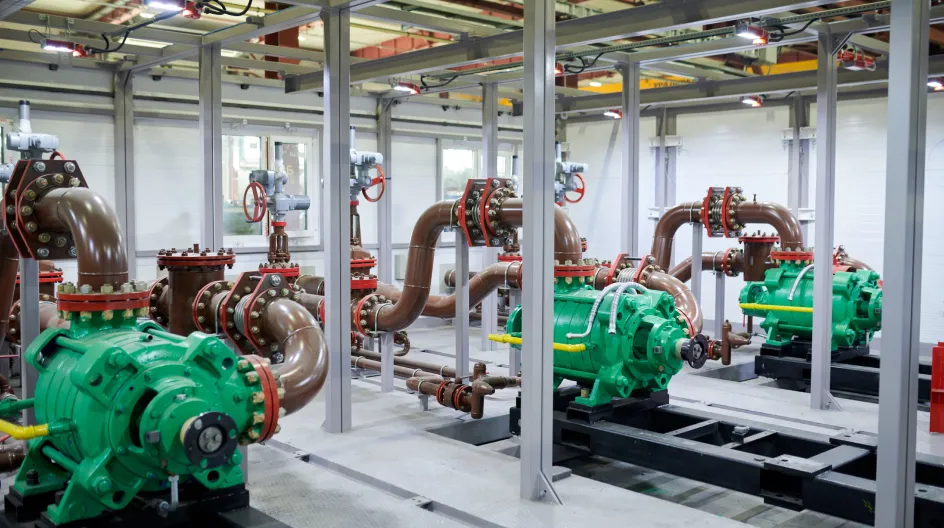
Standard industrial water pumps or cast-iron chemical pumps are entirely unsuitable for DEF transfer. Aqueous urea acts as a mild solvent and will actively leach metal ions from carbon steel, brass, bronze, and aluminum casings. A compliant urea def pump requires a flow path that is completely inert. The primary engineering solution involves specifying pumps with wetted components manufactured from high-grade austenitic stainless steel (such as 304 or 316L) or inert fluoroplastics. Fluoroplastic-lined centrifugal pumps (utilizing F46 or PTFE) provide a chemically inert barrier, preventing metallic ion leaching into the fluid and maintaining the exact chemical purity required from the blending reactor to the distribution nozzle.
The Mechanics of Urea Crystallization and Seal Failure
The second major operational challenge involves the physical behavior of 32.5% aqueous urea. When the fluid is exposed to the atmosphere, the deionized water content evaporates rapidly, leaving behind hard, abrasive urea crystals. This chemical characteristic makes standard centrifugal pump operations highly problematic.
Vulnerability of Dynamic Mechanical Seals
In a standard adblue electric pump utilizing a dynamic mechanical seal, a microscopic fluid film exists between the stationary and rotating seal faces. This fluid film inevitably migrates to the atmospheric side of the seal. Once exposed to air, the urea crystallizes instantly on the shaft and the seal springs. These accumulated crystals act as a highly abrasive grinding paste. As the shaft rotates, the crystals score the seal faces and restrict the movement of the compression springs, leading to rapid and catastrophic seal leakage.
The Sealless Magnetic Drive Solution
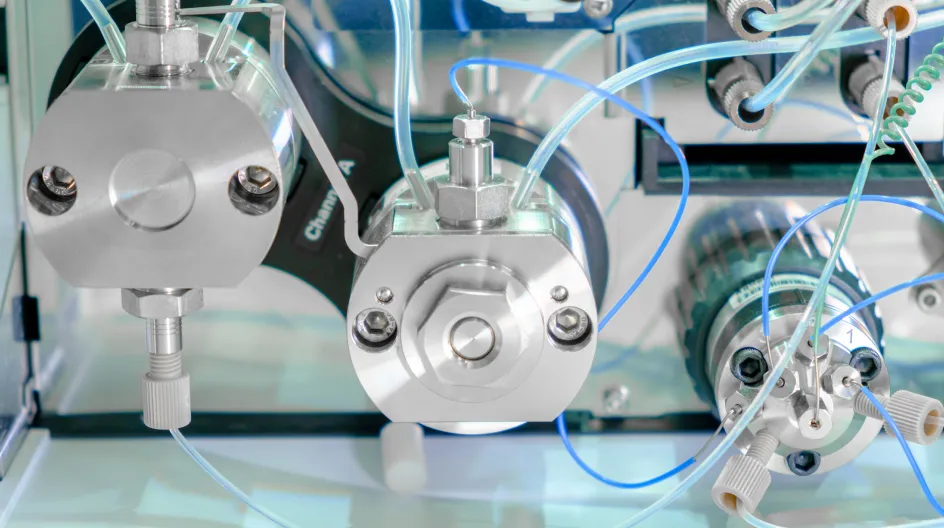
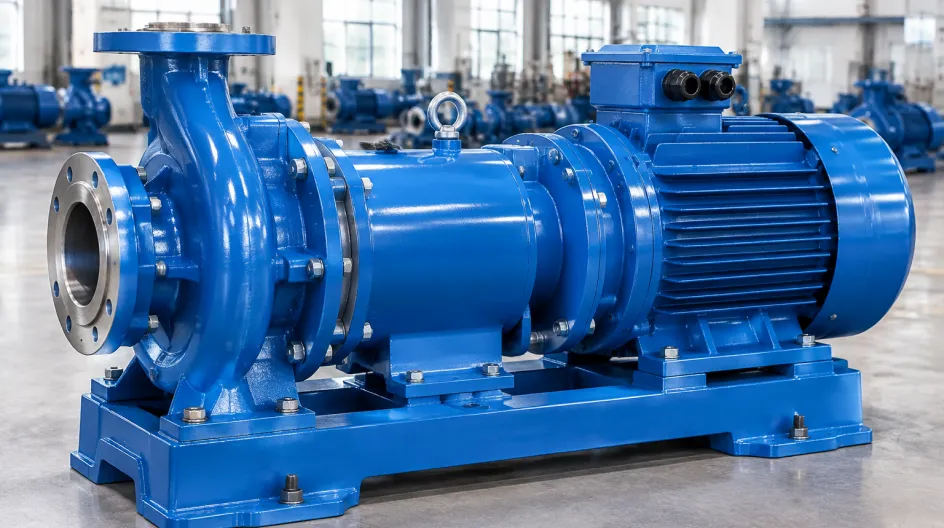
The definitive engineering solution to urea crystallization is the total elimination of the dynamic seal interface. Sealless magnetic drive pumps (such as the CQB and CQL series) replace the mechanical seal with a stationary isolation sleeve (containment shell). Torque is transmitted from the electric motor to the internal impeller via a synchronous magnetic field. Because there is no rotating shaft penetrating the pump casing, there is no atmospheric interface where the fluid can evaporate and crystallize. The fluid remains hermetically sealed within the pump. This static-seal architecture provides a low-maintenance solution for continuous DEF transfer, eliminating the fugitive emissions and seal degradation associated with standard industrial pumps.
Engineered Configurations for DEF Distribution
Fluid handling facilities require different hydraulic configurations depending on how the DEF is stored and transported. Process pump solutions must be tailored to the specific spatial and volumetric requirements of the plant infrastructure.
IBC and Tote Unloading Systems
A significant volume of DEF is distributed to fleet operators and retail hubs via Intermediate Bulk Containers (IBCs). Emptying an ibc of adblue presents a suction lift challenge, as gravity feeding from the bottom valve is often impractical or restricted by site safety protocols. The technical requirement is to draw the fluid out from the top opening of the container.
Deploying def pumps for totes requires specialized self-priming capabilities. Fluoroplastic or stainless steel magnetic self-priming pumps (like the ZMD or ZCQ series) are engineered for this exact duty. An integrated gas-liquid separation chamber within the pump casing allows the unit to evacuate air from the suction line, creating a vacuum that lifts the DEF vertically out of the tote. Once the initial manual prime is completed, the pump retains sufficient liquid to re-prime automatically on all subsequent starts. This provides operators with a safe, ground-level transfer mechanism that does not require dropping submersible pumps into the high-purity fluid, thereby eliminating a major vector for particulate contamination.
High-Volume Bulk Transfer and Dispensing
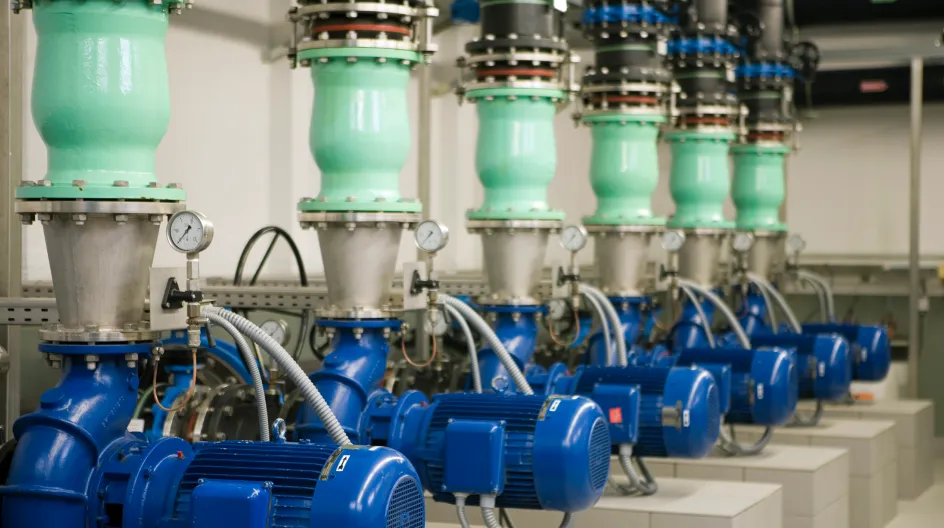
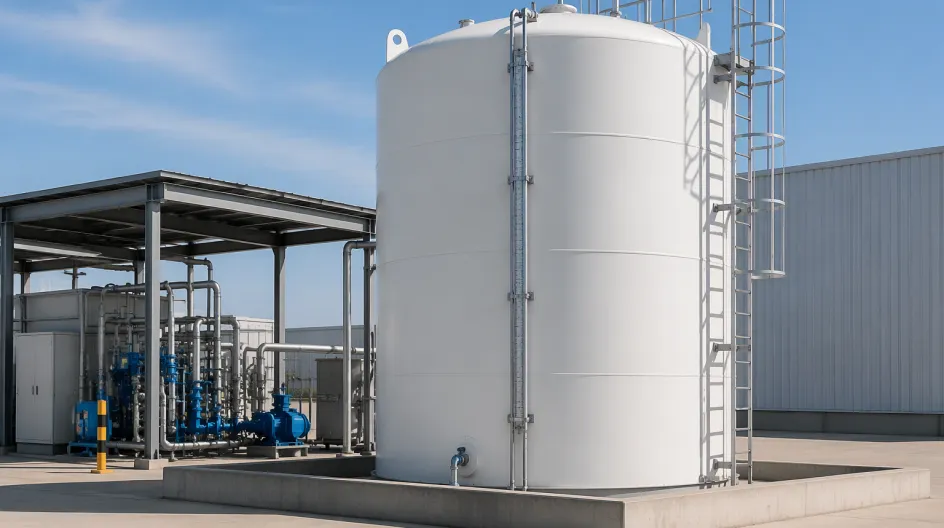
For chemical manufacturing plants, railcar unloading, and terminal truck loading, high-capacity flow is the primary metric. A bulk def tank and pump system must move hundreds of cubic meters per hour while adhering strictly to the ISO 22241 purity standards. In these large-scale applications, heavy-duty fluoroplastic-lined centrifugal pumps (IHF series) or ISO-standard stainless steel centrifugal pumps (IH series) are deployed. These units are configured with specific mechanical seal flush plans (such as API Plan 32, or dual-seal arrangements per API Plan 53 or 54) designed to supply the seal chamber with a clean external flush fluid, preventing localized evaporation and the subsequent formation of destructive urea crystals during high-speed transfer. These high-capacity units often serve as the primary feed for a dedicated def dispenser pump or high-speed adblue dispenser pump station, ensuring rapid turnaround times for commercial tanker fleets.
Maintaining Pipeline Integrity
Specifying a high-purity pump is futile if the connecting pipeline introduces trace metals into the fluid. The entire distribution loop must maintain the same standard of chemical inertness. Connecting the bulk storage tanks to the dispensing units utilizing PTFE-lined steel pipes and fluoroplastic-lined globe valves ensures that the fluid never contacts raw steel or reactive alloys. Every lined pipeline component must undergo rigorous electric spark testing to verify the absence of microscopic pinholes, ensuring a continuous, unbroken barrier of fluoropolymer from the tank to the final delivery nozzle.
Evaluate Your DEF Transfer Infrastructure
Handling aqueous urea and AdBlue requires a fundamental understanding of both its chemical purity constraints and its mechanical crystallization behavior. Utilizing standard municipal water pumps or incorrect metallurgy will result in rejected product batches and chronic equipment failure. Transitioning to specialized stainless steel or fluoroplastic-lined magnetic drive pumps resolves seal leakage, prevents catalytic poisoning, and guarantees long-term operational stability. Our engineering team specializes in diagnosing failing DEF transfer systems and specifying compliant, zero-leakage replacements. Contact us to initiate a comprehensive technical review of your IBC unloading stations, bulk storage loops, and dispensing infrastructure.
Frequently Asked Questions (FAQ)
1. Why do standard mechanical seals fail so quickly on a def urea pump?
DEF (32.5% aqueous urea) crystallizes immediately upon contact with air. When the fluid film across a standard mechanical seal reaches the atmospheric side, the water evaporates, leaving abrasive urea crystals. These crystals act like a grinding compound, rapidly destroying the seal faces and causing severe leakage.
2. Can I use a standard cast-iron or brass water pump for AdBlue transfer?
No. AdBlue is mildly corrosive and acts as a solvent. It will actively leach trace metals (like copper, zinc, aluminum, and iron) from cast-iron or brass pump casings. According to the ISO 22241 standard, this metallic contamination will permanently destroy the Selective Catalytic Reduction (SCR) system in diesel engines.
3. What is the most reliable way to unload an ibc of adblue without contamination?
The most reliable method is using a surface-mounted, self-priming magnetic drive pump (such as the ZMD or ZCQ series) manufactured from stainless steel or fluoroplastic. It draws the fluid from the top of the tote automatically, eliminating the need for foot valves or dropping submersible pumps into the pure fluid, which risks contamination.
4. Are magnetic drive pumps suitable for a bulk def tank and pump system?
Yes, magnetic drive pumps are highly suitable. By removing the dynamic shaft seal entirely, they eliminate the seal as a leak path and provide hermetic containment. This eliminates the urea crystallization problem entirely. For extremely high flow rates, stainless steel centrifugal pumps with specialized external flushing plans are also utilized.
5. What materials must be used in the flow path of a urea def pump?
To maintain strict ISO 22241 compliance, the entire wetted flow path must be completely inert. Acceptable materials include high-grade austenitic stainless steels (such as 304 or 316L) and specialized engineering plastics, predominantly fluoroplastics like F46 (FEP), PTFE, or high-density polyethylene.
6. How do you prevent dry-running damage in an adblue electric pump?
Sealless magnetic drive pumps utilize internal silicon carbide bearings that rely on the DEF fluid for lubrication. To prevent dry running (for instance, when a tote is completely emptied), the system must be equipped with active monitoring, such as an inline flow switch or a motor power monitor, which will automatically shut down the pump immediately upon loss of fluid.
-

YFTEL Pumps
Fluid Engineers & Technical Support, YFTEL Pump
YFTEL is a chemical pump manufacturer based in Hangzhou, China, with a 26,000 m² production base in Hangzhou, China, with a 26,000 m² production base in Anhui. Using the CAS-patented Fluoroplastic Alloy material, we produce 300+ models of corrosion-resistant pumps, valves and piping, exported to 30+ countries.