
 English

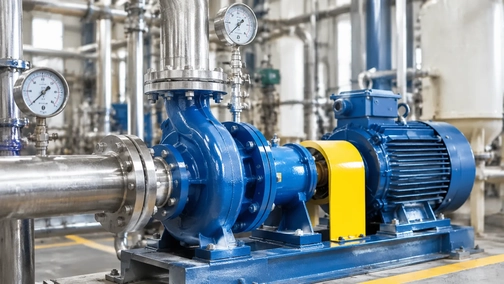
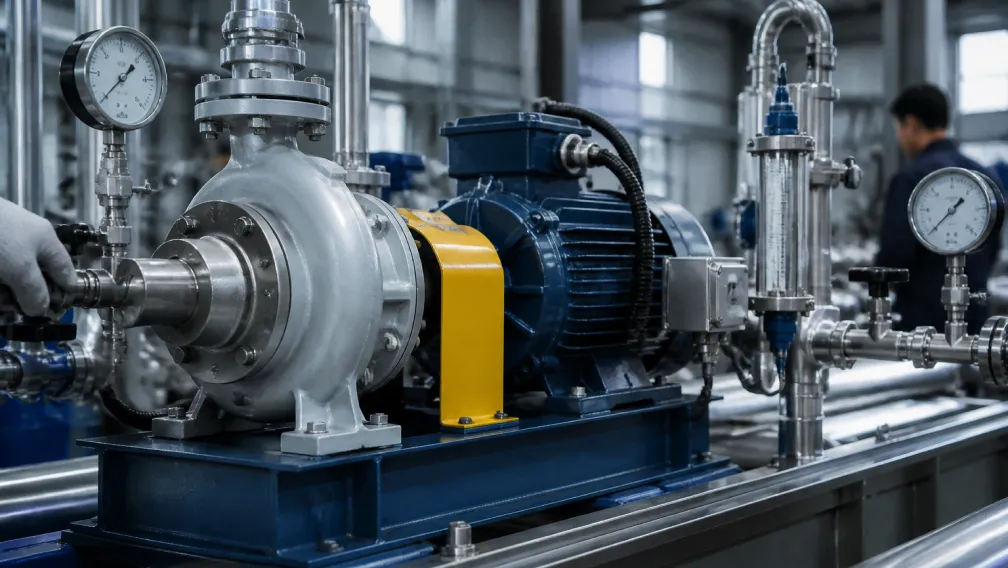
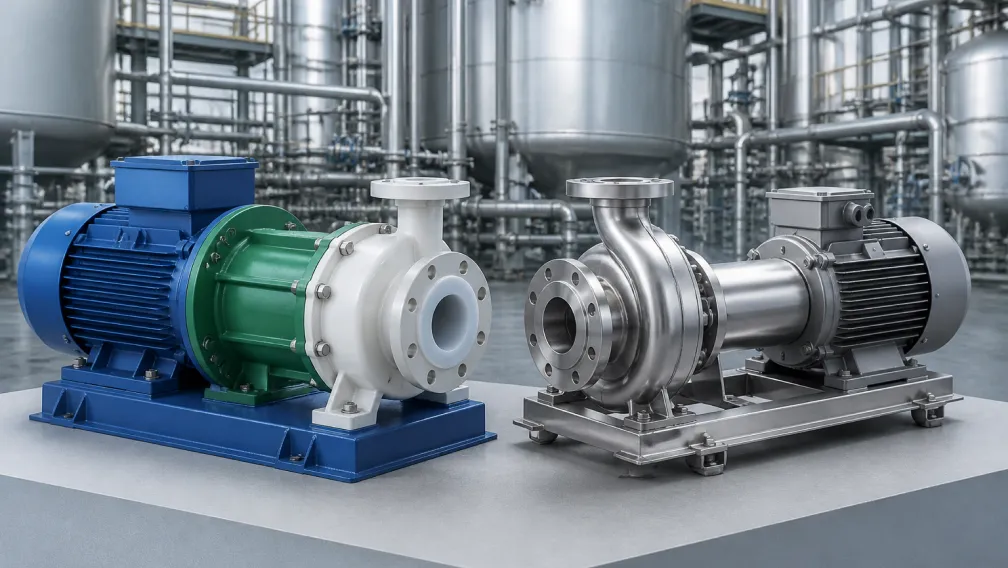
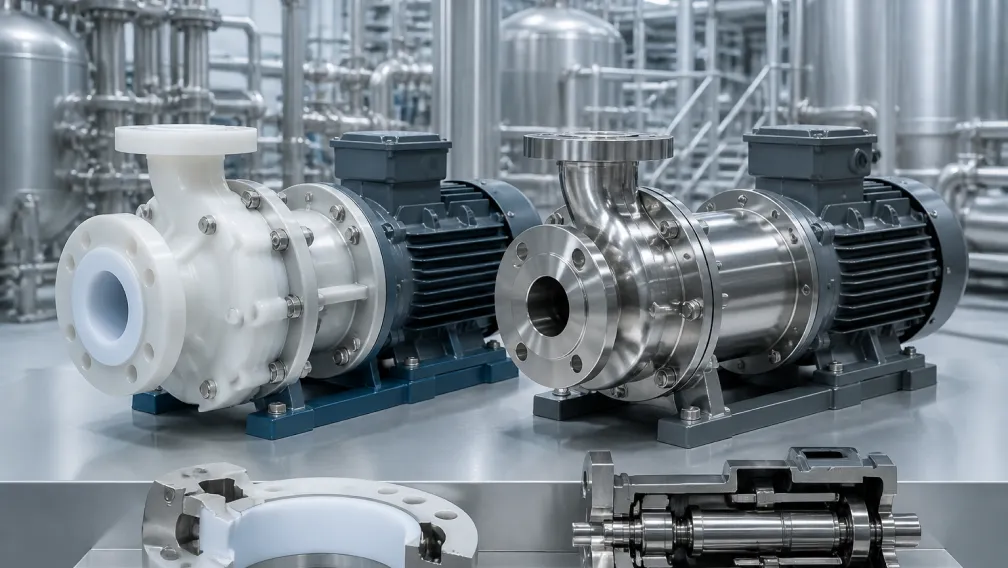
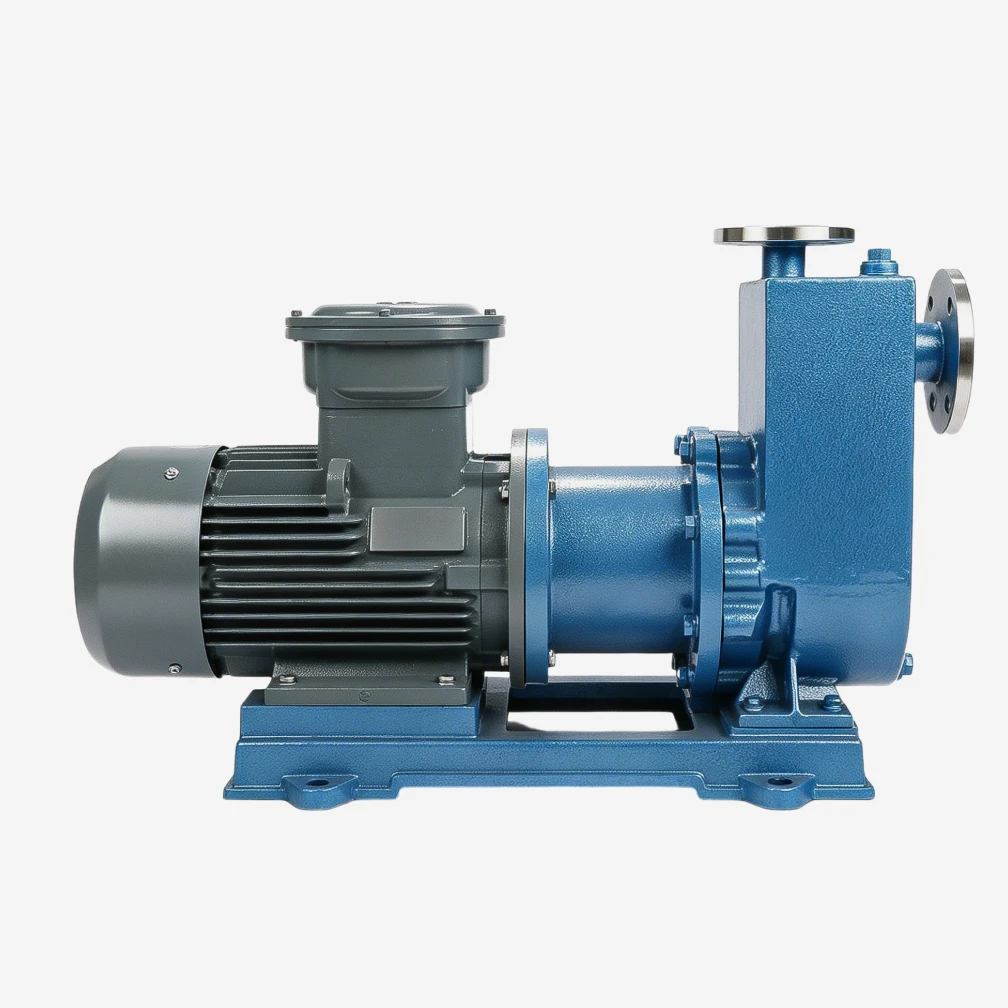
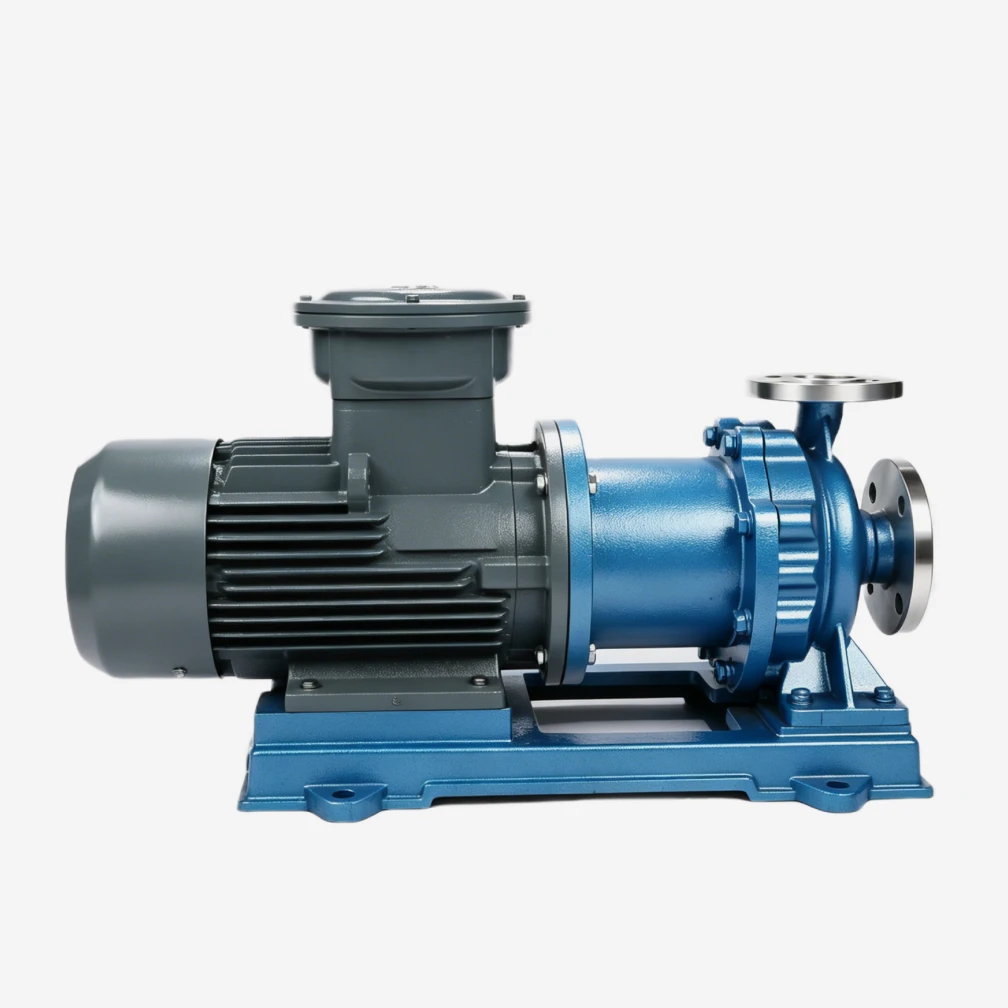
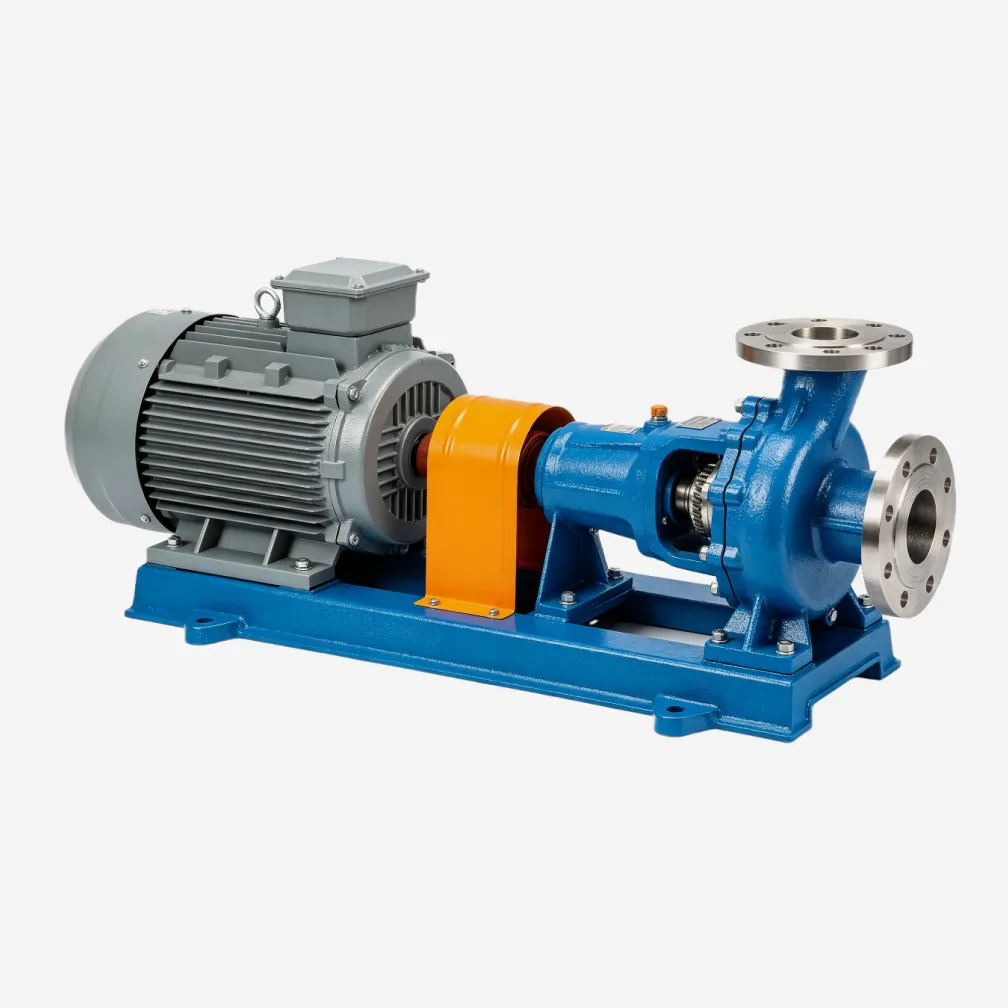
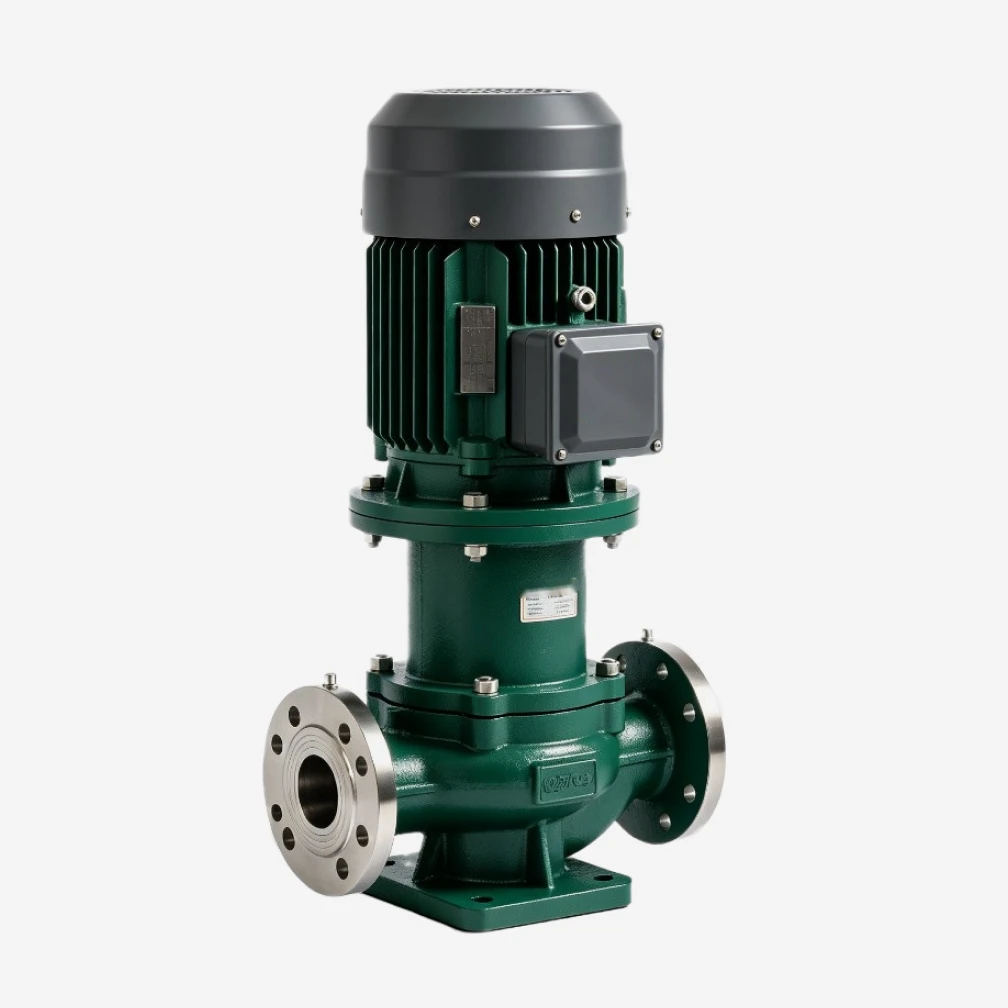
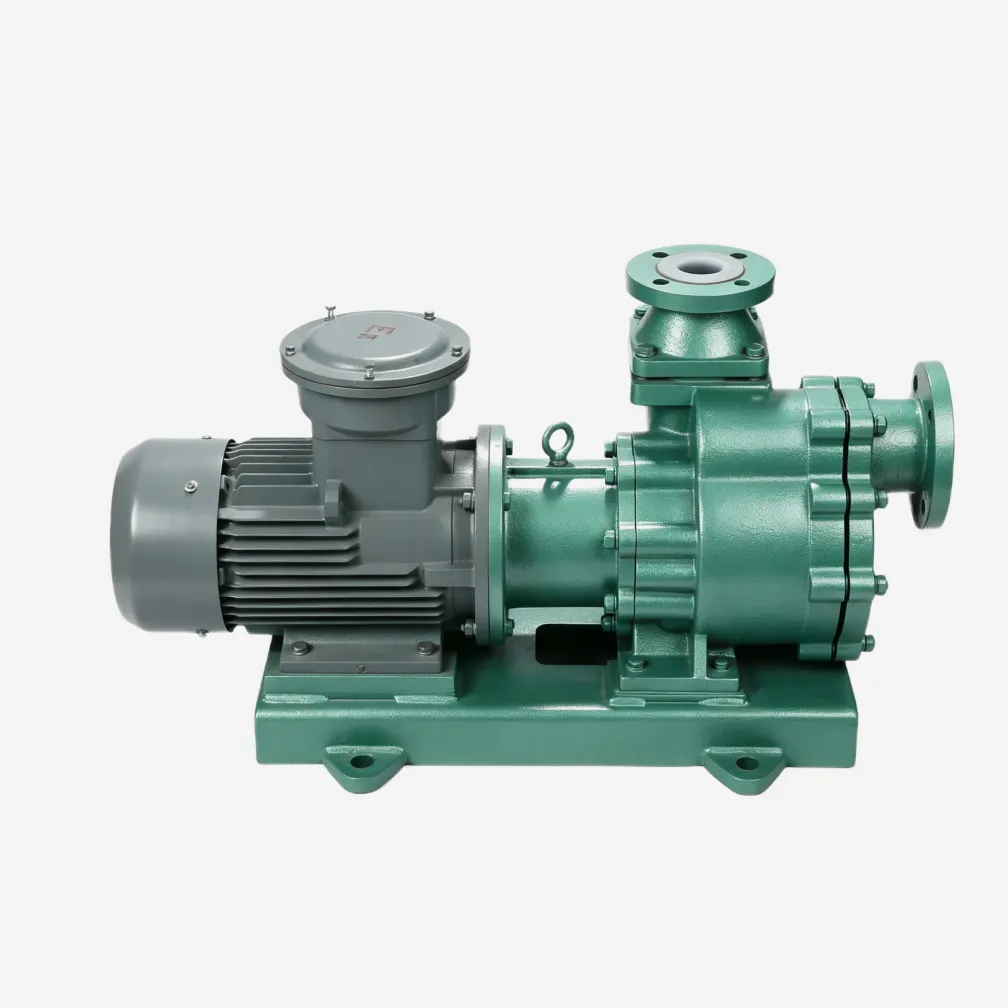
Applicable equipment: YFTEL / YFLK fluoroplastic-lined and stainless-steel chemical centrifugal pumps
Balance holes are small openings in an impeller’s rear shroud that allow some high-pressure liquid to return toward the impeller inlet. This flow can reduce the pressure acting on the rear shroud and lower axial thrust. In chemical service, however, the same passages can become a maintenance concern when the liquid contains crystals, suspended solids, corrosion products, or deposits. The right design depends on the fluid, pump geometry, operating range, and maintenance conditions—not on the presence of balance holes alone.
1. Why axial thrust matters in chemical centrifugal pumps
In a single-suction centrifugal pump, pressure distribution across the impeller front and rear shrouds is rarely identical. The resulting pressure forces, together with momentum effects and other hydraulic forces, create a net axial load on the rotating assembly. The direction and magnitude can vary with pump design and operating point.
The thrust bearing is designed to carry the residual axial load. If the load exceeds the bearing’s design limit, or if the pump operates for long periods away from its intended range, the result may include bearing temperature rise, vibration, axial movement, rubbing, and premature seal or rotating-part damage.
For corrosive service, the consequences can be more serious. Excessive axial movement may affect mechanical-seal face alignment or clearances. A seal failure can release hazardous liquid, so axial-thrust control is part of reliability and containment—not simply a bearing-life issue.
Liquid density is one input to hydraulic force calculations, but it should not be used as a shortcut to claim that every denser chemical creates proportionally higher axial thrust. Actual thrust depends on pressure distribution, effective areas, geometry, speed, and operating conditions.
2. How balance holes reduce axial thrust
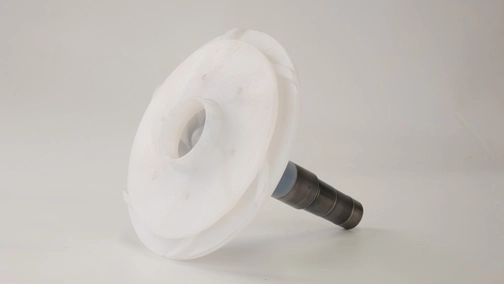
Balance holes are drilled through the rear shroud of a closed impeller, connecting the rear-side cavity with a lower-pressure region near the impeller eye. A portion of the liquid flows back through the holes. This recirculation reduces pressure in the rear cavity and changes the pressure difference acting across the impeller shrouds.
The result is a reduction—not necessarily elimination—of axial thrust. The thrust bearing continues to carry the residual load. Balance-hole diameter, number, radial position, clearances, and the pump’s operating point all affect the balance achieved.
Because the returning flow is internal recirculation, it can also affect pump head and efficiency. The size of this penalty is design-specific and should be confirmed from performance data or testing rather than assigned a universal percentage.
3. Balance holes are part of a wider balancing system
Balance holes work alongside the rear cavity, wear-ring or throttling clearances, shaft and bearing arrangement, and mechanical seal. These components influence pressure distribution and leakage paths. A change in clearance, wear, or blockage can change the axial load.
The mechanical seal also needs a stable operating environment. Axial movement can alter seal-face loading or alignment, while the fluid around the seal may provide lubrication and heat removal in designs intended for that arrangement. Seal flushing and cooling requirements must always follow the pump’s specific design.
4. Chemical-service limitations and failure risks
4.1 Blockage from crystals, solids, or deposits
Balance holes are relatively small passages. Crystallizing salts, precipitates, fine solids, scale, or corrosion products may restrict them. If the passage becomes blocked, the pressure in the rear cavity may rise and the intended thrust reduction can be lost. The resulting load may exceed the bearing’s normal duty.
For crystallizing or solids-bearing service, assess the passage size, fluid temperature during shutdown, solids size and concentration, flushing strategy, and the ability to inspect the impeller. A suction strainer may be appropriate in some systems, but it must be selected carefully: a strainer can itself clog, increase suction losses, and create a cavitation risk.
4.2 Corrosion and erosion of the passage
In stainless-steel impellers, the balance-hole edges and bore can be exposed to localized corrosion or erosion. In fluoroplastic-lined impellers, the lining around the passage deserves particular attention because the hole creates a geometry where lining thickness, adhesion, and local flow conditions matter.
High velocity, abrasive particles, temperature, chemical compatibility, and repeated thermal cycling may contribute to damage. Inspection should look for thinning, cracks, blisters, peeling, exposed metal, or other signs of lining damage. The actual risk depends on the material and duty.
4.3 Performance and operating-range considerations
Balance holes introduce a leakage or recirculation path. The effect on efficiency and head depends on the design and operating point. A balancing arrangement optimized near one duty point may provide different thrust control at low flow or overload. Pump selection should therefore consider the full expected operating range, not only the rated point.
4.4 Mechanical integrity
Any opening in an impeller changes local stress distribution. Hole size, location, edge condition, impeller material, speed, and manufacturing quality matter. For high-speed or high-pressure duties, the balancing arrangement should be verified by the pump manufacturer rather than modified in the field.
5. Balance holes vs. back vanes: how to evaluate
Back vanes—also called pump-out vanes—are small vanes on the rear of an impeller. Their rotation changes the fluid motion in the rear cavity and can reduce rear-side pressure and axial thrust. They are a different balancing mechanism from balance holes.
| Design | Potential advantages | Points to evaluate |
| Balance holes | Simple construction; can provide effective thrust reduction in a suitable design. | Internal recirculation; blockage risk; passage condition and lining integrity; performance depends on geometry and operating point. |
| Back vanes | Can reduce rear-cavity pressure without a through-hole return passage; may be useful where passage blockage is a concern. | Added hydraulic losses and power demand; clearance and wear affect performance; not automatically suitable for every solids-bearing fluid. |
| Other balancing methods | Thrust bearings, wear rings, opposed impellers, balance discs or drums may be used depending on pump design. | Complexity, cost, maintenance requirements, and the specific duty must be considered. |
There is no universal rule that back vanes are always better than balance holes. The manufacturer should compare the expected axial load, hydraulic losses, blockage exposure, material limits, and maintenance access for the actual application.
6. Selection guidance for corrosive chemical service
Before specifying a balance-hole impeller, review the following operating information:
Fluid composition, concentration, temperature, and specific gravity.
Whether the liquid crystallizes during operation, cooling, shutdown, or dilution.
Solids content, particle size, and whether precipitates or corrosion products may form.
Required flow and head, normal operating point, minimum flow, and maximum expected flow.
Pump speed, pressure rating, impeller construction, lining material, and allowable temperature.
Thrust-bearing capacity, mechanical-seal arrangement, and the manufacturer’s balancing design.
Shutdown, flushing, draining, and inspection practices.
For clean, non-crystallizing liquids with little or no suspended solids, balance-hole designs may be a practical option when supported by the pump’s engineering design. For fluids with a credible blockage or lining-damage risk, ask the manufacturer to evaluate alternatives such as back vanes or another axial-thrust balancing arrangement.
7. Inspection and maintenance checklist
During routine inspection
Trend bearing temperature, vibration, noise, and motor load; compare with the established baseline.
Investigate sudden changes rather than assuming they are normal wear.
Review operating flow and suction conditions, especially if the pump is running far from its intended range.
Follow the site’s safe shutdown, isolation, draining, flushing, and decontamination procedure before inspection.
During overhaul
Check each balance hole for deposits, crystallization, corrosion products, or obstruction.
Inspect the bore and edges for enlargement, erosion, cracking, or deformation.
On lined impellers, inspect the lining around and inside the holes for blistering, peeling, cracks, exposed substrate, or other damage.
Inspect related rear-cavity clearances, wear components, shaft, bearings, and seal parts according to the pump drawing and maintenance manual.
Record measurements and compare them with the manufacturer’s allowable dimensions.
Do not drill, enlarge, plug, or reshape balance holes as an improvised repair. Their dimensions and locations are part of the hydraulic design. If a passage is damaged or its size is outside the specified tolerance, obtain the manufacturer’s disposition and use an approved replacement or repair procedure.
For more detailed inspection and servicing recommendations, refer to our Chemical Pump Maintenance Guide.
8. A field failure pattern to watch for
A crystallizing chemical can leave deposits in small internal passages during cooling or shutdown. If balance holes gradually become restricted, rear-cavity pressure and axial thrust may change. Bearing temperature or vibration may rise, and the mechanical seal may subsequently be affected.
This is a plausible failure sequence, not a diagnosis based on symptoms alone. Similar symptoms can arise from misalignment, cavitation, inadequate lubrication, operation outside the recommended range, bearing damage, or seal problems. Confirm the cause through inspection and operating data before changing the impeller design.
Conclusion
Balance holes are a proven method of reducing axial thrust in centrifugal pumps, but their suitability depends on the fluid and pump design. In chemical service, the main questions are whether the passage can remain open, whether the impeller material and lining can withstand the local conditions, and whether the balancing system performs across the operating range.
For corrosive liquids that are clean and non-crystallizing, a balance-hole impeller may be suitable. For fluids containing solids or prone to precipitation, the manufacturer should evaluate the blockage risk and compare alternative balancing arrangements. Correct selection, inspection, and maintenance help protect bearings, mechanical seals, and process containment.
Contact YFTEL for Chemical Pump Solutions
Looking for a reliable chemical pump for your application? Contact YFTEL today!
Our team is ready to help you evaluate your operating conditions and find the right pump solution. Whether you need a fluoroplastic-lined pump or a stainless steel chemical centrifugal pump, we can provide technical support based on your specific requirements.
Get in touch with YFTEL today to discuss your project and find the right pump for your application.
FAQ
Q:Should every chemical centrifugal pump impeller have balance holes?
A:No. Balance holes are one option for reducing axial thrust. Their suitability depends on the pump’s hydraulic design, medium, operating range, solids or crystallization risk, and the manufacturer’s design limits.
Q:What happens if balance holes become blocked?
A:Restriction can change rear-cavity pressure and reduce the intended thrust-balancing effect. Depending on the pump, this may increase bearing load and contribute to temperature rise, vibration, or seal problems. Shut down safely and inspect the pump if abnormal symptoms appear.
Q:Are back vanes better than balance holes?
A:Neither is universally better. Back vanes reduce rear-cavity pressure through rotating-fluid effects; balance holes provide a return-flow path. Compare thrust performance, efficiency, solids exposure, clearances, material compatibility, and maintenance needs for the specific duty.
Q:Can balance holes be enlarged during maintenance?
A:Not without manufacturer approval. Hole dimensions and location affect internal recirculation and axial-thrust balance. An uncontrolled modification may change pump performance and mechanical loading.
Q:What should be checked on a fluoroplastic-lined impeller?
A:Inspect the lining around the balance-hole edges and bore for cracks, blisters, peeling, erosion, or exposed metal. Follow the manufacturer’s dimensional and repair criteria; do not assume a damaged lining can be repaired safely in the field.
Q:What information is needed to assess balance-hole suitability?
A:Provide the fluid composition and concentration, temperature, flow, head, specific gravity, solids or crystal characteristics, pump speed, operating range, and details of shutdown or flushing conditions.
-

YFTEL Pumps
Fluid Engineers & Technical Support, YFTEL Pump
YFTEL is a chemical pump manufacturer based in Hangzhou, China, with a 26,000 m² production base in Hangzhou, China, with a 26,000 m² production base in Anhui. Using the CAS-patented Fluoroplastic Alloy material, we produce 300+ models of corrosion-resistant pumps, valves and piping, exported to 30+ countries.