
 English

Nitric acid (HNO3) is a foundational chemical in fertilizer manufacturing (ammonium nitrate), stainless steel pickling, pharmaceutical nitration, explosives production, and semiconductor wafer etching. Unlike hydrochloric acid or dilute sulfuric acid, which act as reducing acids, nitric acid is a powerful oxidizing agent across all concentrations. This oxidizing behavior reverses several standard metallurgy rules: austenitic stainless steels perform well in moderate nitric acid because the acid reinforces their passive chromium oxide film, whereas polyolefin plastics (PP, UHMWPE), carbon-graphite bearings, and common elastomers degrade rapidly. At concentrations above 68%, fuming nitric acid releases toxic nitrogen oxide (NOx) vapors and demands zero-leakage containment. Accurate pump specification requires mapping concentration, temperature, and vapor hazards directly to wetted materials and sealing architecture.
Chemical Behavior of Nitric Acid in Pumping Systems
Commercial nitric acid is typically handled in three regimes: dilute to azeotropic aqueous grades (up to 68% HNO3), high-concentration grades (70% to 85%), and fuming nitric acid (90% to 99%, including White and Red Fuming Nitric Acid). Three physical and chemical properties govern pump engineering:
- Oxidizing corrosion mechanism: In metallic pumps, nitric acid promotes passivation at moderate temperatures. Once temperature or concentration crosses the transpassive threshold, corrosion rates accelerate sharply, particularly along weld heat-affected zones.
- High specific gravity (SG): Azeotropic 68% nitric acid has an SG of approximately 1.41 at 20°C, while 98% fuming nitric acid reaches 1.51. Motor horsepower must be sized for actual fluid density to prevent overload trips during startup and peak flow.
- Fuming and vapor pressure: Concentrated nitric acid decomposes slowly into nitrogen dioxide (NO2), oxygen, and water, especially when exposed to heat or light. High vapor pressure reduces Net Positive Suction Head available (NPSHa), and any dynamic seal leak releases dense, toxic reddish-brown NOx fumes into the plant environment.
Material Selection by Concentration and Temperature
Selecting wetted components for HNO3 requires strict adherence to concentration-temperature boundaries. A material that survives 65% cold nitric acid can fail within weeks at 80°C or in 98% fuming acid.
| Material | Suitable Service Range | Engineering Notes & Limits |
|---|---|---|
| PTFE / PFA Lining | All concentrations (0–99%), up to 150–180°C | Universal non-metallic choice; PFA preferred for fuming HNO3 and high-purity semiconductor grades due to lower permeation |
| 304L Stainless Steel | Up to 68% HNO3, below 60–80°C | Preferred metallic grade for aqueous nitric acid; low carbon (<0.03%) prevents intergranular weld decay |
| 316L Stainless Steel | Up to 65% HNO3, below 60°C | Acceptable for moderate service, though molybdenum slightly reduces resistance in hot concentrated HNO3 compared to 304L |
| PVDF | Up to 65% HNO3, below 50–60°C | Limited to moderate aqueous concentrations; avoid in fuming (>70%) or hot nitric acid |
| UHMWPE / Polypropylene (PP) | Prohibited above ~20–30% | Strong oxidizing attack causes rapid polymer embrittlement, swelling, and structural cracking |
| FFKM / PTFE-Encapsulated O-rings | All concentrations | Required for fuming and hot HNO3; EPDM and Nitrile (NBR) are strictly prohibited |
Austenitic Stainless Steel: 304L vs. 316L and Intergranular Corrosion
In nitric acid service, 304L stainless steel frequently outperforms 316L. The molybdenum added to 316L for chloride pitting resistance actually lowers corrosion resistance in hot, concentrated oxidizing acids. Regardless of grade, low-carbon designations (L-grades) or stabilized grades are mandatory. Standard 304 or 316 undergoes chromium carbide precipitation at grain boundaries during welding or casting, leading to severe intergranular corrosion (weld decay) in nitric acid. Above 68% concentration or elevated temperatures near boiling, standard austenitic stainless steels enter the transpassive corrosion zone and must be replaced by high-silicon stainless alloys or fluoroplastic-lined pumps.
Fluoropolymers and the Polyolefin Trap
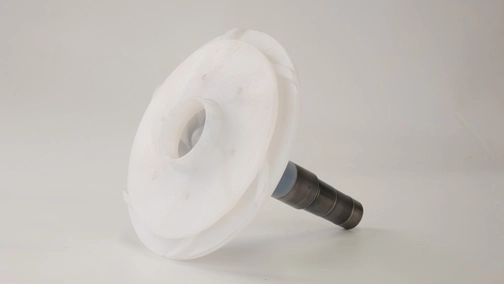
Polypropylene (PP) and Ultra-High-Molecular-Weight Polyethylene (UHMWPE) are widely used for hydrochloric acid and abrasive slurries, but they are incompatible with concentrated nitric acid. Nitric acid oxidizes the hydrocarbon backbone of polyolefins, turning rigid casings and impellers brittle. For non-metallic corrosion immunity across all concentrations, specify PTFE or PFA linings. Our fluoroplastic pump materials comparison details the permeation and thermal differences between PTFE, FEP, and PFA.
Bearing and Elastomer Constraints in Strong Oxidizers
Internal trim selection is where many nitric acid pump specifications fail in the field, even when the casing material is correct.
Why Carbon-Graphite Bearings Fail in Concentrated HNO3
In standard magnetic drive pumps and mechanical seals, carbon-graphite is a common bearing and seal-face material. However, concentrated nitric acid (typically above 50–65%) oxidizes carbon-graphite, causing rapid blistering, structural softening, and accelerated wear. In fuming nitric acid, carbon-graphite can react exothermically. For concentrated nitric acid pumps, specify sintered Alpha Silicon Carbide (SiC vs. SiC) for both internal sleeve bearings and mechanical seal faces. SiC remains chemically inert to oxidizing acids and withstands low-lubricity fluid conditions.
Elastomer Compatibility: Excluding EPDM and Nitrile
Standard EPDM and Nitrile (NBR) O-rings degrade rapidly in nitric acid and pose a safety hazard in fuming grades. Fluorocarbon (FKM) tolerates dilute to 65% aqueous nitric acid at ambient temperatures, but swells in hot or fuming acid. For concentrations exceeding 68% or temperatures above 60°C, specify perfluoroelastomer (FFKM) or solid PTFE gaskets to maintain static and secondary seal integrity.
Pump Architectures for Nitric Acid Service
Fluoroplastic-Lined Magnetic Drive Pumps
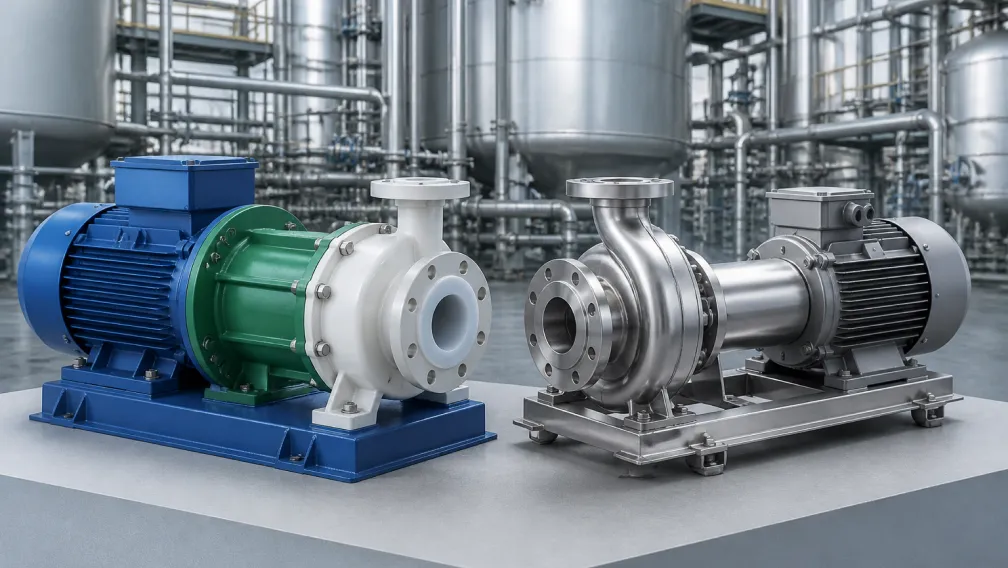
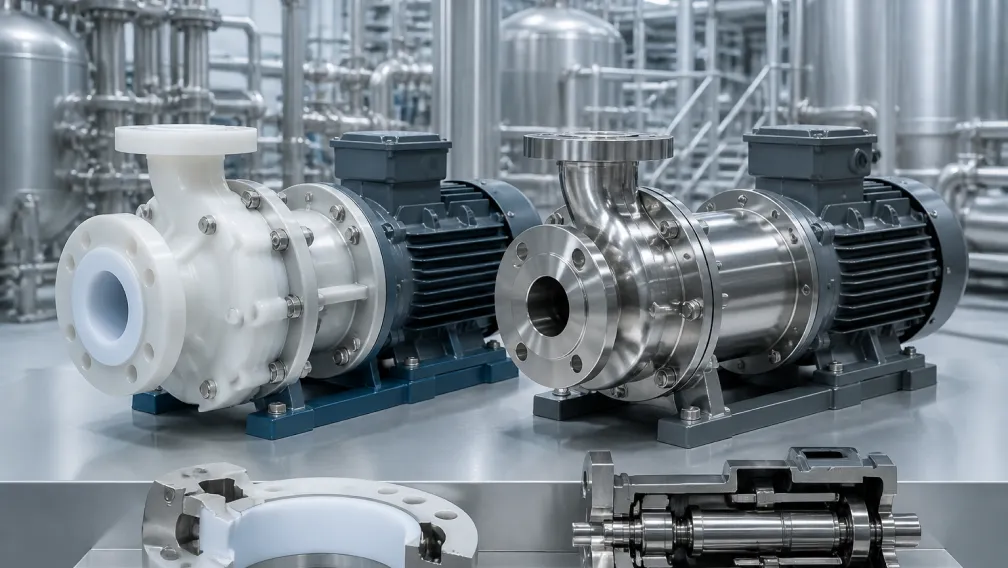
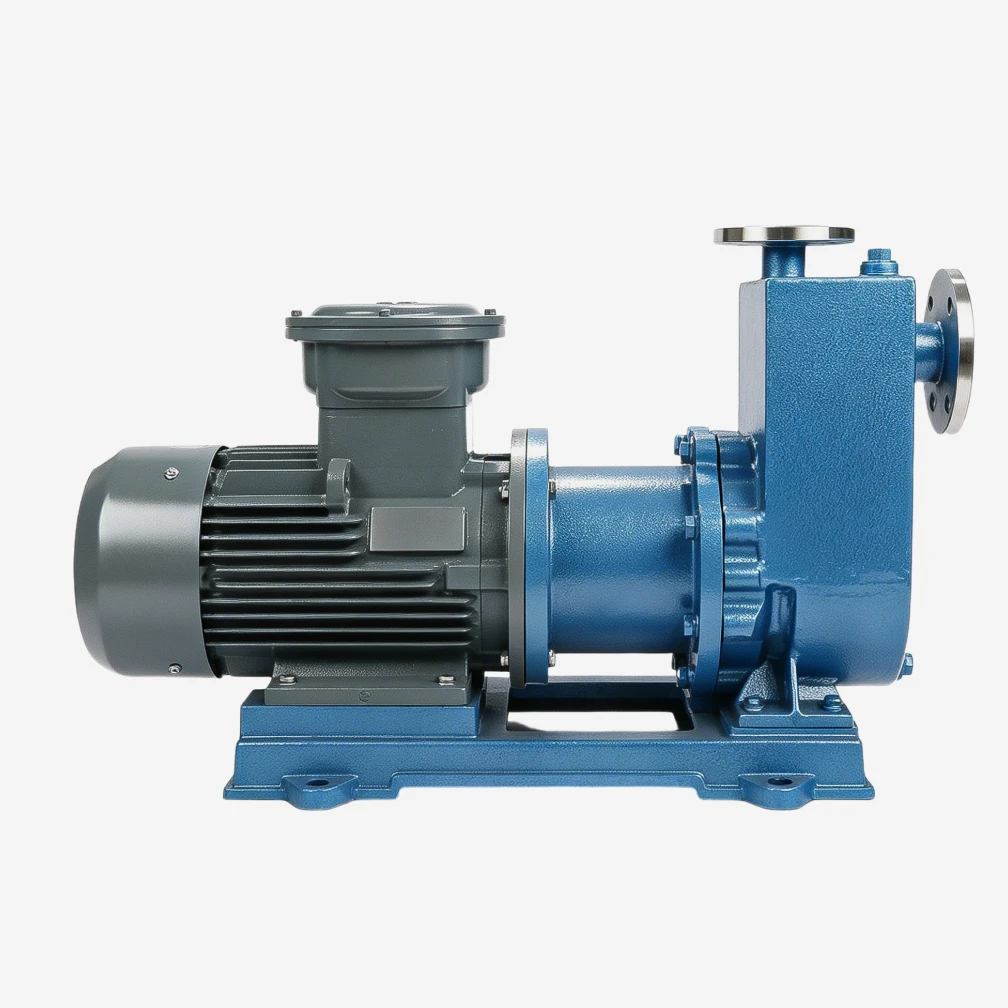
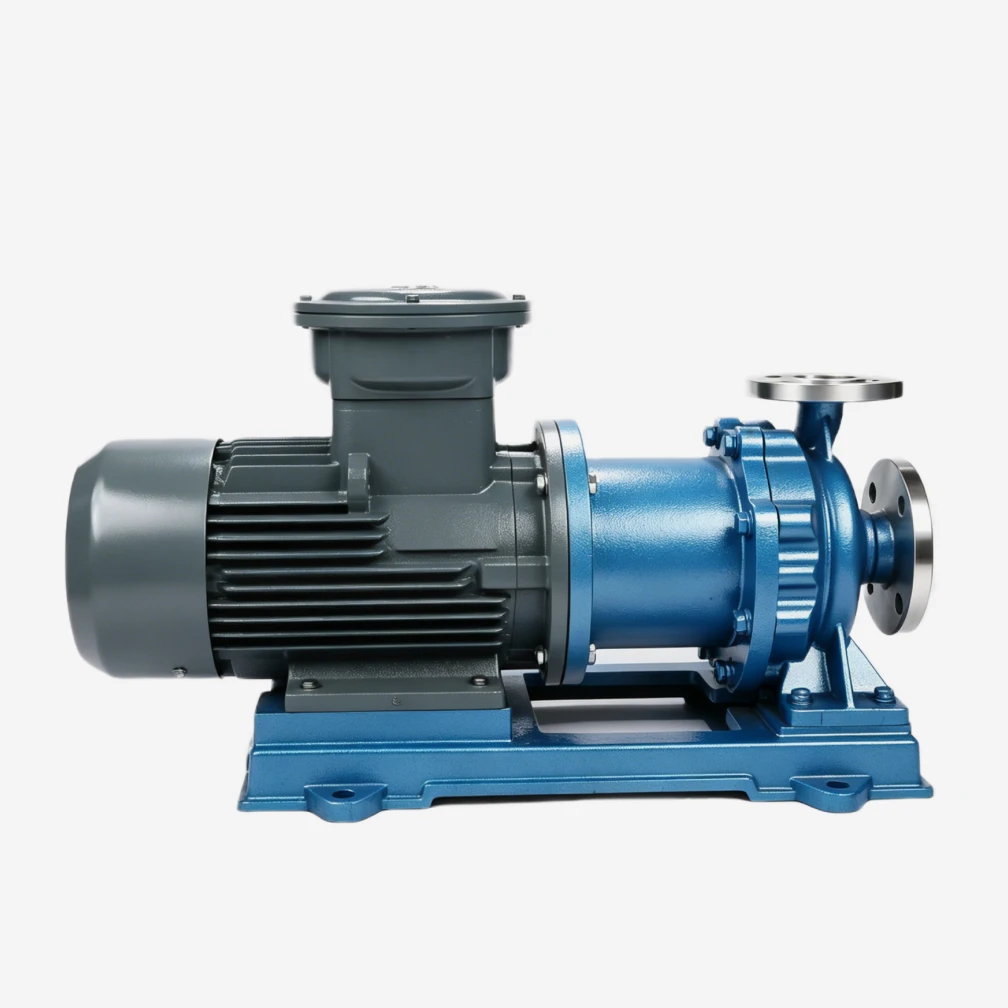
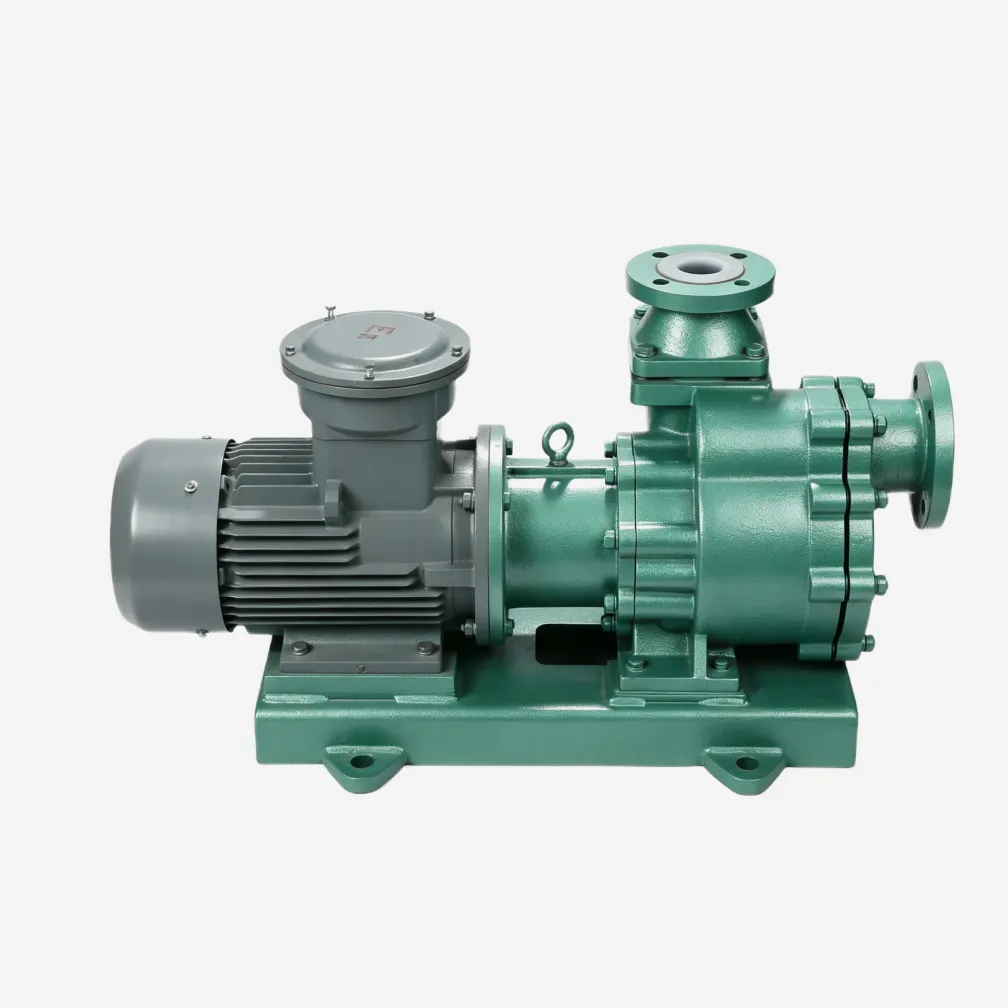
For fuming nitric acid, high-purity electronics-grade HNO3, and hot concentrated duties, a CQB fluoroplastic-lined magnetic drive pump provides complete hermetic containment. Removing the dynamic shaft seal eliminates NOx vapor emissions and prevents acid contact with metallic drive components. Where suction lift or tanker unloading is required, a ZMD fluoroplastic magnetic self-priming pump combines sealless containment with dry-line evacuation. Explore our full magnetic drive pump range and zero-leakage process pump solutions for toxic transfer layouts.
Stainless Steel Magnetic Drive and Centrifugal Pumps
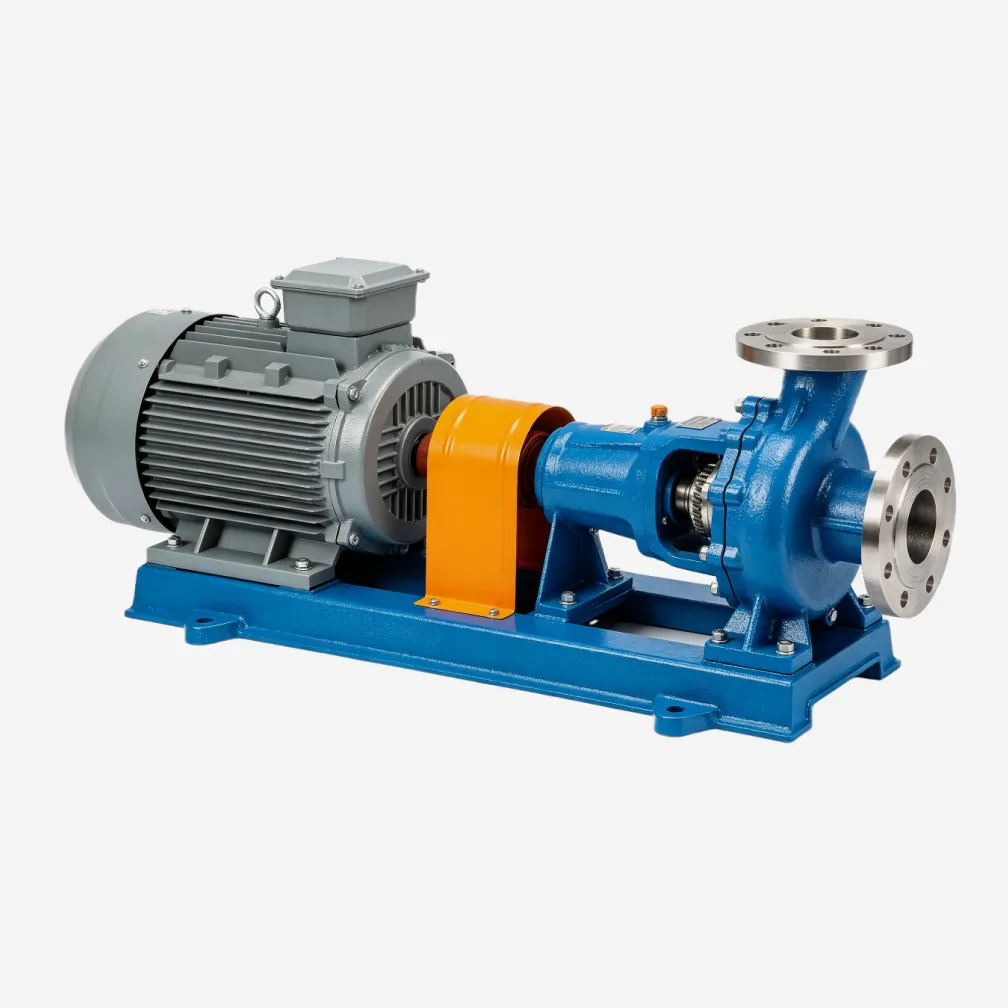
For clean aqueous nitric acid up to 65–68% at moderate temperatures (below 60°C), metallic pumps offer high mechanical rigidity and lower thermal sensitivity. A CQL stainless steel magnetic drive pump delivers zero-leakage transfer for volatile or indoor installations, while an IH stainless steel centrifugal pump handles higher flow rates where mechanical sealing is permitted by site safety standards.
Lined Centrifugal Pumps with Dual Mechanical Seals
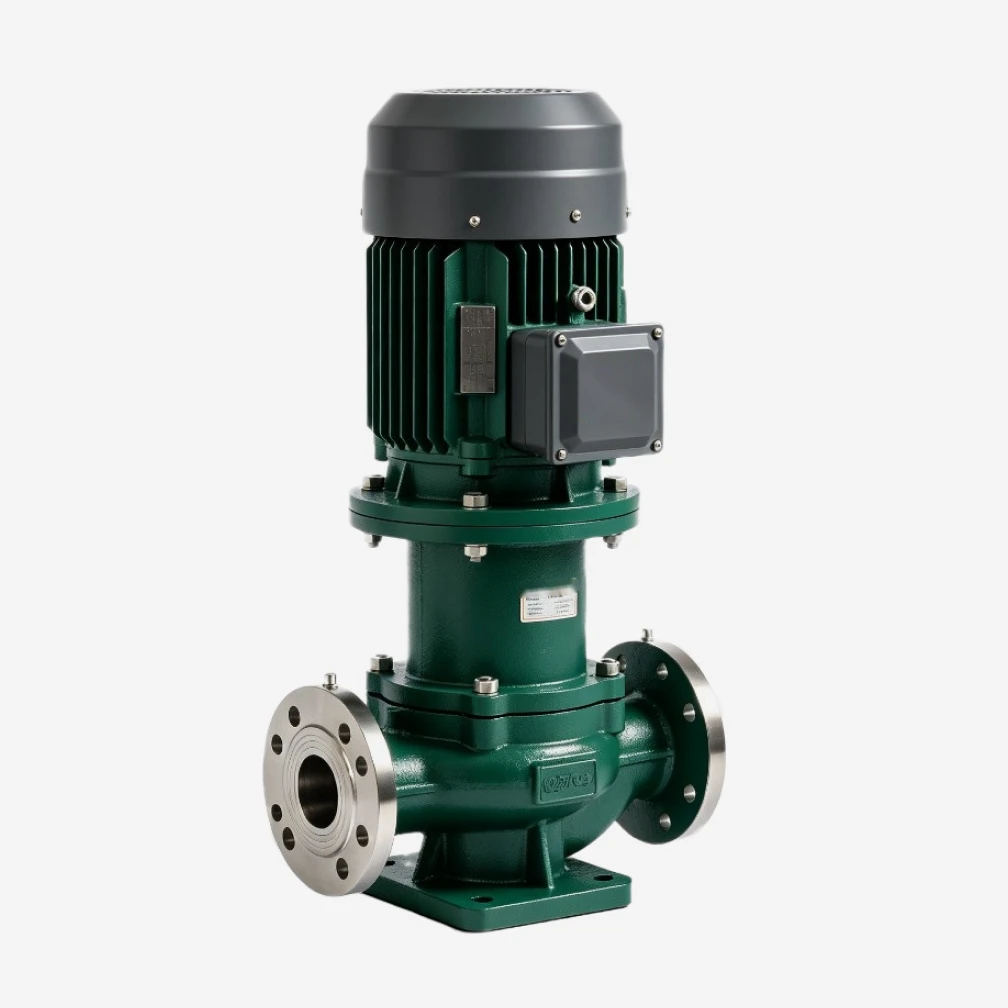
When process hydraulics exceed magnetic drive power limits or trace solids are present (such as in stainless steel pickling baths containing mixed nitric-hydrofluoric acid), an IHF fluoroplastic-lined centrifugal pump fitted with a double back-to-back mechanical seal (API Plan 52/53A) is the proven configuration. Ensure the pressurized barrier fluid is chemically inert and non-reactive with nitric acid—never use standard hydrocarbon oils as barrier fluids, as contact with concentrated HNO3 can trigger violent oxidation.
System Safety, Venting, and NOx Containment
- Scrubber-connected venting: Route all pump casing vents, drain headers, and tank breathing lines to an alkaline scrubber to neutralize toxic NOx fumes.
- Eliminate organic lubricants near wetted zones: Keep hydrocarbon greases, petroleum-based barrier fluids, and organic thread sealants away from concentrated nitric acid; use only fluorinated (PFPE) lubricants and pure PTFE tape.
- NPSH margin for fuming grades: Calculate NPSH available using the actual vapor pressure of concentrated HNO3 at maximum operating temperature, as NO2 off-gassing can induce cavitation and vapor locking.
- Dry-run protection: Magnetic drive pumps with SiC bearings must be protected by motor power monitors or inline flow switches to trigger instant shutdown upon suction loss.
Selection Checklist: What to Specify
Compile complete process parameters using our chemical pump duty data sheet before requesting a quote. For nitric acid specifically, confirm:
- Exact HNO3 concentration (dilute, 68% azeotropic, or >90% fuming) and presence of co-acids such as HF or H2SO4.
- Normal and maximum operating temperatures, plus specific gravity at pumping temperature.
- Required flow rate, total dynamic head, and minimum continuous flow.
- Bearing and seal-face confirmation: SiC vs. SiC required for concentrated grades (no carbon-graphite).
- Elastomer and barrier fluid specification: FFKM/PTFE seals and non-reactive barrier fluids.
- Site emission standard: sealless magnetic drive or dual mechanical seal with scrubber venting.
Conclusion
Nitric acid pump selection centers on respecting its strong oxidizing nature. While 304L stainless steel serves moderate aqueous duties reliably, concentrated, hot, and fuming grades require PTFE or PFA linings, SiC-to-SiC bearing systems, FFKM/PTFE elastomers, and hermetic magnetic drive containment to prevent NOx emissions and catastrophic material degradation. Contact our engineering team with your concentration, temperature profile, and hydraulic duty point for a verified nitric acid pump specification.
-

YFTEL Pumps
Fluid Engineers & Technical Support, YFTEL Pump
YFTEL is a chemical pump manufacturer based in Hangzhou, China, with a 26,000 m² production base in Hangzhou, China, with a 26,000 m² production base in Anhui. Using the CAS-patented Fluoroplastic Alloy material, we produce 300+ models of corrosion-resistant pumps, valves and piping, exported to 30+ countries.