
 English

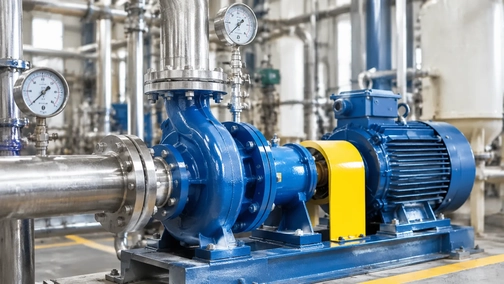
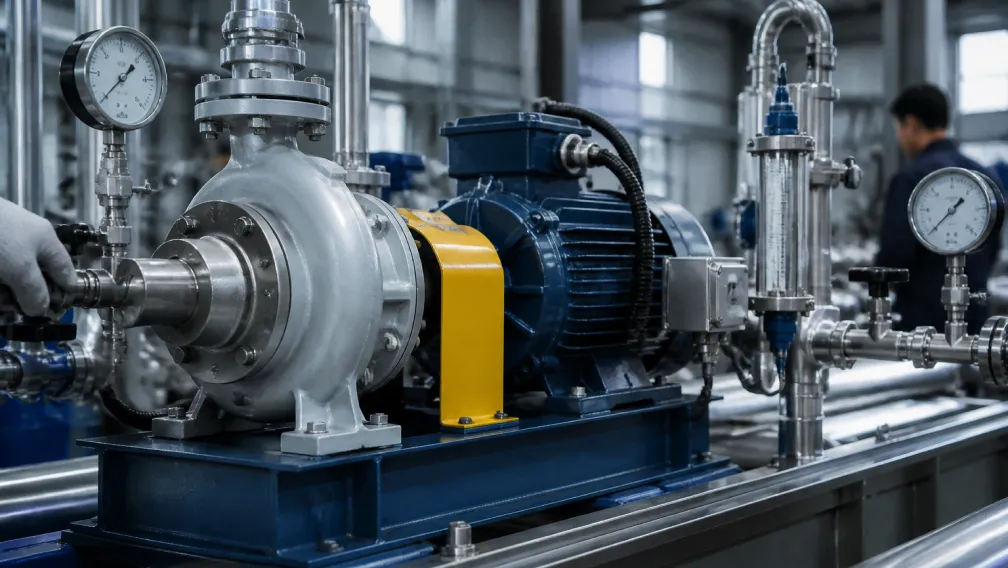
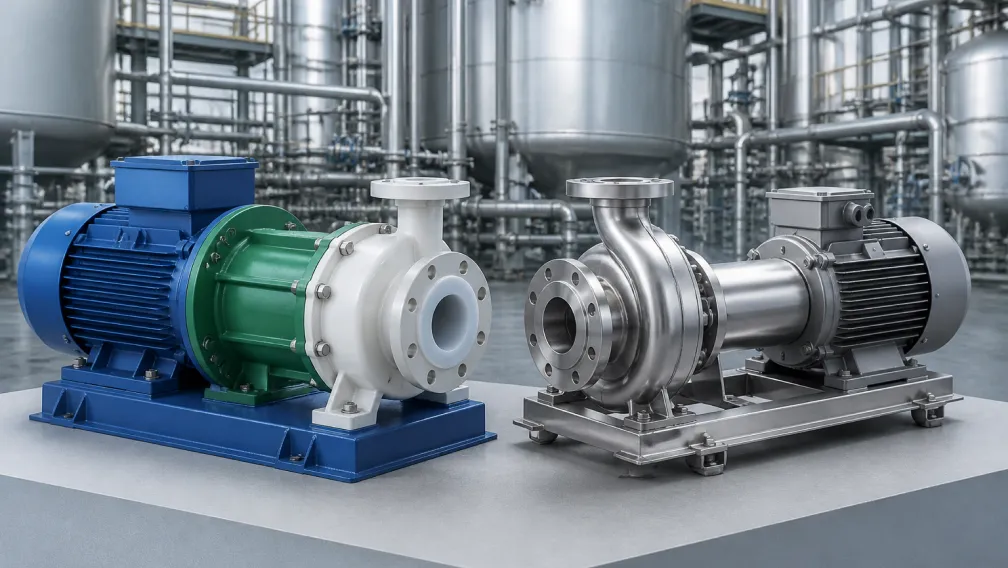
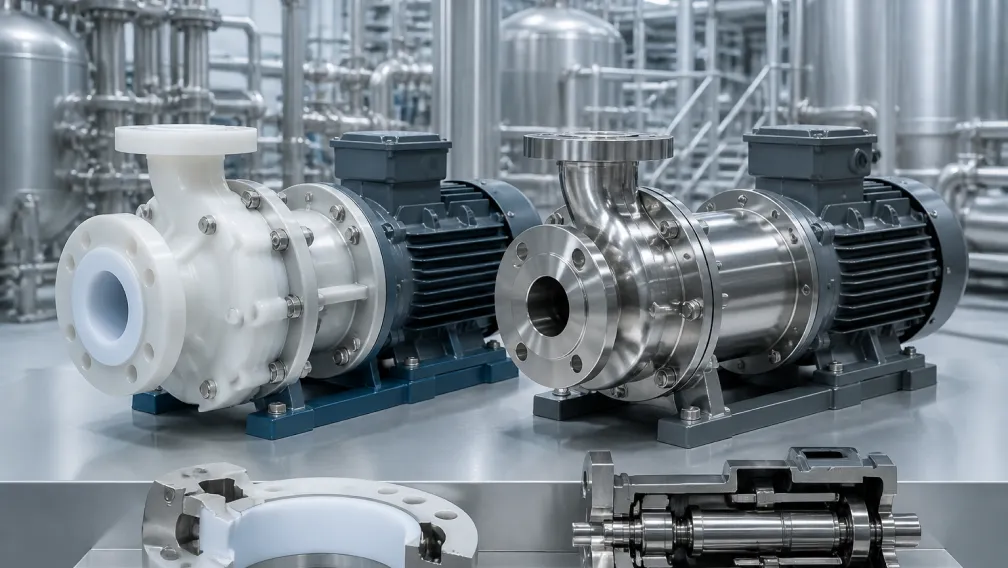
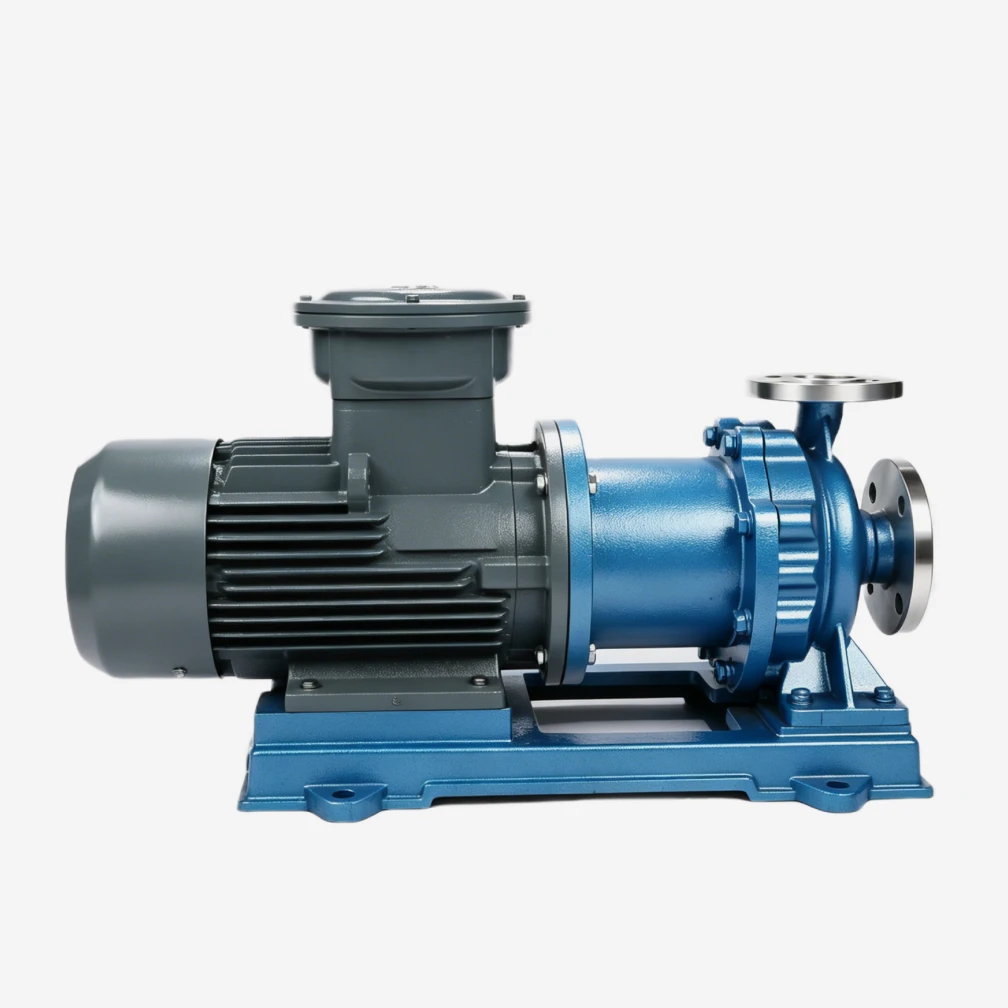
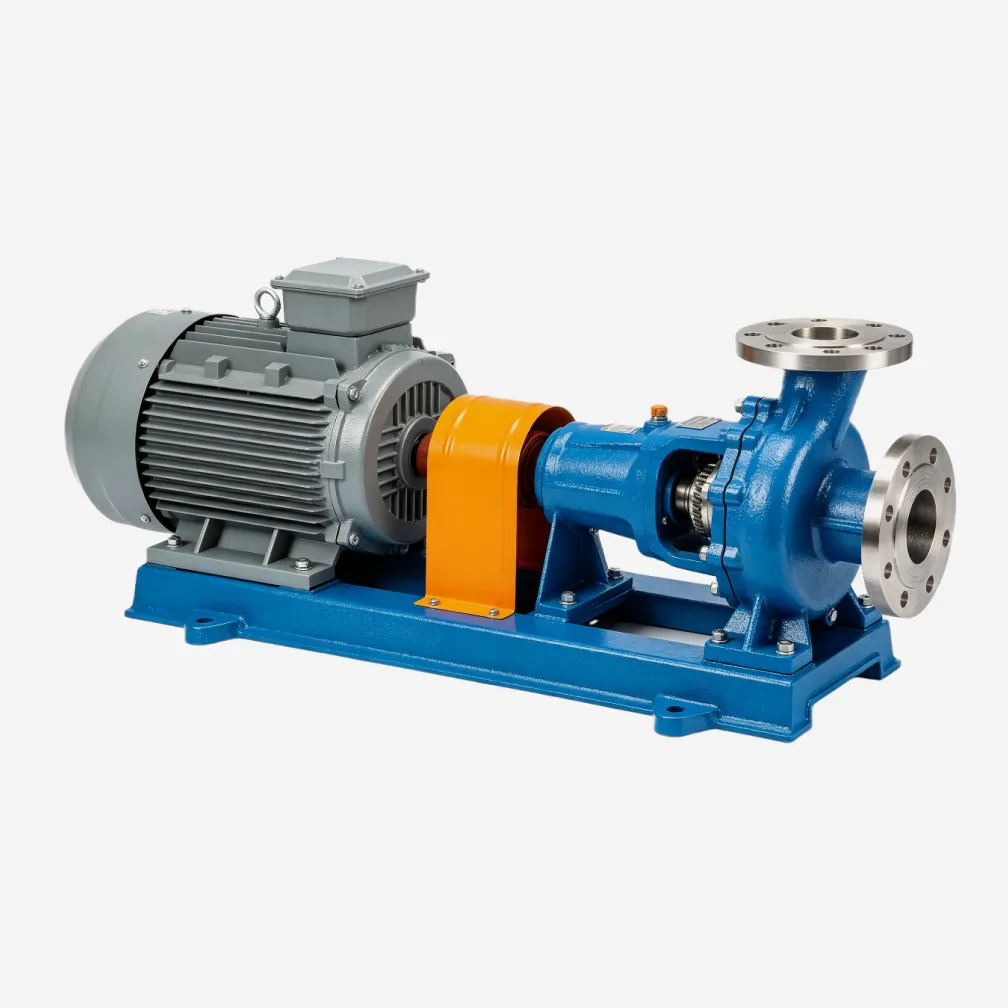
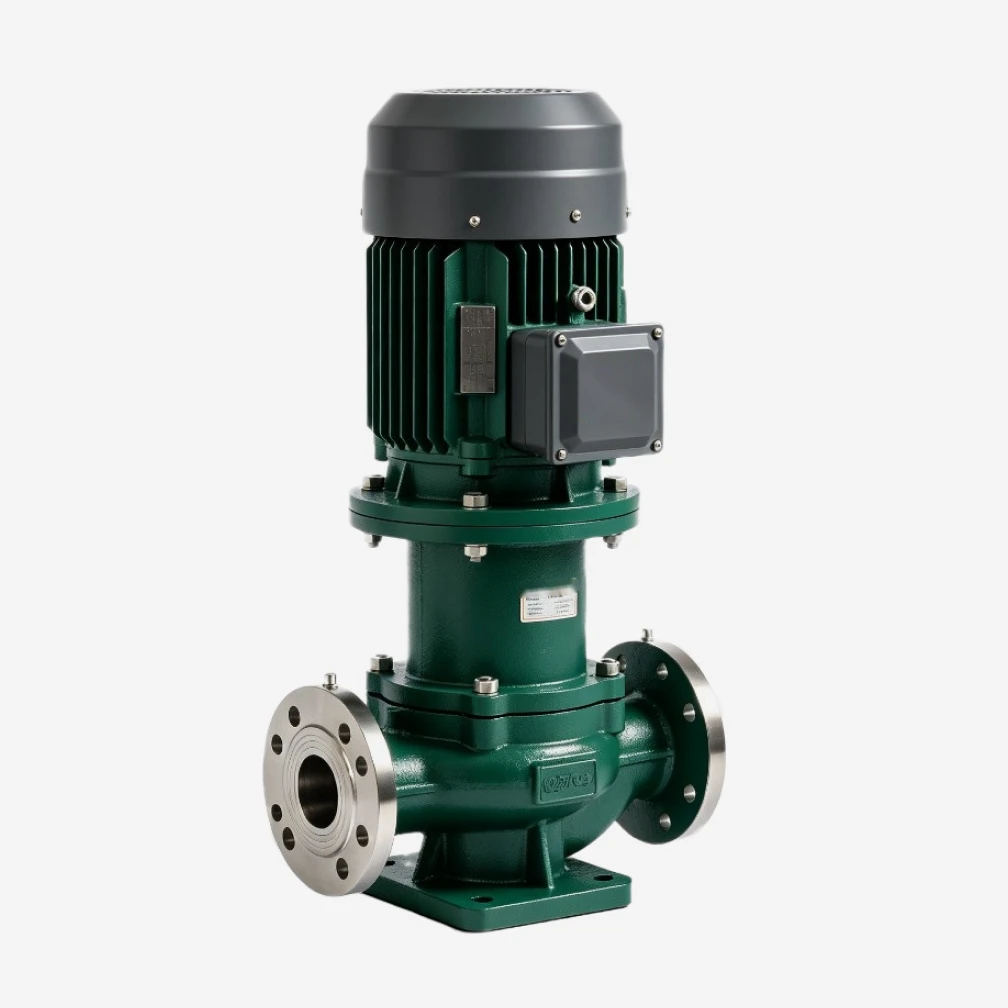
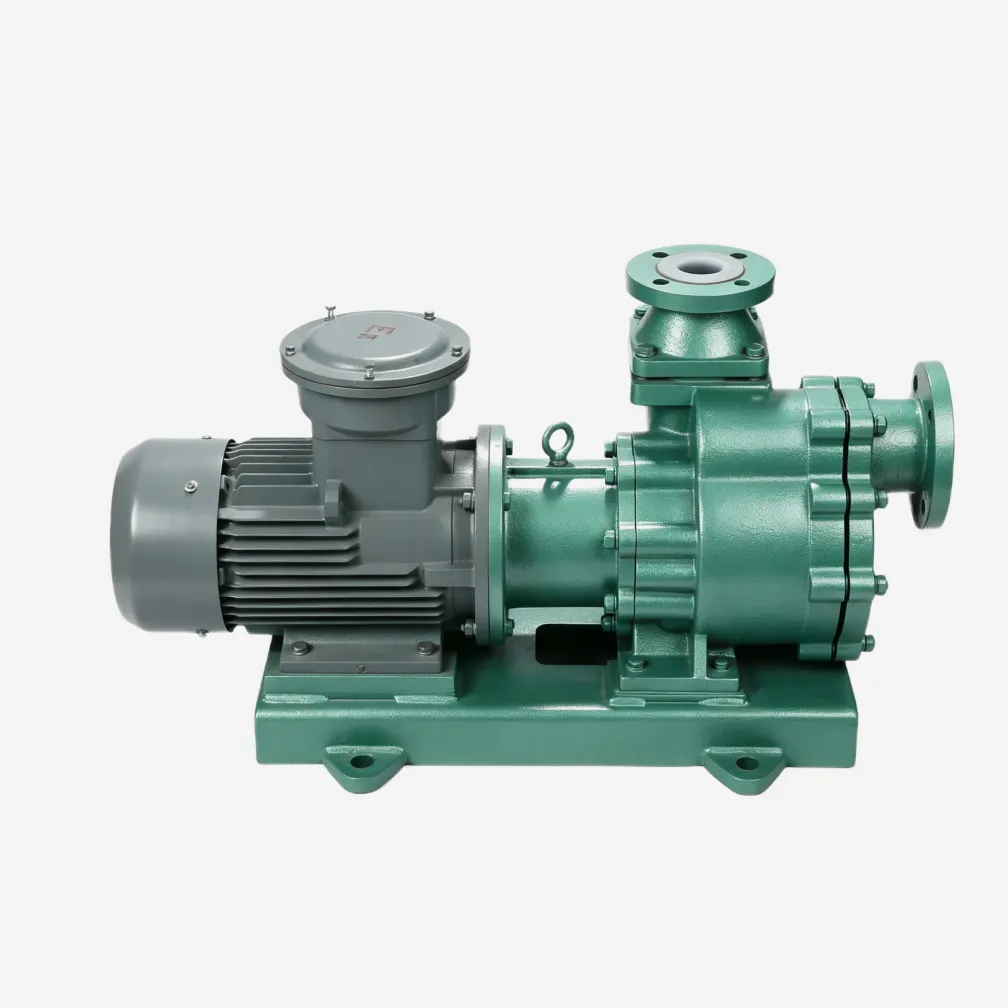
Applicable Models: YFLK (Yftel) fluorine-lined chemical centrifugal pumps and stainless steel chemical centrifugal pumps. Designed for conveying highly corrosive media including acids, alkalis, salts and oxidants. Widely used in chemical, fine chemical, electroplating, hazardous wastewater treatment, pharmaceutical intermediate and other corrosive service conditions.
Note: For corrosive working scenarios, fluorine-lined and stainless steel chemical pumps have far narrower safety margins than clean water pumps. Cavitation, air binding and dry run may not only cause reduced flow and unstable pressure, but also easily lead to lining blistering & peeling, mechanical seal damage, impeller perforation and hazardous media leakage, which may trigger serious safety incidents. Many field engineers tend to confuse these three faults. Although they share similar symptoms such as failure to deliver liquid, their failure mechanisms, damaged components, troubleshooting and corrective actions are totally different.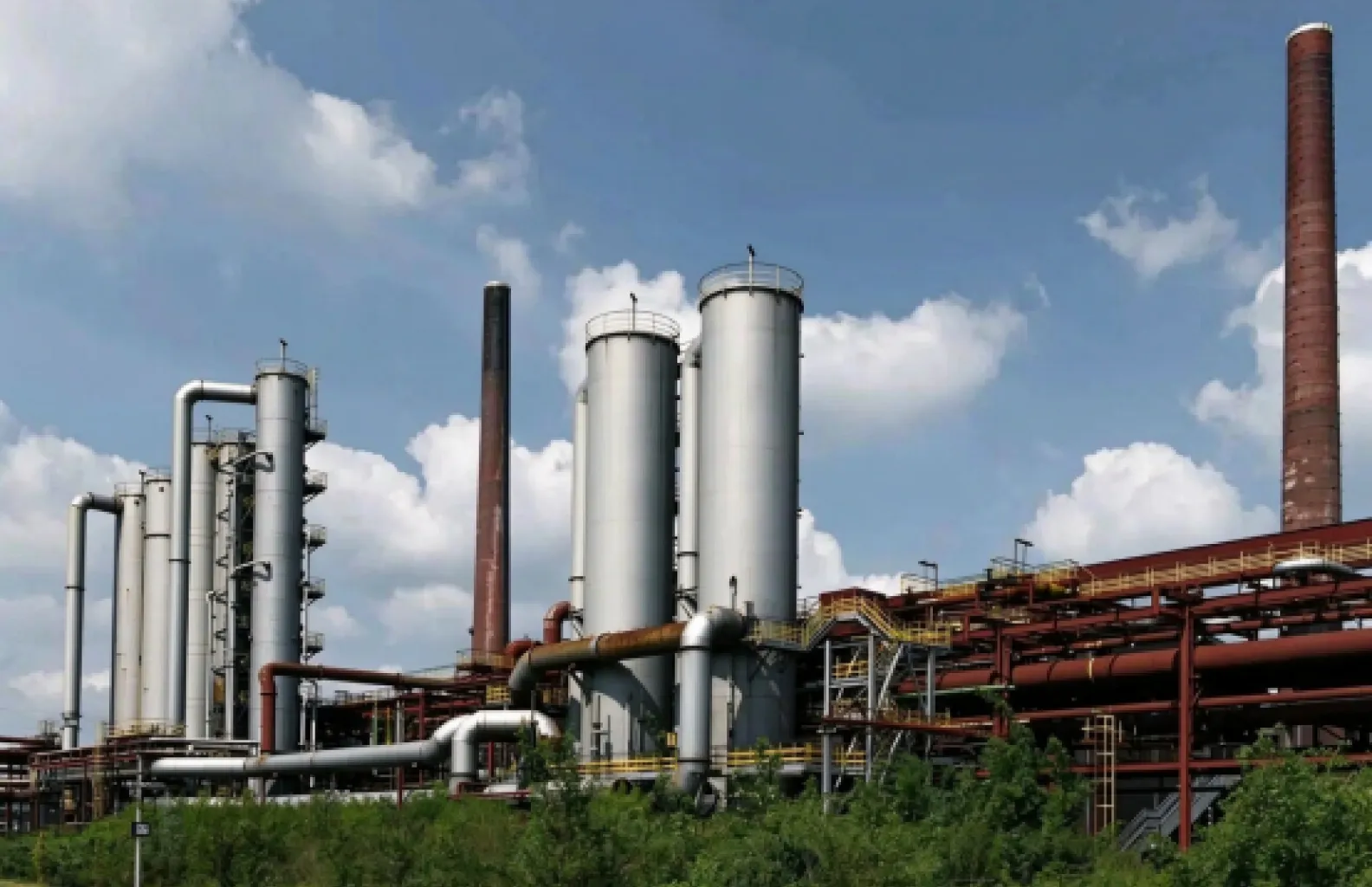
A pump failing to discharge liquid does not always mean dry run; cavitation can also occur even when the pump cavity is filled with corrosive media. When troubleshooting YFLK chemical pumps on site, cavitation, air binding and dry run are frequently mixed up. All three faults may result in flow drop, fluctuating discharge pressure, increased vibration and temperature rise, yet their underlying mechanisms differ:
- Cavitation: Liquid vaporizes in low-pressure zones
- Air binding: Gas accumulates inside the pump and piping and breaks continuous liquid delivery
- Dry run: Pump operates continuously with little or no process liquid
Similar in appearance, they require totally different troubleshooting priorities. For fluorine-lined and stainless steel chemical pumps handling corrosive fluids, misjudgement will cause irreversible equipment damage and safety risks.
1. Cavitation: Vaporization in Low-pressure Zones, Bubbles Generated from Process Liquid
Cavitation usually occurs near the suction inlet of chemical centrifugal pumps. As the impeller rotates, pressure drops at the suction side. When the pressure falls below the saturated vapor pressure of the liquid at operating temperature, the corrosive liquid partially vaporizes and forms numerous tiny vapor bubbles. These bubbles travel with the fluid to the high-pressure zone of the impeller and collapse instantly, generating high-frequency impact force.
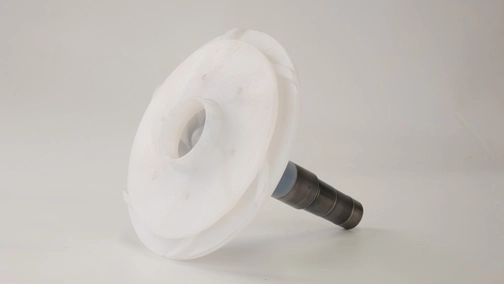
Long-term cavitation creates pits on the impeller inlet and blade surfaces. In severe cases, honeycomb erosion can be observed. For fluorine-lined pumps, continuous impact may crack, delaminate or blister the fluoroplastic lining, allowing corrosive media to penetrate the pump substrate and cause permanent pump failure.
Typical field signs: Liquid keeps flowing through the pump, and the pump can still deliver media but operates abnormally. The noise sounds like sand hitting the internal parts, with continuous crackling and rustling sound. Vibration rises obviously, while flow rate and head fluctuate and decline.
Troubleshooting checklist: Low liquid level in the feed tank, suction valve not fully opened, clogged suction strainer, excessively long suction piping / excessive elbows, high media temperature, or the pump running at excessive flow away from the rated operating point.
Core engineering check: Compare the available net positive suction head (NPSHa) and required net positive suction head (NPSHr). Insufficient NPSHa is the primary cause of cavitation in chemical pumps.
In short: Corrosive liquid is present inside the pump; vapor bubbles form from liquid vaporization, and bubble collapse damages wetted parts including lining and impeller.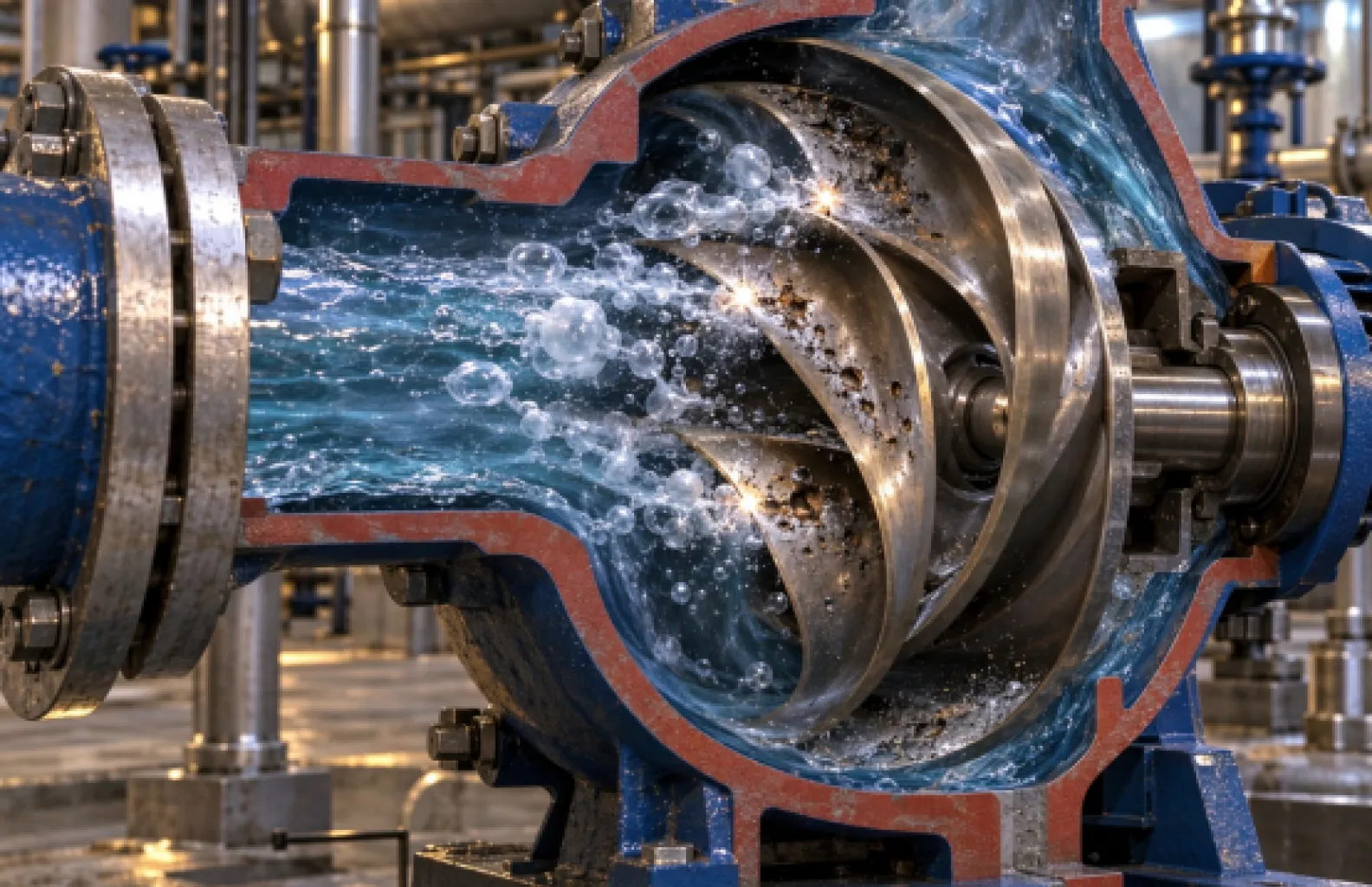
2. Air Binding: Gas Trapped Inside the Pump, Blocking Liquid Delivery
Air binding is not equivalent to cavitation. For chemical pumps, it mostly happens during pump start-up. A large volume of gas (air leaking from outside or gas separated out from process media) accumulates inside the pump casing and suction piping. Gas has much lower density than liquid media such as acid and alkali. When the impeller rotates, it cannot build sufficient differential pressure to convey corrosive media continuously.
Typical symptoms: The motor runs normally, discharge pressure cannot be built up, and almost no flow is obtained. After stopping the pump, venting and re-priming, the pump can deliver liquid normally after restart.
Common causes: Failure to fully prime the pump before start-up, trapped gas at high points of pump casing, air leakage at flanges or joints of suction piping, liquid backflow after pump shutdown, failed check valve, air pockets formed by improper piping layout, and gas precipitation from oxidizing or decomposable media during operation.
Key distinction: The gas in air binding comes from external leakage or media desorption; vapor bubbles in cavitation are generated by liquid vaporization under low pressure. Air binding occurs more frequently in fine chemical and pharmaceutical intermediate processes where media tend to release gas.
In short: Gas is trapped inside the pump cavity, liquid cannot enter, and the pump is "bound" by gas and fails to build pressure and flow.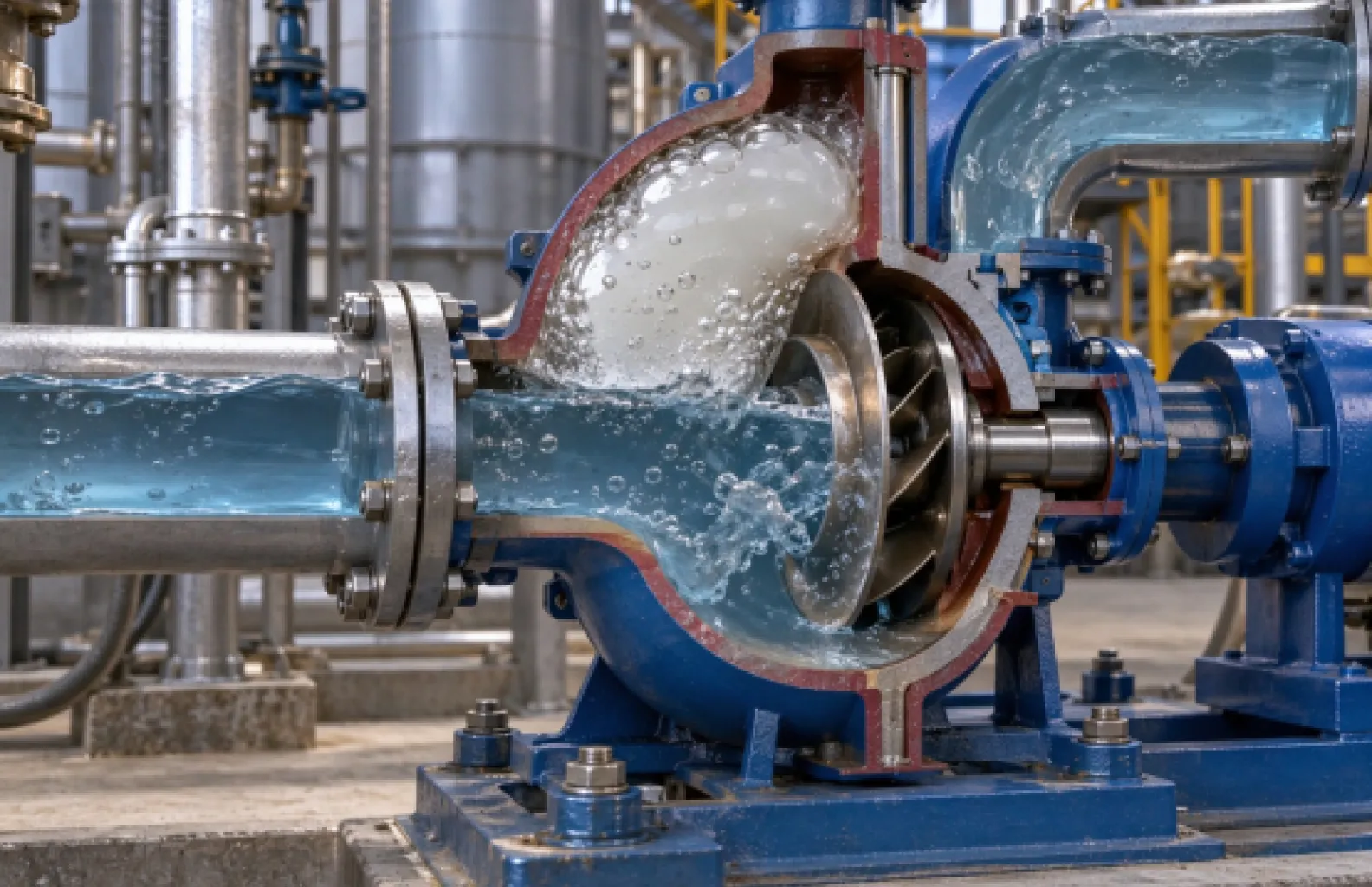
3. Dry Run: Operation Without Liquid, No Media for Lubrication & Cooling
Dry run means the pump keeps running while no sufficient corrosive media enters the pump cavity.
Common scenarios: Feed tank runs empty, liquid level interlock fails, suction valve is accidentally closed, suction piping loses liquid supply, foot valve fails and all liquid inside the pump flows back.
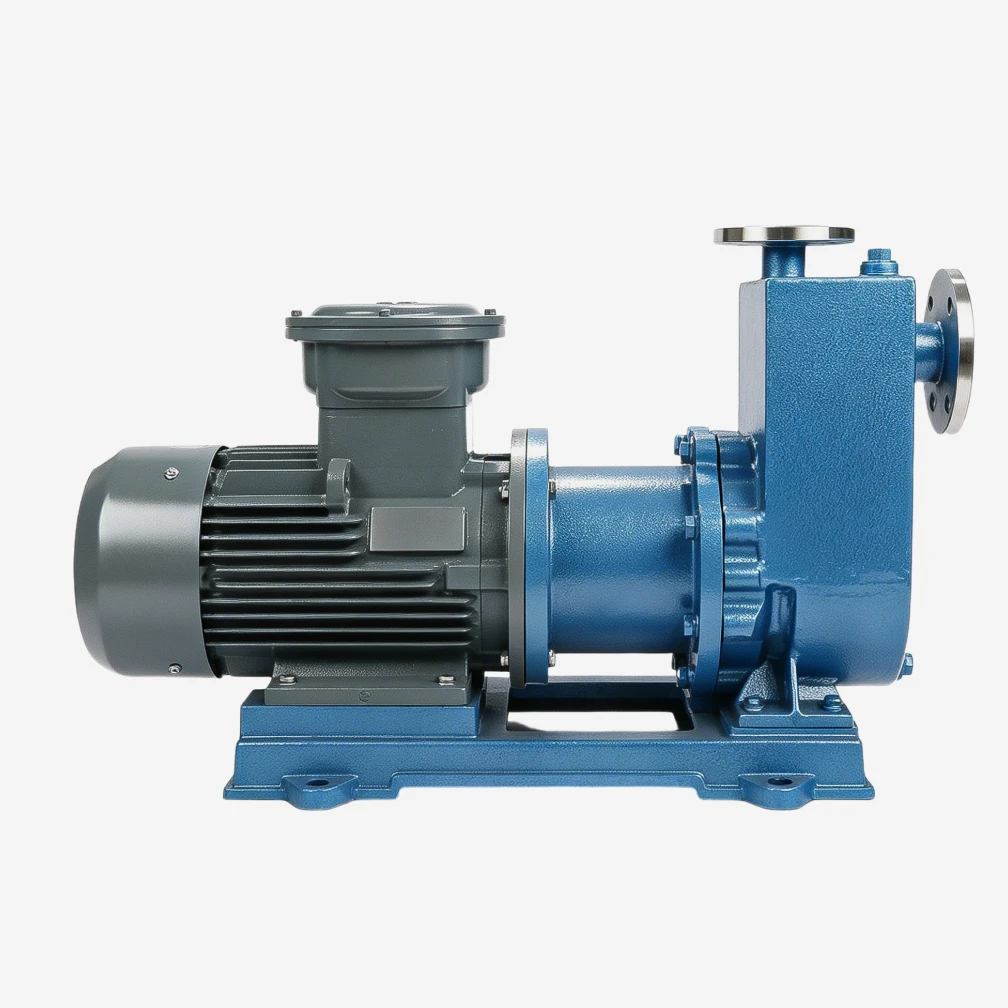
For fluorine-lined and stainless steel chemical centrifugal pumps: Dry run is a high-risk operating condition. The faces of the mechanical seal rely on process media for lubrication and heat removal. Once liquid supply is lost, seal faces heat up rapidly. Within a short time, seal rings and rubber O-rings will burn out; fluoroplastic lining may soften, blister or melt; shaft sleeves and sliding bearings wear out quickly without cooling and lubrication from media. For the matching magnetic drive chemical pumps in our product line, dry run may also cause deformation of the containment shell and demagnetization of magnetic components.
Typical field signs: Zero discharge flow, rapid temperature rise on pump casing and seal chamber, low motor load, and leakage or abnormal noise after a period of operation.
Note: Current reading is only for auxiliary judgement. Current variation differs greatly for different pump models and media. Low current alone cannot confirm dry run.
In short: No liquid remains inside the pump; the pump runs dry and grinds internally. Mechanical seals, lining and shaft sleeves that rely on media cooling and lubrication are the first to fail.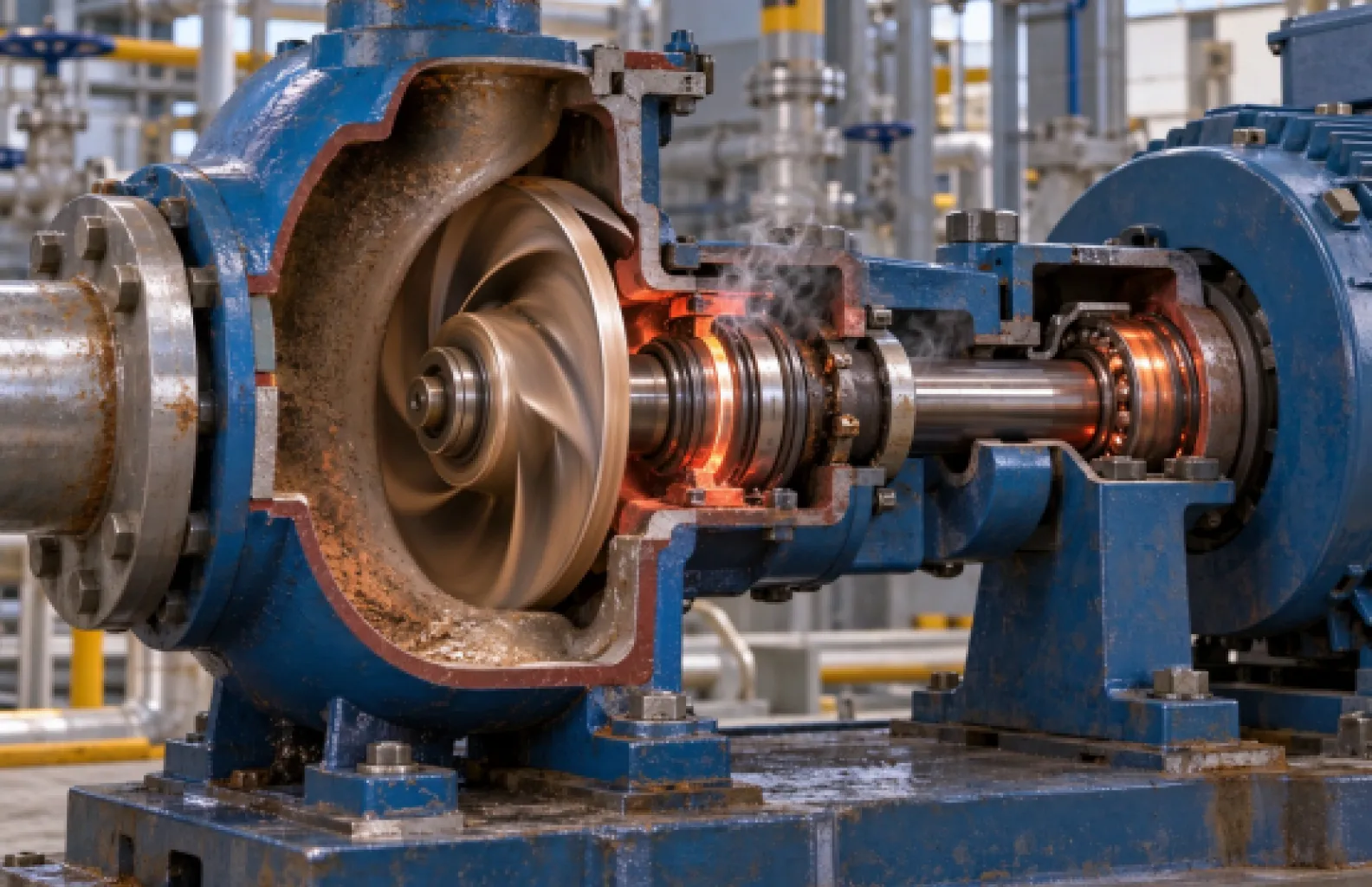
4. Quick On-site Distinction for Corrosive Service
- The pump keeps receiving liquid, with strong impact noise and excessive vibration → Prioritize cavitation check
- No flow and pressure after start-up, and normal operation restored after venting and priming → Likely air binding
- Liquid supply is cut off at suction side, pump keeps running and seal area heats up fast → Emergency shutdown required for dry run
Three quick self-check questions for site:
- Is there still corrosive media inside the pump?
- Is there stable flow and pressure at discharge?
- Is the gas from external leakage / media desorption, or vaporized from liquid under low pressure?
Combined judgement of these three questions helps separate the three faults, and prevents lining damage of fluorine-lined pumps and hazardous corrosive leakage caused by misdiagnosis.
5. Targeted Solutions & Preventive Measures
Cavitation control (Optimize suction conditions and increase NPSHa)
Clean the suction strainer and confirm the suction valve is fully open. Shorten suction piping, reduce elbows and properly upsize the suction pipe. Raise the liquid level of the feed tank and lower media temperature. Recheck pump selection and avoid long-term operation at excessive flow.
Reference technical article: Key Points for Proper Suction Piping Design of Chemical Centrifugal Pumps
Air binding control (Remove trapped gas and seal leakage points)
Inspect flanges, joints and sealing surfaces of suction piping regularly to stop air ingress on the negative pressure side. Fully prime and vent the pump before start-up. Install air vents at high points of piping. Optimize piping layout to avoid air pockets when handling gas-releasing media.
Dry run control (Install loss-of-liquid protection interlock)
Adopt interlock protection based on liquid level, flow, pressure or current signals. Dry-run protection is preferred for automatic shutdown once liquid supply is lost. Manual supervision is not reliable for dry-run prevention. For fluorine-lined chemical pumps, dry commissioning without media is strictly forbidden in operation specifications.
6. Summary
- Cavitation: Liquid exists, liquid vaporizes under low pressure. Main damage: impeller and fluorine lining
- Air binding: Gas accumulates, liquid cannot enter the pump. Main symptom: no flow after start-up
- Dry run: No liquid inside, pump runs dry. Main damage: mechanical seal, lining and shaft sleeve
In corrosive chemical service, process media are hazardous. When your pump cannot deliver liquid, generates abnormal noise or vibration, do not simply attribute the issue to "gas ingress". Check liquid supply at suction side, discharge pressure & flow, and noise type before troubleshooting. This reduces spare part cost and avoids safety risks from acid, alkali and oxidant leakage.
YFLK (Yftel) fluorine-lined and stainless steel chemical centrifugal pumps are optimized on hydraulic structure and sealing design for heavy corrosive conditions. We provide complete technical support on suction piping selection and fault diagnosis, delivering stable fluid transfer solutions for chemical, fine chemical, electroplating, hazardous waste treatment and pharmaceutical intermediate projects.
7. FAQ
Q1: Can I just replace the impeller if cavitation occurs on a fluorine-lined chemical pump?
A1: Replacing only the impeller is not recommended. Besides impeller damage, fluoroplastic lining may have invisible microcracks and blisters. You must recheck NPSHa and suction piping design to eliminate the root cause of cavitation, otherwise the new impeller will be damaged again quickly.
Q2: Does air binding only happen at pump start-up? Can it appear during running?
A2: It is most common at start-up. For media that decompose or release gas easily (some oxidants, pharmaceutical intermediates), gas may separate out continuously during operation and accumulate gradually to trigger air binding with slow flow decay.
Q3: Can YFLK fluorine-lined chemical pumps tolerate short-time dry run?
A3: No. Fluorine lining and mechanical seals rely on media for cooling and lubrication. Even short dry run will soften lining and burn seal faces. Dry run is strictly prohibited. Dry-run interlock protection is mandatory.
Q4: How to distinguish noise between cavitation and dry run?
A4: Cavitation produces continuous crackling and sand-like impact noise. Dry run usually creates sharp dry-friction noise accompanied by rapid heating at the seal area, without bubble collapse impact sound.
Q5: For stainless steel chemical pumps handling media like hydrochloric acid and sodium hypochlorite, is cavitation as harmful as that in clean water service?
A5: Hazards are amplified under corrosive conditions. The combined effect of bubble impact and electrochemical corrosion accelerates pitting and perforation, leading to much faster damage than clean water applications.
-

YFTEL Pumps
Fluid Engineers & Technical Support, YFTEL Pump
YFTEL is a chemical pump manufacturer based in Hangzhou, China, with a 26,000 m² production base in Hangzhou, China, with a 26,000 m² production base in Anhui. Using the CAS-patented Fluoroplastic Alloy material, we produce 300+ models of corrosion-resistant pumps, valves and piping, exported to 30+ countries.