
 English

Impeller Damage and Why It Is Never "Just a Welding Job"
The impeller is the hydraulic core of a chemical pump, directly determining flow rate, head, and operational stability. Under long-term exposure to corrosive fluids, solid particle abrasion, cavitation impact, and alternating vibration, impellers develop characteristic damage: eccentric wear, corrosion thinning, cavitation pitting, cracks, and deformation. Mainstream repair methods are hardfacing and patch welding, supplemented by wear-resistant coating and polymer bonding. Once damage exceeds the repairable threshold, proper troubleshooting dictates that the impeller must be replaced with a spare part.
What maintenance teams often underestimate is the coupling between impeller condition and seal performance. The balance quality, surface finish, and vibration level of a repaired impeller directly determine the service life of mechanical seals, packing seals, and static O-rings. For the same pump model, the appropriate seal arrangement and flush plan differ between a new impeller and a repaired one. This guide covers the two primary repair methods first, then breaks down repair procedures and matching seal solutions for five core chemical pump types.
The Two Primary Impeller Repair Methods
Hardfacing (for Eccentric Friction Wear)
Eccentric wear caused by friction between the impeller and mating components such as wear rings and shaft sleeves is the classic hardfacing case. Welding parameters must match the pump material guide specifics:
- Cast steel impellers: arc hardfacing with ordinary structural steel electrodes.
- Stainless steel impellers: arc hardfacing with grade-matched stainless steel electrodes.
- Cast iron impellers: oxy-acetylene hardfacing with cast iron rods, preheating to 650-750°C before welding and slow cooling afterward to prevent cracking.
- FRP or plastic impellers: wear damage is generally not repairable; direct spare-part replacement is required.
Patch Welding (for Corrosion Thinning, Defects, and Cracks)
Impellers may suffer wall thinning from acidic, alkaline, or saline erosion. Cast impellers can contain inherent blowholes and slag inclusions, and cracks or distortion develop under vibration and impact. Heavily damaged impellers carry no repair value and should be replaced. Where repair is justified, grind out cracks and loose corroded layers, verify defect depth by NDT, and weld with material-compliant procedures, restoring the original geometry as closely as possible. For cracks on non-metallic impellers, select an adhesive matched to the material and commission the pump only after full curing.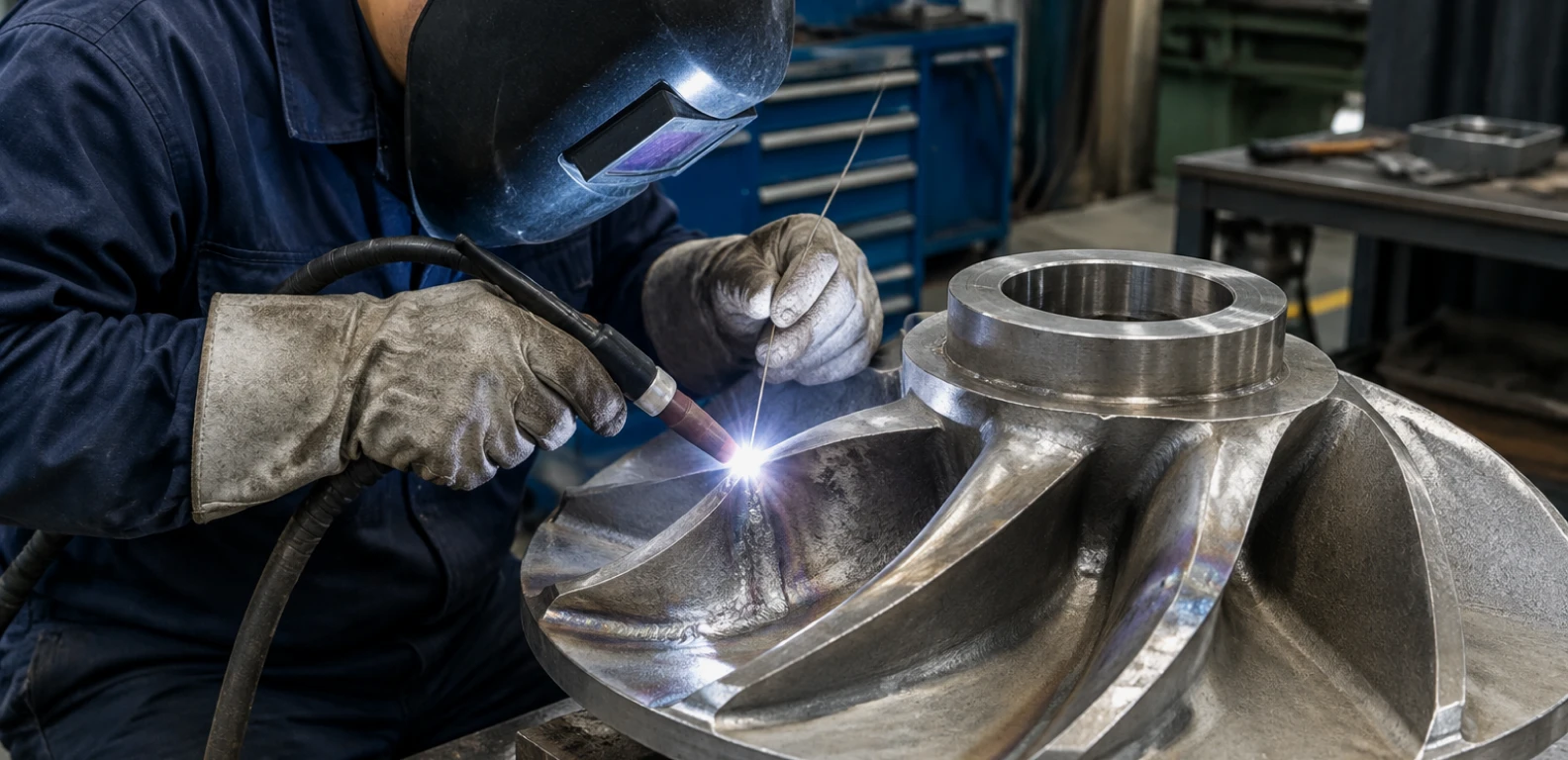
Mandatory requirement: every welded or coated impeller must pass dynamic balancing before reassembly. Persistent unbalanced vibration is the leading cause of premature mechanical seal failure after overhaul.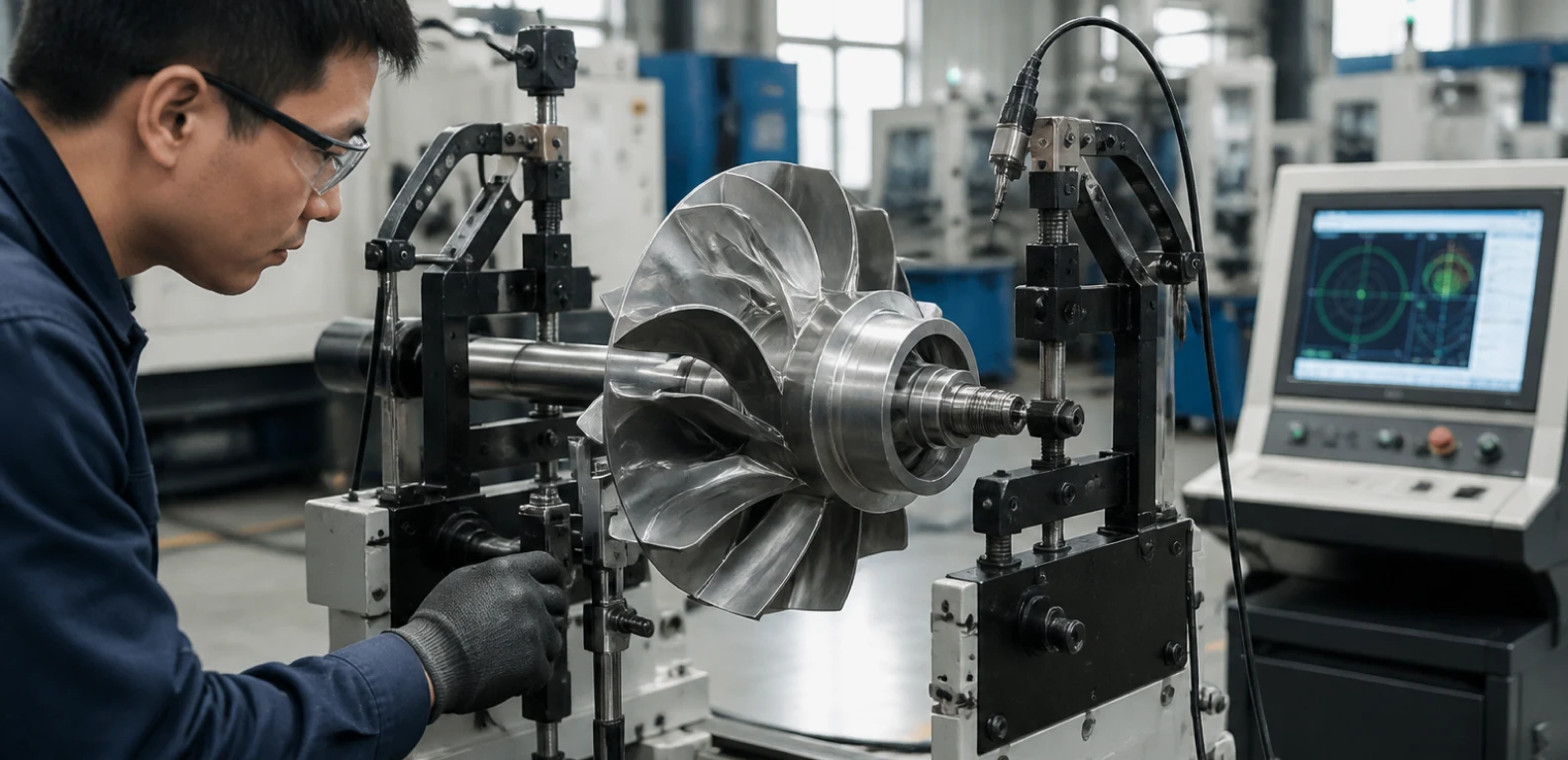
Repair Procedures and Matching Seals by Pump Type
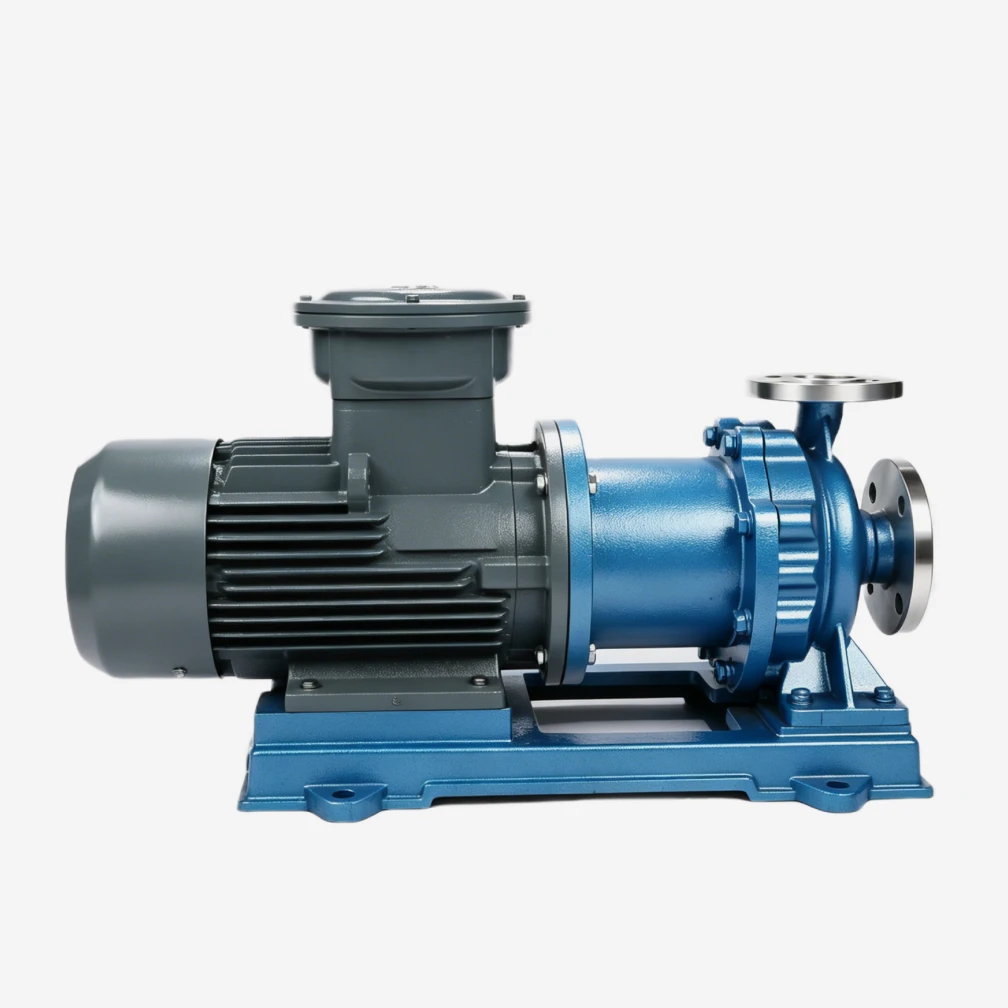
1. Magnetic Drive Pump (Sealless)
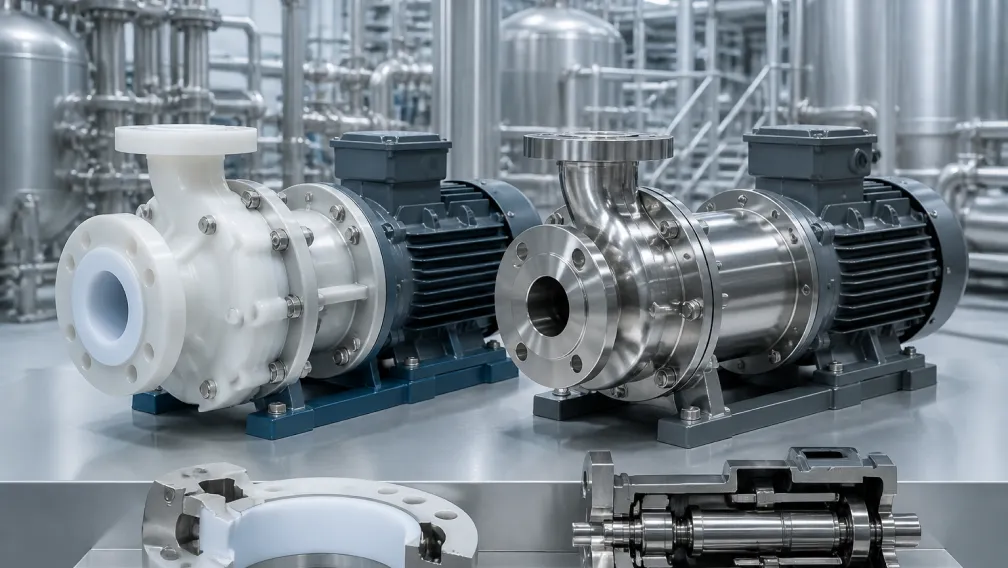
Common impeller materials: PFA/PTFE fluoroplastic, PP, FRP, 316L, Hastelloy and other corrosion-resistant alloys.
Metallic alloy impellers (316L / Hastelloy): local eccentric wear is repaired by hardfacing with matching corrosion-resistant filler metal, then ground back to the original hydraulic profile with mandatory dynamic balancing. Shallow cracks and corrosion pits may be patch welded after depth evaluation; through-cracks are never weldable. The outer diameter and vane passage profile must remain essentially unchanged, since altered geometry cuts efficiency, intensifies turbulence, and imposes continuous impact on the containment shell.
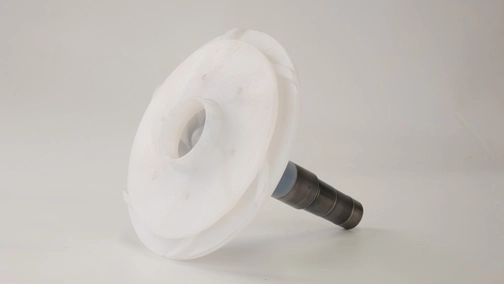
Fluoroplastic / FRP impellers: generally non-repairable. Bonding or hot-melt repair is not recommended for wear, cracks, or chipping. A magnetic drive pump has no independent lubricating flush inside the pump chamber; a detached repair joint can scratch the containment shell, causing hazardous leakage and rotor seizure. Replace directly.
Matching seal solution: containment is achieved statically through the containment shell and O-rings (FKM, FFKM, or EPDM). With a new impeller or a properly repaired metal impeller within vibration limits, standard static O-rings suit clean, highly corrosive, and toxic fluids. If a repaired impeller shows excessive unbalance, turbulence accelerates containment shell fatigue and O-ring aging, so inspection and replacement intervals must be shortened. Note that magnetic drive pumps are not recommended for fluids containing hard solid particles even with a sound impeller, because particles erode the containment shell and defeat the static seal.
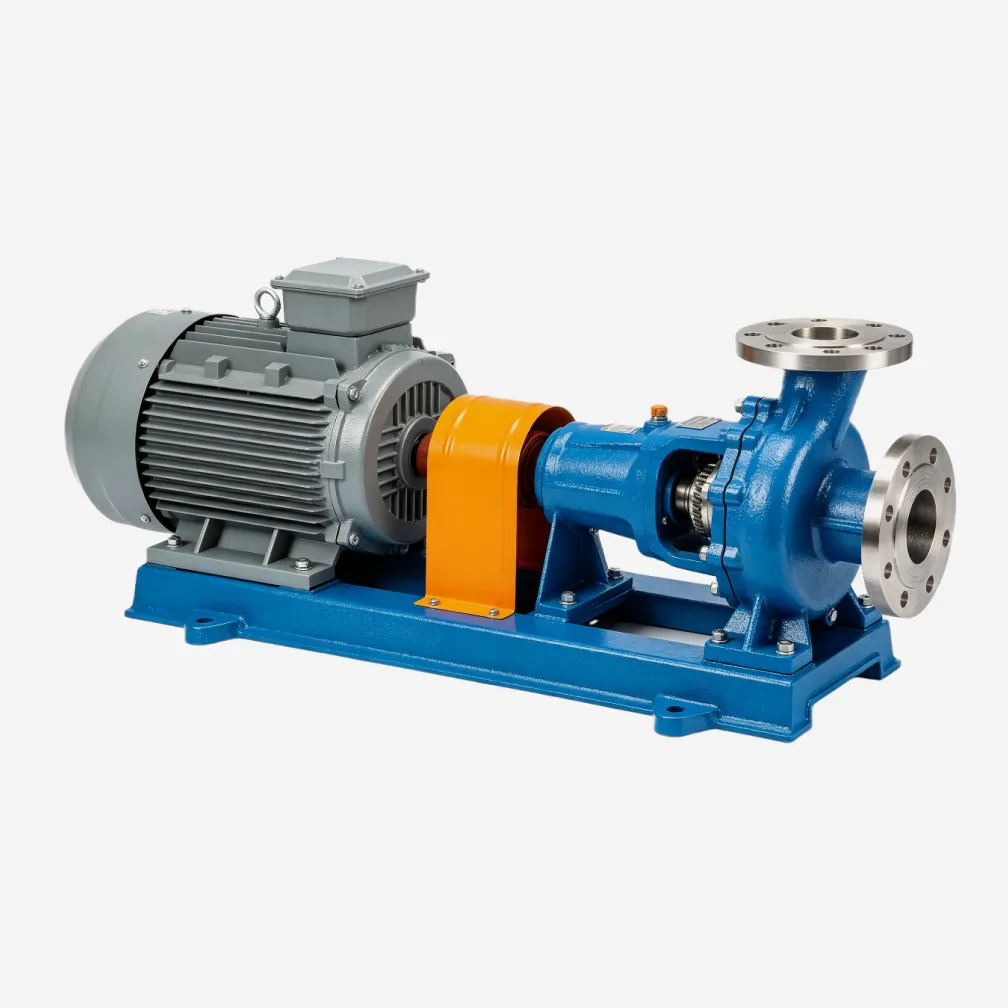
2. Chemical Centrifugal Pump (Single-Stage Overhung)
Impeller materials: cast steel, 304/316 stainless steel, cast iron, and PFA/PTFE-lined. Hardfacing covers eccentric wear on the eye ring and hub, following the material-specific procedures above; lined impellers cannot be hardfaced and are replaced when the liner wears. Patch welding covers erosion thinning, casting voids, and non-through cracks after NDT verification; through-cracks, extensive thinning, and vane distortion mean replacement. Minor local damage on lined impellers accepts special anti-corrosion polymer adhesive only as a temporary emergency repair, never for long-term continuous production.
Matching seal solution: available options are single mechanical seal, double mechanical seal, and packing seal. With a new or properly balanced repaired impeller, clean acid, alkali, and salt services take a cartridge single mechanical seal with internal flush; toxic, volatile, high-hazard media take a double mechanical seal with barrier fluid; low-pressure service tolerating minor leakage can use aramid or carbon fiber packing. If a repaired impeller carries residual vibration, specify vibration-resistant cartridge mechanical seals and avoid simple split designs. The overhung shaft of a chemical centrifugal pump forms a long cantilever, so an unbalanced impeller continuously hammers the seal faces and drastically shortens seal life.
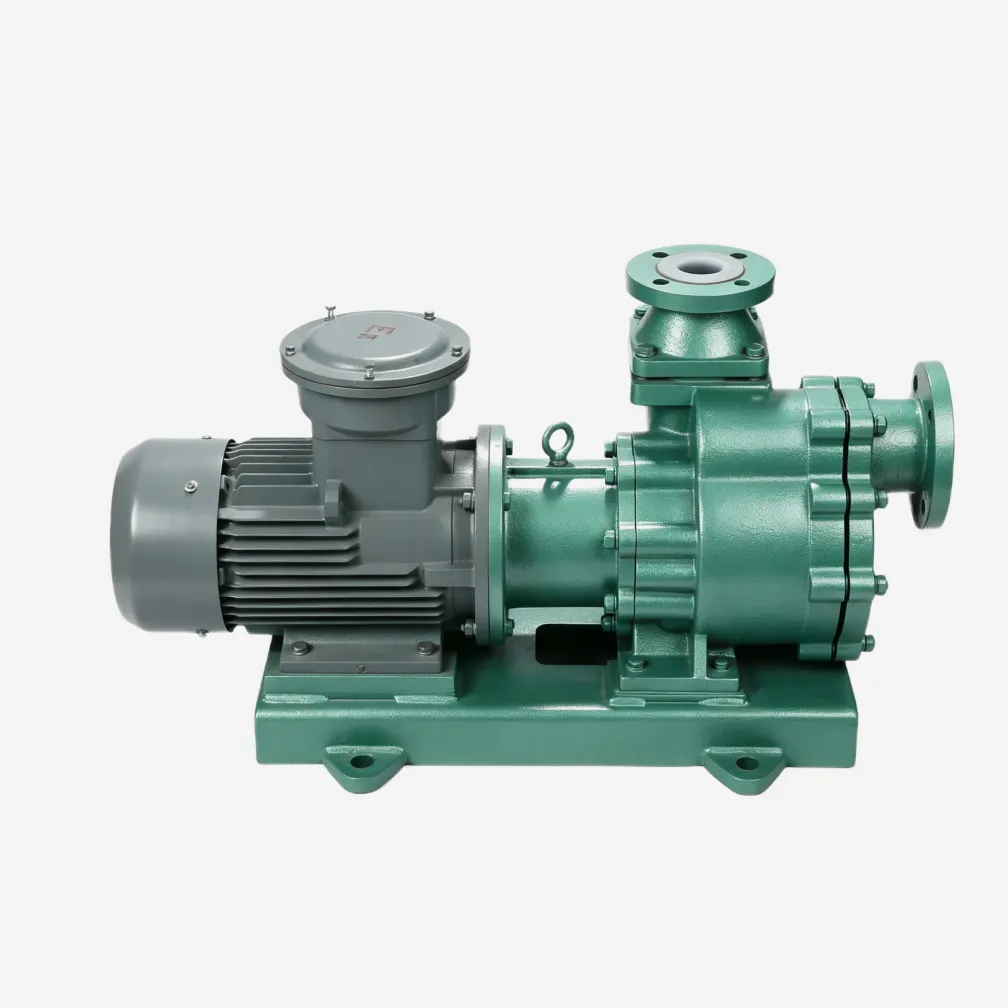
3. Chemical Self-Priming Pump
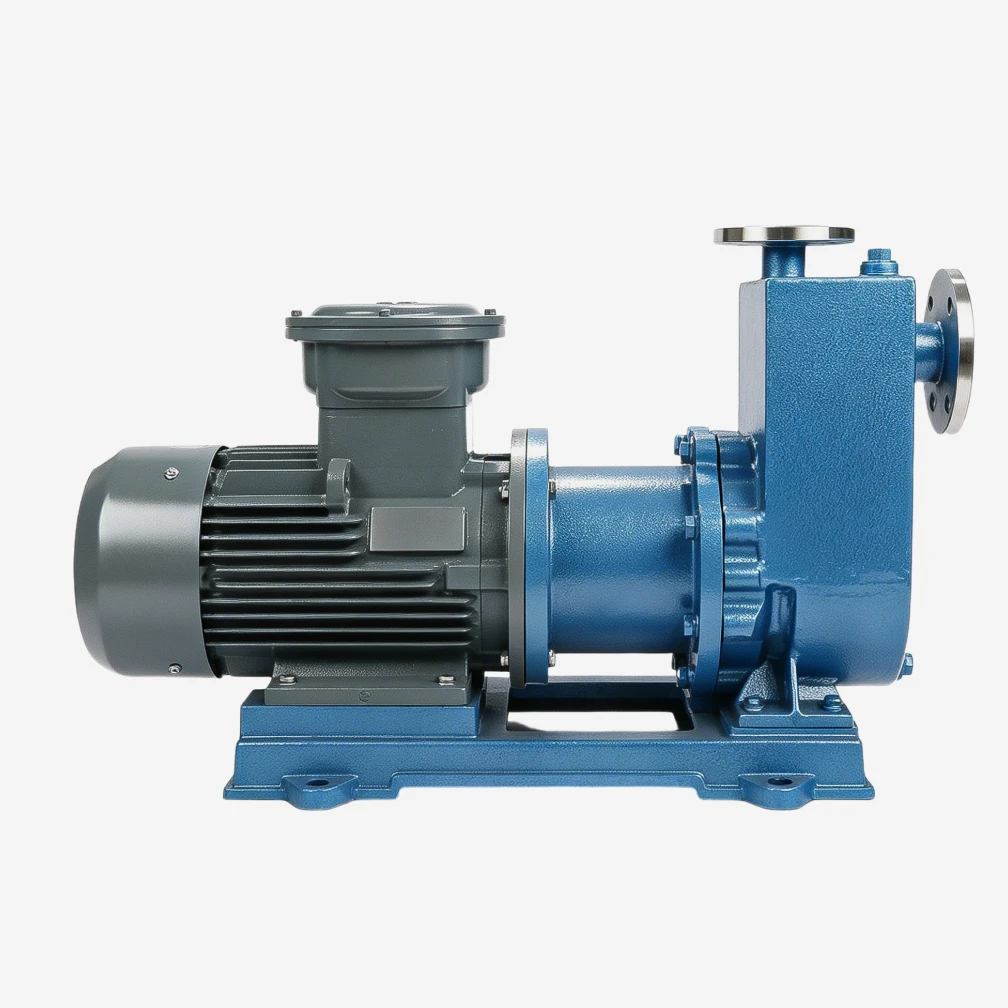
Impeller materials: PFA/PTFE-lined, stainless steel, cast iron. Metallic impellers follow the standard rules: hardfacing for eccentric wear, patch welding for shallow cracks and small corrosion pits. The core constraint is unique to this pump type: the original passage profile must be fully restored after welding, because altered geometry disrupts gas-liquid separation and eliminates self-priming capability. Severe cavitation with dense honeycomb pitting is not repairable, since cavitation fatigues the material and patched surfaces fail again quickly. Lined impellers have thin-walled passages that make welding and adhesive repair unreliable; replace upon cracking or erosion. Because gas-liquid mixing during priming raises cavitation risk above that of standard centrifugal pumps, investigate root causes such as suction level and piping resistance before any repair.
Matching seal solution: with a new or qualified repaired impeller on clean corrosive fluids, the standard configuration is a single mechanical seal with SiC-to-SiC faces, dry-run tolerant, with internal flush. Brief dry running is inherent to priming, and graphite mating faces are prone to burnout under it. Use externally mounted mechanical seals for crystallizing fluids to prevent spring clogging. A self-priming pump running a repaired impeller with elevated vibration should avoid standard internally mounted seals; packing seals remain acceptable for low-pressure wastewater and dosing service. Pairing a repaired impeller with low-cost seals that are not dry-run rated produces predictably high failure rates.
4. Slurry Pump
Impeller materials: high-chromium wear-resistant alloy, rubber-lined, polyurethane, PFA/PTFE-lined. High-chromium alloy impellers dominate, but hardfacing and patch welding are generally not adopted: the alloy has high hardenability and welds crack readily with poor success rates. Minor uniform wear accepts wear-resistant coating; heavy vane erosion or cracking means replacement. Rubber-lined and polyurethane impellers cannot be welded once the liner wears, delaminates, or tears, and adhesive repairs cannot withstand continuous particle scouring, so the impeller is replaced.
Matching seal solution: solid particles are the central sealing challenge, and selection must prioritize keeping particles away from friction faces. With a new or properly coated impeller, a flushed double cartridge mechanical seal is the first choice, with barrier fluid isolating the solids. Where maintenance budget is limited and minor leakage is acceptable, aramid packing with silicon carbide sleeve tolerates solids better than standard single mechanical seals and can be re-tightened periodically. A slurry pump fitted with a non-flushed standard single mechanical seal will suffer rapid face wear regardless of impeller condition.
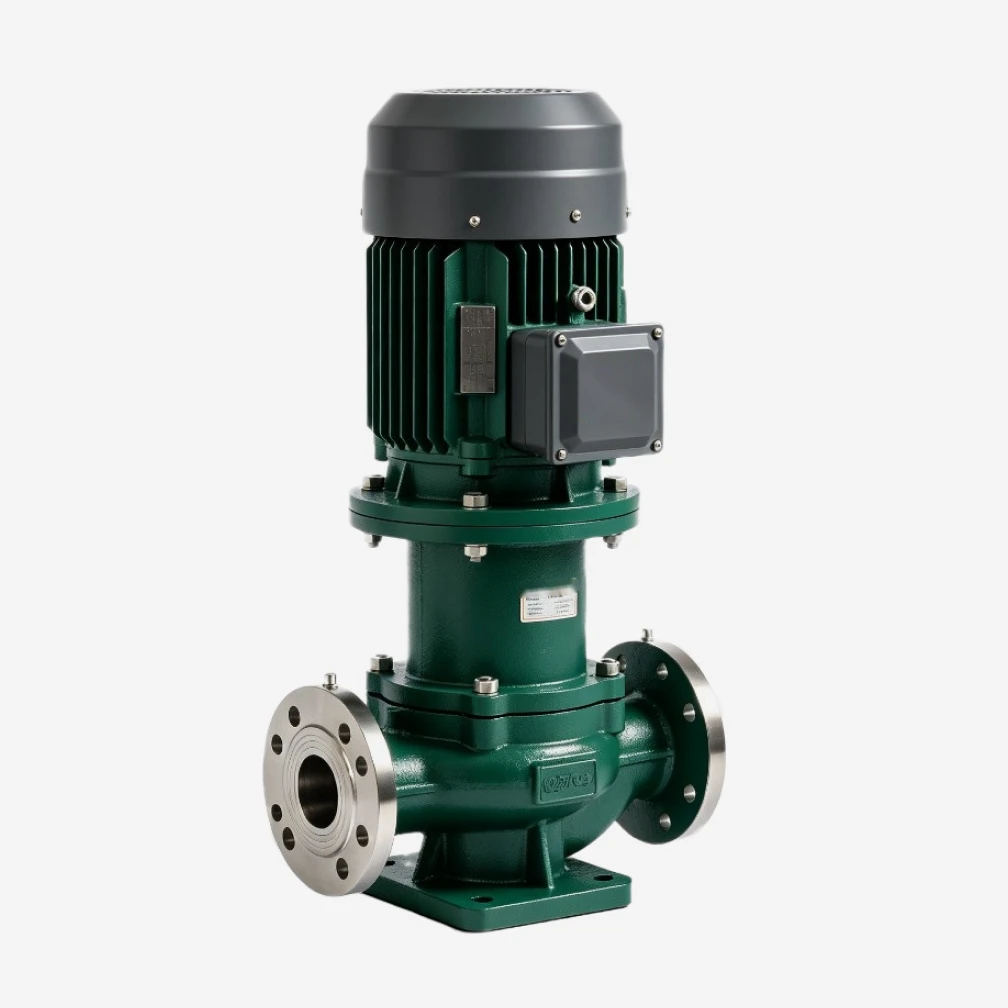
5. Chemical Inline Pipeline Pump
Mostly closed impellers in stainless steel, cast iron, or PFA/PTFE-lined construction. Metallic impellers follow standard repair rules, with one tightening of tolerance: vertical pumps are extremely vibration-sensitive, so dynamic balancing after welding must meet tighter limits than horizontal overhung designs, because poor balance drives rapid bearing and seal failure. Vane distortion or through-wall corrosion means replacement; lined impellers should not be adhesive-repaired for continuous long-run service.
Matching seal solution: with a new or well-balanced repaired impeller, a cartridge single mechanical seal is standard on vertical inline pipeline pumps for simple installation, with a flush port mandatory for crystallizing media and saline wastewater to stop crystal buildup from locking the seal springs. With residual vibration, specify vibration-resistant cartridge seals; packing is optional for low-pressure transfer pipelines. Note the process characteristic: seal chambers on vertical pumps tend to accumulate solids, and if impeller repair increases hydraulic turbulence, sedimentation accelerates and inspection frequency must rise accordingly.
Closing: Repair the System, Not Just the Part
Impeller repair is far more than welding and grinding. Each method carries clear material limits, NDT requirements, and balancing criteria, and the sealing system can never be selected in isolation from impeller condition. An improperly executed repair will defeat even premium sealing hardware, producing repeated seal failures, unplanned downtime, and leakage hazards, which compromises the entire maintenance guide protocol. Match the seal to the impeller state, the residual vibration, and the fluid, and the overhaul will hold. Send our engineering team your pump model, impeller material, damage photos, and operating parameters, and we will advise whether repair is worthwhile, define the correct procedure, and specify the matching seal arrangement.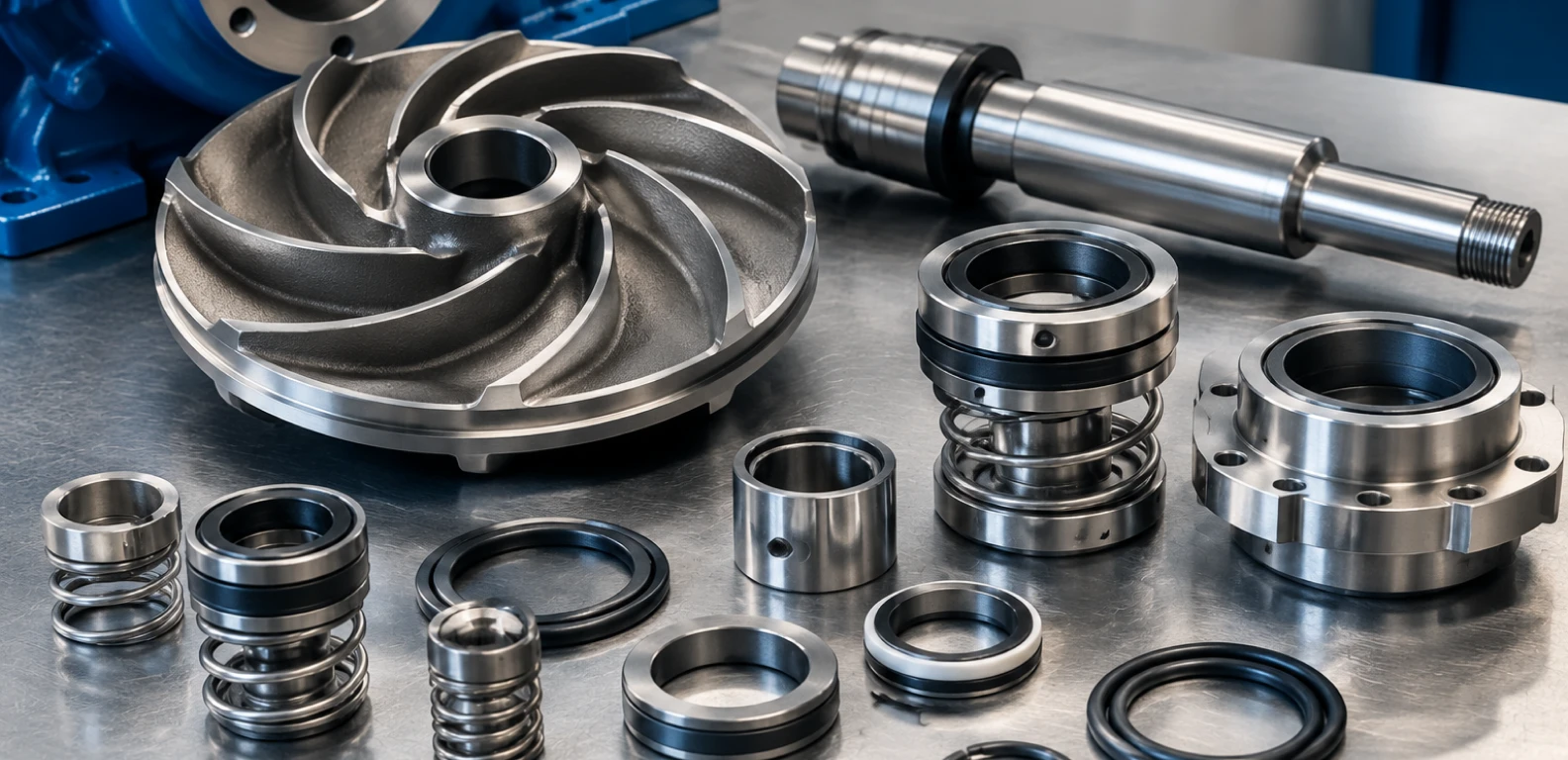
Frequently Asked Questions (FAQ)
- Which damage types suit hardfacing, and which suit patch welding?
Hardfacing covers local eccentric wear from friction between the impeller and adjacent components. Patch welding covers erosion thinning, casting blowholes, slag inclusions, and shallow non-through cracks. Friction wear calls for hardfacing; corrosion and crack defects are evaluated for patch welding. - What are the mandatory rules for hardfacing cast iron impellers?
Use oxy-acetylene welding with cast iron rods, preheat to 650-750°C before welding, and cool slowly afterward to release welding stress and prevent cracking. - Why do seals still fail quickly after impeller hardfacing?
The most common cause is missing or inadequate dynamic balancing: welding creates mass unbalance, and the resulting vibration damages seal faces and springs. A second cause is distorted vane geometry after repair, which raises turbulence inside the seal chamber. - Should the static O-rings be replaced after repairing a magnetic drive pump impeller?
Inspect and replace as required. Extra vibration from a repaired impeller accelerates containment shell fatigue and O-ring aging. If NDT and balancing pass, vibration matches a new impeller, and the O-rings show no aging, they may remain in service. - Can high-chromium alloy slurry pump impellers be welded?
Welding is not recommended. High-chromium wear-resistant alloys develop microcracks under welding stress that propagate rapidly in operation. Restore minor wear with wear-resistant coating, replace heavily damaged impellers, and pair with flushed double mechanical seals or packing seals. - What is special about repairing a self-priming pump impeller?
Beyond dynamic balancing, the original passage geometry must be fully restored. Deformed passages disrupt gas-liquid separation, eliminate self-priming capability, and cause persistent cavitation whose pulsating vibration attacks the mechanical seal. Repaired self-priming impellers should run with dry-run tolerant SiC-to-SiC single mechanical seals with internal flush. - Can a damaged PFA/PTFE-lined impeller be bonded and run long-term?
No. Bonded joints lack reliable erosion, temperature, and corrosion resistance, so bonding is an emergency temporary fix only. It is strictly forbidden on magnetic drive pumps. On centrifugal and inline pumps running patched impellers, shorten inspection cycles and arrange a spare promptly. - Will wear-resistant coating affect impeller balance and the seal arrangement?
Uneven coating thickness introduces unbalance, so dynamic balancing after spraying is mandatory. A properly balanced coated impeller uses the same seal package as a new one; if vibration exceeds limits, upgrade to a vibration-resistant seal construction.
-

YFTEL Pumps
Fluid Engineers & Technical Support, YFTEL Pump
YFTEL is a chemical pump manufacturer based in Hangzhou, China, with a 26,000 m² production base in Hangzhou, China, with a 26,000 m² production base in Anhui. Using the CAS-patented Fluoroplastic Alloy material, we produce 300+ models of corrosion-resistant pumps, valves and piping, exported to 30+ countries.