
 English

The Threat of Temperature Drops in Chemical Pumping
In the chemical processing industry, ambient temperature fluctuations pose a severe operational hazard to fluid transfer infrastructure. Many industrial chemicals are highly sensitive to thermal drops, possessing freezing or crystallization points well above the freezing point of water. For example, glacial acetic acid crystallizes at 16.6°C, 50% caustic soda (sodium hydroxide) solidifies at approximately 12°C to 15°C, pure benzene freezes at 5.5°C, and certain concentrations of fuming sulfuric acid (oleum) can solidify at temperatures as high as 45°C. When these fluids are transferred through chemical centrifugal pumps exposed to cold climates, winter weather, or unheated plant environments, the risk of internal crystallization becomes acute.
Crystallization inside a pump casing is physically destructive. The phase change from liquid to solid involves volumetric expansion and the formation of rigid crystalline matrices. If a pump is deactivated and the trapped fluid drops below its crystallization point, the resulting solid mass locks the impeller to the volute. Upon subsequent motor startup, the immense locked-rotor torque will immediately shatter the mechanical seal faces, twist or shear the pump shaft, and tear the polymer lining of fluoroplastic-lined pumps. To prevent catastrophic failure, plant engineers must execute rigorous winterization, heat tracing, and thermal management protocols. This engineering guide outlines the mandatory strategies for safeguarding rotating equipment in crystallizing and cold-weather service.
Thermal Jacketing Systems: Steam and Fluid Heating
The most robust method for maintaining fluid temperature inside a pump casing is the application of a thermal heating jacket. This involves integrating a secondary outer chamber around the primary pump volute, through which a heating medium—typically low-pressure steam or hot thermal oil—is continuously circulated.
Engineering the Heating Jacket
Heating jackets can be cast directly into the metallic pump casing during manufacturing or added as bolt-on modules. When processing heat-sensitive fluids, plant engineers must specify the correct heating medium. Steam is highly effective due to its high latent heat of condensation, providing rapid and uniform heat transfer. However, steam temperature is strictly dictated by its pressure. For fluids that degrade or decompose at elevated temperatures, circulating hot water or specialized thermal oils (heat transfer fluids) through the jacket offers finer temperature control without the risk of localized overheating.
Piping Configuration for Jacketed Pumps
To ensure efficient heat transfer and prevent condensate logging, the piping connected to the pump’s heating jacket must follow strict directional rules. The heating medium must always enter the jacket at the highest connection port and exit at the lowest connection port. This top-down flow path allows condensed steam (water) or cooling thermal oil to drain by gravity, preventing stagnant pools that insulate the casing and create cold spots. Furthermore, operators must initiate the heating fluid circulation through the jacket at least 30 to 60 minutes prior to opening the main process valves or starting the pump motor. This pre-heating phase ensures that any residual chemical solids from a previous shutdown are completely melted and the fluid reaches its optimal kinematic viscosity.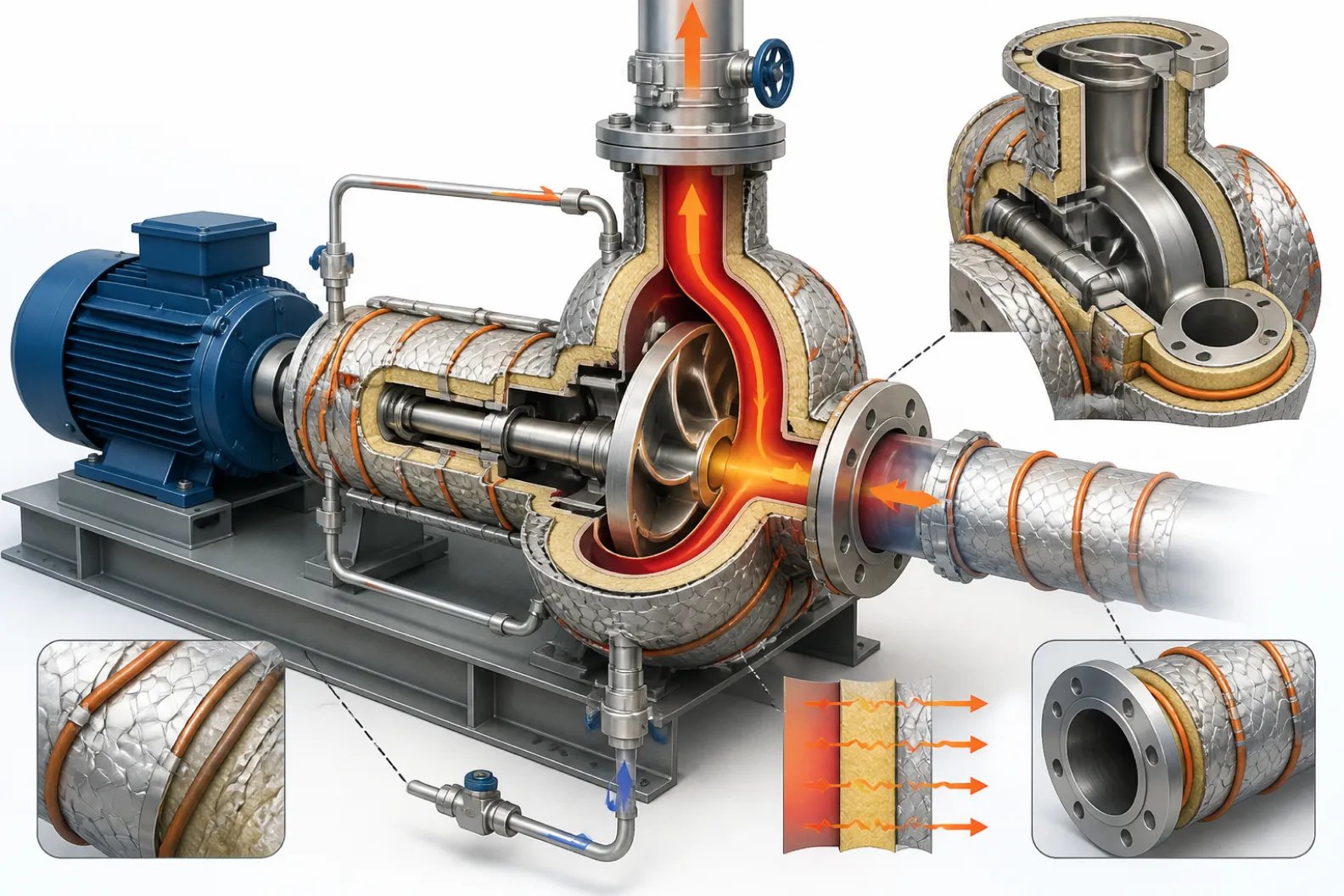
Electric Heat Tracing (EHT) on Pumps and Piping
Where steam or thermal oil infrastructure is unavailable or impractical, Electric Heat Tracing (EHT) serves as the primary winterization strategy. EHT involves applying resistive heating cables directly to the external surfaces of the pump casing, flanges, and associated suction and discharge piping, subsequently covering them with heavy industrial insulation.
Selecting the Correct Heating Cable
Self-regulating heating cables are the standard specification for industrial pump solutions handling chemicals. These cables consist of a semi-conductive polymer core that automatically adjusts its heat output in response to the local surface temperature. As the pump casing cools, the cable generates more heat; as it warms, the heat output decreases. This self-limiting behavior prevents the cable from burning out and eliminates the risk of localized thermal damage to the pump’s elastomeric O-rings or mechanical seal elastomers.
Installation and Thermostatic Control
For uniform thermal distribution, heat tracing cables must be applied meticulously around the pump volute, particularly targeting the lowest points of the casing where heavy fluids and solids tend to settle. The cables are secured with high-temperature glass tape and covered with closed-cell or mineral wool insulation, clad in an aluminum or stainless steel weather jacket. To optimize energy consumption and maintain precise fluid temperatures, the EHT circuit must be governed by an industrial thermostat utilizing a Resistance Temperature Detector (RTD). The RTD probe should be affixed directly to the pump casing metal, insulated from ambient air, providing accurate feedback to the control panel.
Seal and Bearing Protection in Cold Climates
Winterization extends beyond keeping the process fluid molten; the pump's auxiliary systems and mechanical components must also be engineered for sub-zero ambients.
Barrier Fluid Antifreeze for Mechanical Seals
Double mechanical seals are universally specified for toxic, volatile, or crystallizing media. These seals require an external pressurized barrier fluid system (such as API Plan 53A) for lubrication and cooling. In cold climates, standard water cannot be used as a barrier fluid due to freezing. Plant engineers must substitute a compatible antifreeze mixture, typically a 50/50 blend of propylene glycol and water, or a synthetic lubricating oil. The chosen barrier fluid must remain viscous enough to lubricate the seal faces at low temperatures without congealing, while remaining chemically compatible with the process fluid in the event of inner seal face leakage.
Lubrication Oil Viscosity Management
The pump’s bearing housing relies on lubricating oil to minimize friction. At sub-zero temperatures, standard mineral oils become highly viscous or even semi-solid, preventing the oil slinger ring from distributing lubrication to the upper bearings. Starting a pump with congealed bearing oil results in immediate metal-to-metal contact and rapid bearing failure. For winter service, maintenance teams must switch to synthetic lubricants formulated with a low pour point, or install localized immersion heaters within the bearing housing oil sump to maintain optimal kinematic viscosity.
Automated Drain, Purge, and Standby Protocols
Heat tracing and jacketing are active protection mechanisms, but the safest method to prevent crystallization during prolonged shutdowns is to remove the vulnerable fluid from the equipment entirely.
Draining and Flushing Sequences
Standard maintenance guide protocols dictate that any pump handling crystallizing media must be completely drained and flushed immediately upon deactivation. The piping layout must incorporate a low-point drain valve on the pump volute and a high-point vent. Once the motor stops and isolation valves are closed, operators drain the chemical into a closed recovery system, then flush the pump casing and mechanical seal chamber with a compatible, non-freezing solvent or hot water. Leaving crystallizing fluid stagnant inside a deactivated pump without active heating guarantees a locked rotor within hours.
Continuous Low-Flow Bypass (Warm-up Lines)
In continuous chemical processing plants utilizing redundant parallel pumps (one running, one standby), draining the standby pump is often operationally inefficient. To maintain the standby pump in a ready-to-run state, engineers install a warm-up bypass line. This small-diameter pipeline redirects a fraction of the hot discharge fluid from the active pump backward through the discharge manifold of the standby pump, out through its suction flange, and back to the feed tank. This continuous low-flow circulation ensures the standby pump casing remains at process temperature, preventing crystallization and eliminating thermal shock upon sudden activation.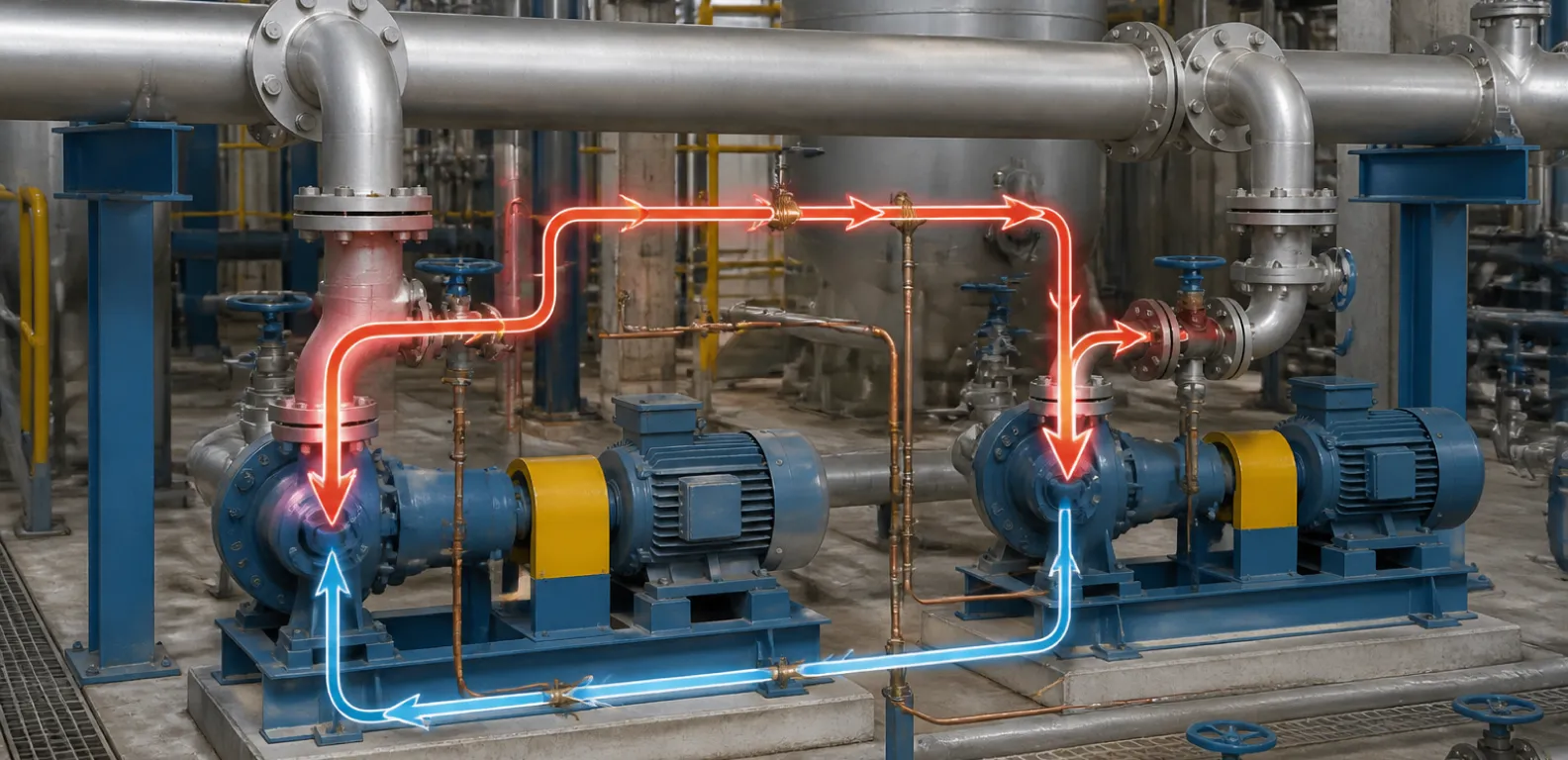
Special Considerations for Magnetic Drive Pumps
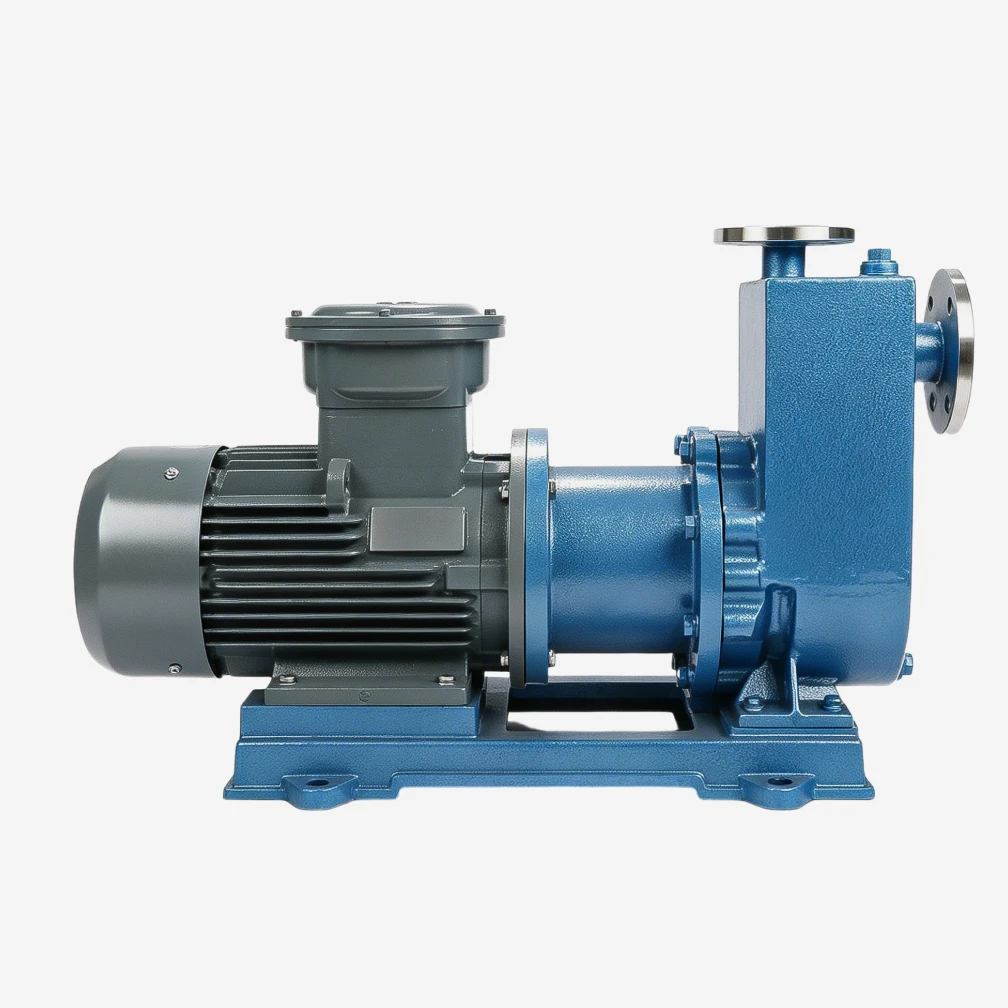
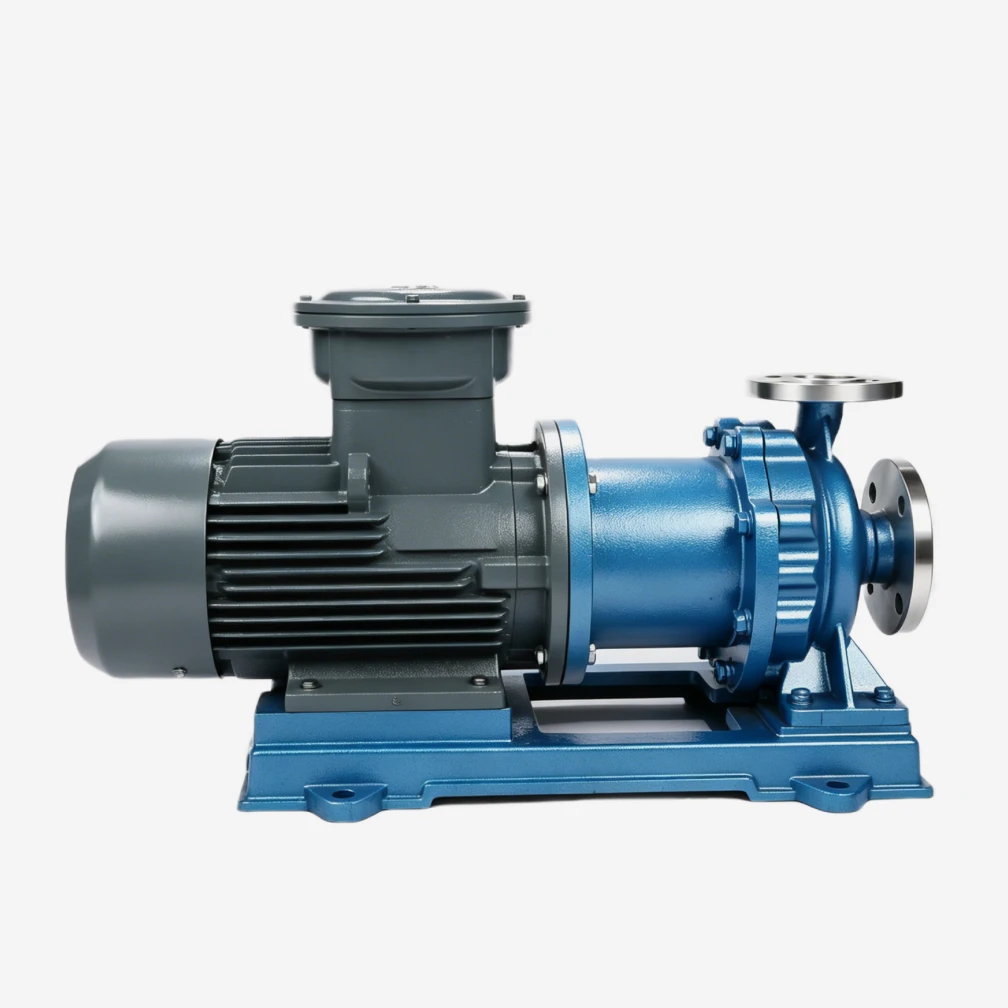
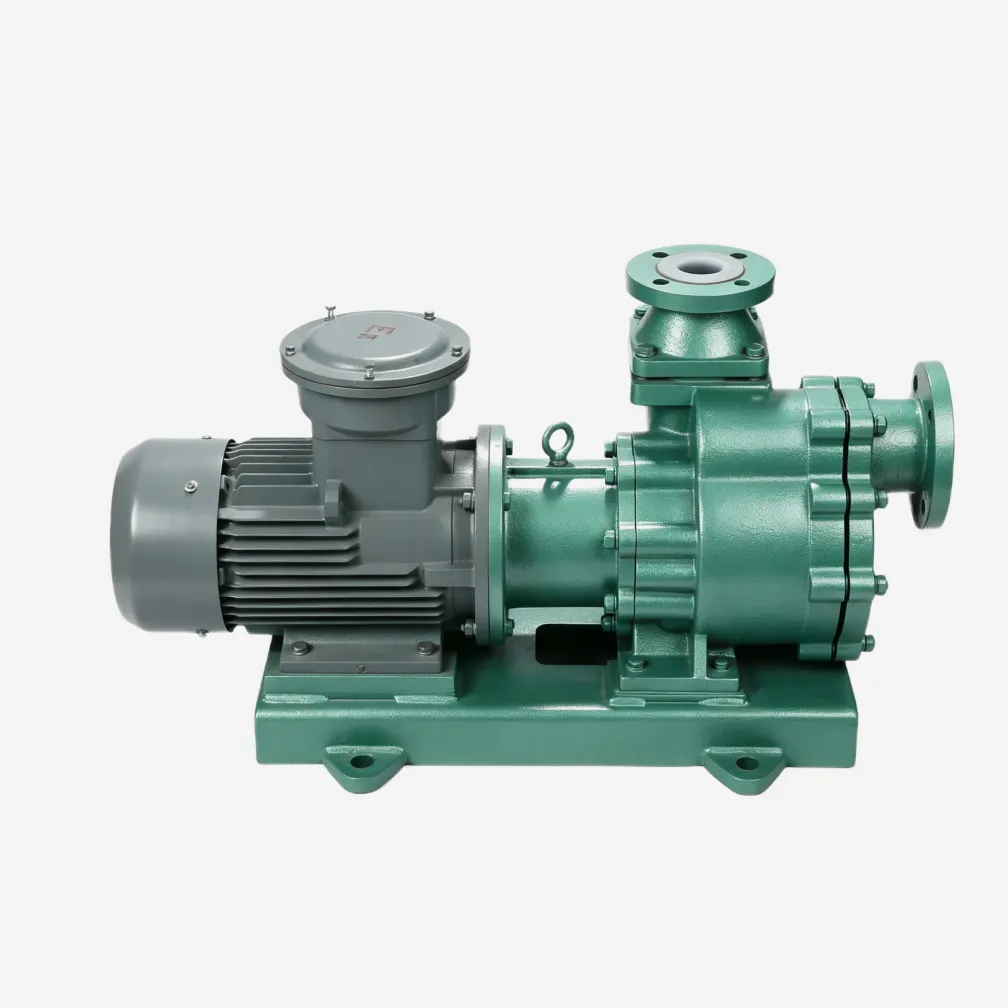
When handling highly hazardous, toxic, or valuable crystallizing media, facilities frequently specify magnetic drive pumps to eliminate the dynamic shaft seal and achieve zero-leakage containment. However, fluoroplastic-lined magnetic drive pumps present unique winterization challenges.
The containment shell in a magnetic pump is a critical pressure boundary. If fluid crystallizes inside the pump, the dense solid mass will press against the thin-walled containment shell. Furthermore, the internal silicon carbide sleeve bearings possess microscopic clearances. If liquid solidifies within these clearances, the inner magnetic rotor becomes fused to the stationary shaft. Any attempt to start the motor will cause the magnetic coupling to transmit massive torque to the frozen rotor, instantly shattering the ceramic bearings and potentially rupturing the containment shell. Heat tracing on magnetic drive pumps must be meticulously engineered to ensure thermal energy penetrates the heavy cast iron armor and the polymer lining to reach the internal bearing assembly.
Conclusion and Engineering Consultation
Winterizing a chemical pump is a holistic engineering requirement that encompasses mechanical, thermodynamic, and fluid dynamic considerations. Relying on ambient plant temperatures is an unacceptable risk when handling crystallizing media such as caustic soda, glacial acetic acid, or oleum. By integrating steam jackets, self-regulating electric heat tracing, appropriate synthetic lubricants, and strict automated purging protocols, facilities can secure continuous fluid transfer through the harshest winter extremes. Failure to implement these measures will result in locked rotors, destroyed seals, and hazardous chemical spills requiring extensive troubleshooting and costly downtime. Submit your process fluid’s freezing point, specific gravity, ambient temperature ranges, and facility drawings to our technical department. By consulting our pump selection guide protocols, we will architect a robust, fully winterized pumping solution optimized precisely for your cold-weather chemical applications.
Frequently Asked Questions (FAQ)
- At what temperature should I heat trace a chemical pump?
Heat tracing requirements depend entirely on the specific chemical's freezing or crystallization point. As a strict engineering rule, the heat tracing or jacketing system must be thermostatically controlled to maintain the pump casing temperature at least 10°C to 15°C above the fluid's known freezing point to provide a safe operational margin against ambient drops. - Can I use steam cleaning to thaw a frozen chemical pump?
No. Applying direct, high-temperature steam to the exterior of a frozen pump casing induces severe and rapid thermal shock. For metallic pumps, this can warp the casing or shatter internal ceramic components. For fluoroplastic-lined pumps, uneven rapid heating causes differential expansion, ripping the polymer lining away from the cast iron substrate. Thawing must be done slowly and uniformly. - Why do double mechanical seals need special antifreeze in winter?
Double mechanical seals rely on a pressurized external barrier fluid tank (API Plan 53A) to cool and lubricate the seal faces. If water is used as the barrier fluid in sub-zero environments, it will freeze in the external piping and seal chamber, destroying the seal faces upon startup. A 50/50 mixture of propylene glycol and water or a low-temperature synthetic oil must be used. - How does a warm-up bypass line protect a standby pump?
A warm-up bypass line takes a small bleed of hot, active fluid from the discharge of the running pump and circulates it backward through the idle standby pump. This continuous trickle of hot fluid keeps the standby pump casing and internal fluid at process temperatures, completely preventing crystallization and ensuring the pump is instantly ready for startup without thermal shock. - What happens if a magnetic drive pump is started with crystallized fluid inside?
It will result in catastrophic failure. The crystallized fluid acts as a cement, locking the inner magnetic rotor and filling the microscopic clearances of the silicon carbide sleeve bearings. When the motor applies high torque, the ceramic bearings will instantly shatter, the pump will decouple, and the containment shell may be critically damaged. - Which is better for pumps: Steam Jacketing or Electric Heat Tracing (EHT)?
Steam jacketing provides faster, more uniform heat transfer and utilizes existing plant steam infrastructure, making it ideal for highly sensitive fluids that solidify rapidly. EHT is more flexible, easier to retrofit on existing pumps, and offers highly precise digital thermostatic control without the risk of condensate logging, making it the standard for isolated pumps or facilities without boiler systems.
-

YFTEL Pumps
Fluid Engineers & Technical Support, YFTEL Pump
YFTEL is a chemical pump manufacturer based in Hangzhou, China, with a 26,000 m² production base in Hangzhou, China, with a 26,000 m² production base in Anhui. Using the CAS-patented Fluoroplastic Alloy material, we produce 300+ models of corrosion-resistant pumps, valves and piping, exported to 30+ countries.