
 English

Why Pump Energy Efficiency Is a System Problem
Most pumps rarely operate at a stable rated duty point. Flow demand shifts constantly, pipeline pressure fluctuates, and the system cycles between startup, normal operation, low-load, and peak-load conditions. Yet a large number of pumping systems still rely on traditional fixed-speed motor configurations, which force the pump to run at full power well above actual process demand for most of its operating life.
Pumps are sized for peak load, but peak load is not a permanent state. In chemical processing, wastewater treatment, pharmaceutical production, and general industrial services, the match between motor and drive determines how accurately a pump responds to changing conditions. The same combination also decides whether the system can support condition monitoring, fault diagnosis, and protective functions later on. Motor selection has therefore become the central lever in modern pump energy optimization.
Three-phase induction motors have been the default choice for decades. They are mechanically reliable, widely stocked, and familiar to maintenance crews. However, tightening global efficiency regulations now require engineers to evaluate motor performance across the entire operating range instead of relying on a single nameplate efficiency point. Against this backdrop, the Ferrite-Assisted Synchronous Reluctance Motor (Fe-SynRM) paired with a Variable Frequency Drive (VFD) is emerging as a practical upgrade route for pump users. The value proposition is concrete: higher efficiency at both full and partial load, precise speed regulation, improved power factor, and pump output that tracks real process demand.
Beyond Nameplate Efficiency: Wire-to-Water System Efficiency
Many energy assessments compare only the nameplate rated efficiency of competing motors. That figure alone cannot predict what a pumping system will actually consume. The more meaningful engineering metric is wire-to-water efficiency, which accounts for the complete energy chain from grid intake through motor conversion, transmission, and hydraulic work at the pump.
A large share of industrial pumps spend most of their service life at reduced speed, partial load, or frequently shifting duty points. Even a motor with an excellent nameplate rating wastes energy once it operates away from its design point. For the majority of pump applications, partial-load performance matters just as much as peak rated efficiency.
Fixed-speed systems expose this weakness clearly. The motor runs at full speed while excess flow and pressure are absorbed by throttling valves, bypass recirculation, or repeated start-stop cycling. These methods achieve process control but do not reduce power draw. A significant share of the electricity consumed is lost as throttling and recirculation losses.
A VFD addresses this directly by continuously adjusting motor speed so that pump output follows pipeline demand. The pump stops behaving like a simple on/off device. For systems with pronounced day-night load swings, or systems that operate far below their design peak for long periods, the savings from speed regulation are substantial. Drives equipped with sensorless control algorithms can additionally infer cavitation, wear, and blockage from motor operating signatures, reducing the need for extra instrumentation. The drive, however, is only half of the system. To capture the full saving potential, the motor itself must sustain high efficiency under variable speed and variable load.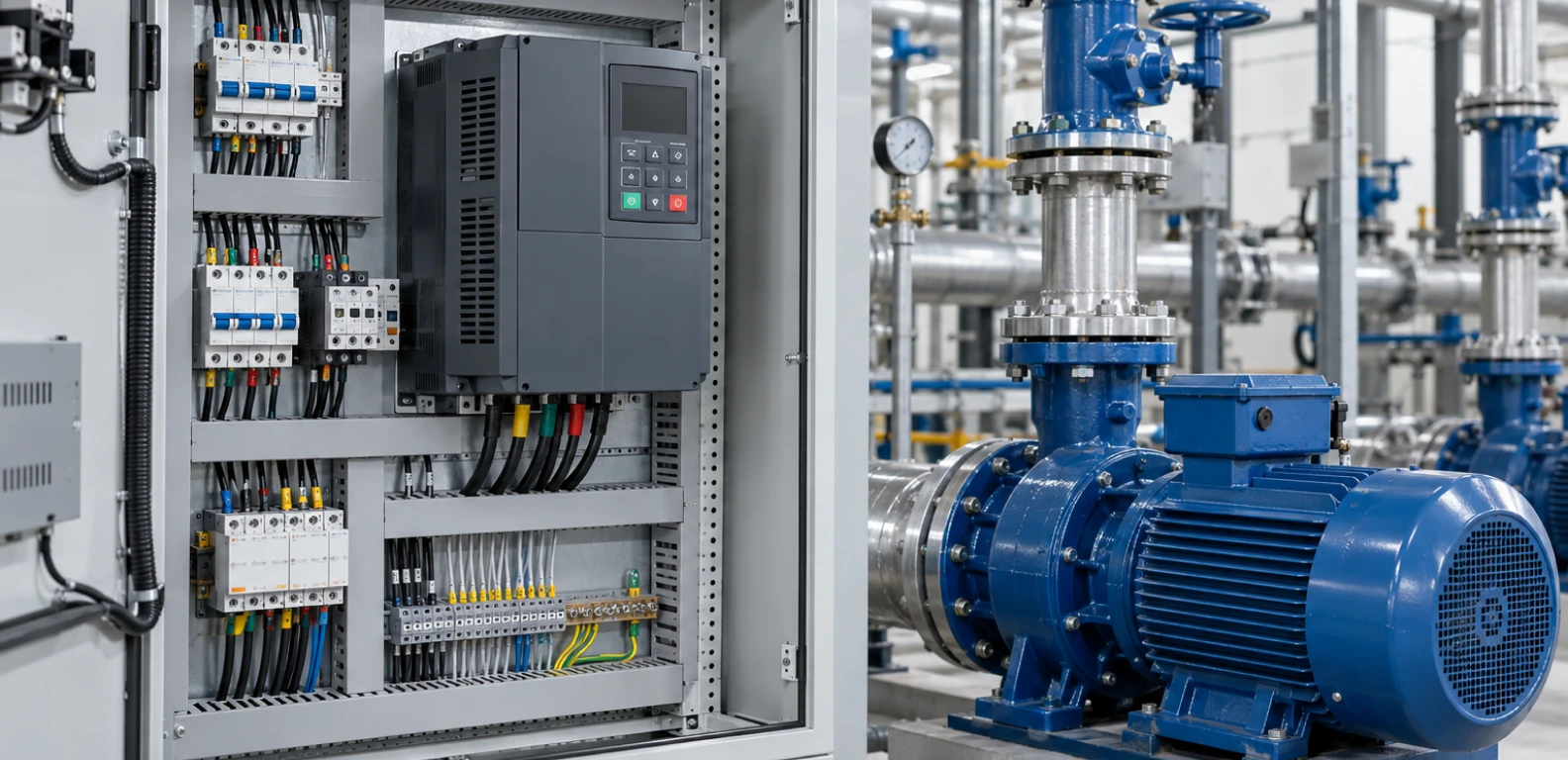
Why Partial-Load Performance Matters for Pumping Systems
Pumps operate below peak demand for most of their lifecycle, so motor efficiency at partial load directly determines long-term electricity cost. Conventional induction motors share an inherent trait: as load and speed fall, efficiency falls with them. The Fe-SynRM takes a different approach. It generates torque through rotor reluctance, with ferrite magnets added to strengthen electrical performance. This positions it between two established alternatives:
- Pure synchronous reluctance motors deliver high efficiency but suffer from a low power factor, which has limited their wider adoption.
- Fe-SynRM motors use ferrite magnets to assist reluctance torque, preserving high efficiency across a broad operating range while raising the power factor to a level compatible with mainstream industrial VFD systems.
- Rare-earth permanent magnet motors offer high power density but depend on scarce rare-earth materials, which adds cost and supply chain exposure for general pumping duties.
For end users, the physics translates directly into operating economics. An Fe-SynRM motor sustains higher efficiency across a wide speed and load envelope, which sharply reduces the efficiency decay that variable-duty operation normally causes. In pumping stations and circulation systems with high annual running hours and frequent load swings, even small efficiency advantages compound into meaningful electricity savings over the years.
Matching Motor and Drive as an Integrated Package
The efficiency advantage of Fe-SynRM technology is fully realized only when motor and drive are engineered as a matched package. The VFD governs speed, but the quality of motor-drive coordination determines control accuracy, operational stability, and overall system efficiency.
In a matched package, the drive adjusts speed dynamically against pipeline pressure and flow signals: it slows the motor when demand falls and raises speed within the design envelope when the process calls for more output. This removes idle energy consumption while giving operators finer process control. An optimized Fe-SynRM and VFD package also supports a wider continuous operating range. That matters when a pump must run at low speed for extended periods, handle variable torque demand, or when one pump model needs to cover several process speed setpoints. For OEMs and plant operators, wider coverage from a single motor frame simplifies model selection and reduces spare-part inventory.
The principle to remember is that pump energy efficiency is decided by dynamic behavior, not by a catalog number. Startup transients, sustained low-speed operation, partial load, and sudden load changes all shape the final power bill. A drive package engineered for variable duty avoids the blind spot created by evaluating motors only at the rated point.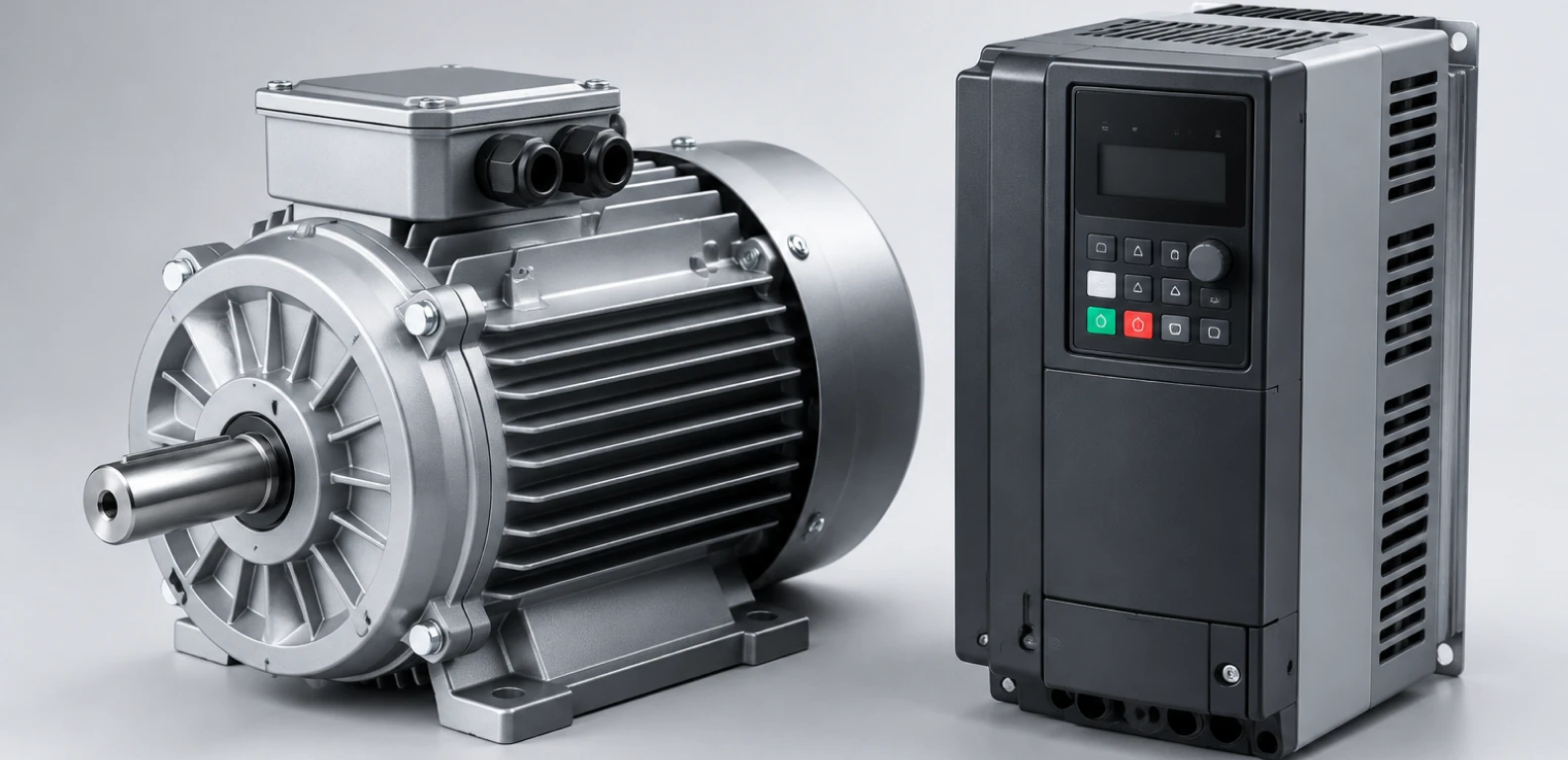
Where Fe-SynRM VFD Packages Deliver the Fastest Payback
Motor and drive packages pay back fastest on pumps that run continuously with visible load fluctuation, because savings accumulate with every operating hour. Typical candidate applications include:
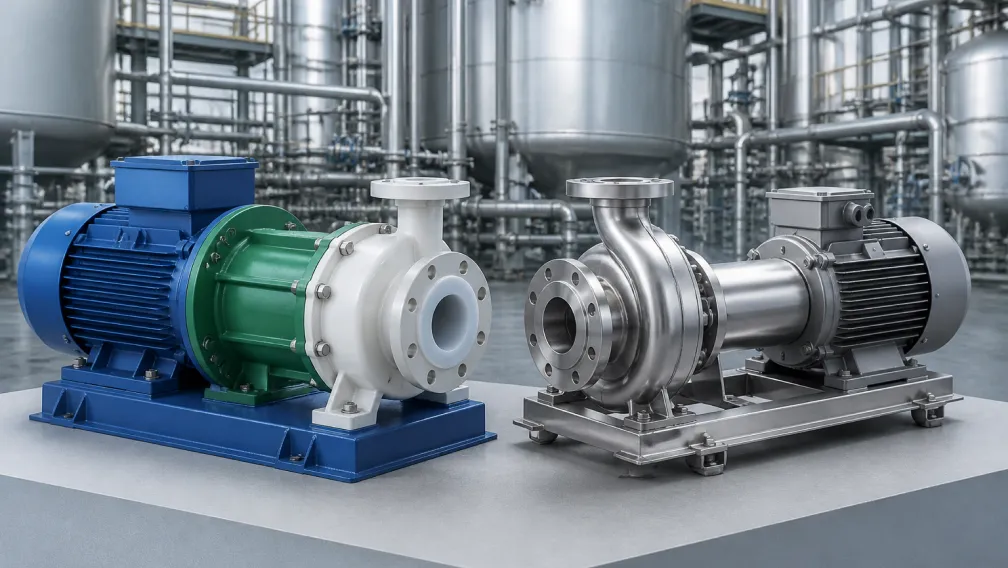
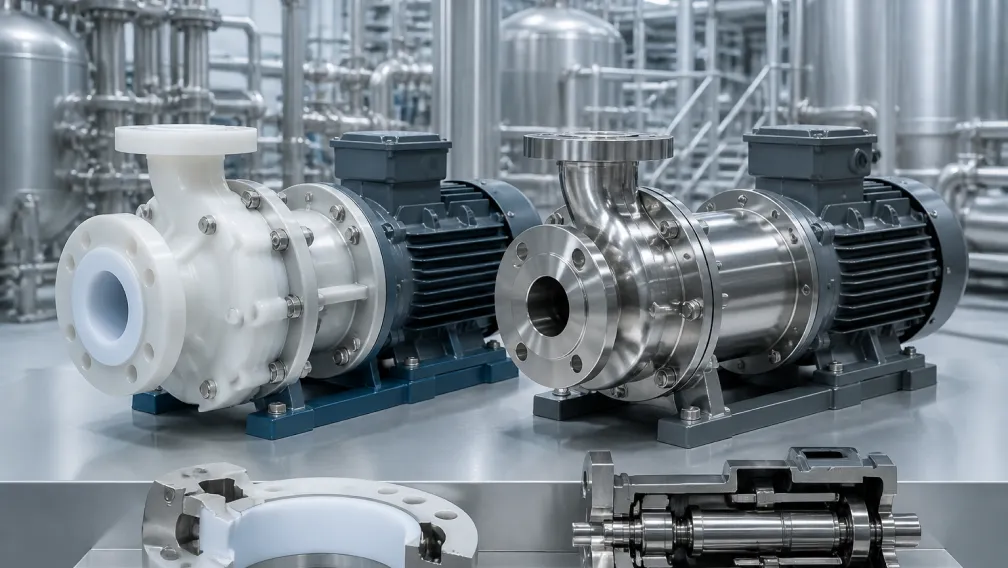
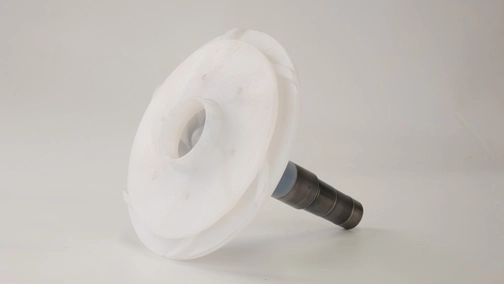
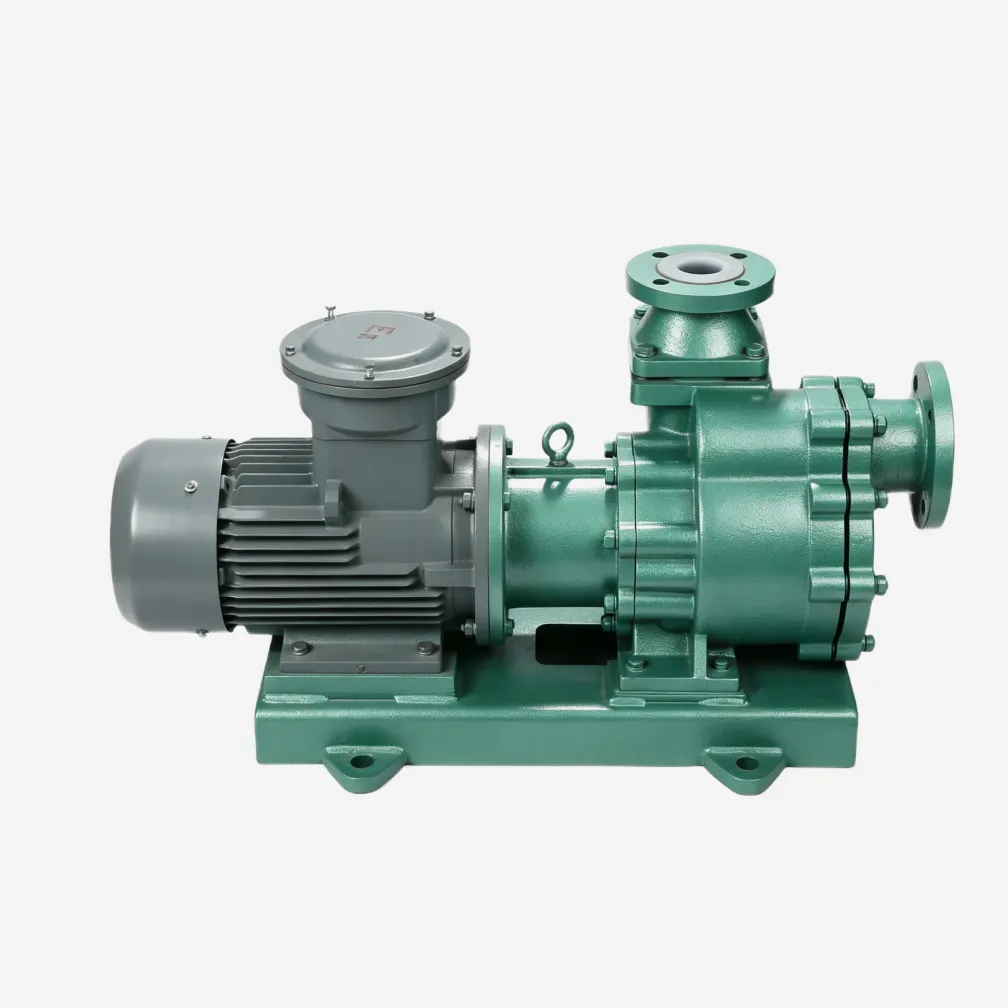
- Wet-process lithium battery chemical production: round-the-clock transfer of electrolyte, acid and alkali washing liquids, and waste electrolyte recirculation. Production load follows capacity scheduling, so pumps spend long periods at partial load. Corrosion-resistant fluoroplastic lined pumps are the standard wetted-end choice in this service.
- Electroplating and surface treatment: circulation of pickling baths, passivation solutions, and heavy-metal-bearing waste liquids. Day and night shift changes bring pronounced load variation, annual runtime is high, and the media are aggressively corrosive.
- Fine chemicals and pharmaceutical intermediates: transfer and reactor circulation of organic acids, salt solutions, and reaction media. Batch production causes frequent flow changes across many continuous operating cycles.
- Hazardous waste and corrosive wastewater treatment: transfer of pickling effluent, chlorine-bearing wastewater, and dosing chemicals, where influent quality and flow swing widely and pumps must hold steady for the long term. Operators here want lower power bills without taking on rare-earth supply chain risk.
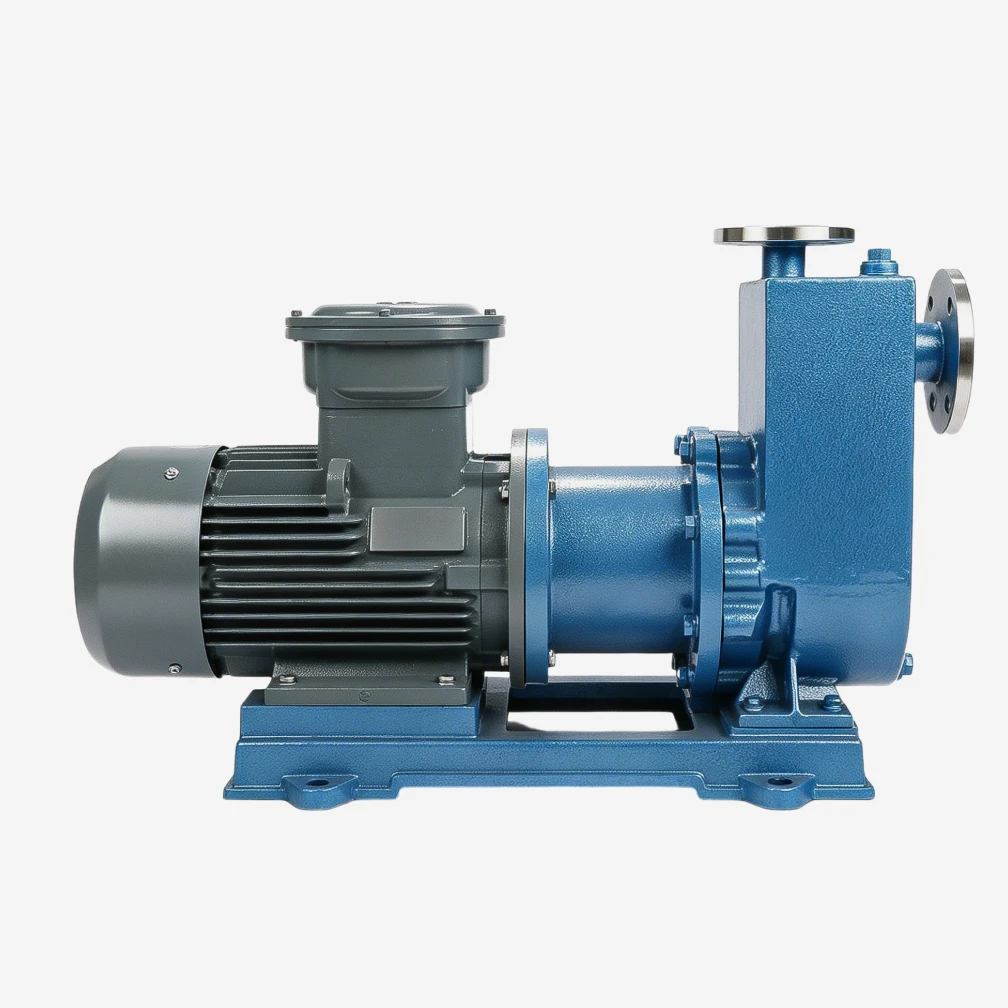
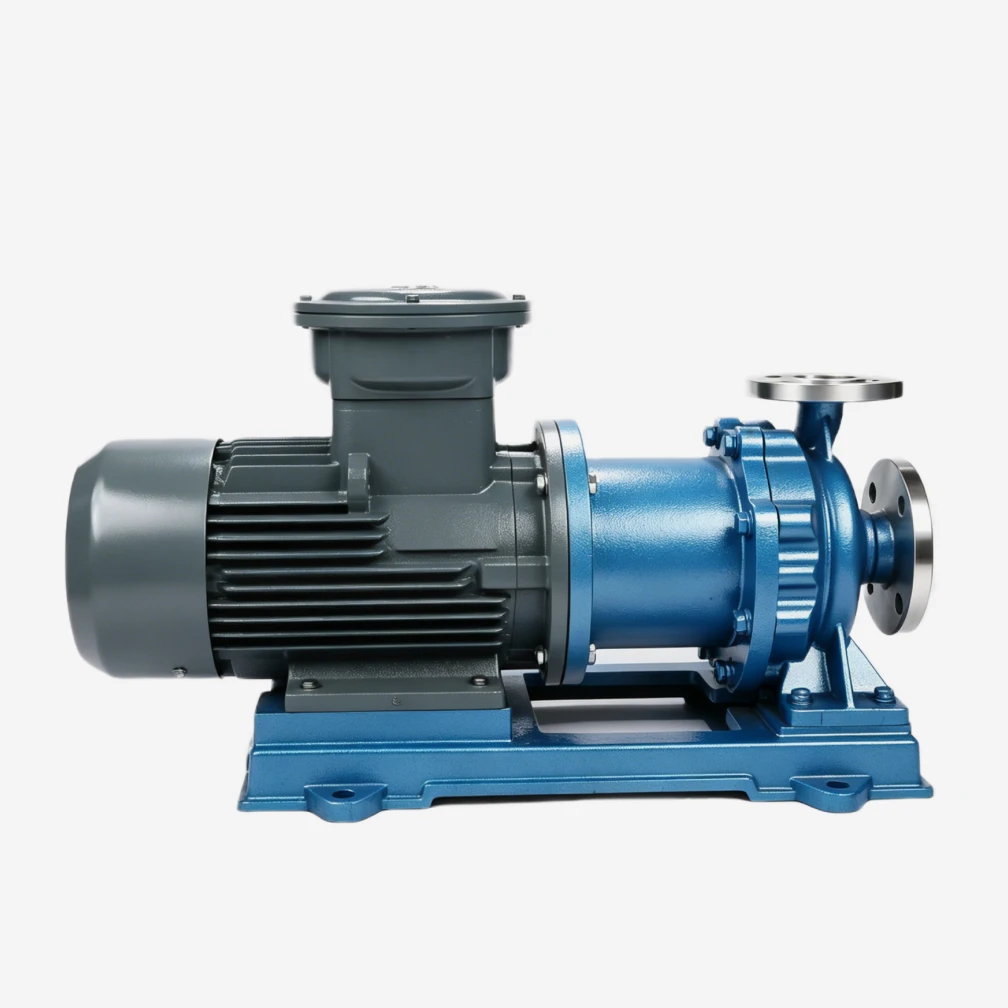
- Chemical and industrial process pumps: transfer, circulation, and feed duties across zero-leakage process pump solutions and chemical centrifugal pumps routinely face variable feed rates, intermittent batch operation, and shifting process parameters, with many units running continuously at partial load.
Rare-earth permanent magnet motors remain the right answer for compact, high power-density niches. Most industrial and municipal pump installations, however, face no strict space constraint. The Fe-SynRM approach balances efficiency, procurement cost, power factor, and material supply stability, which is exactly what the general pump market requires.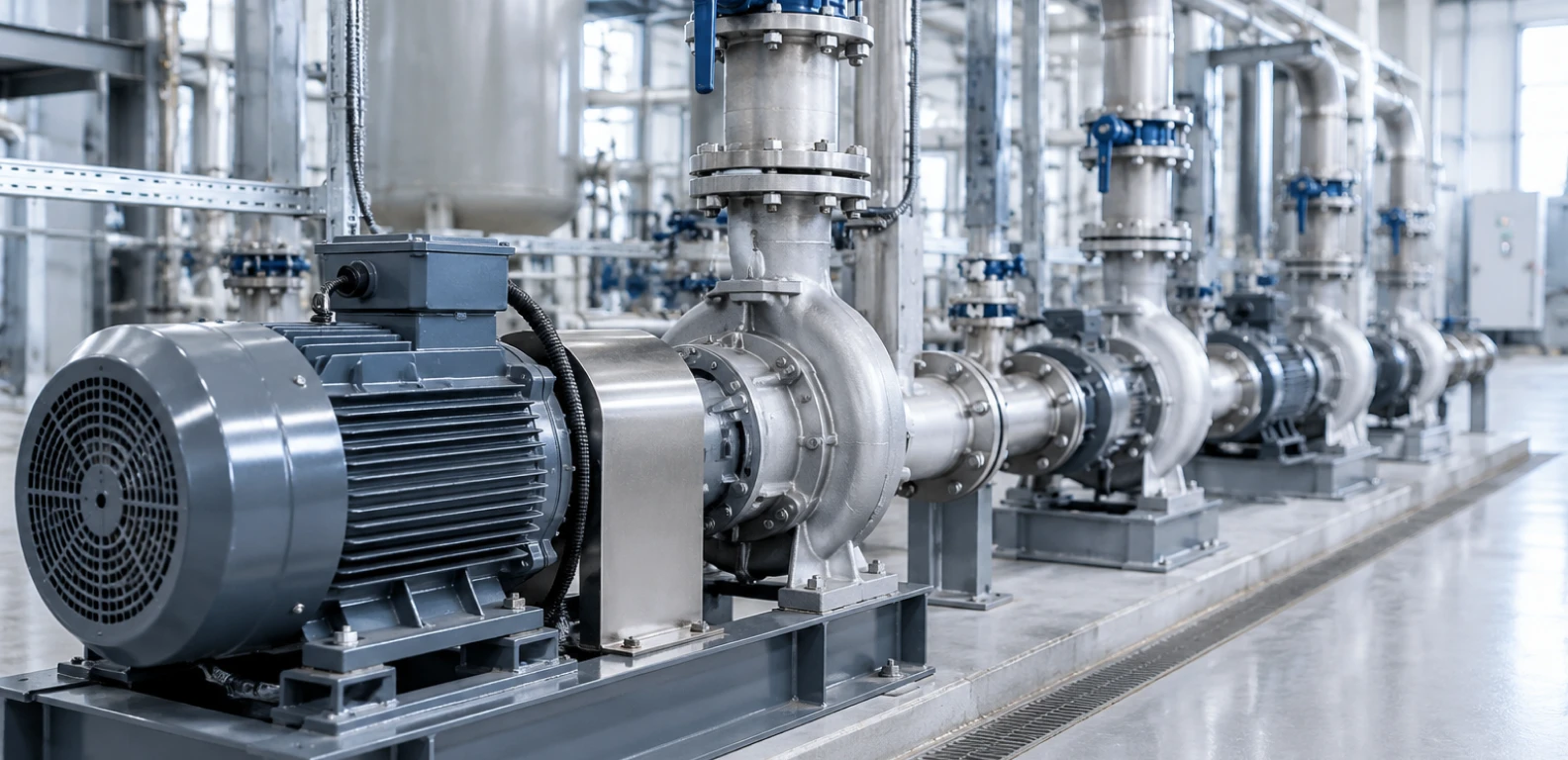
An Honest Boundary: Fe-SynRM Is Not a Universal Answer
No motor technology fits every pump. Selecting a motor and drive combination requires a joint evaluation of annual operating hours, speed range, load profile, site environment, control requirements, and total cost of ownership. The practical starting point is an audit of the plant: identify the pump groups with the longest running hours and the widest load swings, because these assets show the clearest and fastest return on an upgrade.
Many of the best energy-saving opportunities sit inside systems that are already in service. A targeted retrofit to an Fe-SynRM and VFD package converts a persistently high electricity bill into measurable, bankable long-term savings.
Conclusion and Engineering Support
Pump energy consumption is governed by what happens across the whole duty cycle, not by the nameplate point. Fixed-speed induction systems waste power through throttling and bypass losses, while an Fe-SynRM motor matched with a VFD keeps efficiency high from full load down to deep partial load. For corrosion-critical services, the same drive package can be combined with fluoroplastic lined or magnetic drive pump hydraulics, so containment and efficiency are solved together. Send our engineering team your pump duty data, annual runtime, and load profile, and we will return a lifecycle energy-saving calculation with a matched motor and drive proposal for your system.
Frequently Asked Questions (FAQ)
- What is a Fe-SynRM motor?
Fe-SynRM stands for Ferrite-Assisted Synchronous Reluctance Motor. It generates torque primarily through rotor reluctance, with ferrite magnets assisting to improve efficiency and power factor. It delivers high efficiency across a wide speed and load range without relying on rare-earth materials. - Why is partial-load efficiency more important than nameplate efficiency for pumps?
Because most pumps operate below their peak design point for the majority of their service life. A motor that holds efficiency at partial load saves power every hour it runs, while a motor that is efficient only at its rated point wastes energy whenever real demand drops. - How does a VFD reduce pump energy consumption?
A VFD adjusts motor speed continuously so pump output follows actual pipeline demand. This replaces throttling valves, bypass recirculation, and frequent start-stop cycling, all of which burn electricity without doing useful work. Slowing a centrifugal pump also cuts power draw sharply because power falls with the cube of speed. - What is the difference between Fe-SynRM and rare-earth permanent magnet motors?
Rare-earth PM motors achieve very high power density but depend on scarce magnetic materials with volatile pricing and concentrated supply chains. Fe-SynRM motors use abundant ferrite magnets, offering comparable efficiency for general pumping duties with better cost control and supply stability, plus a higher power factor than pure synchronous reluctance designs. - Can an existing fixed-speed pump be retrofitted with an Fe-SynRM and VFD package?
Yes. The strongest retrofit candidates are pumps with long annual runtime and wide load fluctuation. An engineering assessment of duty data, load profile, and site conditions will confirm feasibility and quantify the expected payback before any hardware is ordered. - Does this drive package work with corrosion-resistant chemical pumps?
Yes. The motor and drive package is independent of the wetted-end material. It can be combined with fluoroplastic lined, UHMWPE, or stainless steel pump hydraulics, so highly corrosive services gain both containment and high partial-load efficiency.
-

YFTEL Pumps
Fluid Engineers & Technical Support, YFTEL Pump
YFTEL is a chemical pump manufacturer based in Hangzhou, China, with a 26,000 m² production base in Hangzhou, China, with a 26,000 m² production base in Anhui. Using the CAS-patented Fluoroplastic Alloy material, we produce 300+ models of corrosion-resistant pumps, valves and piping, exported to 30+ countries.