
 English

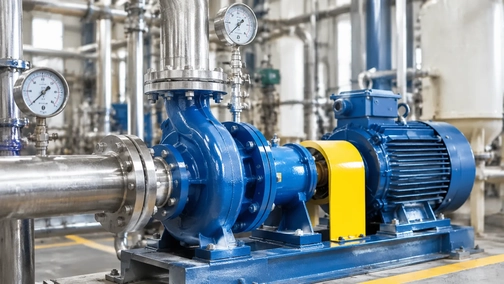
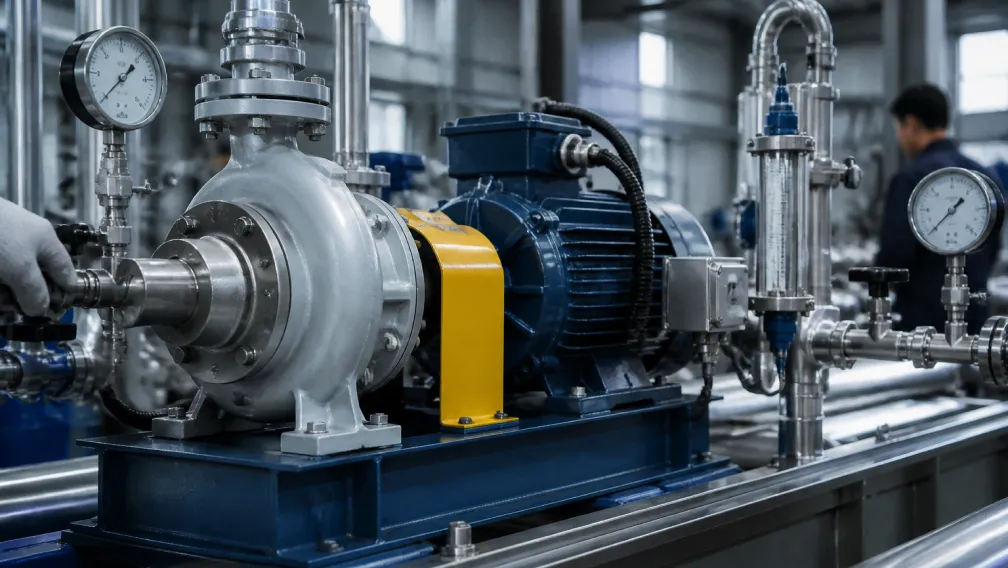
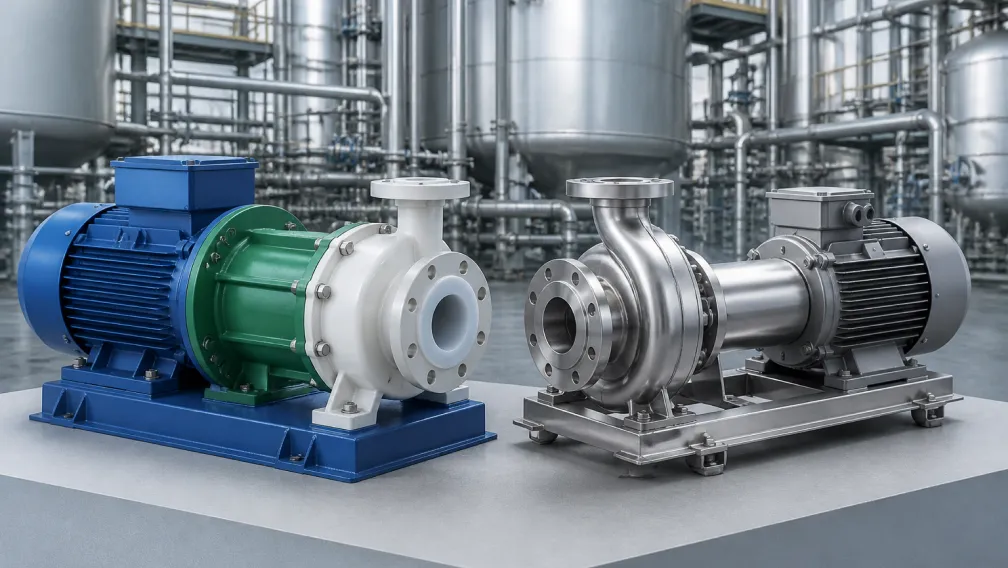
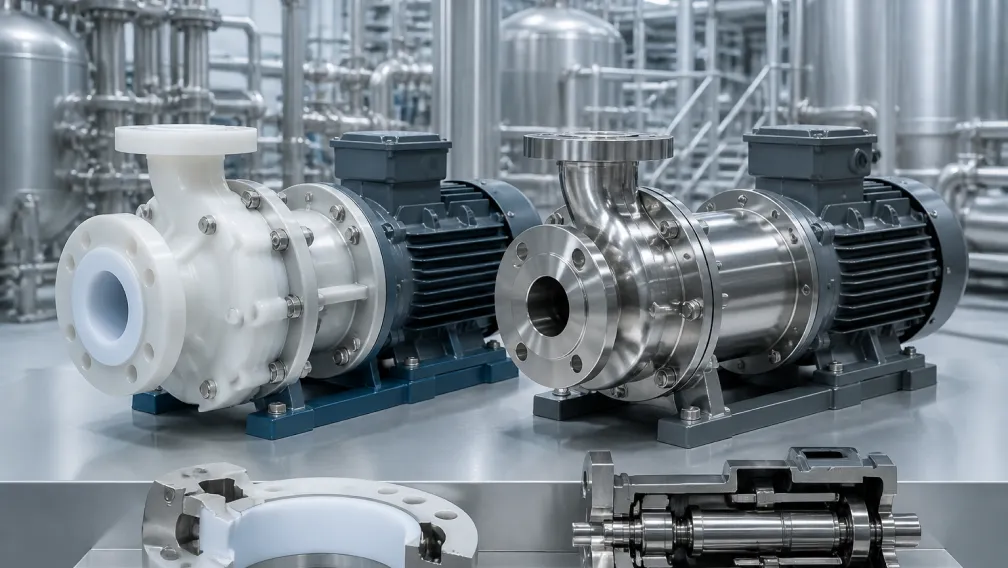
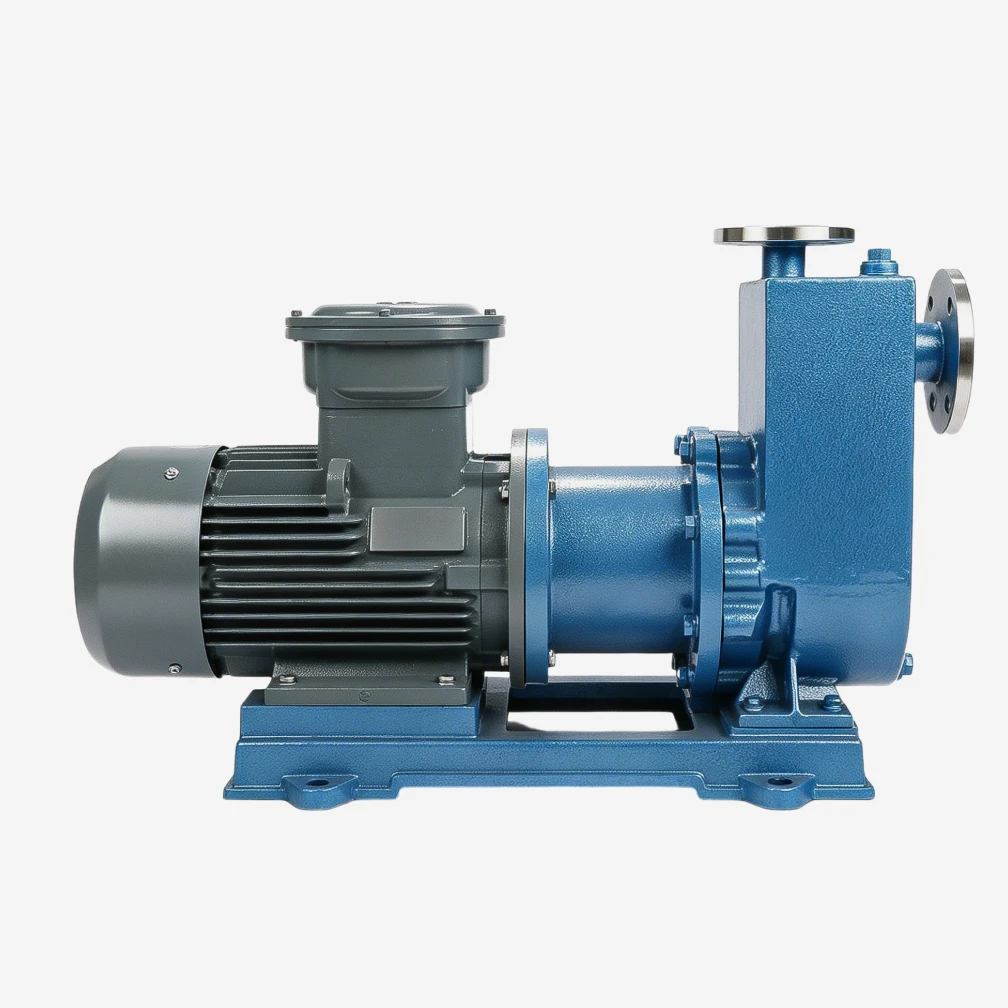
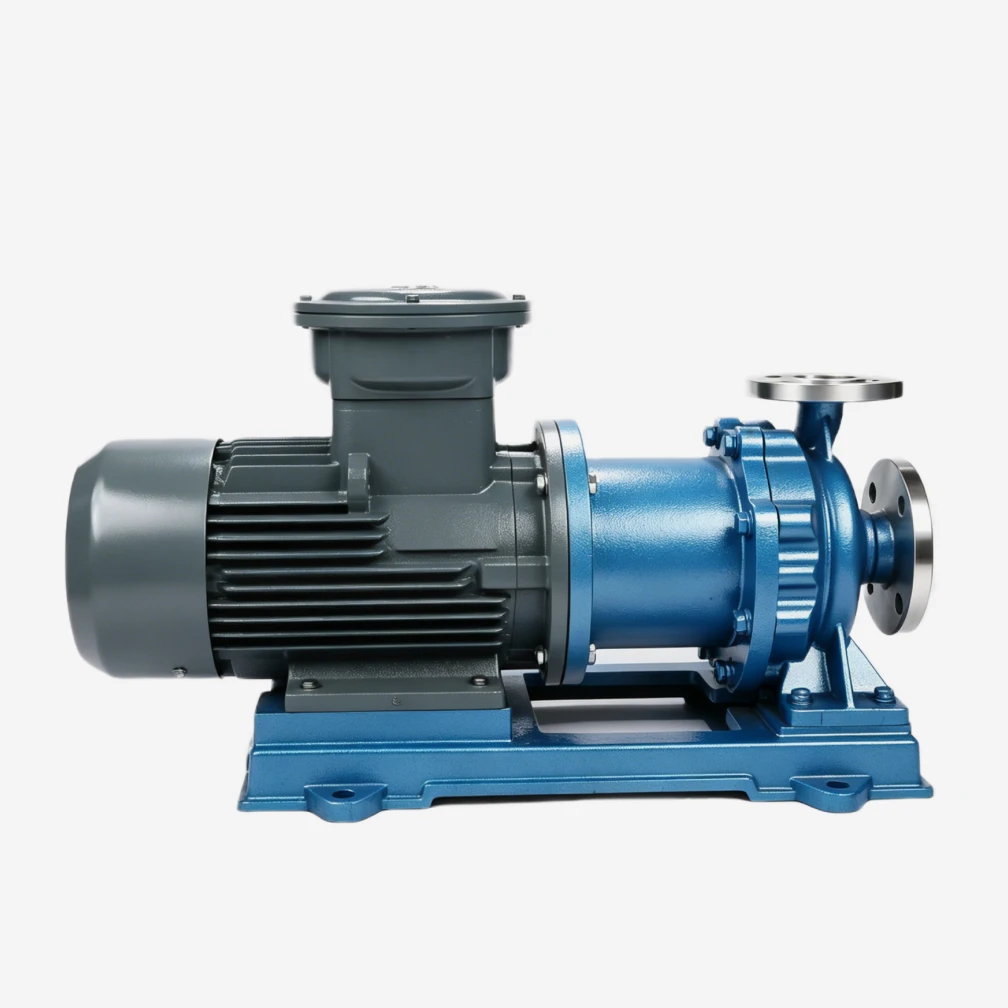
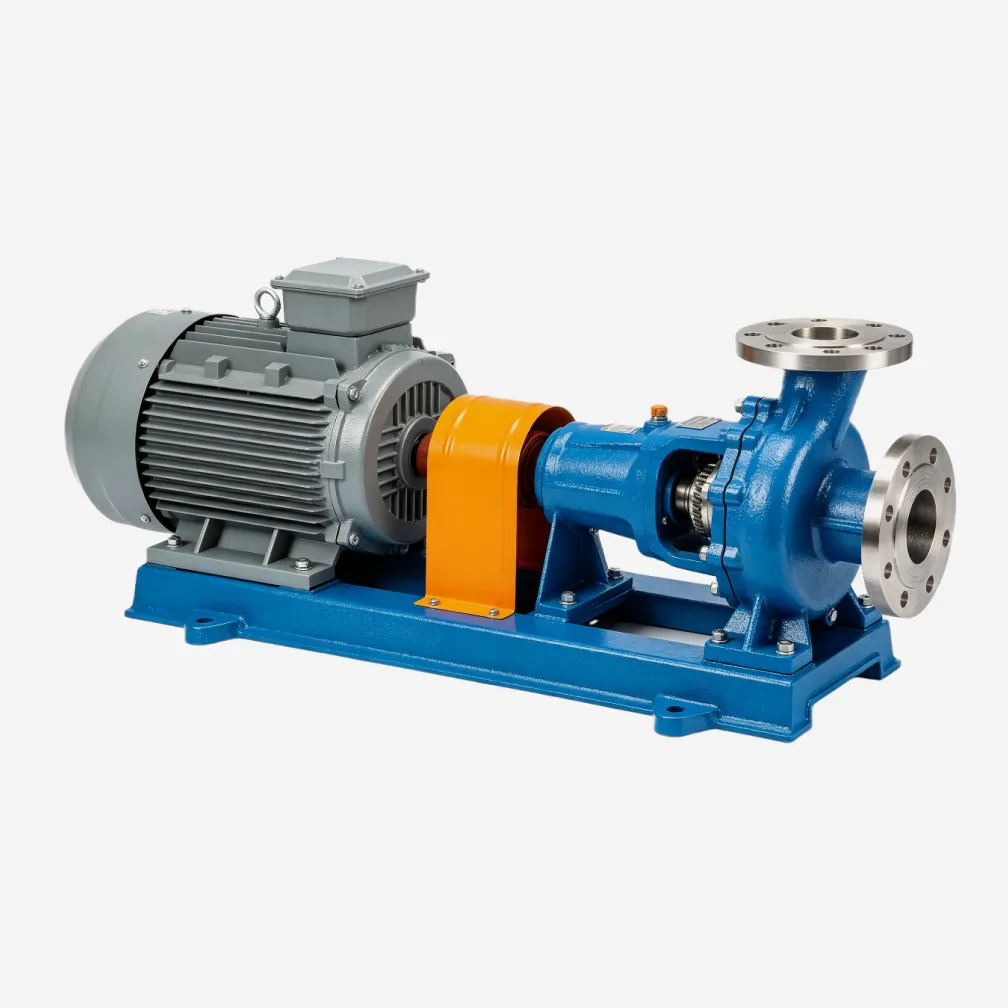
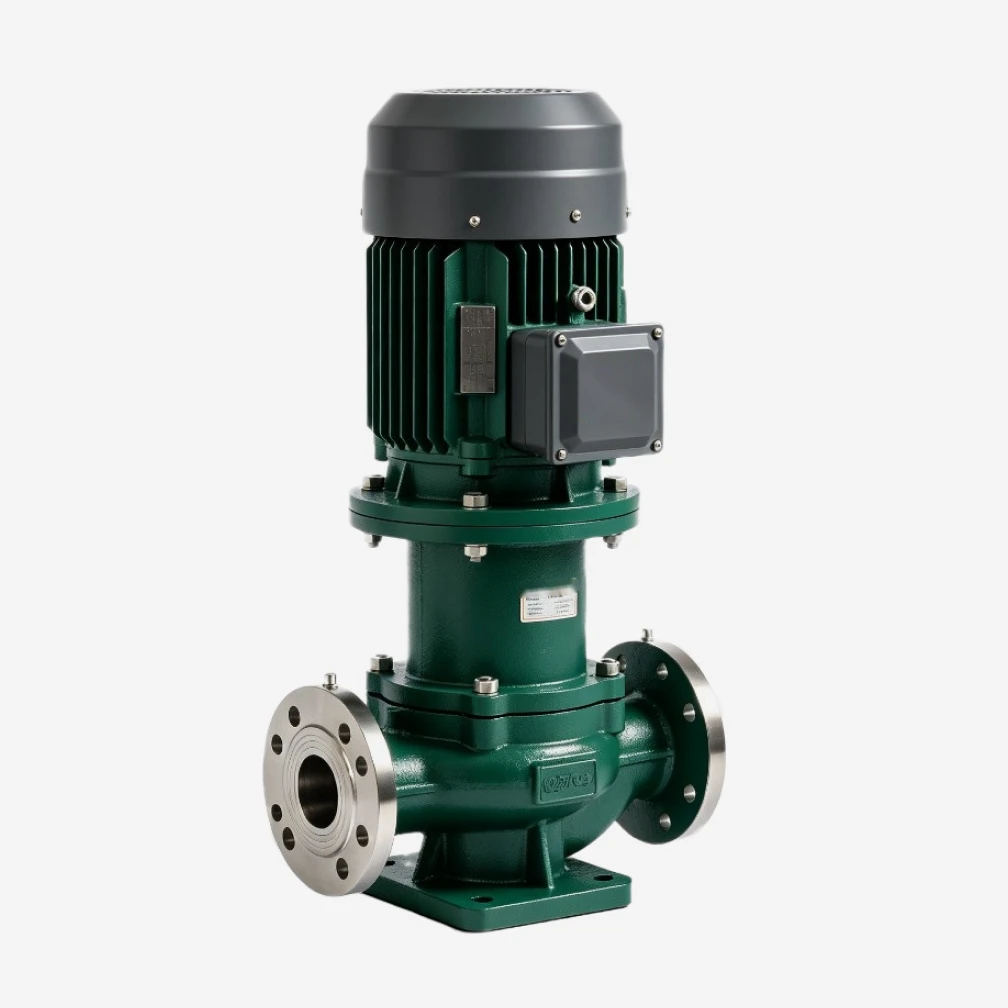
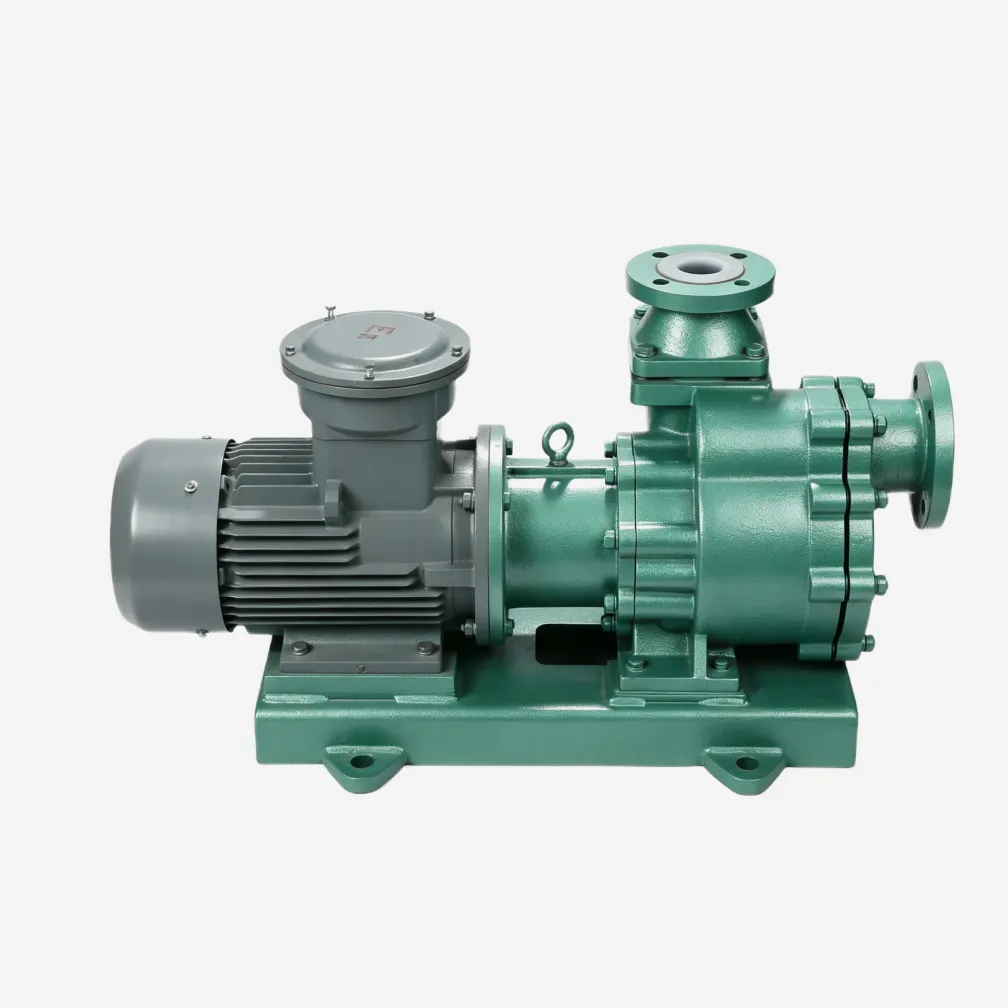
Applicable models: YFLK (Yftel) fluorine-lined and stainless steel chemical centrifugal pumps. Designed for conveying corrosive fluids such as acids, alkalis, salts and oxidants across chemical processing, fine chemicals, electroplating, hazardous wastewater treatment and pharmaceutical intermediate production.
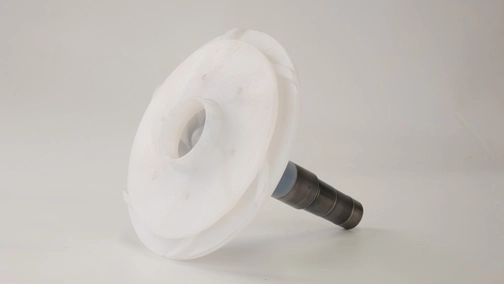
Chemical centrifugal pumps are core equipment for fluid transfer under corrosive service conditions. Unlike clean water pumps, fluorine-lined and stainless steel chemical pumps are exposed to highly aggressive media over extended periods, prone to distinctive failures such as media permeation, seal face corrosion, lining blistering, cavitation and shaft sleeve corrosion failure. Many pumps are not retired naturally at the end of their design life; instead, they suffer premature damage caused by improper start-stop operation, inadequate routine inspection, and lack of flushing & displacement after shutdown. Standardized operation management, periodic maintenance and post-shutdown anti-corrosion treatment are the most direct measures to extend the service life of YFLK (Yftel) chemical centrifugal pumps, reduce spare parts expenditure and mitigate safety risks from media leakage. This article provides a full walkthrough covering pre-start inspection, priming and startup, in-service routine monitoring, controlled shutdown, long-term idle protection, and key operating guidelines for supporting submersible chemical pumps.
1. Pre-Start Inspection Checklist (Mandatory for Newly Installed, Overhauled or Long-Idle Pumps)
For corrosive service, inspection standards are stricter than general water pumps, with special focus on sealing systems, lining integrity and piping cleanliness.
- Rotate the rotor by hand (barring check): Turn the coupling manually. The rotor should rotate smoothly without binding, lining scraping or metal friction noise. If friction occurs, check the clearance between impeller and pump lining or mechanical seal faces. Never start the pump with known faults.
- Verify bearing lubrication: Check lubricant level and condition. Oil must be free of turbidity and emulsification. Emulsified oil indicates seal leakage; resolve the seal issue and replace lubricant before commissioning.
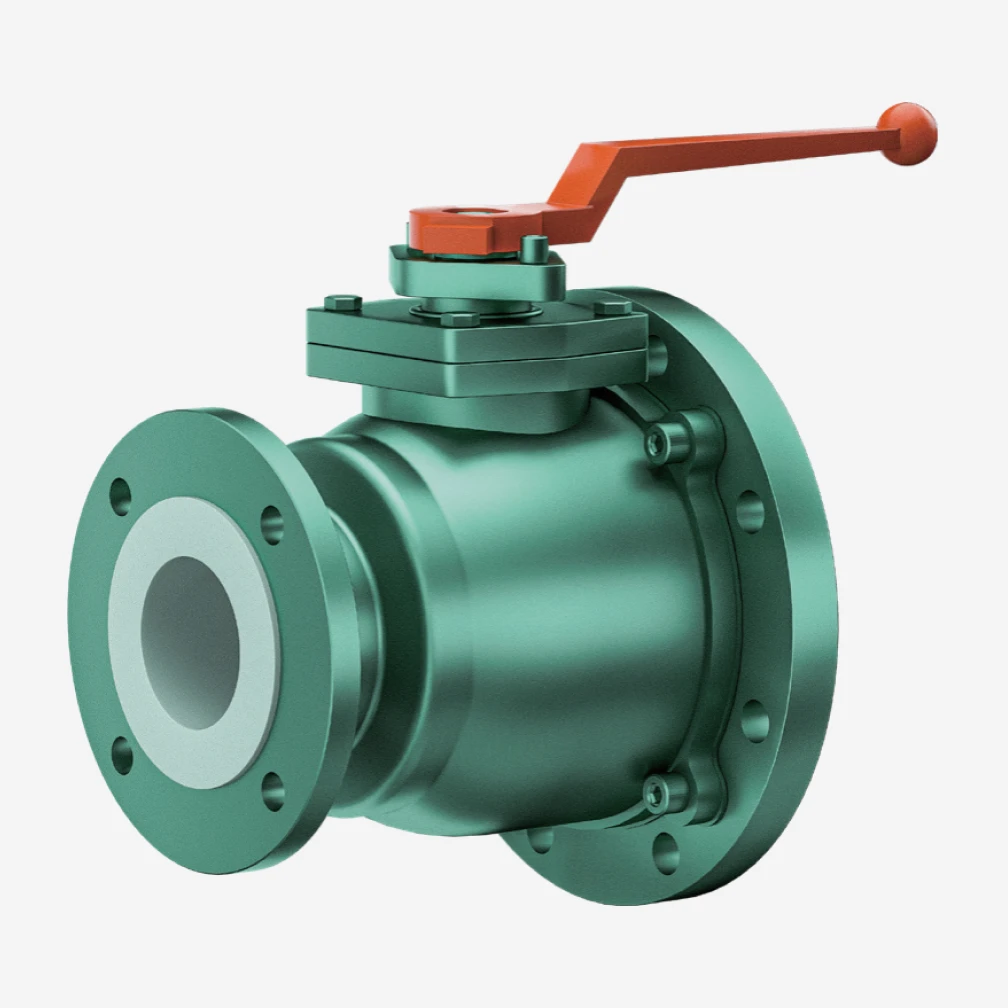
- Test valve functionality: Confirm the outlet isolation valve opens and closes freely. For pumps fitted with mechanical seal flush plans, ensure flush lines are unobstructed and flush fluid is chemically compatible with process medium to avoid crystallization and seal face corrosion.
- Tighten all fasteners: Check motor anchor bolts, pump body flange bolts, seal gland bolts and coupling fasteners. Loose PTFE/FKM flange gaskets on fluorine-lined pumps frequently lead to corrosive leakage.
- Clean suction side: Remove debris and crystalline deposits from suction tanks and suction strainers. Hard particles can scratch fluorine lining, erode impellers and damage SiC/SiC mechanical seal faces. Basket strainers are recommended for crystallizing media.
- Confirm rotation direction: Jog the motor to verify rotation matches the marking on the pump casing. Reverse rotation causes immediate dry-running damage to mechanical seals, one of the top failure modes in corrosive pumping service. Recheck after new installation, overhaul or wiring modification.
- Calibrate instruments and control system: Ensure pressure gauge, vacuum gauge, flow transmitter and temperature sensors read accurately. Verify interlock logic (low level, overcurrent, bearing overtemperature) works correctly for remote monitoring systems.
- Pre-application compatibility check: Confirm wetted parts, gaskets and seal materials are compatible with the process fluid. Prepare compatible flushing solvent for media prone to crystallization.
2. Priming & Startup Procedures
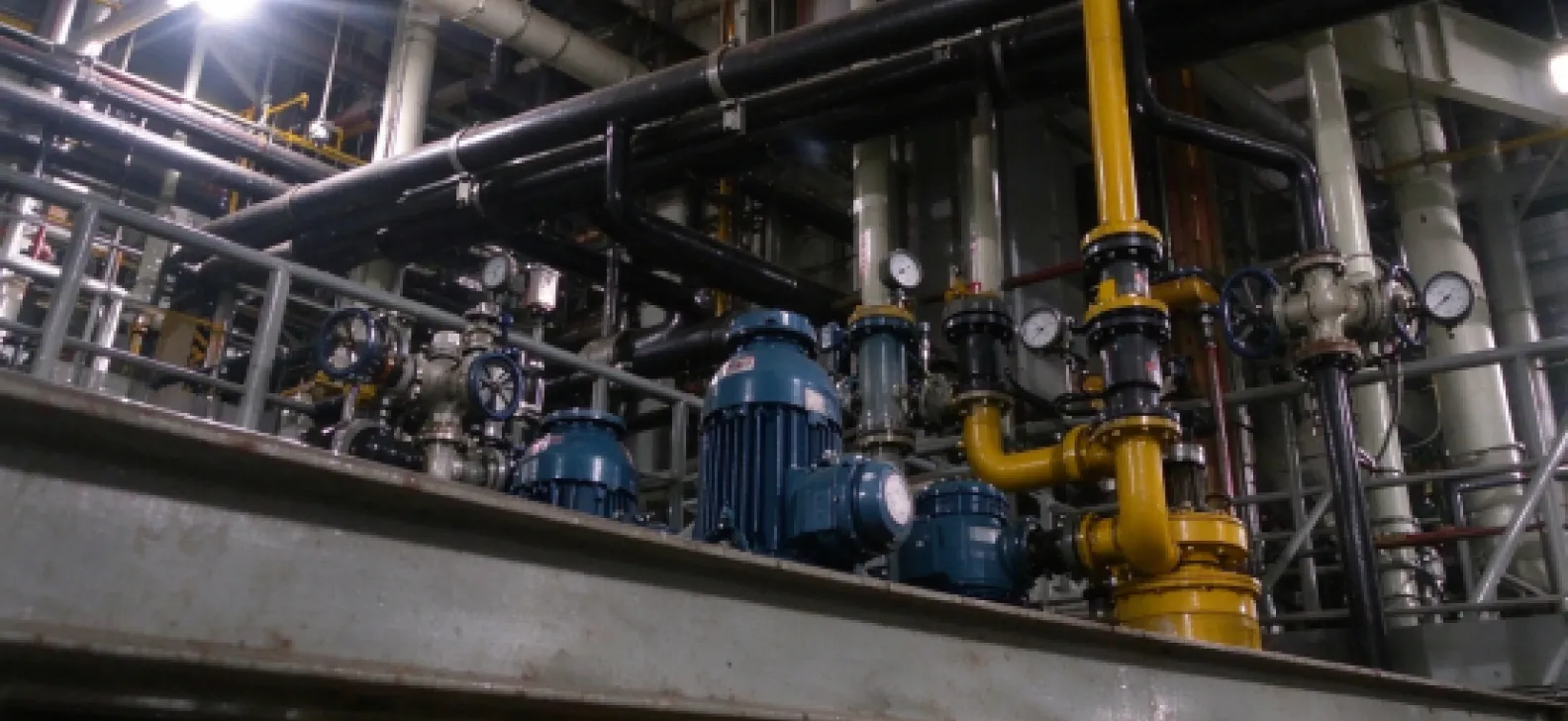
Chemical centrifugal pumps rely on centrifugal force and must be fully primed with liquid before startup; gas binding is a major root cause of no-flow conditions and dry seal failure.
Priming Methods
- Flooded suction installation (liquid level above pump centerline): Open the inlet valve and pump vent valve. Keep venting until steady liquid discharge free of bubbles is observed, then close the vent valve. This configuration is widely used for tank transfer in chemical plants.
- Non-flooded suction installation: Small units can be primed via overhead tank filling. Large fluorine-lined chemical centrifugal pumps typically use a liquid ring vacuum pump for evacuation.
Critical note: YFLK fluorine-lined and stainless steel chemical centrifugal pumps must never run dry. Without process liquid, mechanical seal faces suffer rapid dry friction failure. Dry friction heat will deform and delaminate fluorine lining.
Startup Sequence (Valve-Closed Startup)
- Confirm full priming and deaeration, keep the outlet valve closed.
- Keep personnel clear of couplings and flange joints to avoid injury from corrosive spray, then energize the motor.
- Once stable speed is reached, open root valves for pressure gauge and vacuum gauge. A stable shut-off head reading on the pressure gauge confirms pressure build-up.
- Gradually open the outlet valve to adjust flow to rated process condition. Track readings of vacuum gauge, pressure gauge and motor ammeter.
Limit shut-off operation to 2–3 minutes maximum. Extended dead-head operation recirculates liquid inside the pump, causing temperature rise, medium volatilization, crystallization, fluorine lining aging and seal overheating.
Abnormal response:
- Motor hums but does not rotate: Cut power immediately; check for binding, phase loss or wiring faults.
- Pump runs with no liquid discharge: Shut down immediately; troubleshoot gas binding, blocked suction, air ingress or reverse rotation.
3. Online Operation Management & Routine Inspection
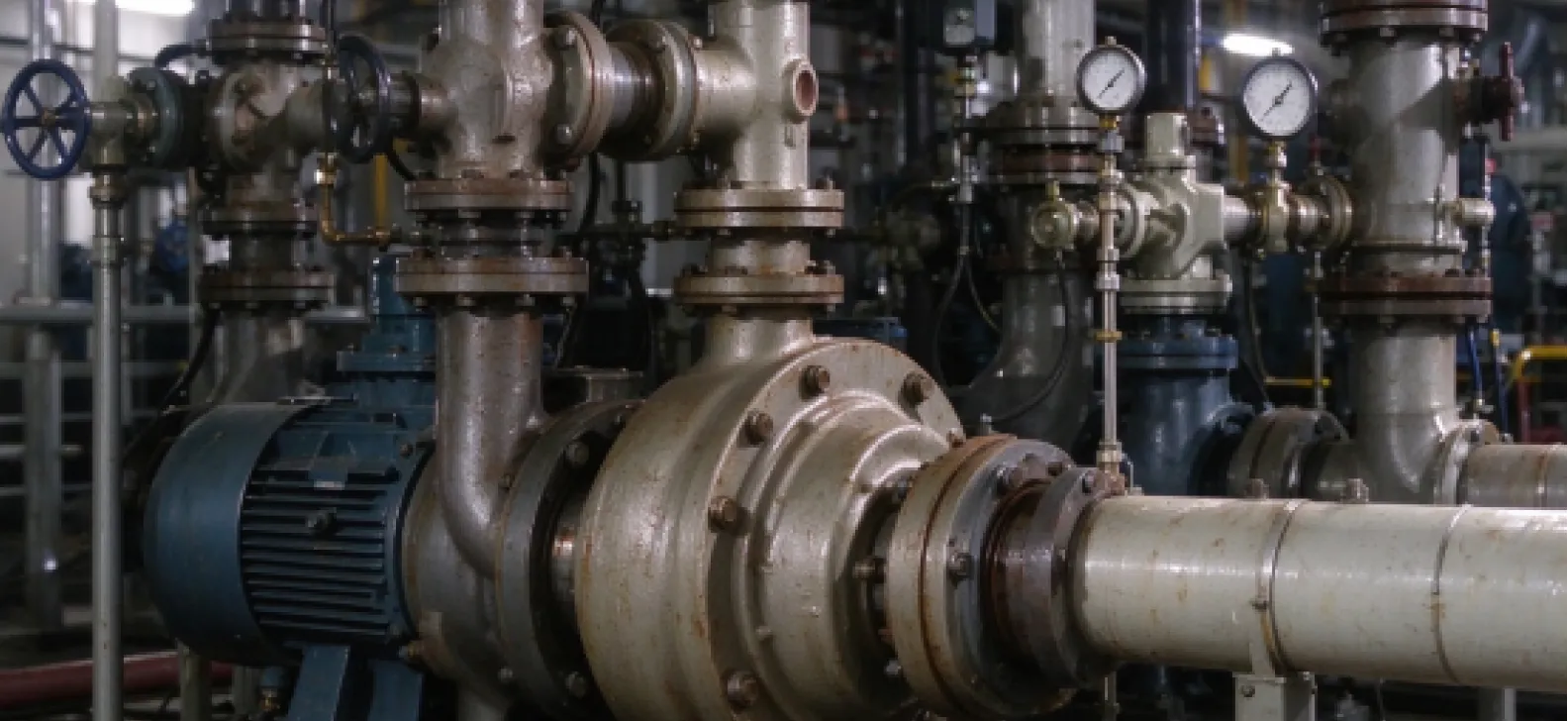
For corrosive service, routine monitoring covers not only pressure and current but also seal leakage, crystallization and hidden corrosion damage. Maintain operation log sheets.
- Record running data: Log start/stop time, medium type & concentration, temperature, inlet/outlet pressure and seal status. Historical data supports predictive maintenance for seal and impeller wear cycles.
- Monitor noise and vibration: Smooth operation produces uniform, continuous sound. Abnormal noise or vibration signals cavitation, impeller erosion, coupling misalignment, bearing damage or air ingestion. Stop the pump for inspection immediately. Cavitation is far more destructive for chemical pumps; bubble collapse rapidly erodes impellers and fluorine lining.
- Control bearing temperature and lubrication: Bearing temperature rise shall not exceed 30°C above ambient temperature, with a maximum bearing temperature of 75°C. Stop the pump if the housing feels excessively hot by hand. Grease-lubricated rolling bearings: First re-grease after 80–100 hours of runtime; regular interval approx. 2400 hours. Molybdenum disulfide grease doubles this interval. Oil-lubricated bearings: Change oil every 240 hours. Maintain oil level between the two marks on the sight glass. Replace oil immediately if contaminated by process medium.
- Seal leakage control (core for chemical pumps): Packing seal: Acceptable leakage is dripping flow of 20–150 drops per minute; continuous stream leakage is out of tolerance. Adjust the packing gland evenly; unilateral tightening causes accelerated shaft sleeve wear. Mechanical seal (SiC vs SiC, SiC vs alumina ceramic): Only faint wetting is permitted. Continuous dripping leakage is unacceptable. Once corrosive fluid penetrates into the bearing housing, shaft sleeves and lubricant will be damaged quickly. Shut down for repair in case of leakage for toxic or highly corrosive media.
- Recheck fasteners periodically: Thermal expansion from temperature cycling loosens bolts, causing leakage. Realign couplings and retighten anchor and flange bolts on schedule.
- Interpret instrument trends: Rising vacuum gauge reading: Suction strainer blockage or falling tank liquid level, high cavitation risk. Rising pressure gauge reading: Downstream piping or heat exchanger blockage. Falling pressure gauge reading: Air ingress on suction side, impeller fouling/crystallization or speed drop. Ammeter reading out of rated range: Overflow, higher medium density or rotor binding (high current); gas binding or cavitation (low current).
- Cooling and flush circuit maintenance: For pumps with bearing water cooling or mechanical seal flush plans, keep cooling and flush lines unobstructed. Stop the pump once cooling fails to prevent seal and bearing thermal damage.
- Suction level supervision: Reduce load or stop pumps when liquid level drops below the minimum design level to avoid cavitation. This risk is prominent for wastewater and acid pickling applications during low inflow periods.
- Freeze and crystallization protection: If the medium solidifies or crystallizes easily, or ambient temperature is below freezing point, flush and drain the pump cavity after shutdown to prevent lining cracking and component jamming.
4. Proper Shutdown Procedure (Prevent Backflow, Water Hammer & Residual Corrosion)
Chemical pump shutdown prioritizes seal protection and elimination of trapped corrosive fluid, plus mitigation of water hammer impact on lining and gaskets.
- Close root valves of pressure gauge and vacuum gauge first.
- Slowly close the outlet isolation valve, then cut off motor power (valve-closed shutdown).
- Wipe off residual liquid and sludge on pump and motor surfaces.
- Short-term standby: Keep inlet valve open and perform regular barring. Flush pump cavity with compatible solvent for crystallizing media.
- Long-term idle or winter shutdown: Fully drain pump cavity, seal chamber and wetted piping. Circulate compatible flushing liquid through flow passages then dry.
- High-head pump water hammer protection: Water hammer can damage fluorine lining, flange gaskets and seal assemblies. Keep water hammer elimination equipment functional for both planned and emergency shutdown.
Many fluorine-lined pumps are scrapped prematurely not from wear, but by residual corrosive medium trapped inside the pump for long periods, leading to permeation and lining blistering.
5. Installation & Operation of YFLK (Yftel) Submersible Chemical Pumps
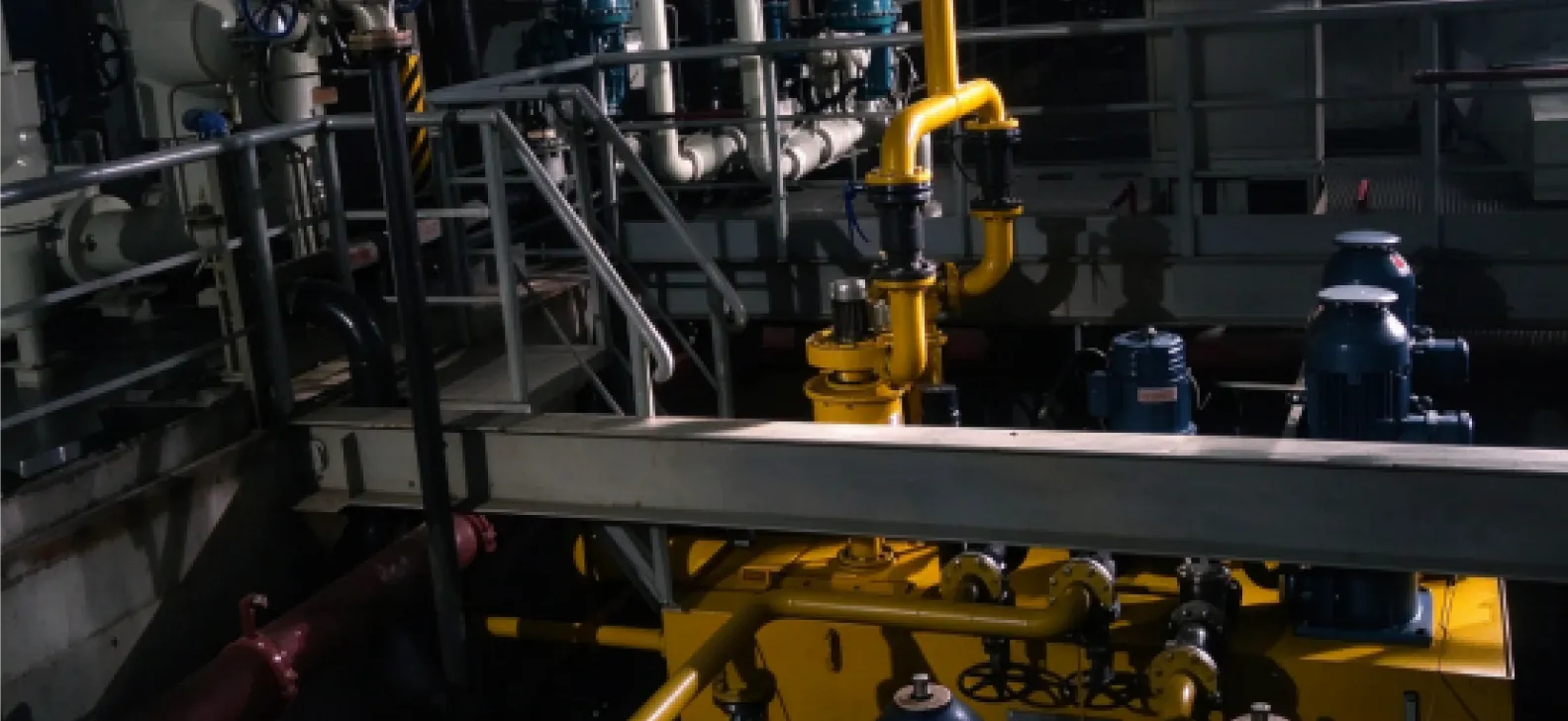
For submerged transfer in pickling tanks, wastewater sumps and chemical basins.
- Two installation types: fixed guide-rail mounting with flange coupling, and portable type connected to flexible corrosion-resistant hose. Ensure the pump is fully submerged below liquid surface.
- Pre-commissioning inspection: Inspect casing, lining and impeller for impact damage during transit or storage; confirm all fasteners are secured.
- Oil chamber check: Check oil chamber oil level and oil condition. Medium ingress into the oil chamber means primary seal failure; do not start.
- Barring check: Hand bar the impeller to confirm free rotation without scraping.
- Electrical check: Verify supply voltage and frequency match nameplate. Swap any two phases if rotation is reversed.
- Cable inspection: Cable jacket must be intact and terminal box sealing sound. Never lift or drag the pump by power cable, which damages cable gland sealing and allows medium ingress into the motor.
- Insulation test: For new pumps or pumps after long storage, test insulation resistance to earth with a megohmmeter (reading must exceed specified safe limits). Dry windings if insulation is insufficient.
- Explosion-hazardous areas: Mount control panels away from sump openings to avoid accumulation of flammable vapors.
- Portable submersible pump post-use care: Lift the pump out after operation, flush internally and externally with clean water, and run briefly in clean water for 1–2 minutes to remove crystalline residue. Avoid permanent submersion in corrosive liquid, especially in freezing weather.
- Handling and dry running: Handle carefully; fluorine-lined components crack easily under impact. Dry running test shall not exceed 2–3 minutes. Always cut power before repositioning.
- Startup torque reaction: Large submersible pumps generate substantial rotational torque on startup. Secure hose joints firmly to prevent disconnection and corrosive spray, and avoid collision with tank walls.
6. Closing Remarks
The service life of YFLK (Yftel) fluorine-lined and stainless steel chemical centrifugal pumps depends on correct material selection, proper process matching and disciplined maintenance. Following standardized pre-start checks, controlled startup, routine patrols and post-shutdown flushing greatly reduces premature failure of mechanical seals, impellers and fluorine lining, minimizing unplanned downtime and hazardous release risk. Contact our engineering team for customized maintenance and mechanical seal flush plans for special media including hydrofluoric acid, strong oxidants and high-solids crystallizing brine.
7. Frequently Asked Questions (FAQ)
- Q1: Why is dry running strictly forbidden for YFLK fluorine-lined chemical pumps?
A1: Dry running removes the liquid lubrication for mechanical seal faces, causing instant thermal damage to the seal pair. The heat from friction also causes fluoropolymer lining deformation, blistering and delamination. - Q2: What is the maximum allowable shut-off running time?
A2: No more than 2–3 minutes. Longer dead-head operation heats the recirculated medium inside the pump, triggering crystallization, lining aging and seal burnout. - Q3: How to judge acceptable leakage for mechanical seals on corrosive chemical pumps?
A3: Standard mechanical seals for corrosive service should only show faint wetting. Continuous dripping leakage indicates seal failure and requires immediate shutdown. Packing seals allow controlled dripping of 20–150 drops per minute. - Q4: What should we do for pumps handling crystallizing media during shutdown?
A4: Flush the entire wetted cavity and seal chamber with compatible solvent or clean water immediately after shutdown to dissolve and remove crystal deposits. Residual crystals will jam the impeller and abrade seal faces on next startup. - Q5: What insulation requirement applies to YFLK submersible chemical pumps?
A5: The motor insulation resistance to earth must be rigorously verified with a megohmmeter before commissioning. Low insulation indicates moisture ingress into windings. - Q6: Why check rotation direction for every new pump or overhaul?
A6: Reverse rotation will destroy mechanical seal faces by dry friction in corrosive pumps, and can also damage impeller and hydraulic components. - Q7: How to protect pumps during winter idle periods?
A7: Drain all trapped liquid completely and flush the pump. For media prone to freezing, residual liquid expansion will crack pump casing and fluorine lining.
-

YFTEL Pumps
Fluid Engineers & Technical Support, YFTEL Pump
YFTEL is a chemical pump manufacturer based in Hangzhou, China, with a 26,000 m² production base in Hangzhou, China, with a 26,000 m² production base in Anhui. Using the CAS-patented Fluoroplastic Alloy material, we produce 300+ models of corrosion-resistant pumps, valves and piping, exported to 30+ countries.