
 English

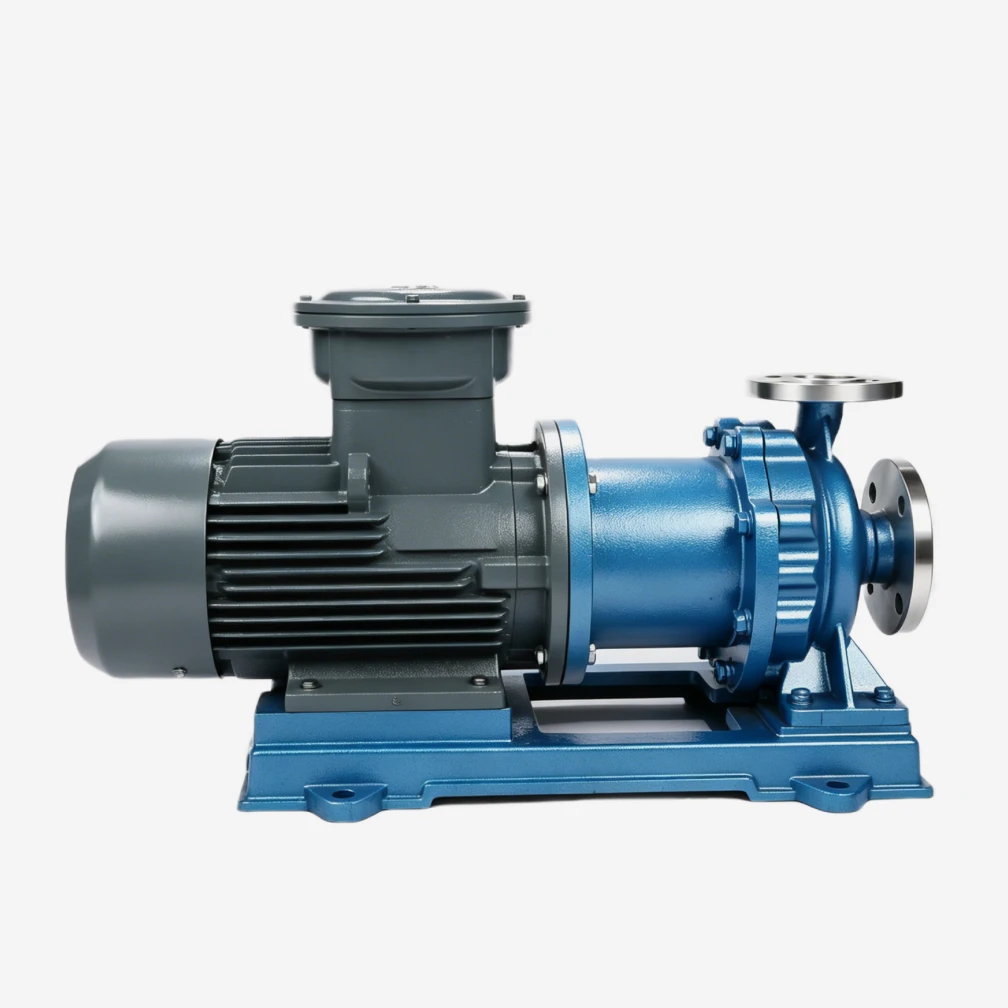
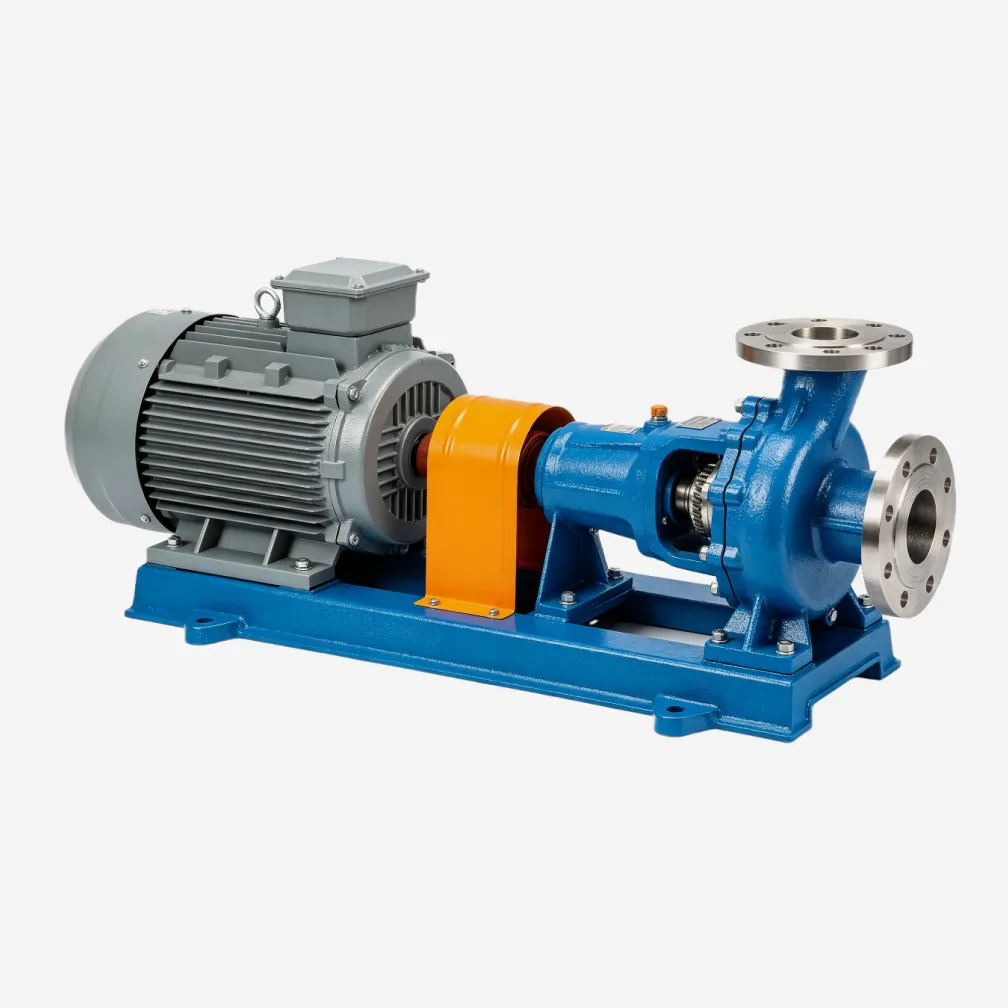
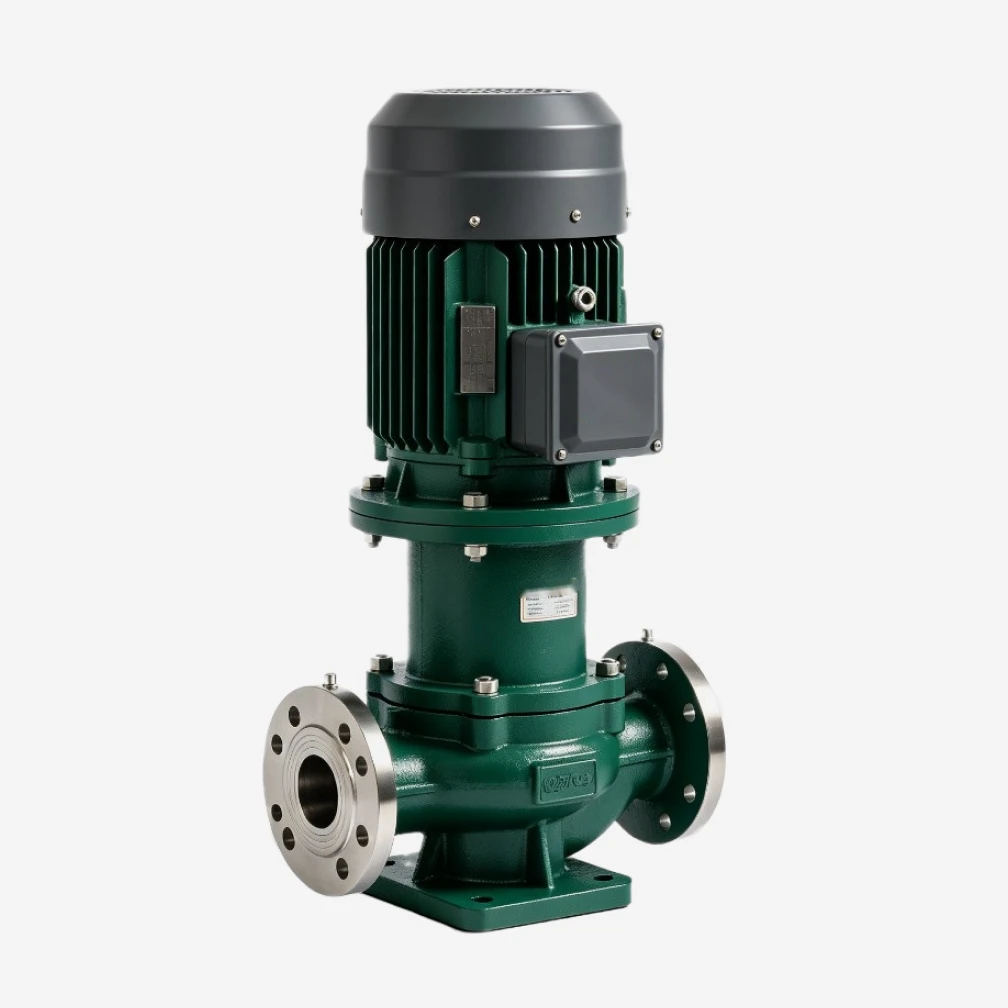
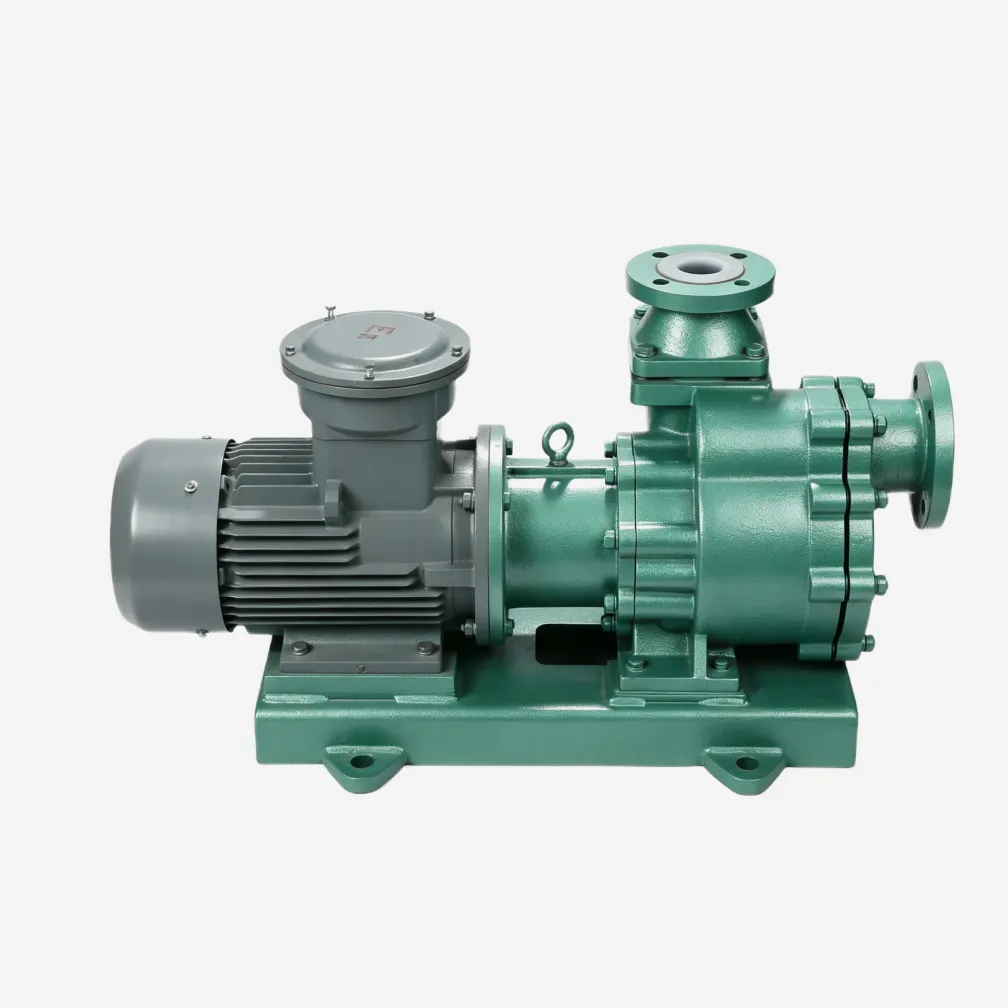
The sealing system is one of the core components that determine the long-term stable operation of chemical centrifugal pumps.
For fluorine-lined and stainless steel chemical pumps handling corrosive media, seal failure means far more than minor dripping. Once the seal fails, corrosive fluid may leak out, triggering corrosion of seal faces, sleeve and shaft, ground corrosion, environmental risks, unplanned downtime and safety hazards.
Therefore, during pump selection and daily maintenance for chemical processes, it is critical to judge whether a mechanical seal or a dynamic sealing structure is better suited for your working conditions.
This guide covers working principles, application scenarios, pros & cons and selection recommendations to help YFLK users make clear sealing decisions.
Why Seal Design Matters for Chemical Centrifugal Pumps
Seal failure on clean water pumps mostly causes unstable flow and pressure. But for fluorine-lined and stainless steel chemical centrifugal pumps, corrosive media escalate the consequences:
- Leakage of hazardous corrosive fluids, damaging pump casings, piping and foundations
- Corrosion, scaling and sticking on mechanical seal faces
- Shaft sleeve and shaft damage when media penetrates along the shaft
- Unplanned shutdown that interrupts continuous chemical production
- Safety and environmental compliance risks from toxic or corrosive spillage
A pump seal is not merely a leak-proof fitting; it protects equipment lifespan, operational safety and overall production cost control.
Two Common Seal Types: Mechanical Seal & Dynamic Seal
Two sealing solutions are widely discussed for chemical centrifugal pumps:
- Mechanical Seal
- Dynamic Sealing Structure (Non-contact Dynamic Seal)
Both aim to prevent leakage, yet their working mechanisms are completely different.
2.1. Mechanical Seal: Precision Mating Faces for Low Leakage
The mechanical seal is the classic, most widely adopted sealing solution for chemical centrifugal pumps.
Main components include:
- rotating ring,
- stationary ring,
- spring/bellows assembly,
- auxiliary O-rings,
- driving parts.
Working principle: Two ultra-flat sealing faces (one rotating with the shaft, one stationary) are pressed together by spring or bellows preload. An ultra-thin lubricating liquid film forms between the faces during operation. This thin film allows relative rotation while restricting bulk leakage, achieving near-zero leakage under normal service.
2.2. Application of Mechanical Seals on YFLK Chemical Pumps
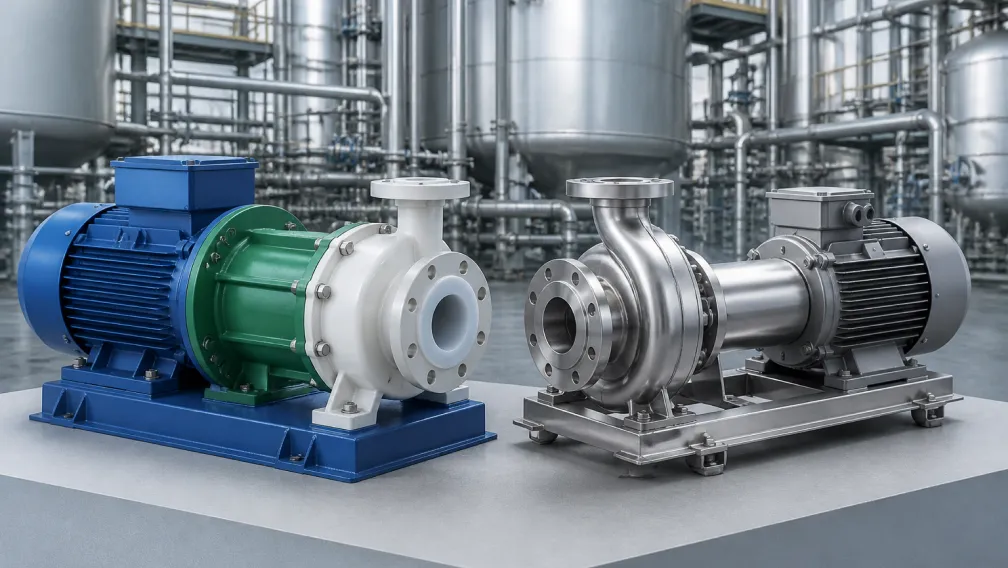
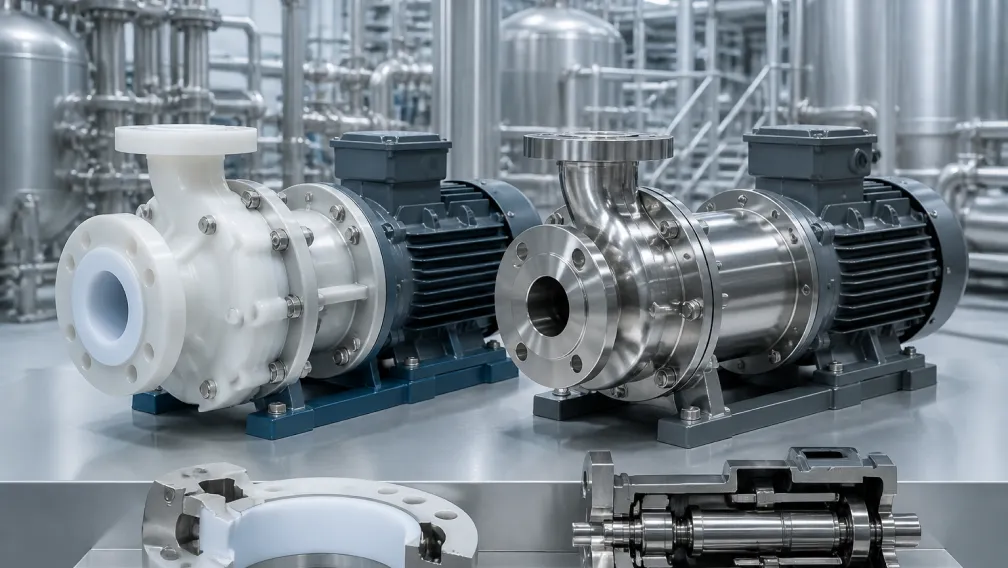
YFLK fluorine-lined and stainless steel chemical centrifugal pumps are configurable with reliable mechanical seals, ideal for:
- Processes requiring strict low-leakage control for corrosive fluids
- Medium and high-pressure service
- Toxic, hazardous media with strict environmental requirements
- Long-term stable operation with controlled maintenance cycles
- Transfer of acids, alkalis, salts and oxidants
Mechanical seals deliver outstanding sealing performance and wide media compatibility, yet they are sensitive to installation precision, shaft misalignment, vibration and medium cleanliness.
2.3. Dynamic Sealing Structure: Fluid Dynamic Barrier
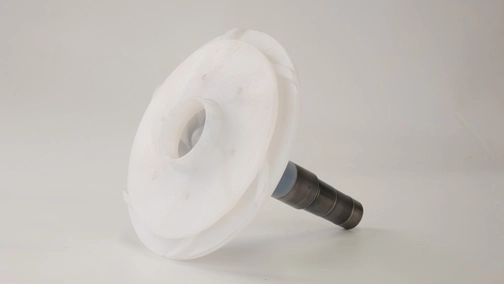
Different from mechanical seals relying on tightly mated faces, dynamic sealing structures build a barrier using hydrodynamic force generated by shaft rotation. A typical design uses a rotating throttler around the shaft. As the shaft spins, fluid flow patterns inside the seal chamber block media from leaking axially along the shaft.
Key features of dynamic sealing:
- Non-contact or lightly contacting design
- No precision mating seal faces like mechanical seals
- Higher tolerance to solid particles, crystallization and corrosive media
- Less maintenance demand under suitable working conditions
Important note: Dynamic sealing is not universal or a simple upgrade. It is optimized for specific pump models and conditions, especially low-pressure, continuous service with particle-laden or crystallizing fluids.
Core Comparison: Mechanical Seal vs Dynamic Seal
| Comparison Item | Mechanical Seal | Dynamic Sealing Structure |
|---|---|---|
| Sealing Principle | Precision mating faces, spring preload, liquid film lubrication | Hydrodynamic barrier formed by shaft rotation |
| Leakage Control | Very low leakage, meets strict leak limits | Controlled leakage during running, narrower application range |
| Pressure Suitability | Suitable for medium & high pressure | Better for low-pressure / low NPSH service |
| Media Compatibility | Broad range: clean, corrosive, organic fluids | Preferred for corrosive, abrasive, particle-bearing media |
| Maintenance Requirement | High installation precision, periodic inspection | Low maintenance for matched conditions |
| Sensitivity to Dry-run / Vibration | Highly sensitive, easy to fail early | Better tolerance to dirty media and certain vibration |
| Auxiliary System | May need flush, cooling or seal liquid systems | Simplified layout, no complex auxiliary systems required |
| Versatility | General-purpose for most chemical centrifugal pumps | Limited to specific pump types and operating conditions |
4. Advantages & Disadvantages of Mechanical Seals
Advantages
- Excellent sealing performance, near-zero leakage under normal operation
- Stable and consistent performance for long-cycle running
- Wide compatibility with different media, temperature and pressure ranges
- Protects shaft, sleeve and bearing assembly from corrosion
- Reduces safety and environmental risks for hazardous fluids
Disadvantages
- Higher initial procurement and installation cost
- Strict requirements for professional installation, alignment and commissioning
- Vulnerable to dry run, heavy vibration, solid particles and crystallization
- Risk of sudden leakage and unplanned shutdown once seal faces are damaged
Advantages & Disadvantages of Dynamic Sealing Structures
Advantages
- Better tolerance to abrasive, crystallizing and highly corrosive media
- Acceptable leakage control during continuous operation
- No complicated external flush or cooling systems, simpler piping layout
- Low maintenance frequency, ideal for non-stop production lines
- More tolerant to dirty media and moderate vibration
Disadvantages
- Limited versatility, cannot replace mechanical seals for all pump applications
- Performance drops under high pressure, not recommended for high-pressure processes
- Relies on rotation; auxiliary static lip seals are required to avoid leakage at standstill
- Slight efficiency loss due to power consumption of rotating throttling components
- Customized pump internal flow design is usually required
How to Select: Mechanical Seal or Dynamic Seal for YFLK Chemical Pumps
There is no absolute "better" option. The selection depends fully on your process priorities.
Choose mechanical seal if:
- Strict leakage control is mandatory
- System pressure is medium or high
- Media is toxic, hazardous or regulated by environmental rules
- You need broad media adaptability
- You can accept higher upfront investment and scheduled maintenance
Choose dynamic sealing structure if:
- Operating pressure is low
- The pump runs continuously 24/7
- Fluid contains solid particles or is prone to crystallization
- On-site flush water is unavailable or will contaminate the process
- Lower lifecycle maintenance cost is your top priority
YFLK Seal Selection Guidance
For most corrosive chemical processes, our recommendations:
- General corrosive media, medium-low pressure, priority on leak control: Mechanical Seal
- Low-pressure continuous service, particle / crystal containing media: Evaluate dynamic sealing
- High-pressure, toxic media with strict emission rules: Mechanical Seal is the safer choice
- Strong corrosion, low inlet pressure, continuous operation: Custom assessment by YFLK engineering team
Critical On-site Operation Notes
- Avoid dry running: mechanical seals rely on process fluid for lubrication and cooling; dry run burns seal faces rapidly.
- Control vibration and shaft alignment: misalignment and piping stress accelerate premature seal failure.
- Analyze media properties: particle content, crystallization tendency, corrosion, viscosity and gas content all affect seal lifespan.
- Reduce unnecessary frequent start-stop cycles: thermal shock and repeated face loading shorten seal service life.
- Match seal material to process fluid: even with the correct seal structure, incompatible material will lead to fast corrosion damage.
Conclusion
Mechanical seals and dynamic seals follow different design philosophies.
Mechanical seals: Best for demanding leakage, pressure and media requirements. Higher upfront cost and maintenance, with superior reliability and versatility.
Dynamic sealing structures: Optimized for low-pressure, continuous, harsh media service. Simplified system and low maintenance, with limited applicable scenarios.
Do not blindly pursue one sealing type. The optimal solution is determined by media, pressure, temperature, operation cycle, environmental regulations and your on-site maintenance capacity.
YFLK (Yftel) provides custom sealing evaluation for fluorine-lined and stainless steel chemical centrifugal pumps, helping you cut leakage risk, reduce unplanned downtime and improve reliability of corrosive fluid transfer systems.
FAQ
- Q1: What is the main difference between a mechanical seal and a dynamic seal?
A1: Mechanical seals rely on precisely mated faces for low leakage. Dynamic seals create a hydrodynamic barrier using rotation force. - Q2: Which seal is preferred for high-pressure chemical pumps?
A2: Mechanical seals are generally more reliable for medium and high-pressure applications, as the mating faces can withstand higher system pressure. - Q3: What are the maintenance differences between the two seal types?
A3: Mechanical seals need regular inspection and flush system maintenance; dynamic sealing is nearly maintenance-free within its design window, cutting routine workload. - Q4: When should dynamic sealing be selected instead of mechanical sealing?
A4: Dynamic sealing is suitable for low-pressure continuous processes with abrasive/corrosive media, where flush water is unwanted or you aim to minimize maintenance. - Q5: Does a mechanical seal cost more but last longer?
A5: Yes. Mechanical seals carry higher initial cost, and deliver long service life with proper installation and maintenance. Dynamic sealing targets lower lifecycle cost by reducing spare parts replacement, while its application scope is restricted. - Q6: Can YFLK supply both mechanical seal and dynamic sealing configurations?
A6: Yes. YFLK engineers recommend suitable sealing schemes based on your exact working conditions for fluorine-lined and stainless steel chemical pumps.
-

YFTEL Pumps
Fluid Engineers & Technical Support, YFTEL Pump
YFTEL is a chemical pump manufacturer based in Hangzhou, China, with a 26,000 m² production base in Hangzhou, China, with a 26,000 m² production base in Anhui. Using the CAS-patented Fluoroplastic Alloy material, we produce 300+ models of corrosion-resistant pumps, valves and piping, exported to 30+ countries.