
 English

Engineering Challenges in Ultra-Aggressive Chemical Transfer
Handling highly reactive, hazardous media such as high-concentration hydrofluoric acid (HF) and fuming sulfuric acid (oleum) represents one of the most severe tests of fluid transfer engineering. Unlike conventional mineral acids, hydrofluoric acid rapidly attacks glass, silica, and standard austenitic stainless steels through aggressive fluoride ion diffusion and hydrogen embrittlement. Similarly, oleum—containing dissolved free sulfur trioxide in sulfuric acid—exhibits extreme dehydrating properties, aggressive corrosivity, and a propensity to crystallize upon minor thermal drops. Specification of wetted components and containment systems in these services demands rigorous adherence to material science principles to prevent catastrophic structural degradation and fugitive hazardous emissions.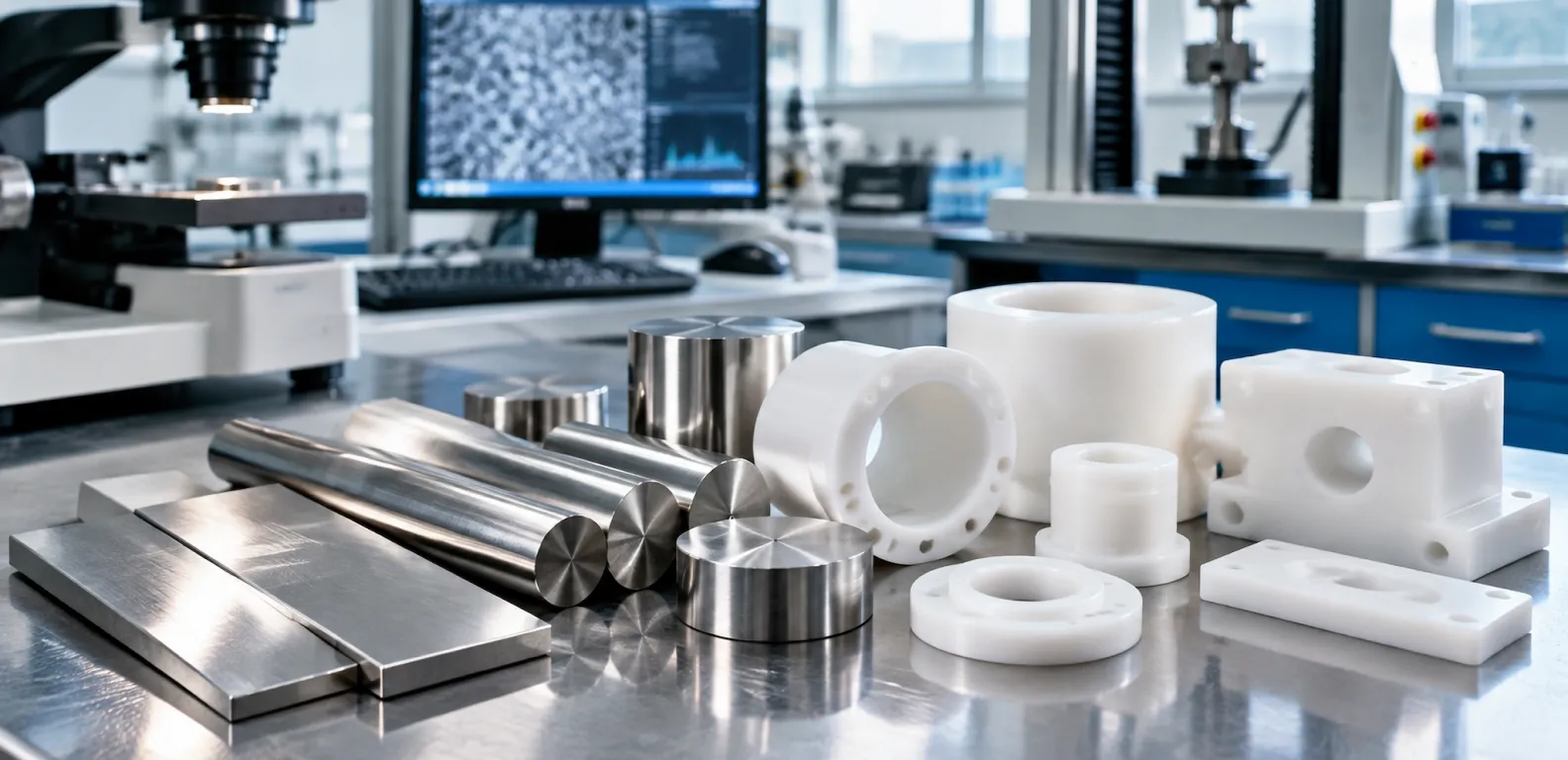
Material Reactivity of High-Concentration Hydrofluoric Acid
Hydrofluoric acid is a uniquely dangerous fluid due to its ability to dissolve silicate materials and penetrate standard metallic crystalline lattices. Anhydrous HF and aqueous concentrations exceeding 60% require specialized metallurgy and high-performance polymers.
Why Metallic Alloys Fail in HF Service
Standard industrial alloys like 304 and 316L stainless steel fail instantly in hydrofluoric acid service because fluoride ions rapidly destroy the passive chromium oxide protective layer. While certain exotic metals like Monel or nickel alloys are utilized under specific anhydrous conditions, they remain vulnerable to localized pitting and stress corrosion cracking when trace moisture or oxidizing agents fluctuate within the process stream. Consequently, non-metallic fluoropolymers have emerged as the primary engineering solution for wetted pump architecture.
Fluoropolymer Inertness: PFA and FEP Performance
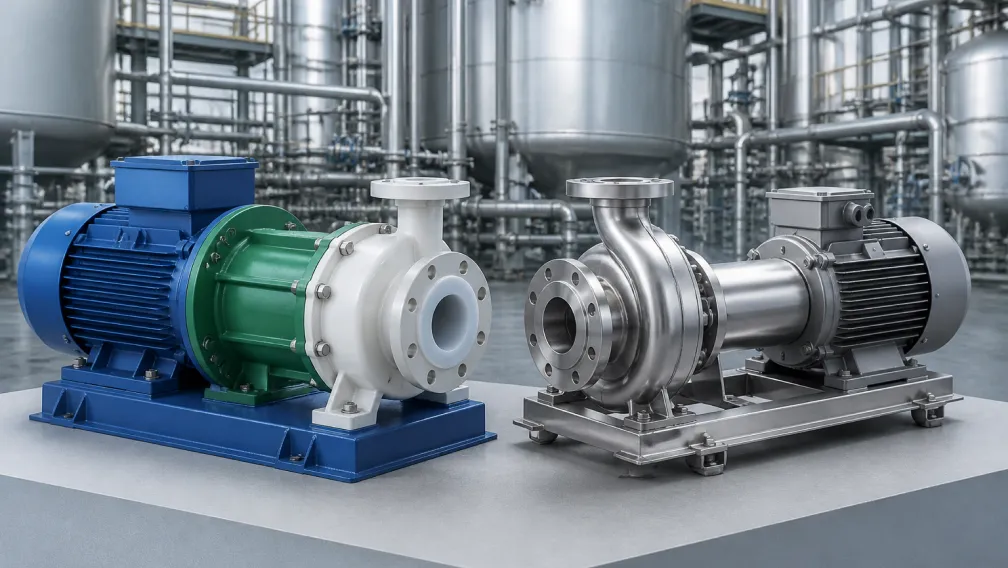
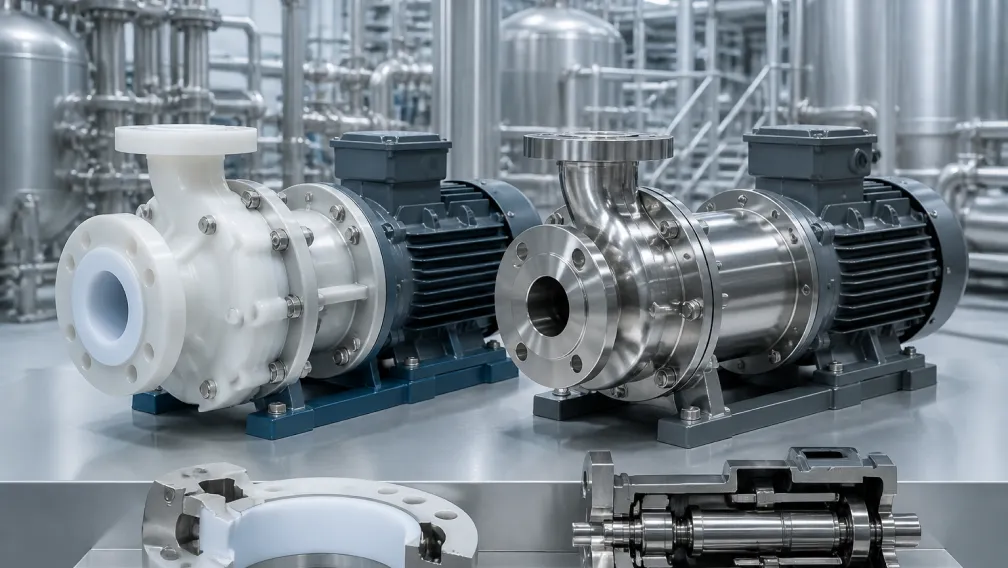
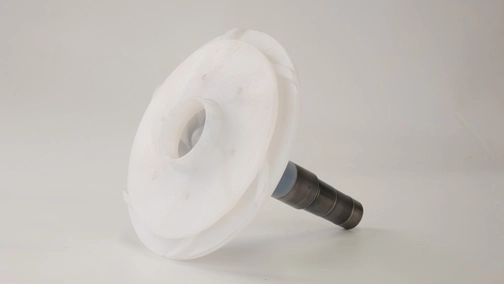
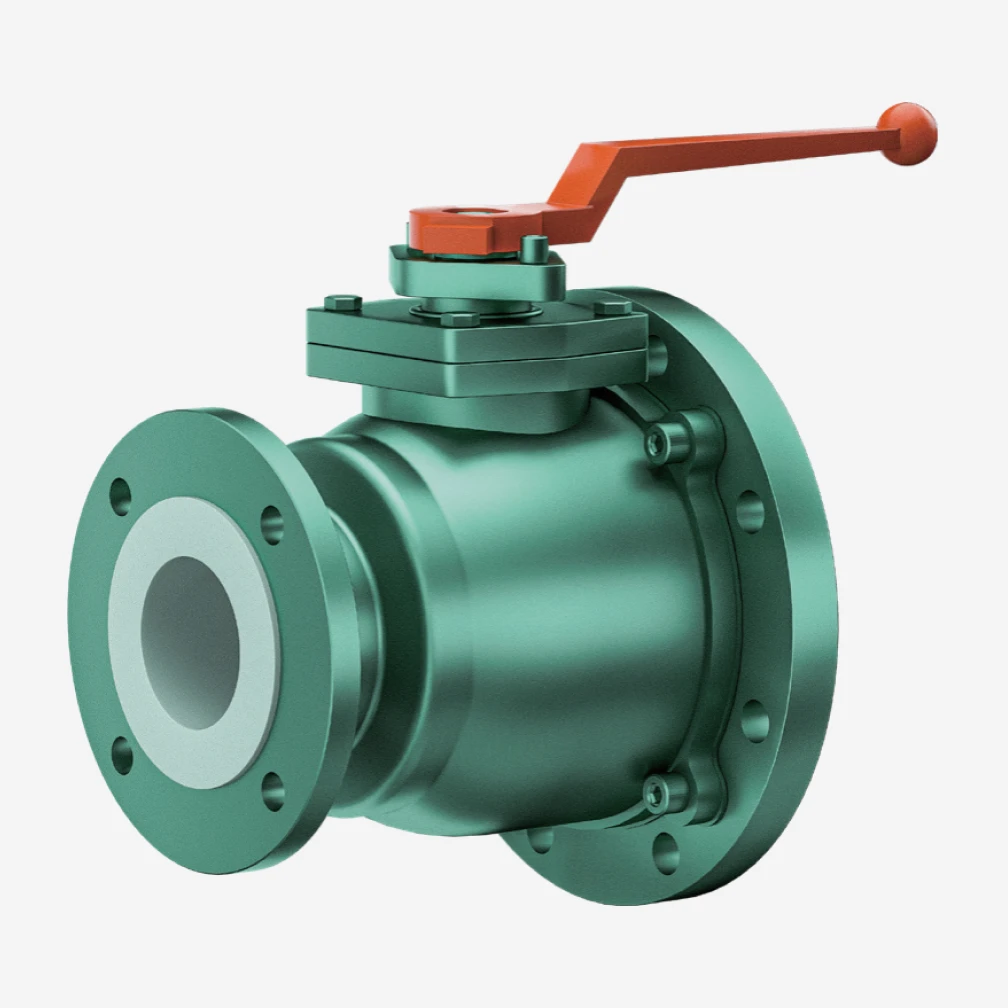
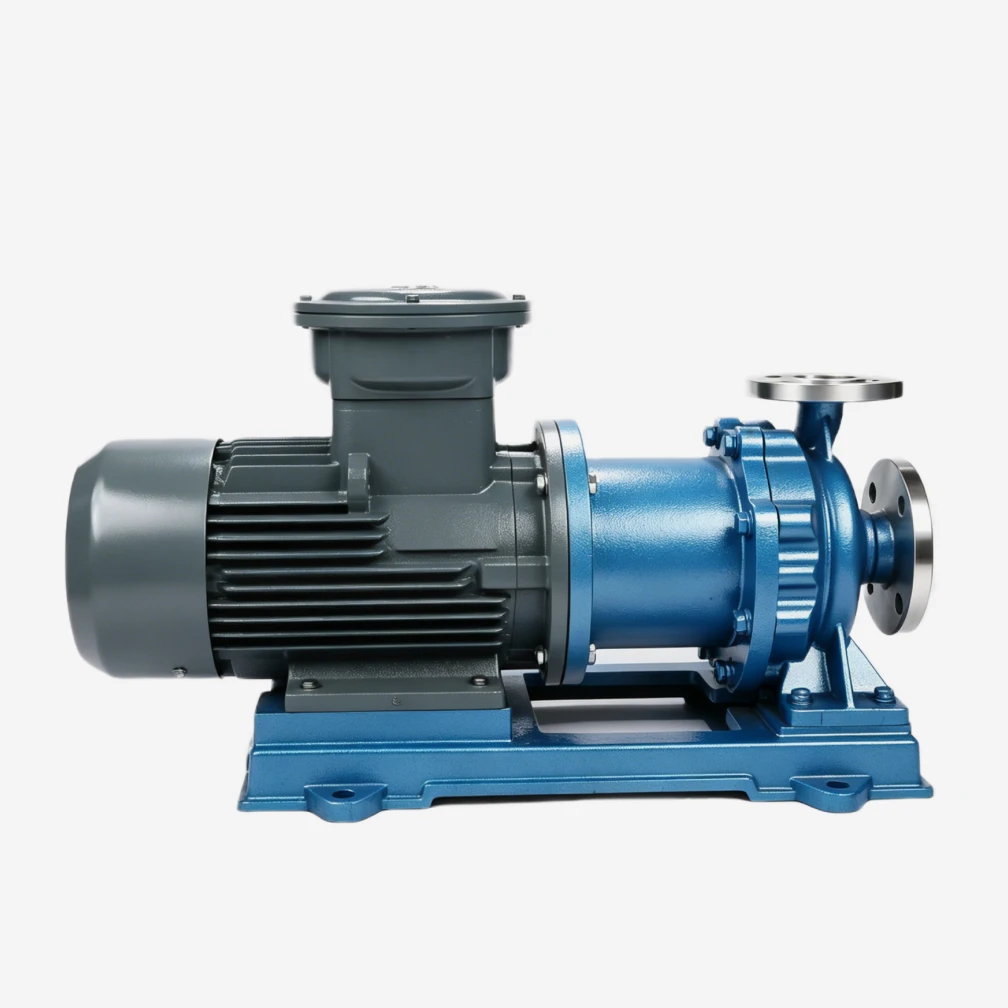
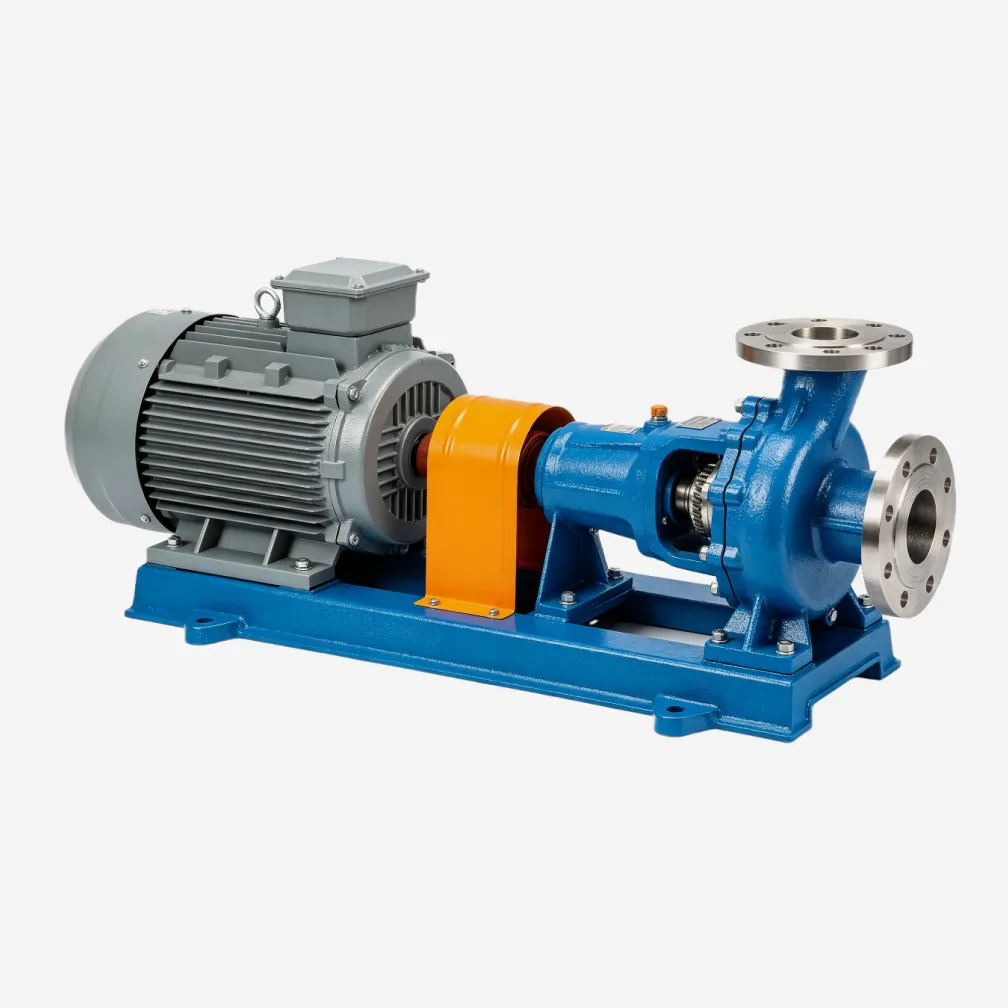
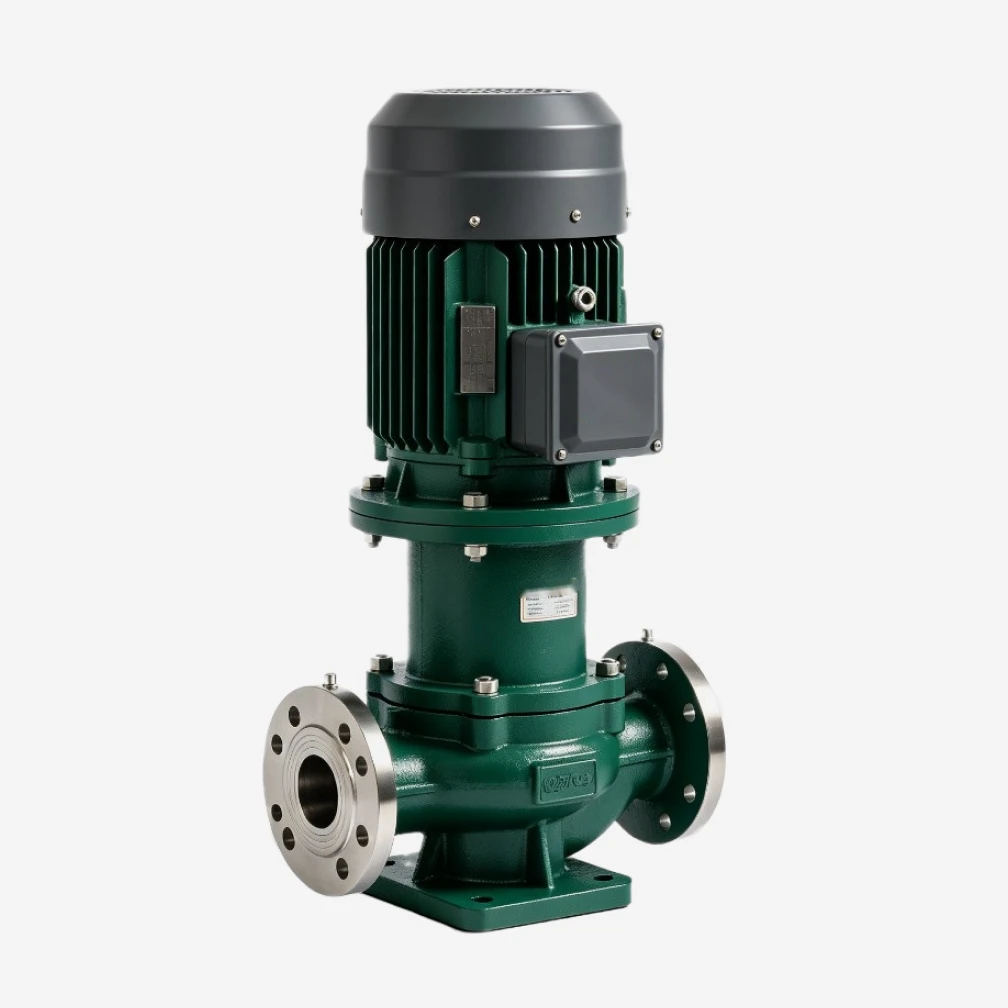
To eliminate metallic corrosion, chemical pumps handling high-concentration HF utilize heavy-duty fluoroplastic linings. Perfluoroalkoxy alkane (PFA) and Fluorinated Ethylene Propylene (FEP) provide exceptional chemical resistance due to their densely shielded carbon-fluorine molecular bonds. In pumps such as the IHF centrifugal series or the CQB magnetic drive units, the internal wetted surfaces are lined with high-purity PFA or FEP molded over a rigid ductile iron casing. This composite design combines the universal chemical inertness of fluoropolymers with the mechanical burst strength required for industrial pipeline pressures up to 1.6 MPa.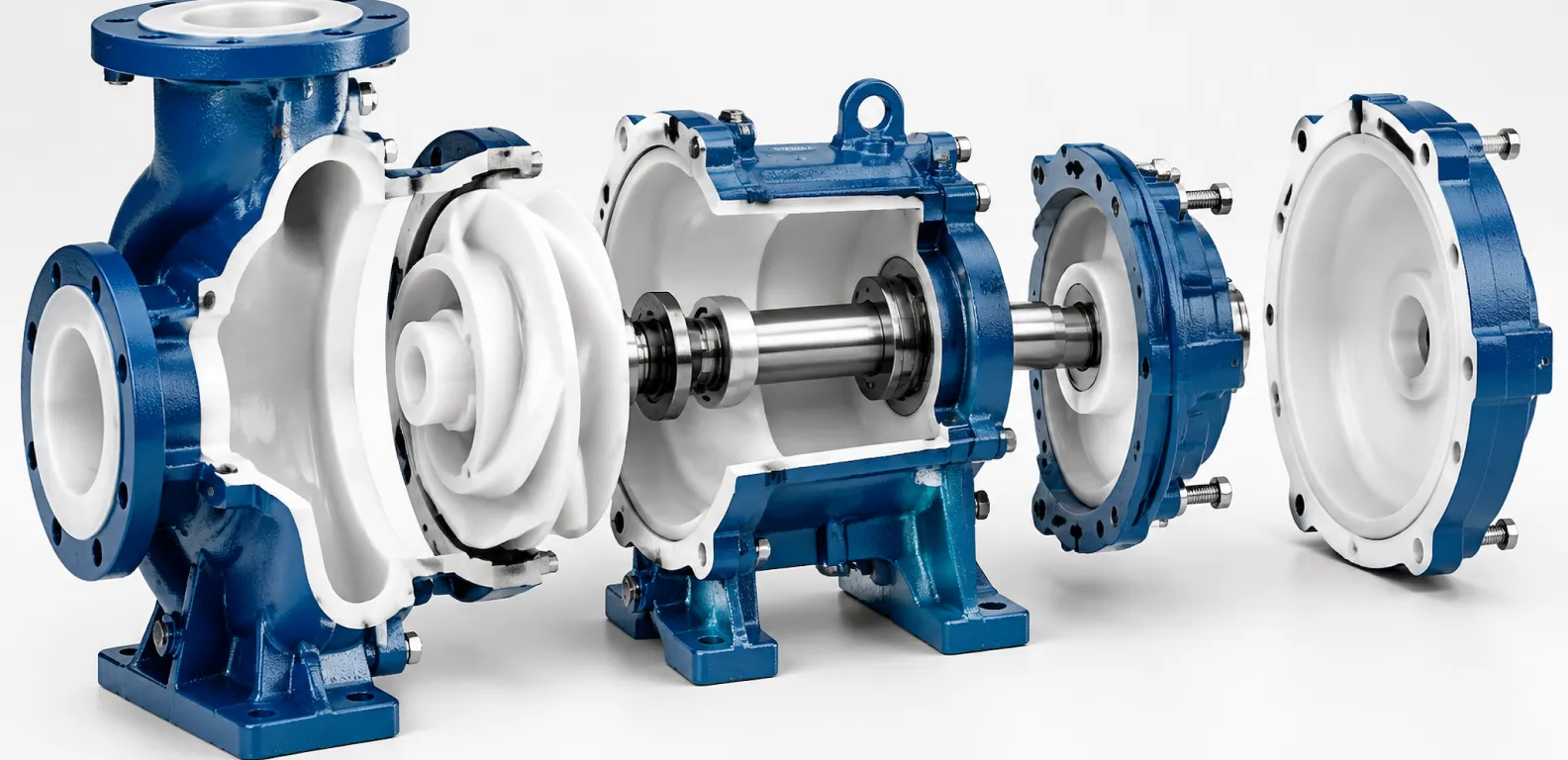
The Complex Rheology and Corrosivity of Oleum
Oleum (fuming sulfuric acid, H2SO4 x SO3) poses a distinct set of operational hazards compared to standard sulfuric acid. Its high concentration of free sulfur trioxide makes it intensely reactive and hygroscopic.
Crystallization and Thermal Management
A primary operational failure mode in oleum transfer is unexpected crystallization. Solidification occurs when oleum temperatures drop below specific thresholds (for instance, 20% oleum freezes at approximately 10°C, while 65% oleum solidifies near 45°C). When crystallization occurs inside a pump casing or dead-leg piping, the resulting volumetric expansion fractures impellers and severs internal sleeves. Pumping systems handling oleum must incorporate strict thermal tracing jackets or heat-dissipation management to maintain fluid viscosity.
Material Compatibility for Oleum Transfer
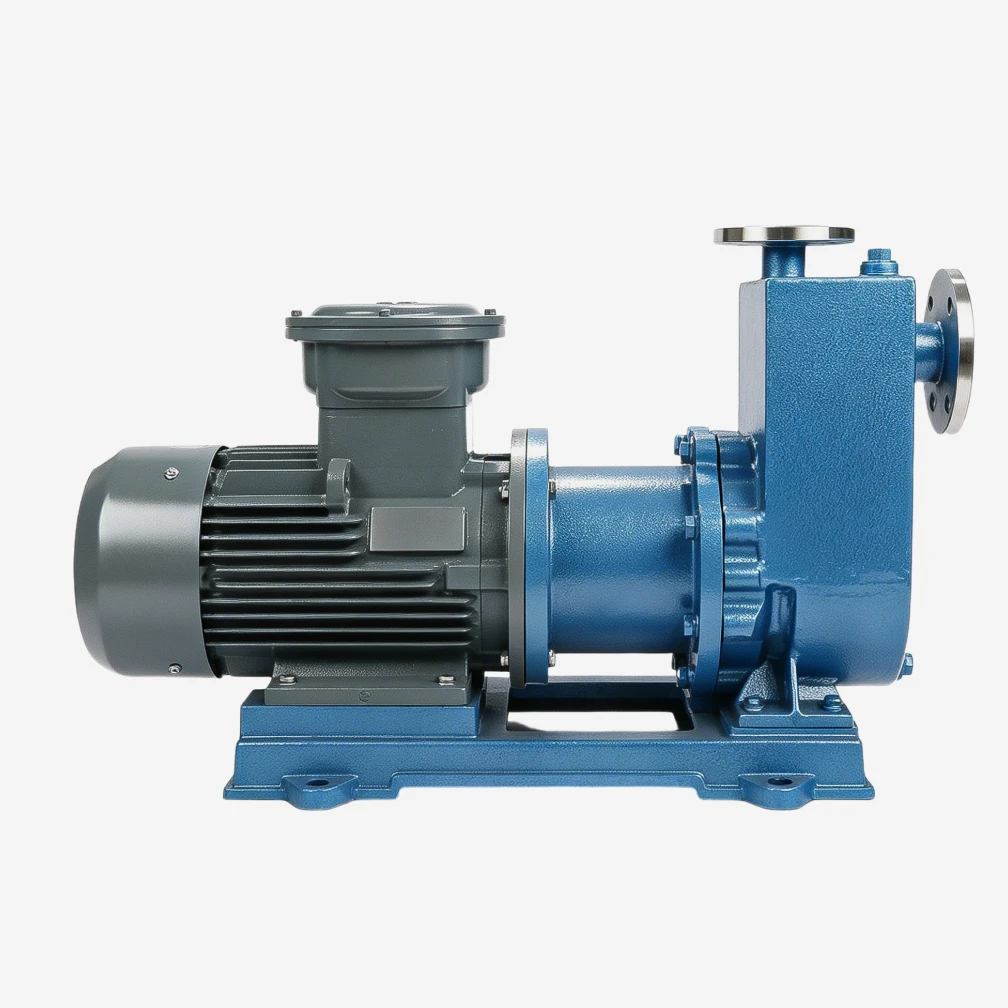
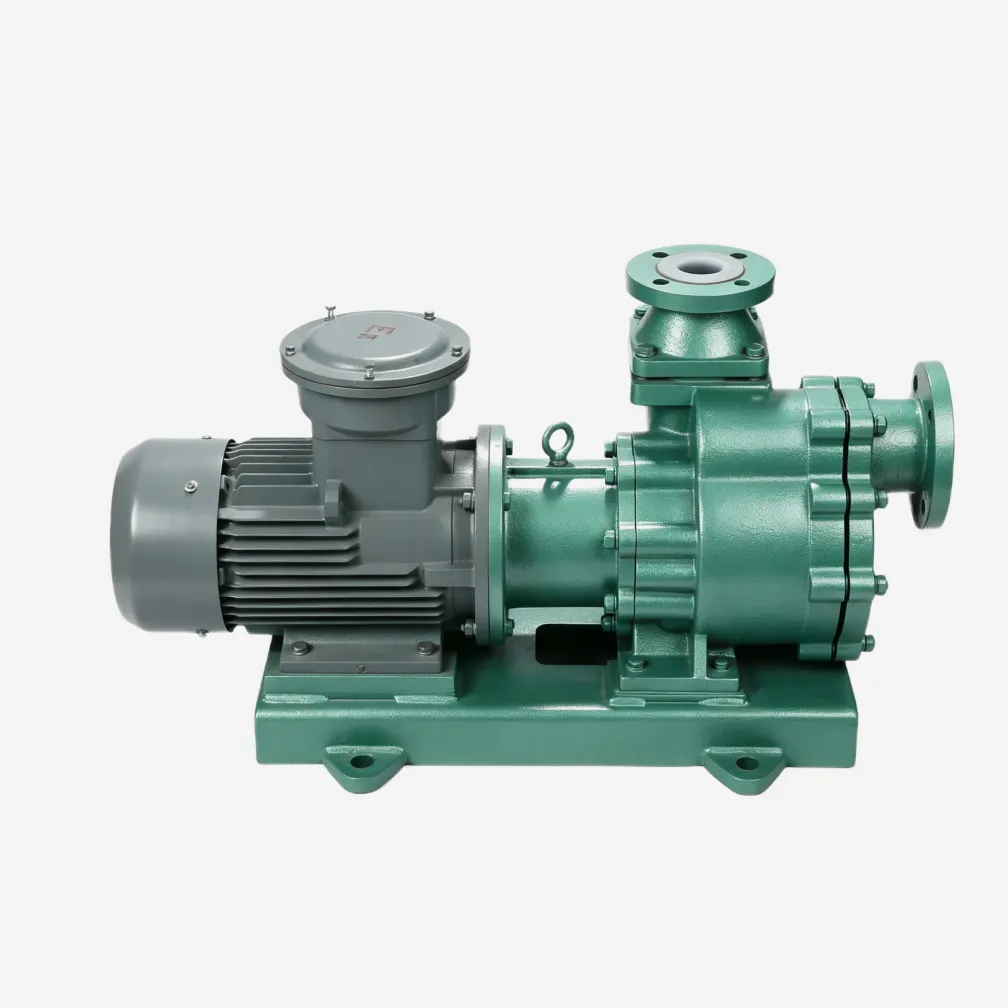
While high-concentration sulfuric acid can be handled by cast iron or specialized alloy steel due to the formation of a protective iron sulfate passive layer, oleum aggressively disrupts this film if flow velocities or free SO3 concentrations fluctuate. For secondary containment and magnetic drive safety, ZMD self-priming magnetic pumps and FZB units equipped with specialized fluoroplastic components provide reliable isolation against fuming acid attack.
Containment Protocols and Leak Prevention
Given the extreme toxicity of hydrofluoric acid vapor and the severe skin-destroying capabilities of oleum, dynamic shaft seals represent an unacceptable risk of fugitive emissions. Plant safety guidelines mandate hermetic containment architectures.
Eliminating Dynamic Sealing Risks
Traditional mechanical seals require precise fluid films that are highly vulnerable to crystallization or acid permeation. When oleum crystallizes across seal faces, it immediately scores the lapped rings, leading to catastrophic leaks. Similarly, HF vapor permeation past standard elastomer O-rings can cause sudden seal blowouts. Upgrading plant infrastructure to sealless CQL or fluoroplastic magnetic drive configurations ensures that the process fluid remains entirely confined within a welded static boundary.
Internal Bearing and Magnet Specifications
In magnetic drive pumps handling aggressive acids, internal sleeve bearings must be manufactured from high-purity, sintered Alpha Silicon Carbide (alpha-SiC). Unlike carbon or ceramic alternatives, alpha-SiC withstands the chemical attack of fuming acids while providing the extreme hardness required to handle low-lubricity fluids without premature scoring.
Comparative Material Specification for Extreme Acids
Selecting the correct pump construction requires mapping fluid parameters against structural limits. The table below outlines the engineering parameters for extreme acid transfer.
| Process Fluid | Concentration | Primary Material Choice | Operational Constraint |
|---|---|---|---|
| Hydrofluoric Acid (HF) | > 60% to Anhydrous | PFA / FEP Fluoroplastic Lined | Temperature limit up to 120°C; avoid trace abrasives. |
| Oleum (Fuming Sulfuric Acid) | 10% to 65% Free SO3 | High-Density Fluoroplastic / Alloy 20 | Requires strict thermal tracing to prevent freezing. |
| Spent Acid / Mixed Acid | Variable HNO3 / H2SO4 | Fluoroplastic Lined Magnetic Drive | Monitor for oxidizing agent spikes and thermal limits. |
Conclusion and Engineering Consultation
Pumping high-concentration hydrofluoric acid and oleum leaves zero margin for metallurgical error. Standard metallic alloys and conventional mechanical seals lead to rapid containment failure, severe environmental hazards, and costly plant shutdowns. By specifying composite fluoroplastic-lined equipment, high-purity silicon carbide bearings, and hermetically sealed magnetic drive architectures, facilities can secure continuous, zero-leakage operations. Submit your precise chemical concentration, temperature profile, and system pressure data to our engineering department, and we will formulate a certified material and pump specification tailored to your plant safety requirements.
Frequently Asked Questions (FAQ)
- Why do standard stainless steel pumps fail when handling hydrofluoric acid?
Standard austenitic stainless steels rely on a chromium oxide passive layer for corrosion protection. Hydrofluoric acid and fluoride ions rapidly dissolve this protective layer through chemical attack and fluoride diffusion, resulting in immediate pitting, structural thinning, and catastrophic failure. - What is the best pump wetted material for high-concentration HF acid?
Perfluoroalkoxy alkane (PFA) and Fluorinated Ethylene Propylene (FEP) fluoroplastics are the industry standard for wetted components in high-concentration HF service due to their inert carbon-fluorine molecular bonding. - How do you prevent oleum from crystallizing inside a chemical pump?
Oleum solidifies at relatively high ambient temperatures depending on its free sulfur trioxide content. Preventing crystallization requires maintaining fluid temperatures well above freezing points using external thermal tracing, insulation jackets, or maintaining continuous fluid circulation. - Are magnetic drive pumps safe for pumping fuming sulfuric acid (oleum)?
Yes. Magnetic drive pumps eliminate dynamic shaft seals, which are prone to severe leakage caused by acid crystallization and vapor permeation. Hermetically sealed magnetic pumps ensure complete containment of toxic fuming vapors. - Can fluoroplastic-lined pumps handle high working pressures in acid pipelines?
Pure plastics lack sufficient tensile strength for high-pressure systems. To solve this, our fluoroplastic pumps utilize a composite structure: a heavy ductile iron or cast steel outer casing bears the pipeline stress up to 1.6 MPa, while the internal fluoroplastic lining provides chemical resistance. - What internal bearing material is recommended for aggressive acid magnetic pumps?
High-purity sintered Alpha Silicon Carbide (alpha-SiC) is required for internal sleeve bearings and thrust rings because it offers near-universal chemical inertness against strong acids and exceptional hardness to resist wear.
-

YFTEL Pumps
Fluid Engineers & Technical Support, YFTEL Pump
YFTEL is a chemical pump manufacturer based in Hangzhou, China, with a 26,000 m² production base in Hangzhou, China, with a 26,000 m² production base in Anhui. Using the CAS-patented Fluoroplastic Alloy material, we produce 300+ models of corrosion-resistant pumps, valves and piping, exported to 30+ countries.