
 English

Why Sulfuric Acid Is a Difficult Pumping Duty
Sulfuric acid is produced in greater tonnage than any other industrial chemical, with global output exceeding 250 million tonnes per year. Fertilizer production, metal pickling, copper and nickel hydrometallurgy, battery manufacturing, and refinery alkylation all depend on it, and nearly every tonne passes through a pump at least once. Sulfuric acid also behaves unlike most corrosive media. Its aggressiveness toward metals and polymers does not increase steadily with concentration: dilute acid corrodes through hydrogen evolution, concentrated acid acts as a powerful oxidizer, and a material that performs well in one regime frequently fails in the other. This concentration-dependent behavior causes most of the pump selection errors we see in the field.
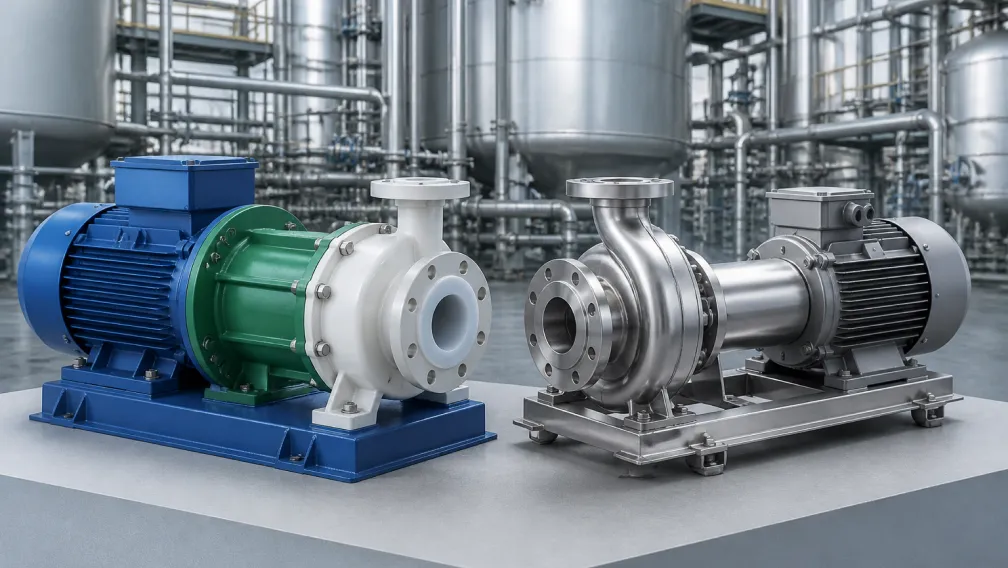
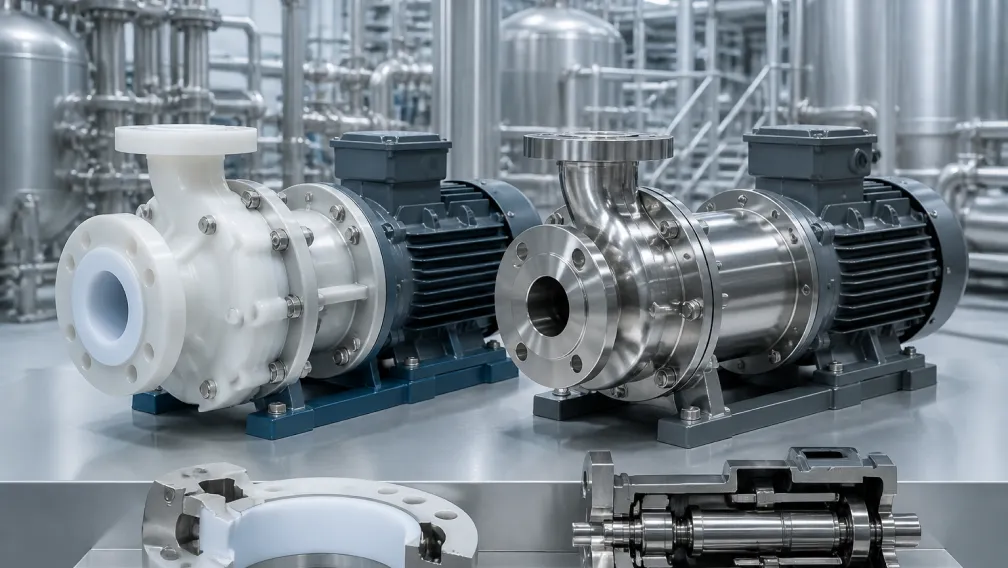
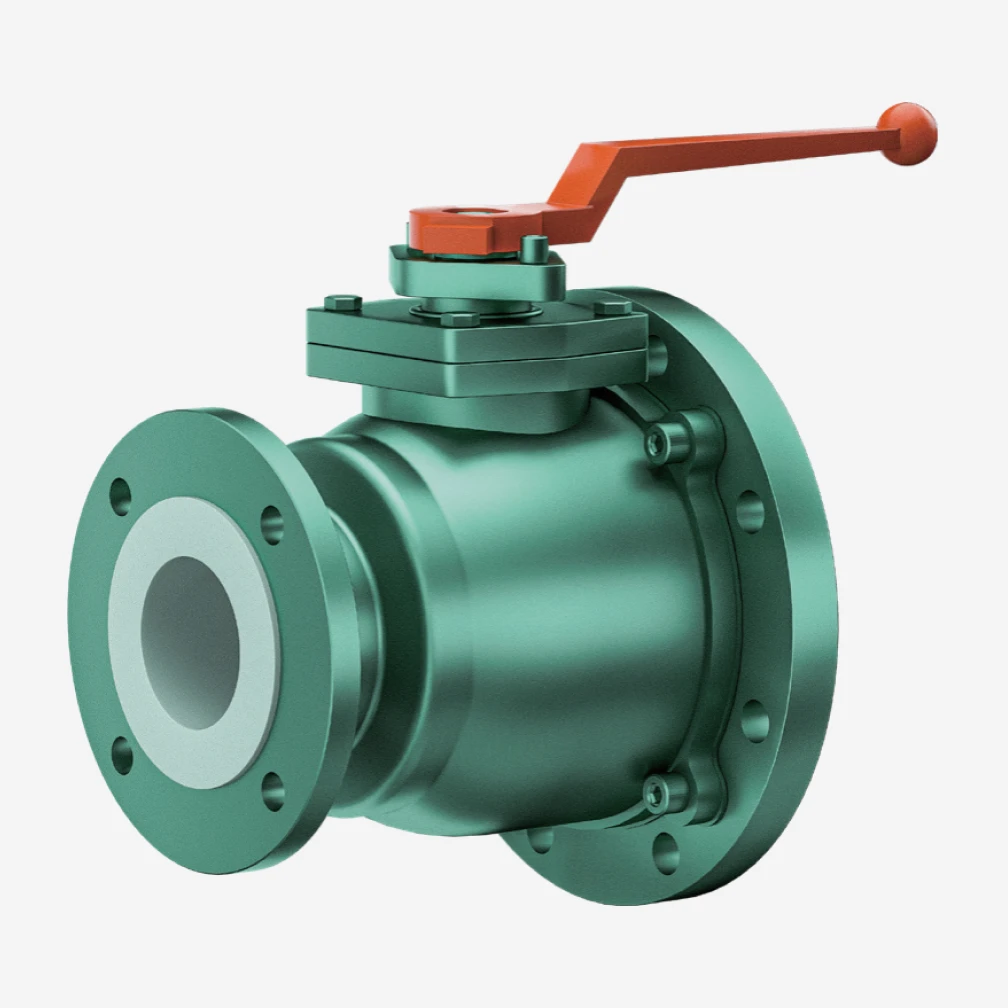
For sulfuric acid transfer duties between roughly 10% and 98% concentration at temperatures up to 120°C, the standard specification in modern chemical plants is a fluoroplastic-lined centrifugal pump, where a PTFE, PFA, or FEP lining isolates all wetted surfaces from the structural casing. Where zero leakage is mandatory, a fluoroplastic-lined magnetic drive pump removes the mechanical seal from the equation entirely. For tank truck and railcar unloading, a self-priming configuration handles suction lift without a foot valve. Metallic pumps remain valid only inside narrow concentration and temperature windows, which this guide defines.
How Concentration Changes the Corrosion Mechanism
Below approximately 40% concentration, sulfuric acid is almost fully dissociated and behaves as a highly conductive electrolyte. Carbon steel, 304, and 316 stainless steels corrode rapidly in this zone through hydrogen evolution, and published iso-corrosion charts rate 316 acceptable only below about 10–20% concentration at ambient temperature. As concentration rises above roughly 70–80%, the acid turns strongly oxidizing. Carbon steel then forms a protective iron sulfate film at ambient temperature, which is why carbon steel tanks and piping are standard for storing 93–98% acid.
That passivation logic stops at the pump. Impeller tip speeds of 20–40 m/s and turbulent flow strip the iron sulfate film as fast as it forms, so unlined carbon steel or stainless steel pump components fail by erosion-corrosion within weeks or even days. Polymers follow the opposite logic. Polypropylene tolerates dilute acid but degrades in oxidizing concentrated grades. Only the fully fluorinated polymers — PTFE, PFA, and FEP — resist sulfuric acid across the entire concentration range, which is why lined construction dominates this service.
| Property (at 20°C) | 50% H2SO4 | 93% H2SO4 | 98% H2SO4 |
|---|---|---|---|
| Specific gravity | 1.40 | 1.83 | 1.84 |
| Viscosity | ≈6 cP | ≈22 cP | ≈27 cP |
| Freezing point | −36°C | −29°C | ≈0°C |
Two implications follow from these figures. Shaft power scales directly with specific gravity, so a pump moving 98% acid absorbs roughly 84% more power than the same pump on water. And because 98% acid crystallizes at about 0°C, outdoor installations in cold climates need heat tracing or drainage provisions for idle lines.
Material Selection by Concentration Range
The table below consolidates the selection logic we apply when specifying wetted materials for sulfuric acid service. Always confirm the final material against the maximum concentration and maximum temperature occurring together, including credible upset conditions.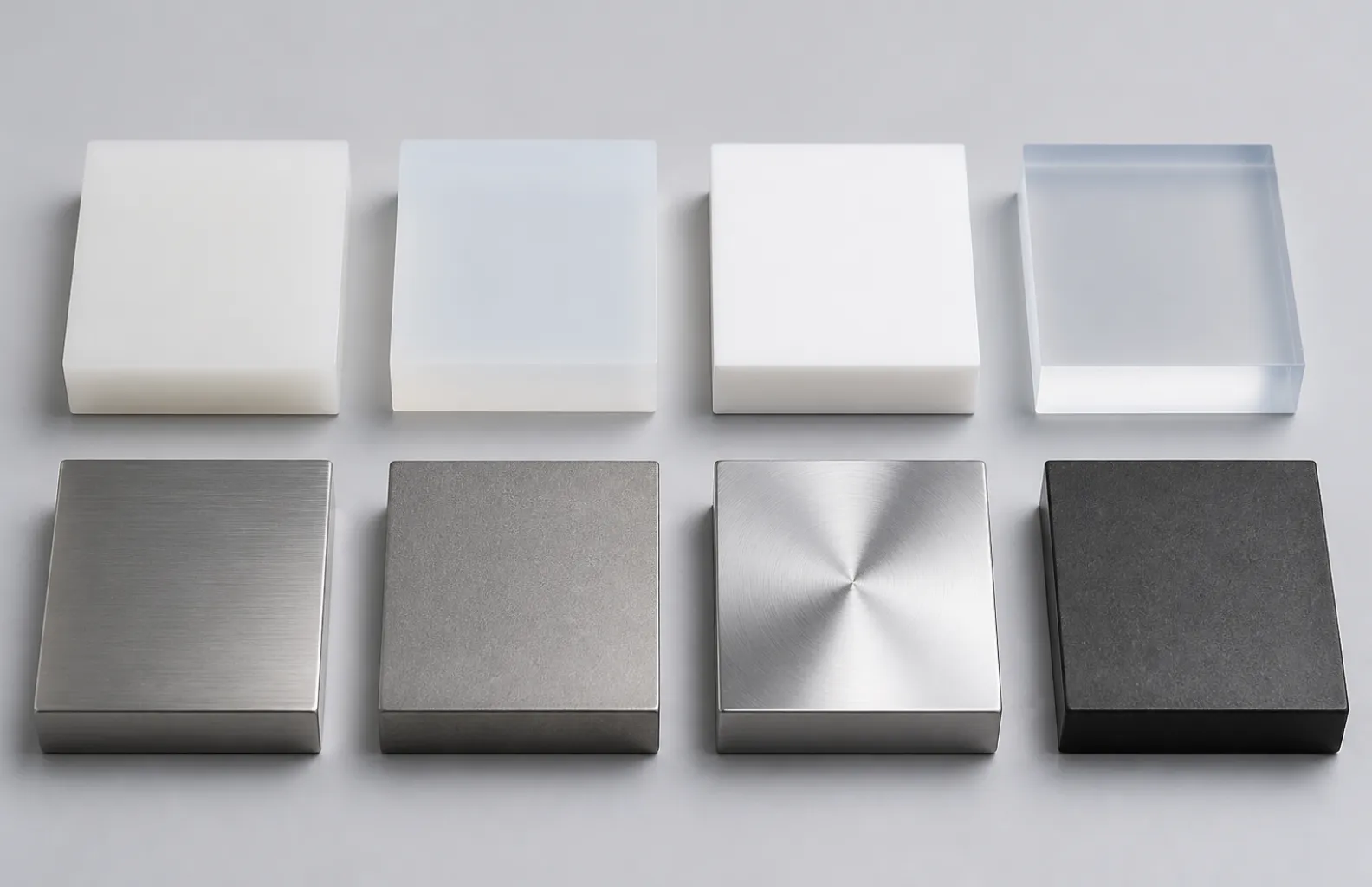
| Concentration | Max. temperature | Recommended wetted materials | Avoid |
|---|---|---|---|
| Below 40% | 80°C | PP, UHMWPE, PVDF, PTFE/PFA lining | Carbon steel; 304/316 stainless above ~10–20% |
| 40–90% | 100°C | PVDF, PTFE/PFA lining; Alloy 20 for metallic builds | PP near the upper range; all standard stainless steels |
| 93–98% | 80°C | PTFE/PFA lining (primary); UHMWPE at ambient | PP, PVC, PVDF near 98%, unlined metallic wetted parts |
| Oleum / fuming acid | 120°C | PTFE/PFA only | All other polymers; most metals |
Dilute Sulfuric Acid (Below 40%)
Dilute acid excludes most metals from wetted service. High-silicon cast iron at 14.5% silicon was the traditional metallic answer and still appears in older fertilizer plants, though its brittleness limits it to carefully supported installations. Polypropylene handles this range economically up to 60–80°C and covers most pickling rinse and wastewater neutralization duties. Where the stream carries scale particles or sediment, as in steel pickling recirculation, UHMWPE offers the best abrasion resistance of the polymer group — the basis of our UHB-ZK slurry pump design used in electroplating and pickling applications.
Intermediate Concentrations (40–90%)
This is the most aggressive zone for metals: too oxidizing for stainless steels and not concentrated enough to passivate carbon steel reliably. Alloy 20 covers much of this range in metallic construction at moderate temperature, though at a clear price premium. Among polymers, PVDF performs well here, while polypropylene becomes marginal above roughly 70% concentration. For continuous process duty we specify PTFE or PFA lined pumps in this band, because the lining margin absorbs concentration swings between batches without corrosion risk.
Concentrated Acid (93–98%)
Concentrated acid inverts the selection again. Carbon steel is acceptable for static storage tanks and piping at ambient temperature with flow velocities held below about 1 m/s — conditions a pump cannot meet internally. The standard pump specification for 93–98% acid is therefore a PTFE or PFA lined unit. PVDF handles the lower end of this band but loses margin near 98%, particularly above 50–60°C, and polypropylene and PVC are unsuitable. Pay attention to the crystallization point: 98% acid solidifies at about 0°C, so idle outdoor pumps and lines in cold climates require tracing or positive drainage.
Oleum and Fuming Sulfuric Acid
Oleum contains free sulfur trioxide and attacks nearly every polymer except the fully fluorinated grades. PTFE and PFA are the only lining materials we approve for this service. Depending on SO3 content, oleum solidifies at temperatures as high as 20–40°C, so jacketed casings and traced piping are standard, and every gasket material must be verified against the actual grade rather than a generic compatibility chart.
Pump Types Used in Sulfuric Acid Service
Fluoroplastic-Lined Centrifugal Pumps
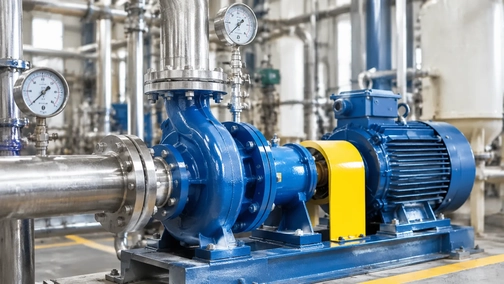
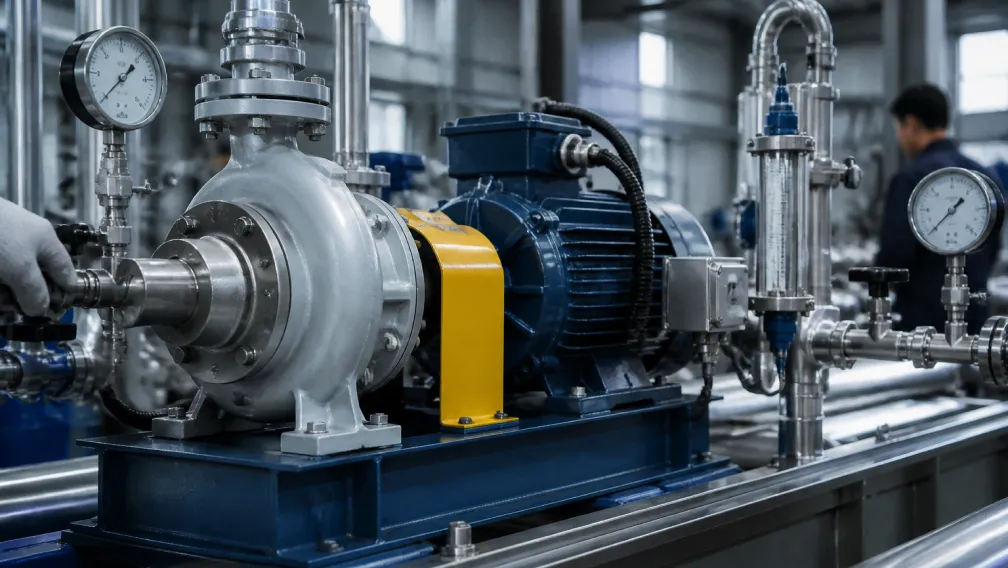
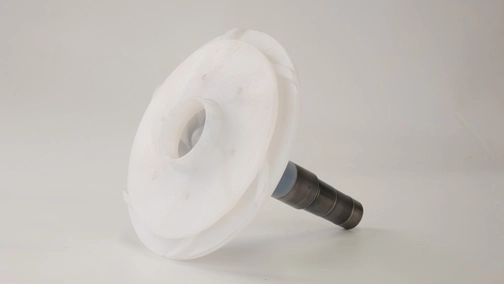
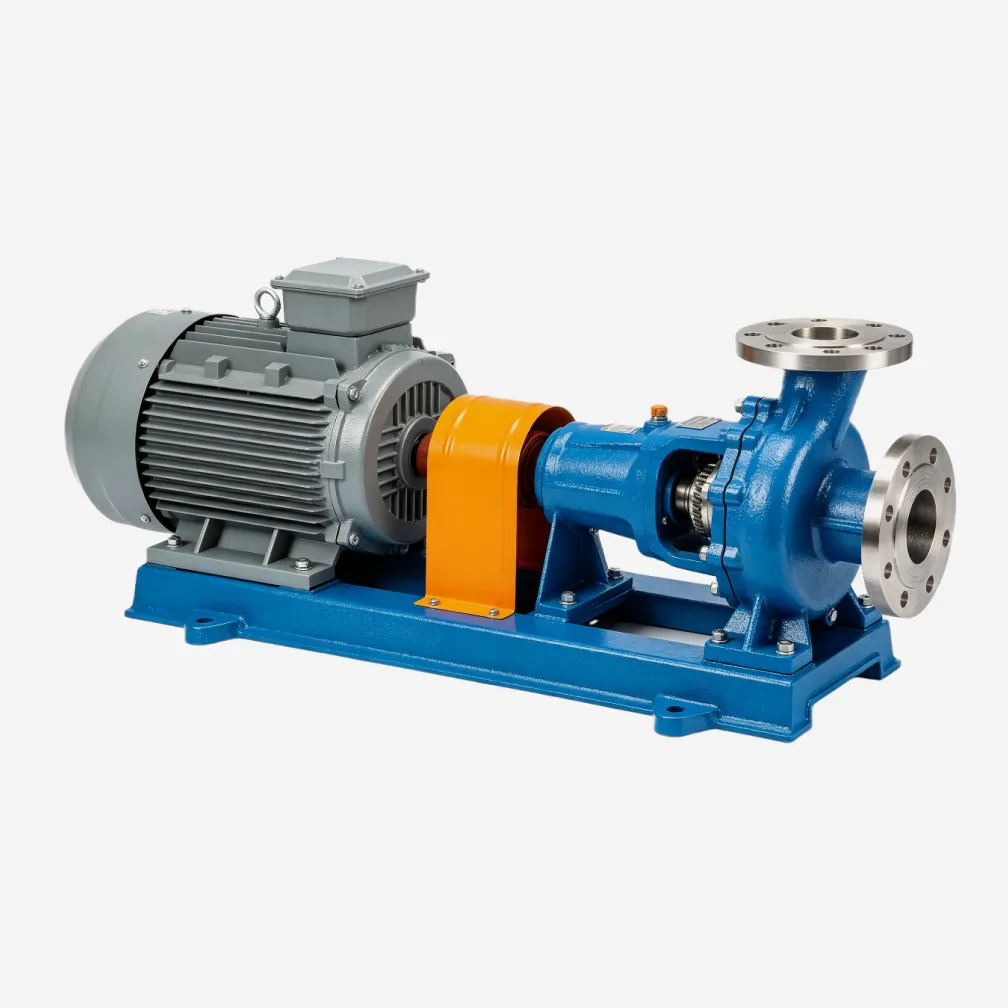
The lined centrifugal pump is the workhorse for sulfuric acid transfer. A ductile iron or steel casing provides pressure-bearing strength while a molded PTFE, PFA, or FEP lining of several millimeters carries all chemical contact, and a silicon carbide or lined shaft completes the wetted path. The IHF lined centrifugal pump covers general process transfer, while the FSB fluoroplastic pump suits smaller flows and intermittent duties. Both accept mechanical seals with silicon carbide faces as standard.
Magnetic Drive Pumps for Zero-Leakage Duty
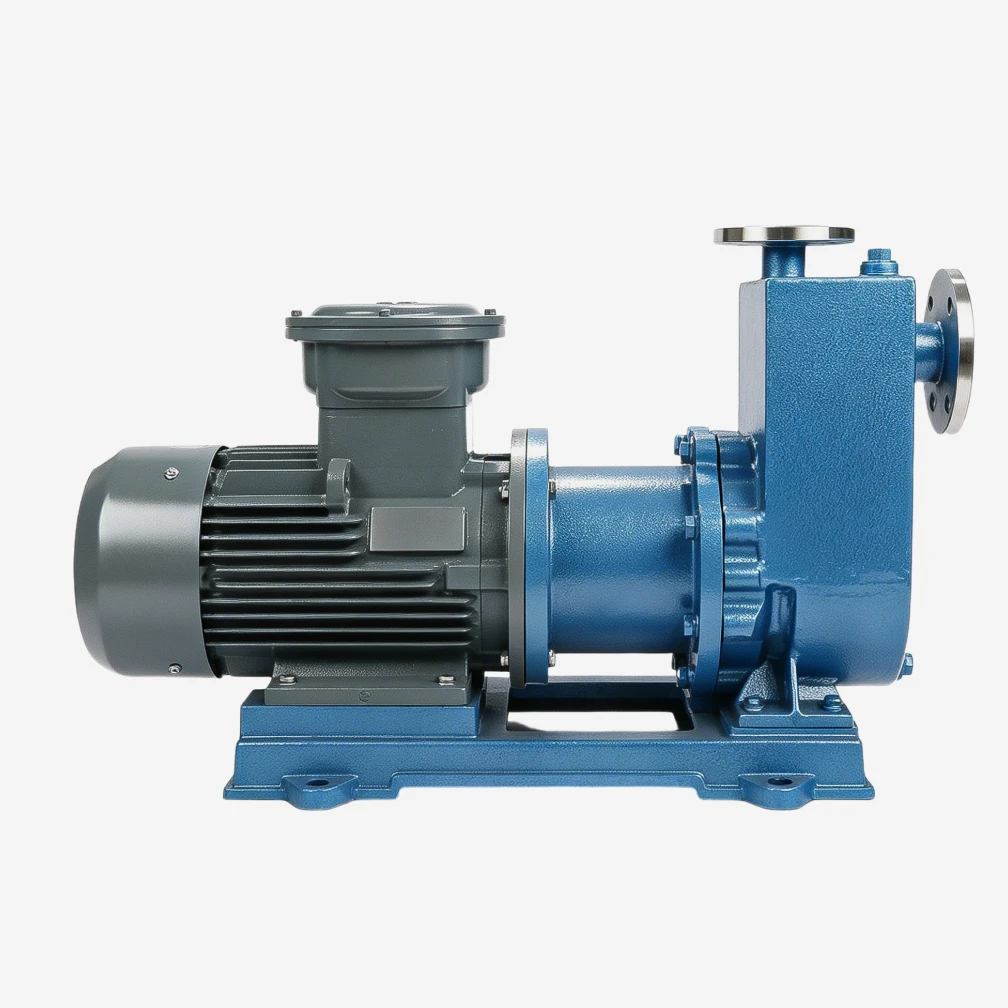
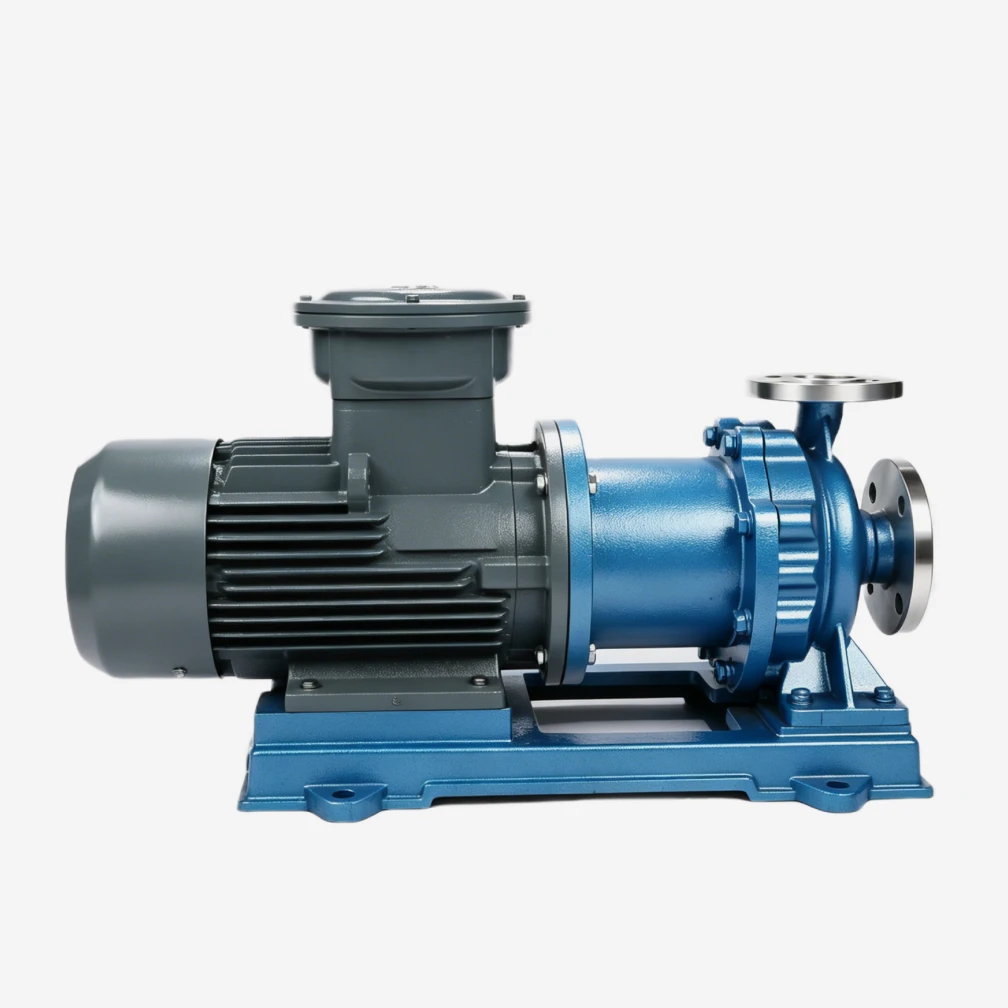
A leak of concentrated sulfuric acid is a reportable safety incident in most jurisdictions, and the dynamic shaft seal is the most common leak path on a rotating pump. Magnetic drive pumps eliminate that seal completely: torque passes through a static containment shell to an internal magnet rotor, leaving only static PTFE gaskets in the design. For 93–98% acid, battery acid circulation, and acid dosing skids, the lined magnetic drive configuration is the default choice. The design carries one operational rule that matters: never run it dry, because the internal bearings are product-lubricated and the magnetic coupling heats rapidly without flow.
Self-Priming Pumps for Unloading
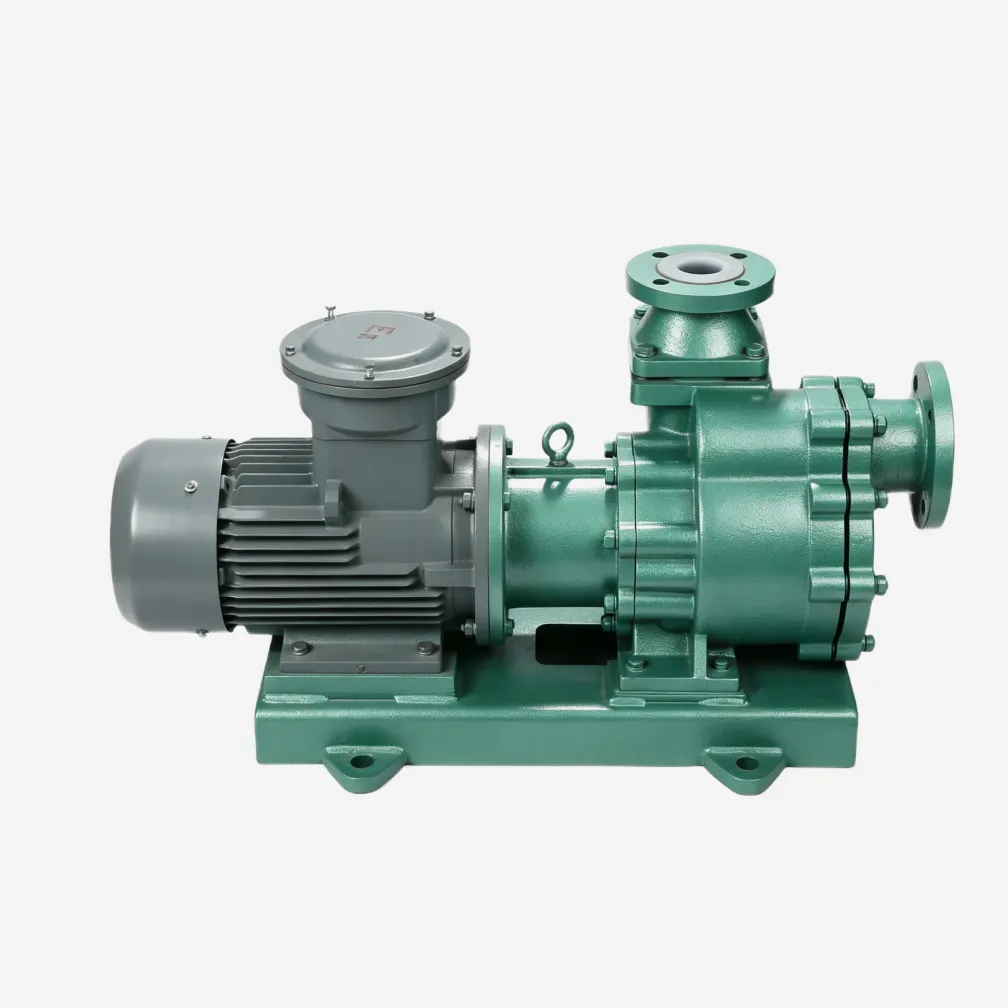
Tank truck and railcar unloading requires a pump that lifts acid from a low point and tolerates suction line evacuation at the end of each batch. A fluoroplastic-lined self-priming pump handles this duty without a foot valve and re-primes automatically for the next delivery. For 98% acid, confirm the priming time against viscosity, which rises sharply as the acid approaches its freezing point.
Where Metallic Pumps Still Apply
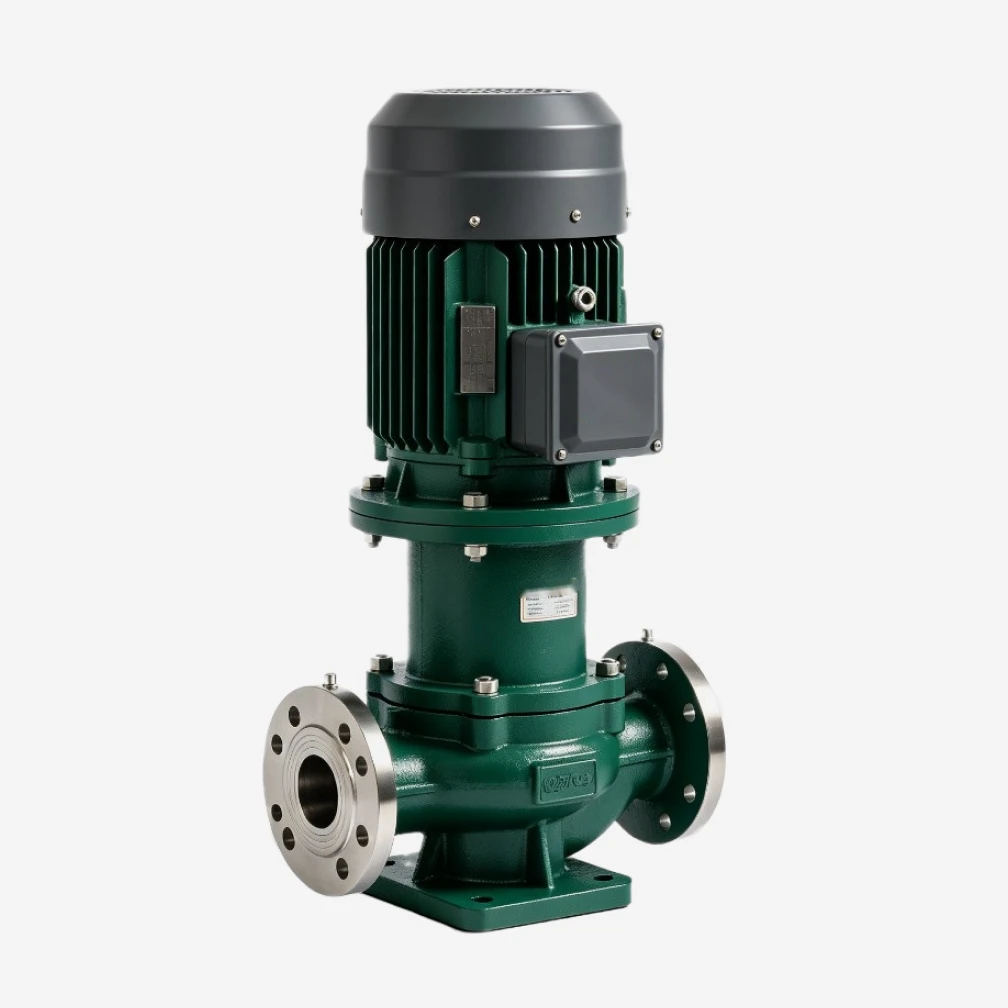
Metallic pumps retain legitimate niches. A stainless steel centrifugal pump is acceptable for very dilute acid below roughly 10–20% at ambient temperature, Alloy 20 serves intermediate concentrations, and high-silicon cast iron or nickel alloys cover temperatures beyond polymer limits. Once temperature, concentration swings, and maintenance costs are priced in, lined construction usually wins on lifecycle cost, which is why it accounts for most sulfuric acid pumps we supply.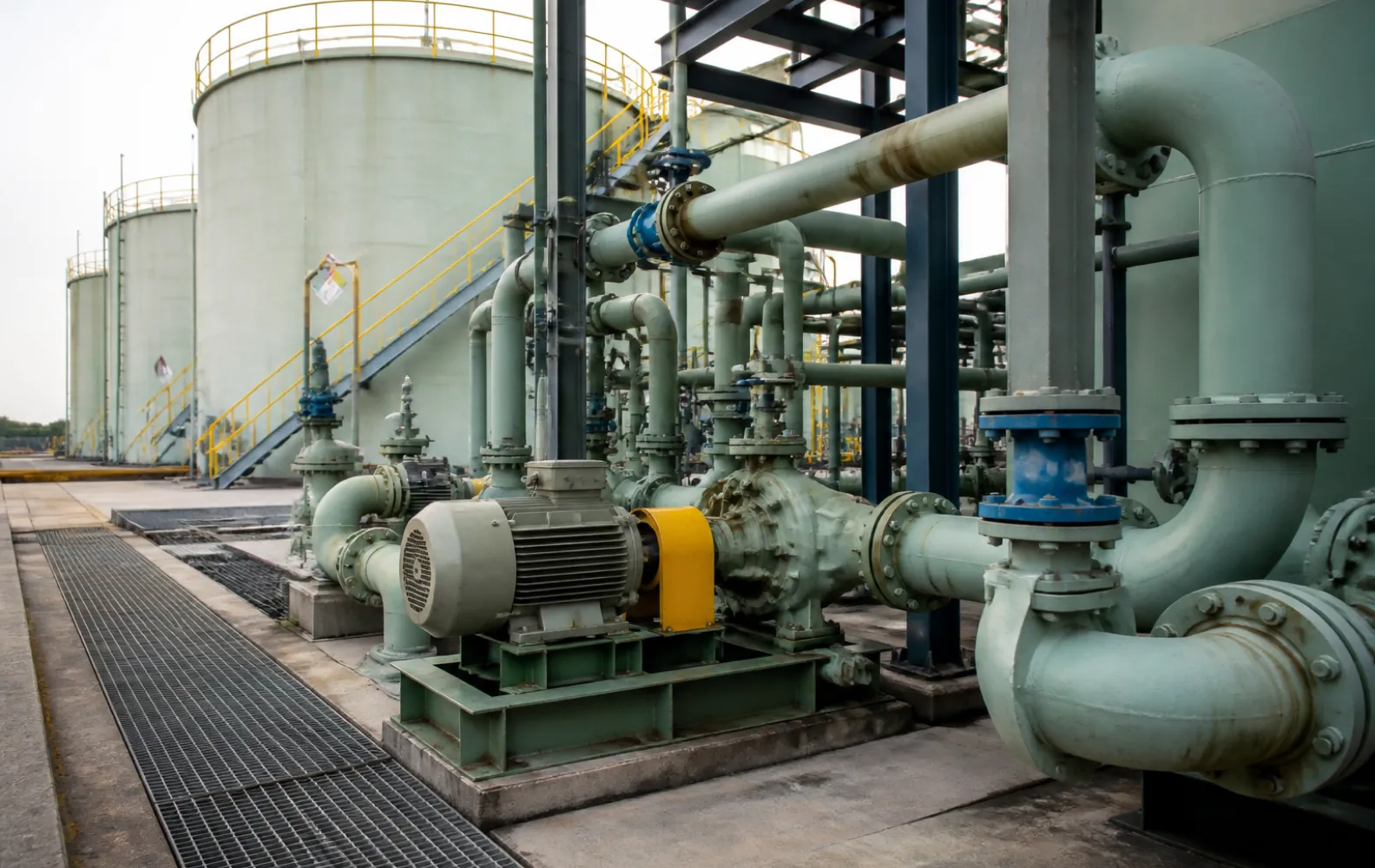
Hydraulic and Mechanical Design Points
Three properties of sulfuric acid change the pump engineering beyond material selection.
Motor sizing. Shaft power scales directly with specific gravity. A duty point that draws 15 kW on water absorbs about 27–28 kW on 98% acid at the same flow and head, and the motor must cover the full curve rather than only the rated point. The calculation method is detailed in our article on how specific gravity affects pump selection. Undersized motors are the most common commissioning failure on sulfuric acid projects.
Viscosity and cold weather. At 25–27 cP, 98% acid at room temperature barely derates a centrifugal pump. Below 10°C the viscosity climbs steeply, head and efficiency fall, and priming time lengthens. Cold-climate projects should be checked at the minimum ambient temperature, not at 20°C catalogue conditions.
Heat of dilution. Concentrated sulfuric acid releases substantial heat on contact with water — enough to flash steam locally and thermal-shock a lining or seal face. Never flush a concentrated acid pump with water while acid remains inside; drain and neutralize first. Sealing and gasketing follow the same chemical logic as the lining: silicon carbide seal faces, PTFE envelope gaskets, and FFKM or FKM secondary seals for concentrated grades.
Common Failure Modes and Prevention
- Water ingress into concentrated acid. Dilution heat cracks linings and seal faces and can eject acid from open connections. Lock out wash-water lines during operation and drain acid to a safe receiver before any water enters the system.
- Dry running a magnetic drive pump. Without product flow, the coupling decouples and the internal bearings fail within minutes. Install dry-run protection and power monitoring; the mechanism is covered in our magnetic pump dry-run analysis.
- Erosion-corrosion of metallic parts. Once the passive film breaks, attack accelerates with velocity. Any unlined metallic component in flowing acid should be treated as a consumable with a defined inspection interval.
- Freezing of 98% acid. Acid crystallizing near 0°C locks the impeller, and startup torque then destroys seals and couplings. Trace or drain idle lines in winter.
- Wrong elastomer selection. EPDM performs well only up to about 60% concentration. Concentrated grades require FKM, FFKM, or PTFE, and flange gaskets should be PTFE envelope type.
Data to Provide When Requesting a Quotation
Sulfuric acid pump selection fails most often through incomplete duty data rather than wrong materials. A specification that protects both parties should state the following:
- Concentration range, minimum and maximum, including any blending or dilution steps
- Normal and maximum temperature, plus credible upset conditions
- Specific gravity and viscosity at operating temperature
- Solids content and particle size, if any
- Required flow and total head, or the system curve
- Available NPSH and suction arrangement
- Duty pattern: continuous circulation, batch transfer, or intermittent unloading
- Minimum ambient temperature for outdoor installations
Our chemical pump duty data sheet guide explains how each parameter drives the final selection.
Final Selection Guidance
Specify sulfuric acid pumps for the worst credible combination of concentration and temperature, because field conditions drift: summer deliveries arrive warmer, batches blend off-specification, and operators rinse lines. A lining that covers the full concentration range removes the corrosion variable from that drift. If you are specifying acid transfer for a new project or replacing a pump that keeps failing, send your duty data through our contact page or review the chemical pump product range. Our engineers will return a material and pump type recommendation with the sizing calculation shown.
-

YFTEL Pumps
Fluid Engineers & Technical Support, YFTEL Pump
YFTEL is a chemical pump manufacturer based in Hangzhou, China, with a 26,000 m² production base in Hangzhou, China, with a 26,000 m² production base in Anhui. Using the CAS-patented Fluoroplastic Alloy material, we produce 300+ models of corrosion-resistant pumps, valves and piping, exported to 30+ countries.