
 English

Target audience: process engineers, plant maintenance supervisors, EPC procurement specialists
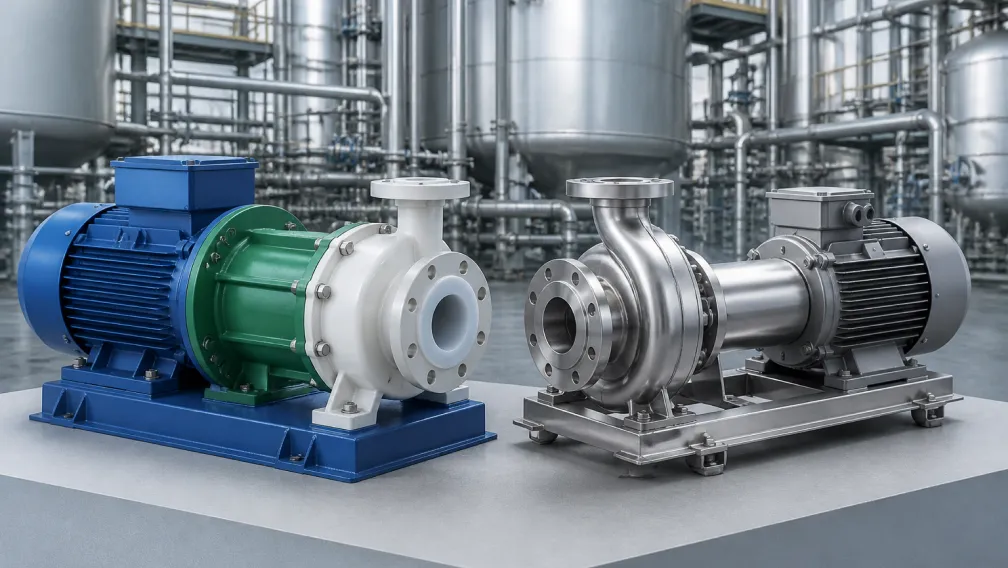
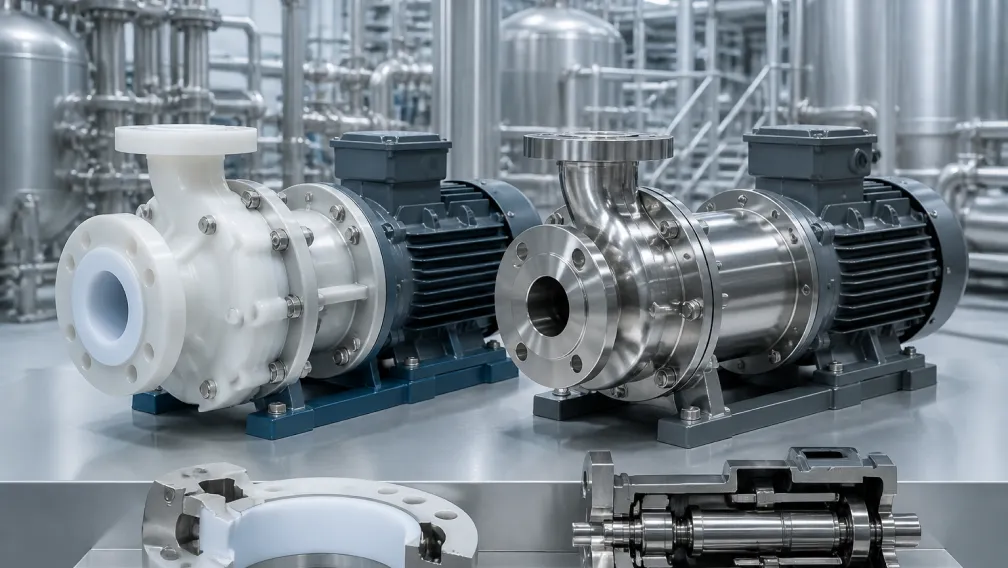
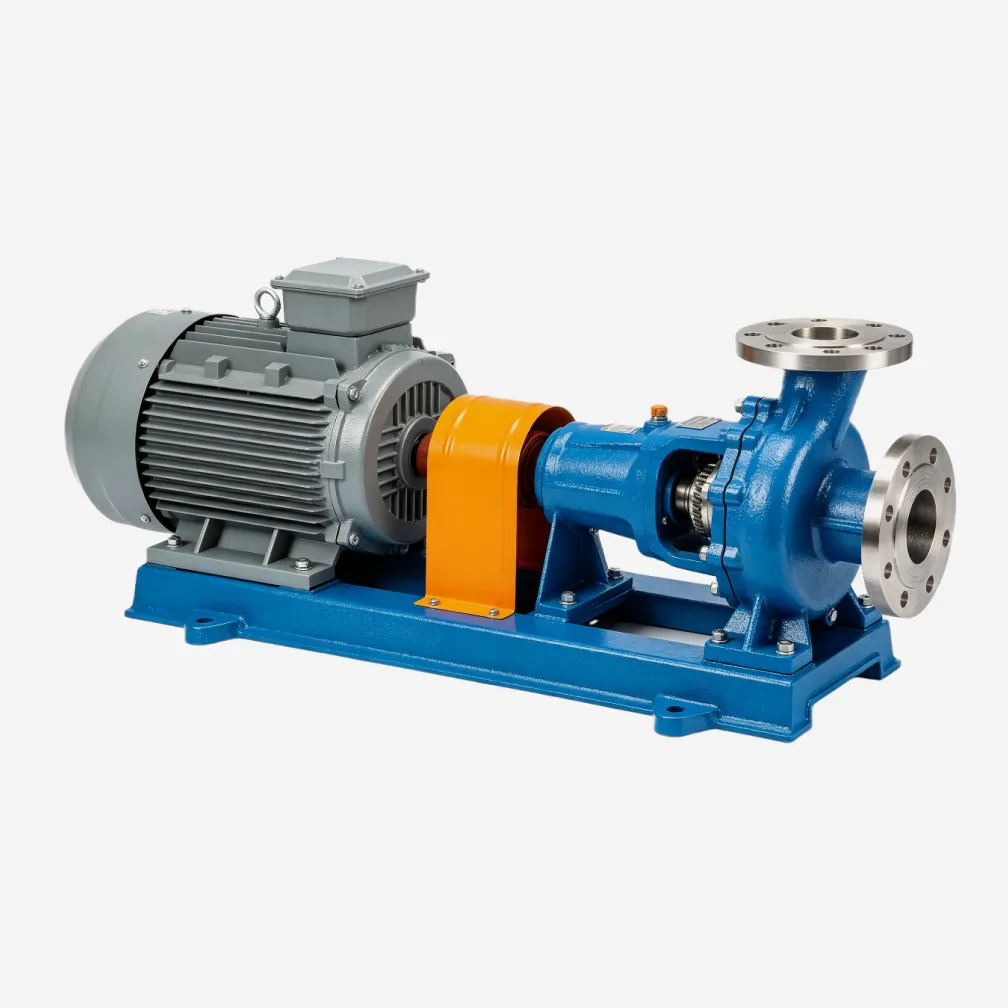
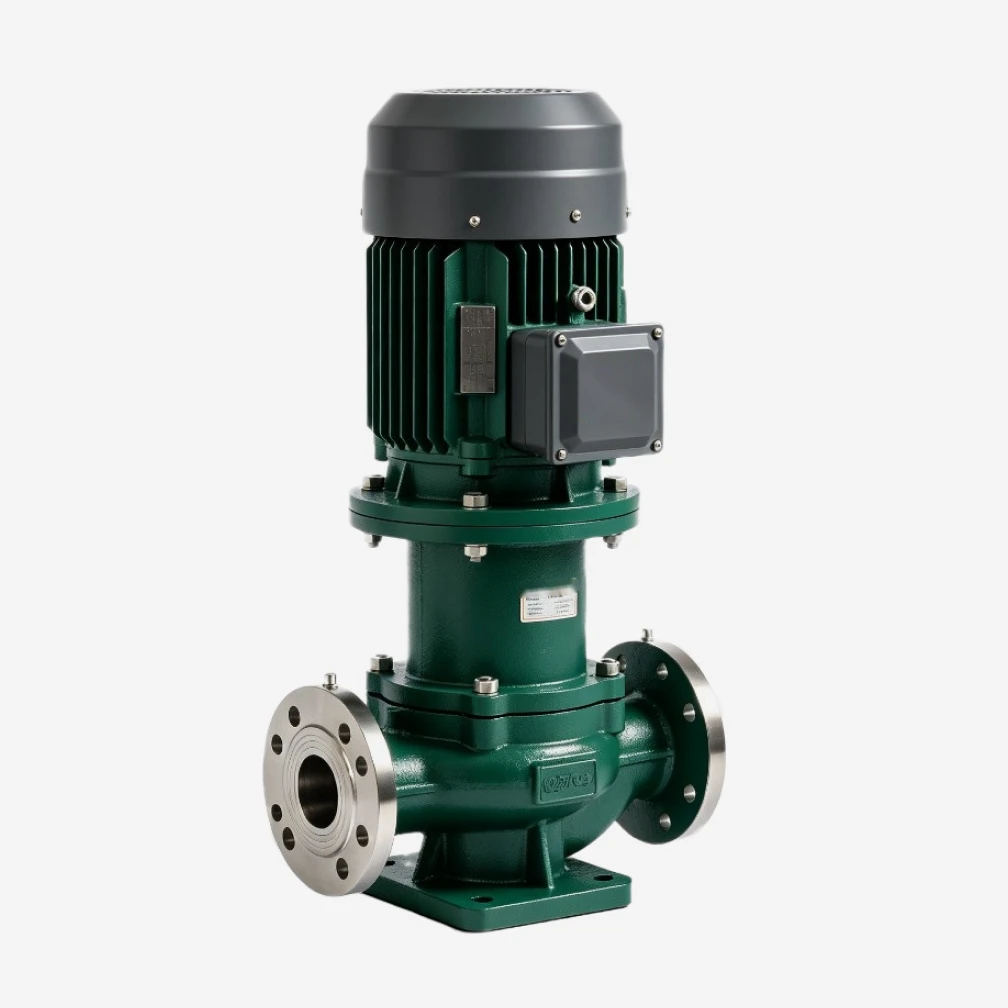
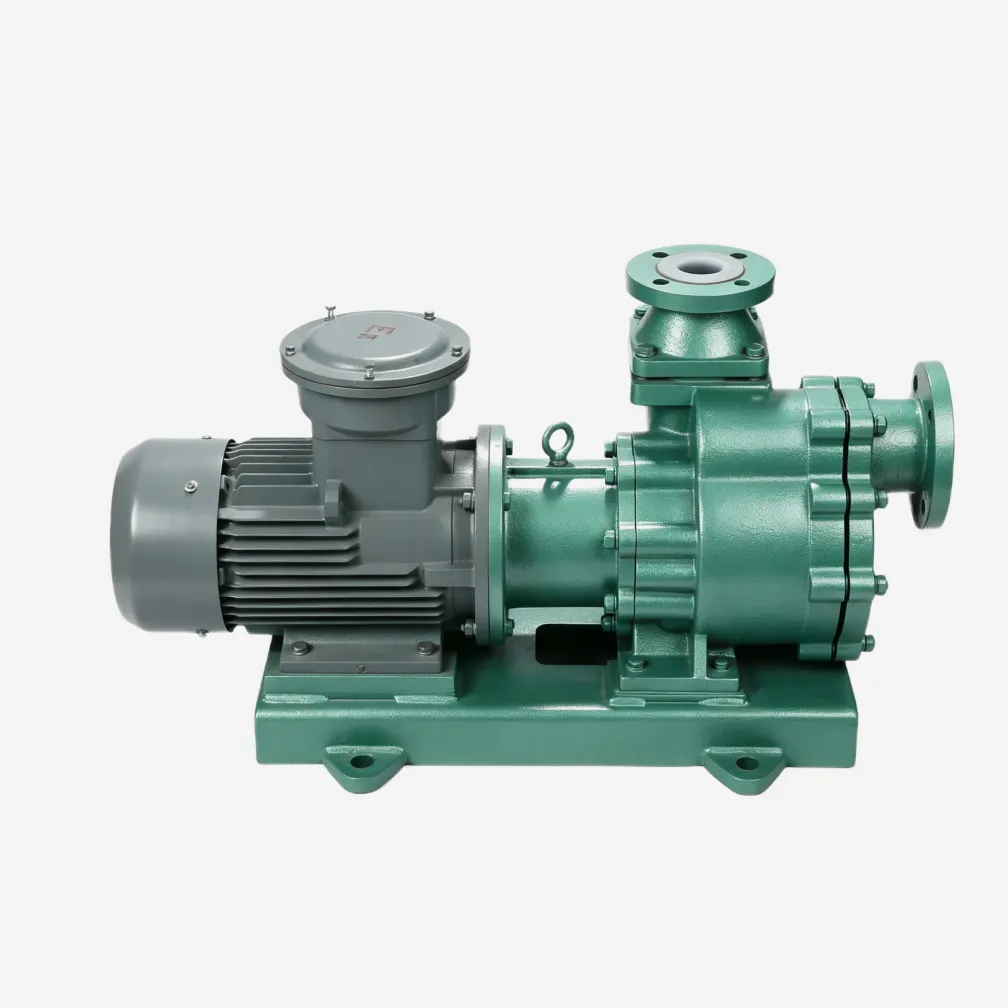
Covered pump models: Magnetic drive pumps, chemical centrifugal pumps, self-priming chemical pumps, slurry pumps, in-line pipeline pumps
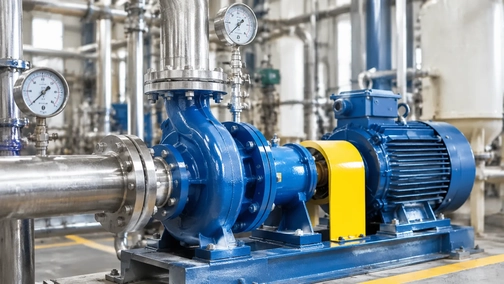
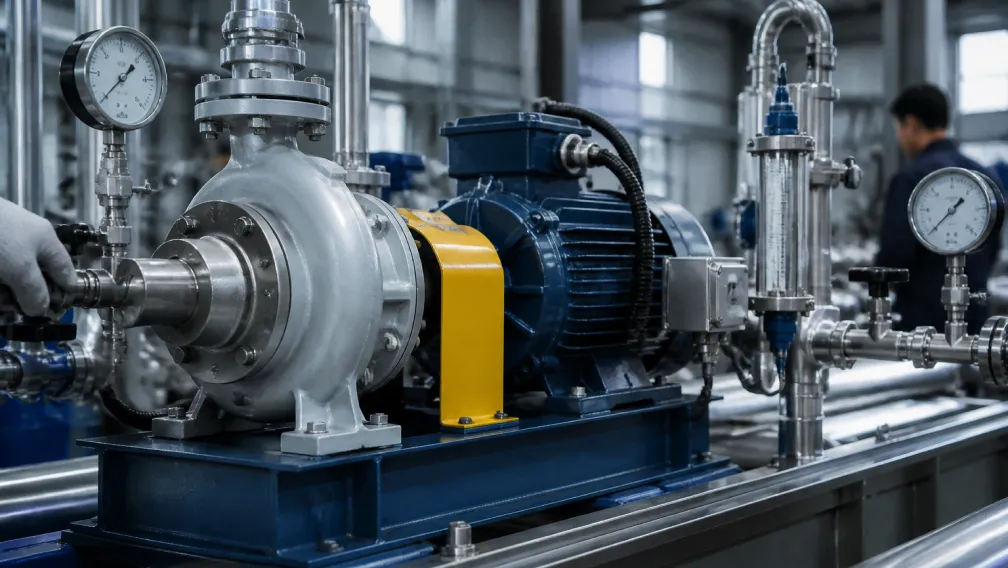
In wet-process lithium production, electroplating, fine chemical manufacturing, hazardous waste and wastewater treatment, chemical pumps act as the fluid heart of the whole production line. YFLK (Yftel) full-range chemical pumps—magnetic drive pumps, centrifugal pumps, self-priming pumps, slurry pumps and pipeline pumps—are widely deployed under demanding service conditions: highly corrosive media, solids-laden fluids, volatile liquids, batch or 24/7 continuous operation with load adjustment.
Regardless of pump type, three recurring chronic faults repeatedly trouble on-site maintenance teams: vibration, cavitation and leakage. These are not sudden breakdowns. They gradually shorten equipment service life, raise power consumption, create safety risks and fugitive emission issues. In severe cases, they trigger unplanned shutdowns and halt entire chemical production lines.
A common field practice is reactive maintenance: repair only after failure or replace seals once leakage appears, which is merely a temporary fix. Drawing on rich field application experience for chemical pumps, YFLK helps you systematically understand these three failure modes from working principles, diagnostic indicators and model-specific troubleshooting. We guide you to shift from component-level repair to a system-wide preventive maintenance strategy covering piping layout and pump selection.
Note: Magnetic drive pumps feature a seal-less design without rotary shaft seals. Slurry pumps face unique vibration and wear mechanisms due to solid particles in pumped media, which differ from standard anti-corrosion centrifugal pumps. These differences will be specified below.
1. Three Core Fault Modes: Diagnose Pump Health from Signals
Chemical pump troubleshooting requires integrated knowledge of fluid dynamics, material science and sealing systems. A single root-cause assumption usually leads to misjudgment.
Detect by Sound: Vibration—Early Warning from the Whole Pumping System
Vibration is not an isolated fault of the pump itself. It is an alarm signal from the complete assembly: pump, motor, base frame, piping and process fluid. Field technicians can distinguish vibration sources via FFT spectrum analysis:
- 1X rotational frequency vibration: rotor unbalance caused by impeller corrosion, scaling or particle erosion. This is very common for slurry pumps and centrifugal pumps handling solids-bearing wastewater.
- 2X rotational frequency vibration: misalignment between pump shaft and motor shaft, frequently seen on horizontal centrifugal pumps and pipeline pumps.
- High-frequency random broadband vibration: bearing deterioration or pre-cavitation symptoms. For magnetic drive pumps, this usually comes from worn silicon carbide / silicon nitride sliding bearings, insufficient liquid lubrication or foreign particle jamming.
Many customers simply attribute vibration to poor pump quality while ignoring piping stress, resonance and particle-induced pulsation. Long-term excessive vibration triggers a chain of secondary damages: unstable seal face contact, fatigue of magnetic drive containment shell, accelerated impeller wear and loose fasteners.
Observe Flow Behavior: Cavitation—Micro-explosion Inside Flow Paths
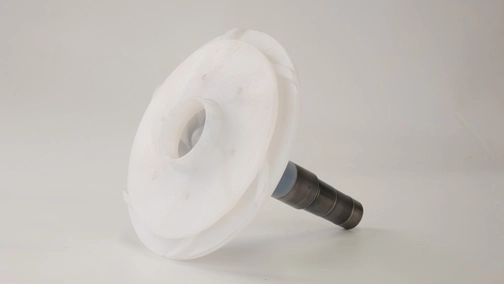
Cavitation is one of the most destructive hydraulic failures for chemical pumps. When local pressure at the impeller inlet drops below the vapor pressure of the liquid at operating temperature, the fluid generates vapor bubbles through phase transition. These bubbles collapse instantly after moving into high-pressure zones, releasing extreme instantaneous impact pressure. Repeated impacts create sponge-like pitting and cavities on impeller and casing surfaces.
The golden rule for cavitation control: Net Positive Suction Head Available (NPSHa) > Net Positive Suction Head Required (NPSHr) with adequate safety margin.
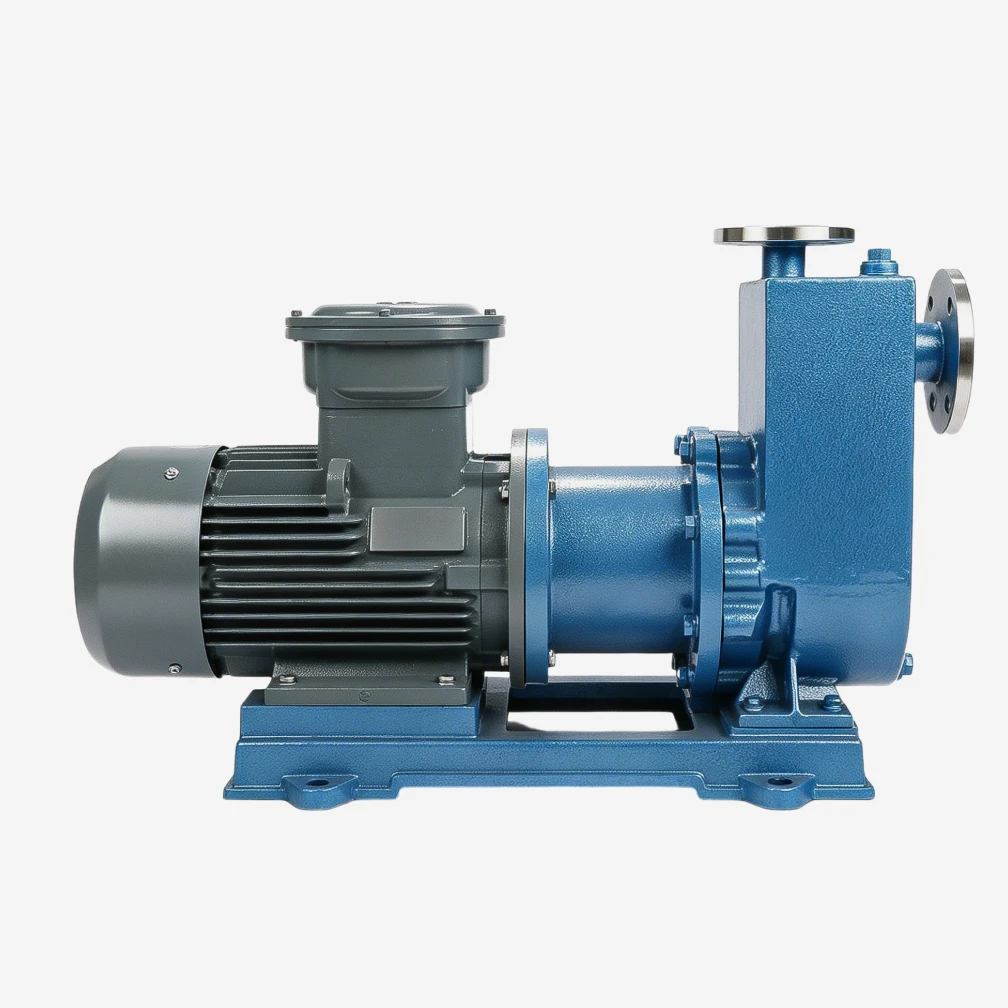
- Self-priming pumps: improper priming height and air ingress from suction side are top cavitation triggers.
- Magnetic drive pumps: cavitation poses severe risks. Bubble collapse breaks the lubricating liquid film of sliding bearings, which may cause dry-run damage and containment shell rupture.
- Slurry pumps: combined abrasion from solid particles plus cavitation drastically accelerate wear on impellers and liners.
Typical cavitation symptoms: gravel-like crackling noise inside the pump, fluctuating flow and head, reduced efficiency and pitted erosion on impeller surfaces.
Judge from Medium Escape: Leakage—Final Failure of the Sealing System
Leakage modes vary significantly among YFLK pump series:
- Centrifugal pumps, self-priming pumps, pipeline pumps and slurry pumps: most are fitted with mechanical seals (single / double mechanical seal with API flush plans). Mechanical seals rely on an ultra-thin stable liquid film between rotating and stationary seal faces. Vibration, cavitation, medium crystallization, particle scoring, spring fatigue or abnormal flush circuits will break this delicate balance and result in leakage. For slurry pumps, solid particles invading seal faces are the dominant cause of seal failure. Packing seals are only adopted for a small number of non-hazardous services with permissible minor leakage and are gradually replaced by mechanical seals.
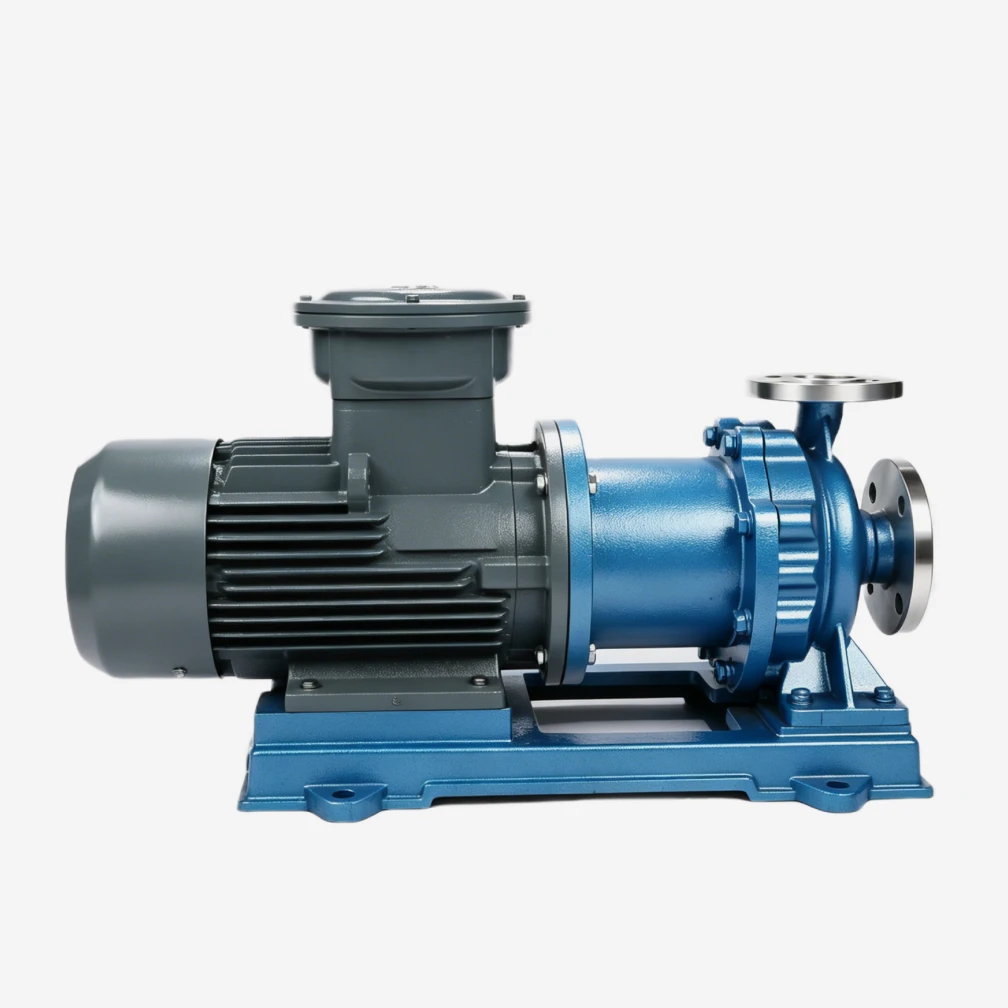
- YFLK magnetic drive pumps: seal-less rotary shaft design eliminates shaft seal leakage fundamentally. Potential leakage points are limited to flange gaskets and static seals. Containment shell rupture is a critical failure, which is almost always preceded by sustained cavitation or dry running.
Most leakage incidents are secondary complications induced by long-running vibration and cavitation instead of defective seal components.
2. Practical Remedies: From Targeted Repair to System Optimization
Vibration Mitigation
Corrective maintenance:
- Rotor unbalance: perform high-precision dynamic balancing for impellers; regularly remove scaling and solid deposits for slurry pump impellers.
- Shaft misalignment: re-align horizontal centrifugal pumps and pipeline pumps with laser alignment tools.
- Magnetic drive pump vibration inspection: check sliding bearing wear, internal rotor clearance, suction blockage and inadequate fluid lubrication.
System-level solutions:
- Carry out modal analysis to avoid resonance between pump assembly, foundation and piping. Variable Frequency Drives (VFD) save energy meanwhile allowing operators to skip dangerous resonant speed ranges.
- Install pipe supports and vibration dampers for slurry pump piping to suppress vibration transfer caused by particle pulsation.
Cavitation Prevention (Optimize System First, Modify Pump Second)
Improving NPSHa delivers the best cost-performance: raise suction tank liquid level, increase suction pipe nominal diameter, reduce elbows and valves, shorten suction piping length, lower medium temperature and eliminate air ingress points (critical for self-priming pumps).
If piping modification is not feasible on site, YFLK provides tailored solutions:
- Select impellers with anti-cavitation hydraulic profiles and erosion-resistant materials (fluoroplastics, high-alloy metal).
- Fit an inducer at the impeller inlet when process conditions permit, to reduce the pump's NPSHr.
- For magnetic drive pumps and volatile media, strictly verify NPSH margin and install inlet strainers to prevent dry-run and cavitation overlap.
Important reminder: Magnetic drive pumps must NOT operate continuously under cavitating conditions.
Leakage Control
- Pumps fitted with mechanical seals (centrifugal / self-priming / pipeline / slurry pumps): Complete seal failure analysis first. Match mechanical seal material and proper API flush plans according to pumped media (acid, alkali, solids-laden or crystallizing fluid). Slurry pumps prioritize particle-resistant mechanical seals paired with pre-filtration. Monitor vibration and pressure continuously to avoid seal face impact from unstable process conditions.
- Zero-emission services for hazardous fluids (electrolyte, toxic, highly corrosive media): Choose YFLK magnetic drive pumps. The seal-less design removes rotary shaft seal points, ideal for lithium electrolyte transfer and hazardous chemical dosing.
3. Production Profitability Linked to Pump Reliability
Chemical process conditions differ greatly, and reliability requirements vary by application:
- Wet lithium & electroplating lines: electrolyte and acid leakage brings corrosion hazards and environmental non-compliance risks. Magnetic drive pumps are the preferred selection with focus on cavitation and dry-run protection.
- Fine chemical & pharmaceutical intermediate production: batch manufacturing leads to frequent flow changes. Pumps often run far away from Best Efficiency Point (BEP), which raises the chance of vibration and cavitation.
- Solids-bearing wastewater & slurry applications: slurry pumps suffer continuous particle abrasion. Vibration acceleration and seal wear are much faster than clear-liquid pumps, requiring customized seal selection and maintenance cycles.
- Hazardous waste treatment: fluctuating medium composition requires low power consumption while avoiding environmental penalties from leakage. Matching hydraulic design and seal protection scheme is essential.
The production loss and environmental liability caused by one unplanned shutdown far exceed the investment in proper pump selection, suction piping design and condition-based monitoring in advance.
4. Forward Outlook: Predictive Maintenance for Chemical Pumps
The traditional maintenance mode relies on breakdown repair or scheduled overhaul. Modern maintenance adopts sensor arrays to collect vibration, temperature, pressure and flow data for pump condition monitoring and predictive failure alert. YFLK supports pump skid monitoring packages to capture abnormal vibration and pressure pulsation ahead of seal failure or cavitation damage. Nevertheless, reliable monitoring is built on the foundation of correct pump sizing, reasonable suction piping design and application-matched sealing configuration.
5. Conclusion
Vibration, cavitation and leakage seem to be three independent pump faults, but essentially they signal a broken balance of the whole fluid system. YFLK (Yftel) is a professional manufacturer of anti-corrosion chemical pumps. Beyond supplying magnetic drive pumps, centrifugal pumps, self-priming pumps, slurry pumps and pipeline pumps, we deliver complete fluid transfer support including NPSH calculation, sealing scheme selection and on-site fault diagnosis. Selecting the correct pump model, optimizing suction piping layout and establishing regular condition monitoring are the keys to keep the fluid heart of chemical plants running steadily.
6. FAQ Section
Q1: Can YFLK magnetic drive pumps experience cavitation? Are magnetic drive pumps immune to cavitation as they have no mechanical seals?
A1: Magnetic drive pumps can still suffer cavitation. Magnetic drive pumps only eliminate rotary shaft seal leakage. They follow the same hydraulic principles as centrifugal pumps and are subject to NPSHa / NPSHr rules. Cavitation impacts destroy the bearing lubrication film, which may result in dry-running and containment shell damage. Magnetic drive pumps are more sensitive to cavitation and require larger NPSH safety margin.
Q2: Slurry pumps have high vibration. Do we have to replace impellers frequently?
A2: Not necessarily. Slurry pump vibration roots include particle-induced rotor unbalance, flow passage erosion, piping pulsation and shaft misalignment. Prioritize vibration-damping piping supports, periodic dynamic balancing and inlet filtration. Select wear-resistant impeller / liner material and particle-resistant mechanical seals to extend service intervals.
Q3: How to distinguish cavitation from air ingress on suction piping?
A3: Air ingress usually causes stable and continuous flow drop and pressure instability. Cavitation features fluctuating performance, crackling noise and high-frequency vibration. Inspect suction flanges, check valves and welds for air leakage while verifying NPSH calculation. Self-priming pumps are most prone to air ingress.
Q4: If mechanical seals leak frequently, will upgrading to a higher-grade mechanical seal solve the problem?
A4: Not always. Many leakage issues originate from persistent vibration, cavitation, medium crystallization or improper flush plans. Check hydraulic conditions and vibration status first, then select seal material and API flush plan. Simply upgrading seal hardware cannot eliminate the root cause.
Q5: What chronic faults commonly occur on self-priming pumps?
A5: The top two issues for self-priming pumps are air ingress on suction side leading to cavitation and insufficient priming liquid inside the priming chamber. Secondary issues include hydraulic vibration and seal wear when operating far from rated flow. Priming height and suction resistance must be strictly calculated during selection.
Q6: Does VFD speed regulation increase the risk of pump vibration and cavitation?
A6: Proper VFD operation does not. Variable speed drives help avoid resonant speeds and match process flow demand. However, long-term operation at extremely low flow (far from BEP) creates turbulent recirculation and increases cavitation and vibration risk, so operation window limits are required.
Q7: Are magnetic drive pumps 100% leak-free?
A7: Magnetic drive pumps remove rotary shaft seals to eliminate shaft seal leakage. However, leakage may still occur at static sealing points such as flange gaskets or when containment shells are damaged. Routine inspection should cover static seal locations.
-

YFTEL Pumps
Fluid Engineers & Technical Support, YFTEL Pump
YFTEL is a chemical pump manufacturer based in Hangzhou, China, with a 26,000 m² production base in Hangzhou, China, with a 26,000 m² production base in Anhui. Using the CAS-patented Fluoroplastic Alloy material, we produce 300+ models of corrosion-resistant pumps, valves and piping, exported to 30+ countries.