
 English

A practical review of the June 2026 edition for engineering design, procurement and supplier document control
Standard covered: API STD 610, Centrifugal Pumps for Petroleum, Petrochemical, and Natural Gas Industries, Thirteenth Edition, June 2026.
Audience: Pump engineers, piping and mechanical engineers, EPC contractors, procurement teams, owner-operators and pump manufacturers.
Introduction
API 610 is widely used to define technical requirements for centrifugal pumps in demanding petroleum, petrochemical and natural gas services. Its value in a project lies in the detail: pump construction, hydraulic performance, mechanical integrity, documentation and the interfaces between the pump, driver, seal system and connected piping.
The Thirteenth Edition was published in June 2026, replacing the Twelfth Edition issued in January 2021. The revision updates more than clause numbering. It reorganizes annexes, revises nozzle-load provisions, adds a high-pressure seal-chamber interface, clarifies NPSH reference elevations and mounting-surface tolerances, and expands material and data-exchange requirements. These changes affect how project teams write specifications, review vendor offers and control documents across a project.
This article summarizes the changes that deserve early attention. It is an engineering-oriented overview, not a substitute for the licensed standard. For contractual work, users should verify every requirement, exception, table and clause against the controlled copy of API STD 610, Thirteenth Edition, and the project specification.
What the 13th Edition Means for Project Teams
The most immediate risk during a transition between editions is document mismatch. A datasheet may use the new edition while a purchase specification, piping note or inspection checklist still points to the Twelfth Edition. Even when the engineering intent is unchanged, a shifted clause number can send reviewers to the wrong requirement.
For new projects, identify the governing edition at the start of the inquiry. Then update the pump datasheet, technical requisition, bid-evaluation checklist, vendor document register and inspection and test plan as one controlled package. Avoid copying clause references from an old project without checking them.
Standard Structure and Annex Reorganization
The Thirteenth Edition restructures the annex system and changes clause numbering throughout the document. The annex count is reduced from 15 to 14. The former Annex D on standard baseplates is removed, while the special-purpose centrifugal pump material previously located in informative Annex O is moved to informative Annex D. This places the special-purpose pump discussion closer to the main body of the standard.
Other annex changes include a new Table H.5 covering miscellaneous material specifications and a revised Annex J title: “Residual Unbalance Verification Procedure.” The edition retains seven normative annexes and seven informative annexes, according to the supplied technical review.
For document control, do not assume that an annex letter has the same subject in both editions. Recheck cross-references in specifications, vendor data requirements, inspection plans and internal engineering standards. If a project is already in execution, record which edition governs each purchase order and technical deviation.
Revised Allowable Nozzle Loads
Nozzle loads matter because forces and moments transmitted by connected piping can deform the pump casing, affect shaft alignment and compromise mechanical clearances. The Thirteenth Edition revises the allowable nozzle-load provisions for nozzle sizes up to NPS 24 (DN 600) and separates the USC and SI presentations into Tables 5a and 5b.
A key distinction remains essential when applying the revised provisions: the casing design criterion and the allowable loads used by piping designers are not the same value. The supplied review describes the casing as being designed for the worst-case combination of twice the Table 5 load, while the allowable nozzle-load limit for the piping interface is the Table 5 value. The design margin is not to be reduced without purchaser approval. Confirm the exact wording and applicability in Clauses 6.2.4 and 6.5 of the controlled standard.
The edition also addresses cases outside the standard table basis. For pump casings made from materials other than steel or alloy steel, or for nozzles larger than NPS 24 (DN 600), the vendor is required to submit allowable nozzle loads in a format corresponding to Table 5. A specific provision is also identified for certain vertical in-line pumps whose supports are not anchored to the foundation; the applicable side-nozzle limit may differ from the general table value. Treat this as a configuration-specific provision, not a blanket increase for all vertical pumps.
Practical action: ask the piping stress team and pump vendor to use the same edition, unit system, nozzle coordinate convention and load combinations. The pump datasheet, piping stress report and vendor confirmation should be consistent.
Seal-Chamber Interface: A Separate High-Pressure Table
The Thirteenth Edition provides more detailed seal-chamber interface information and introduces Table 7b for high-pressure seal chambers, alongside the standard seal-chamber dimensions. The new table includes chamber, gland mounting and cartridge-seal sleeve dimensions, with standardized chamber sizes extended to 11–14 for larger pump configurations.
This is relevant to the pump–mechanical-seal interface. Seal-chamber dimensions, gland bolting, locating features and available flush or cooling connections affect whether the selected seal can be installed and supported as intended. The project team should therefore review the pump datasheet and seal datasheet together, rather than treating them as independent vendor documents.
For high-pressure services, confirm the intended pump type, chamber pressure, seal category, gland interface, stud material and any purchaser-approved alternative design. A standard dimension table does not remove the need to verify the complete seal system against the applicable seal standard and the process conditions.
NPSH Reference Elevations and Installation-Surface Tolerances
The revised figures clarify the reference elevations used for NPSH3 and NPSHA. These reference points must not be mixed. NPSH3 is a pump performance quantity associated with the specified test criterion; NPSHA is determined by the system at the pump suction. The reference elevation used in the calculation depends on the pump configuration.
The supplied review identifies the NPSH3 datum for horizontal pumps at the shaft centreline, and for vertical in-line and vertically suspended pumps at the centre elevation of the impeller suction. It also identifies different NPSHA datum references for horizontal and vertical pump arrangements. Use the figures and definitions in Clauses 6.1.13 and 6.1.14 when preparing calculations; do not transfer a datum from one pump arrangement to another.
At the rated point, the review reports a minimum NPSH margin of 3 ft (1 m), unless the purchaser specifies a different margin. This should be treated as a minimum standard requirement within its stated scope, not as proof that every process system has adequate cavitation protection. Volatile fluids, elevated temperatures, viscosity, transient operation and suction-system uncertainty may require a project-specific margin.
The edition also clarifies mounting-surface tolerances. The supplied review lists a surface roughness limit of 250 μin (6 μm) Ra, flatness within 0.001 in per linear foot (approximately 75 μm per metre), and a height difference of no more than 0.005 in (125 μm) between mounting surfaces in the same horizontal plane. Verify the exact measurement method, surface scope and acceptance wording in Clause 6.2.26 before using these values in a fabrication or inspection procedure.
| Review item | 13th Edition point to check | Project action |
| NPSH3 datum | Configuration-specific reference elevation | Use the applicable figure and clause for the pump type. |
| NPSHA datum | System calculation reference differs by pump arrangement | Align process, piping and pump calculations on one datum. |
| NPSH margin | Minimum 3 ft (1 m) at rated point as reported in the review | Specify a different margin where the service requires it. |
| Mounting surfaces | Roughness, flatness and relative height tolerances | Add the verified criteria to foundation and inspection documents. |
Bearing Selection and Material Requirements
Bearing selection
The Thirteenth Edition refines bearing selection requirements and links bearing type and arrangement to the limits in Table 10. The supplied review notes that rolling-element bearings may be used outside the stated energy-density limits with purchaser approval. This should be handled as a documented technical deviation, supported by the vendor's design basis and the purchaser's acceptance, rather than assumed during bid review.
Additively manufactured components
The edition adds requirements for parts produced by additive manufacturing. The supplied review states that the manufacturer must identify such parts before manufacture and that the supplier must provide the technical information list required by API 20S, First Edition, Clause 4.2. This makes manufacturing-route disclosure part of the vendor review.
For procurement and quality teams, the practical question is simple: does the offer include any additively manufactured metallic component, and if so, are the required process, material and qualification records included in the vendor document list? Do not treat an AM part as interchangeable with a conventionally manufactured part solely because its nominal alloy designation is the same.
The new miscellaneous-materials table in Annex H also deserves attention when reviewing material specifications. Check the exact material designation and referenced specification in the standard rather than relying on an abbreviated description in a quotation.
Datasheets, Units and Electronic Data Exchange
The Thirteenth Edition expands the pump datasheet and electronic data-exchange requirements. One important document-control point is unit consistency: the unit system selected for the datasheet should match the units used in the pump data, drawings and repair dimensions. The edition provides USC and SI datasheet formats.
Mixed-unit packages create avoidable review risk. A drawing may show millimetres while a repair dimension is entered in inches; a nozzle-load calculation may be in SI while a vendor datasheet remains in USC. Each individual value may look plausible, but the combined package can lead to conversion errors and incorrect acceptance decisions.
Before issuing an inquiry, define the required unit system and file formats. During vendor review, check that datasheets, outline drawings, sectional drawings, performance curves, seal data and maintenance dimensions follow the same basis. Establish a controlled process for revisions and electronic transmittals.
Updated Normative References and Terminology
The supplied technical review identifies updates to several referenced documents, including API 20S for additively manufactured metallic components, API 697 for pump repair, ISO 21940-11:2023 for rotor balancing, and API 670:2024 for machinery protection systems. The exact edition and applicability of each reference should be checked in the normative-reference section of the licensed API 610 text.
The definitions section also revises or clarifies terms used in pump specifications and performance discussions. The reviewed terms include allowable operating region (AOR), best efficiency point (BEP), cartridge and cartridge assembly, critical speed, double casing, high-energy pump, high-pressure seal, maximum allowable working pressure (MAWP), maximum continuous speed (MCS), minimum continuous stable flow (MCSF), minimum continuous thermal flow, net positive suction head (NPSH), preferred operating region (POR), specific speed and suction specific speed.
For specification writers, definitions matter because they establish how a requirement is interpreted. If a project uses POR, AOR, MCSF or another defined term, confirm that the project documents use the current definition and do not rely on a legacy company template.
A Practical Transition Checklist for EPCs, Buyers and Vendors
State API STD 610, Thirteenth Edition (June 2026) explicitly in the requisition and purchase specification where it is the governing edition.
Recheck clause and annex references instead of copying them from Twelfth Edition documents.
Update the pump datasheet, technical bid evaluation (TBE), vendor document register and inspection and test plan.
Confirm nozzle-load tables, unit system, coordinate convention and purchaser approval requirements with the piping stress team.
Review the seal chamber interface and high-pressure seal requirements with the mechanical-seal supplier.
Verify NPSH3 and NPSHA reference elevations for the actual pump configuration and document the required margin.
Add the revised mounting-surface tolerances to foundation, baseplate and inspection documents where applicable.
Review bearing selection against Table 10 and record any purchaser-approved deviation.
Identify additively manufactured parts and request the applicable API 20S technical information.
Align datasheet, drawings, repair dimensions and electronic deliverables to one unit system.
Record the governing edition in vendor clarifications, deviations, inspection records and final documentation.
What This Means for Chemical Pump Selection
API 610 is written for centrifugal pumps used in petroleum, petrochemical and natural gas industry services. It should be applied where the project specification, service conditions and purchaser requirements call for it. It is not automatically the governing standard for every chemical transfer pump or every corrosive-fluid application.
Material compatibility, operating temperature, pressure, solids content, hydraulic duty, sealing arrangement and maintenance philosophy remain central to chemical pump selection. A pump selected for a corrosive process must be checked against the actual medium and operating envelope, even when the project also references an industry pump standard.
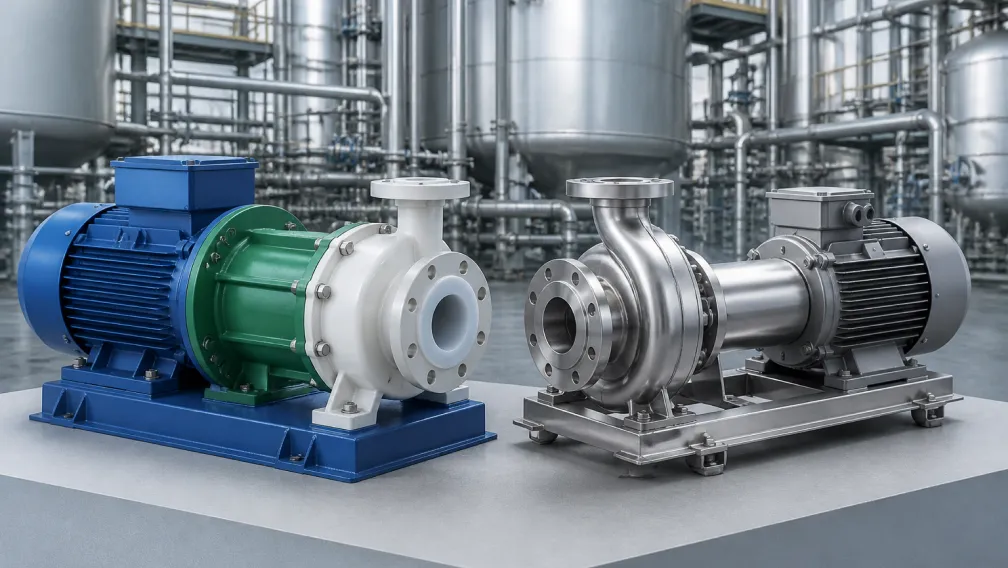
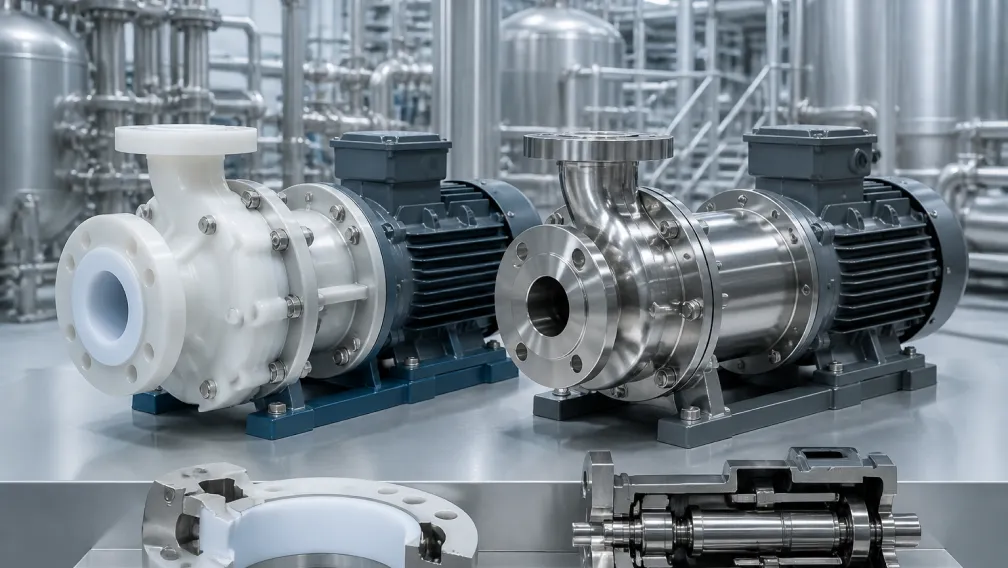
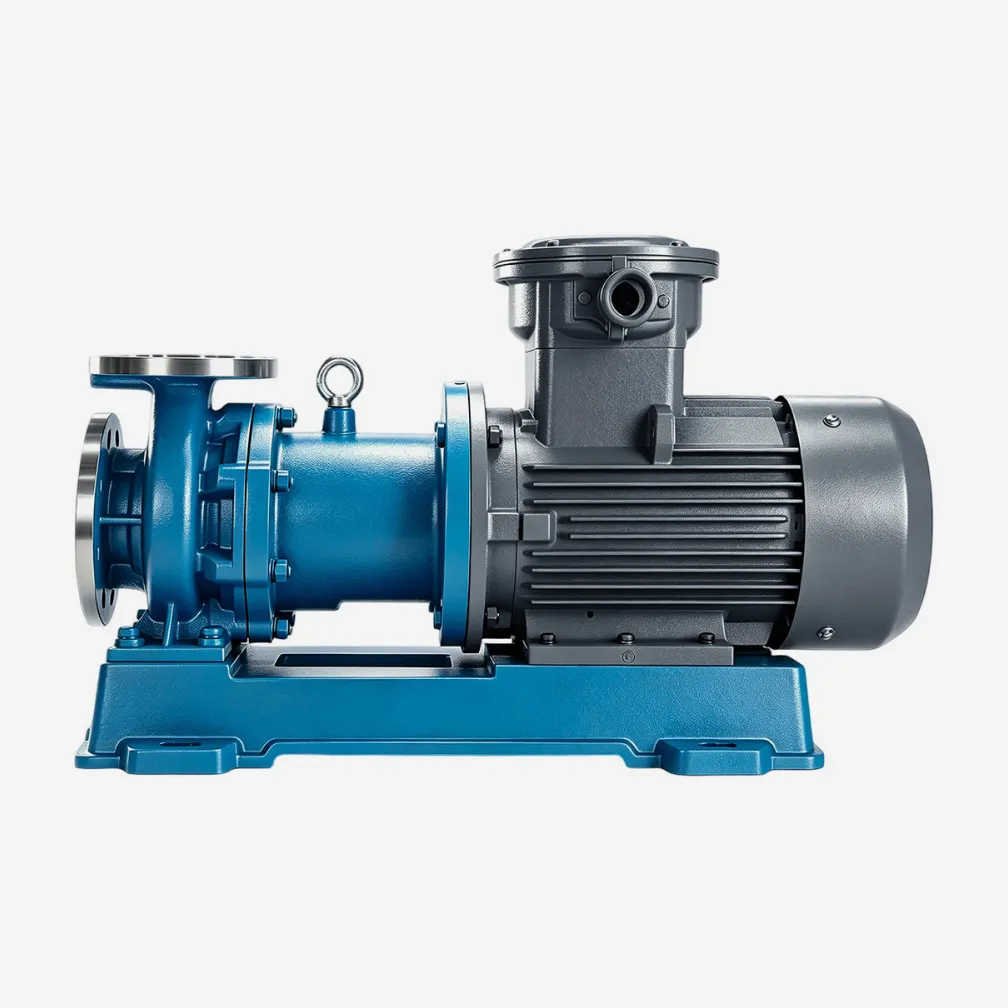
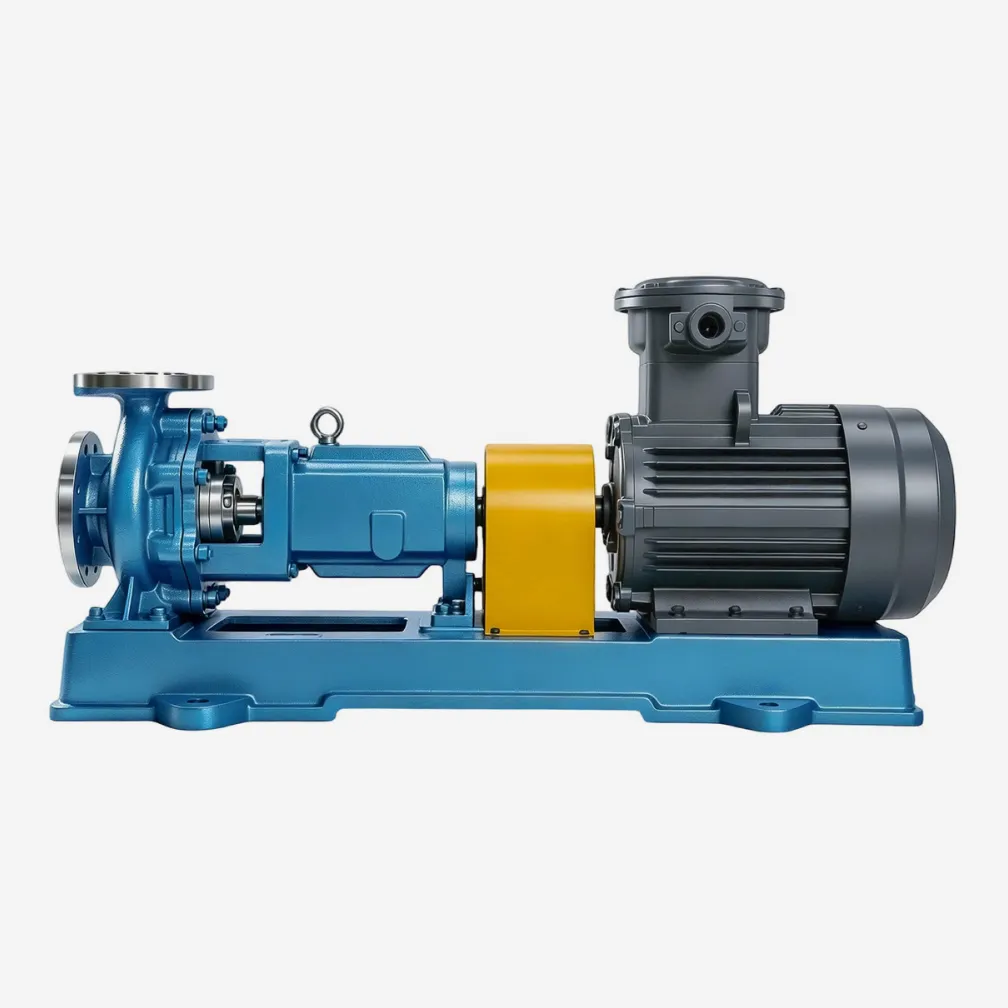
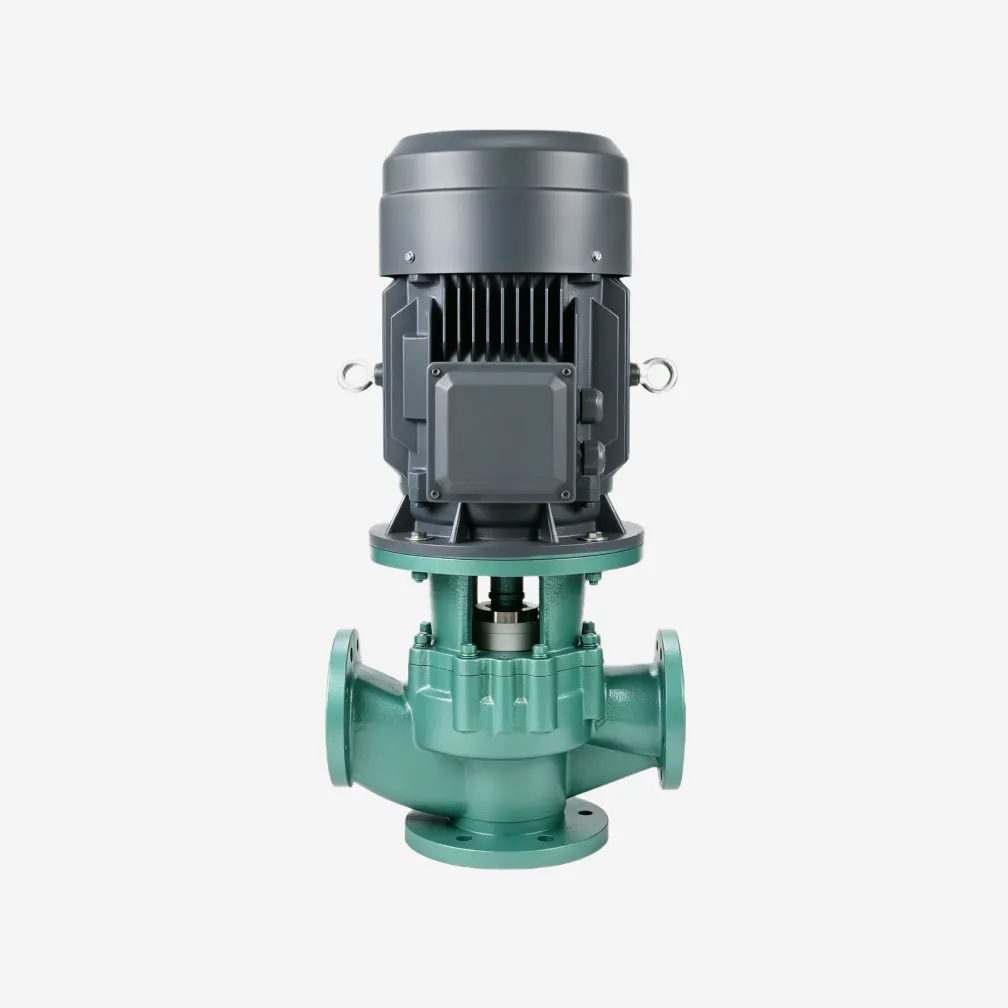
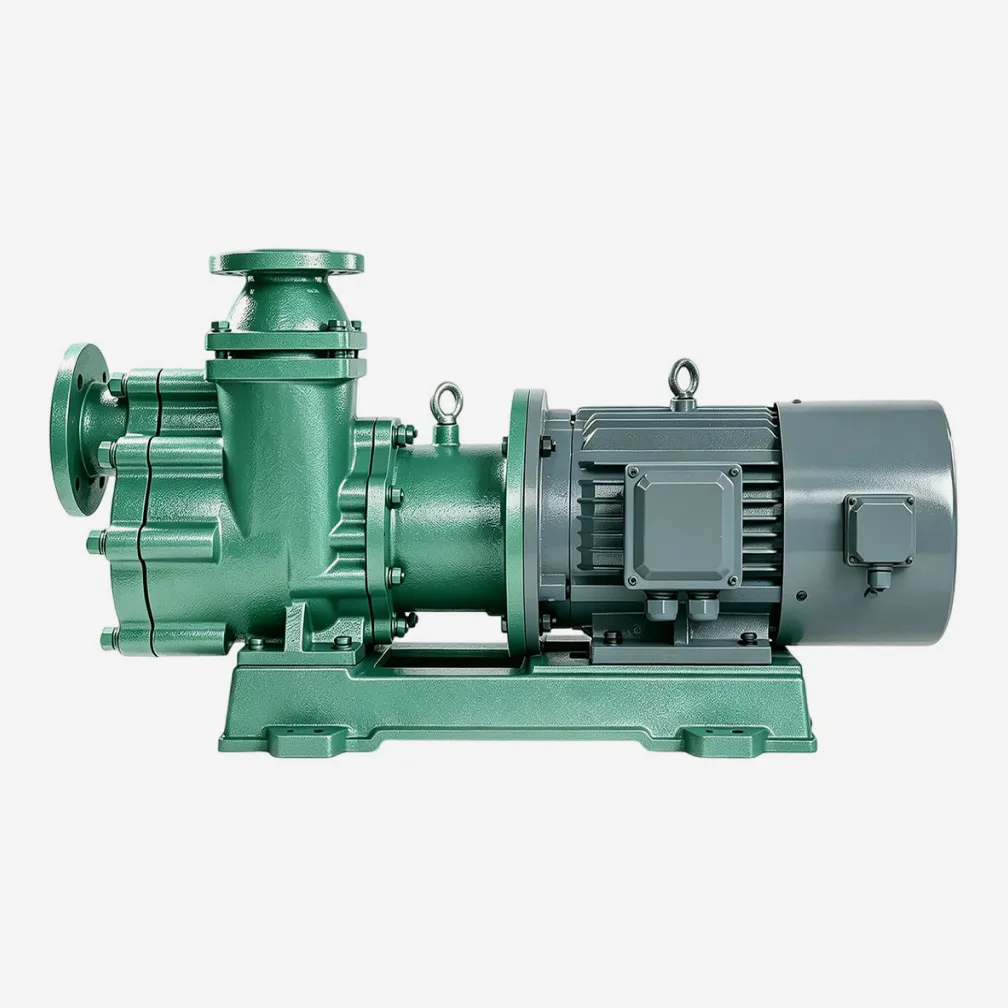
YFTEL supplies corrosion-resistant pump ranges for chemical applications, including chemical centrifugal pumps and fluoroplastic-lined pump solutions. The available product range and application details can be reviewed in the YFTEL product catalogue. These links describe YFTEL's chemical pump offering; they should not be read as a declaration that every YFTEL model is API 610 compliant. Any API 610 requirement must be confirmed against the specific pump design, datasheet, documentation and contractual scope.
Conclusion
The API 610 Thirteenth Edition changes several interfaces that project teams depend on: nozzle loads, seal chambers, NPSH reference elevations, mounting surfaces, bearing selection, materials and data exchange. The most effective way to manage the transition is to update the complete project document set together and verify technical details against the controlled edition.
For engineers and buyers, early review reduces the risk of conflicting specifications, incorrect vendor comparisons and late technical deviations. For manufacturers, it makes the design basis and required documentation clearer before fabrication begins.
Talk to YFTEL About Your Chemical Pump Application
If your project involves corrosive or difficult process fluids, YFTEL can review the application data and discuss suitable corrosion-resistant pump configurations. To start a technical review, prepare the medium name and concentration, flow rate, differential head, operating temperature, density, solids content, suction conditions, materials requirements and any project-specific standards.
Contact the YFTEL team through the technical enquiry page to discuss your duty conditions and documentation requirements.
Frequently Asked Questions
Q1: When was API 610, 13th Edition published?
A1: API STD 610, Thirteenth Edition was published in June 2026. BSI lists the publication date as 29 June 2026. It supersedes the Twelfth Edition published in January 2021.
Q2: Does the 13th Edition apply to every chemical centrifugal pump?
A2: No. API 610 addresses centrifugal pumps for petroleum, petrochemical and natural gas industry services. Whether it applies to a particular chemical plant package depends on the project specification, service and purchaser requirements.
Q3: What is one of the most important changes for piping engineers?
A3: The revised allowable nozzle-load provisions and separate USC/SI tables deserve close review. The piping stress calculation, pump nozzle coordinate system and vendor confirmation must use the same edition and unit basis.
Q4: What is new about the mechanical seal chamber requirements?
A4: The Thirteenth Edition adds a separate high-pressure seal-chamber table, Table 7b, and extends standardized chamber dimensions to sizes 11–14. Confirm the applicable pump type, seal arrangement and interface details in the controlled standard.
Q5: What NPSH margin is identified in the 13th Edition review?
A5: The supplied technical review identifies a minimum NPSH margin of 3 ft (1 m) at the rated point unless the purchaser specifies otherwise. The required margin should still be assessed against the actual process fluid, operating conditions and project requirements.
Q6: Do the new requirements affect existing pumps?
A6: A new edition does not automatically change the contractual basis of equipment already purchased or installed. Existing equipment should be assessed against its original purchase specification and applicable contract. For repair work, check the relevant repair standard and owner requirements.
Q7: Does YFTEL claim that all its pumps comply with API 610?
A7: No blanket compliance claim is made in this article. YFTEL's product pages describe corrosion-resistant chemical pump ranges. API 610 compliance, if required, must be confirmed for the exact model, design, documentation package and project scope.
-

YFTEL Pumps
Fluid Engineers & Technical Support, YFTEL Pump
YFTEL is a chemical pump manufacturer based in Hangzhou, China, with a 26,000 m² production base in Hangzhou, China, with a 26,000 m² production base in Anhui. Using the CAS-patented Fluoroplastic Alloy material, we produce 300+ models of corrosion-resistant pumps, valves and piping, exported to 30+ countries.