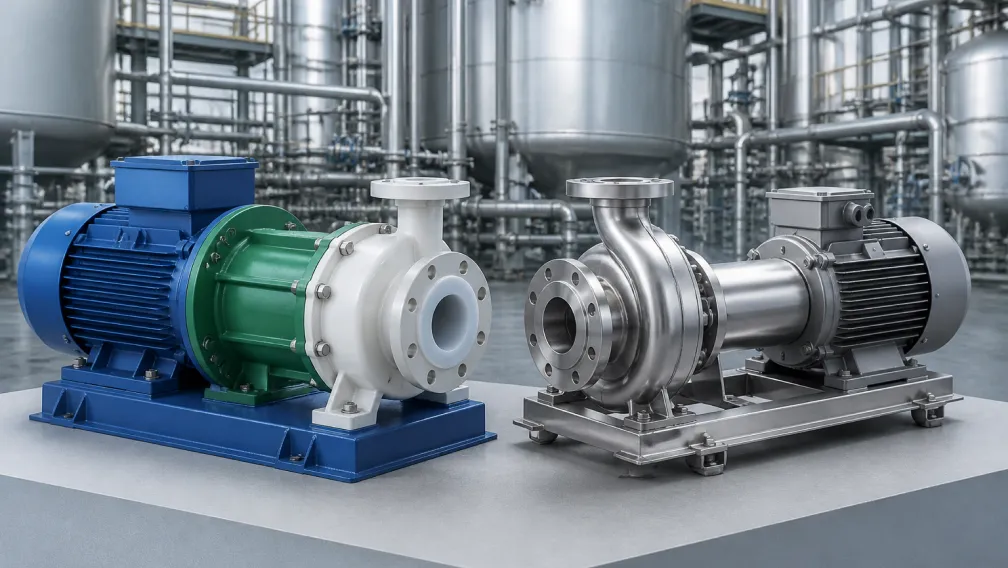
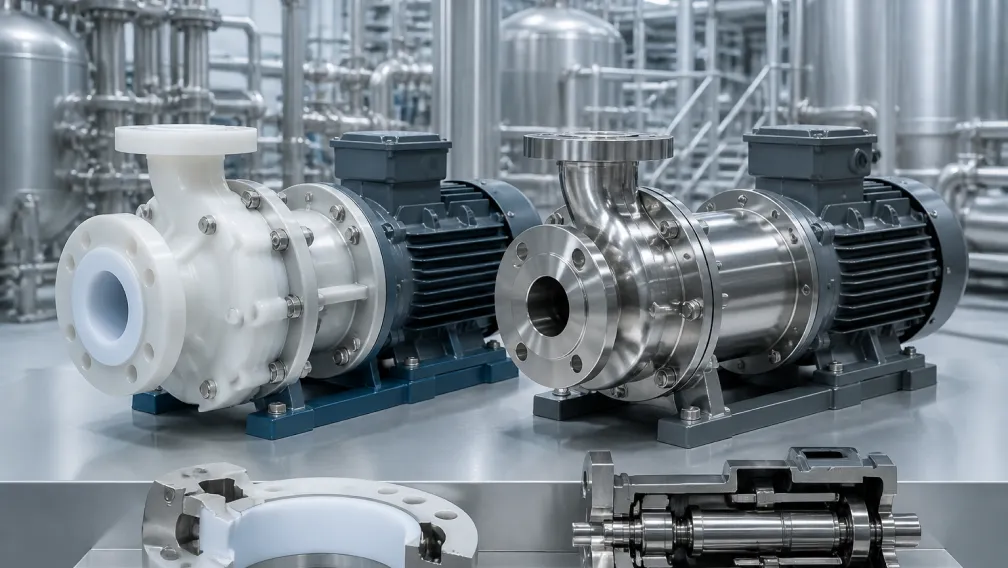
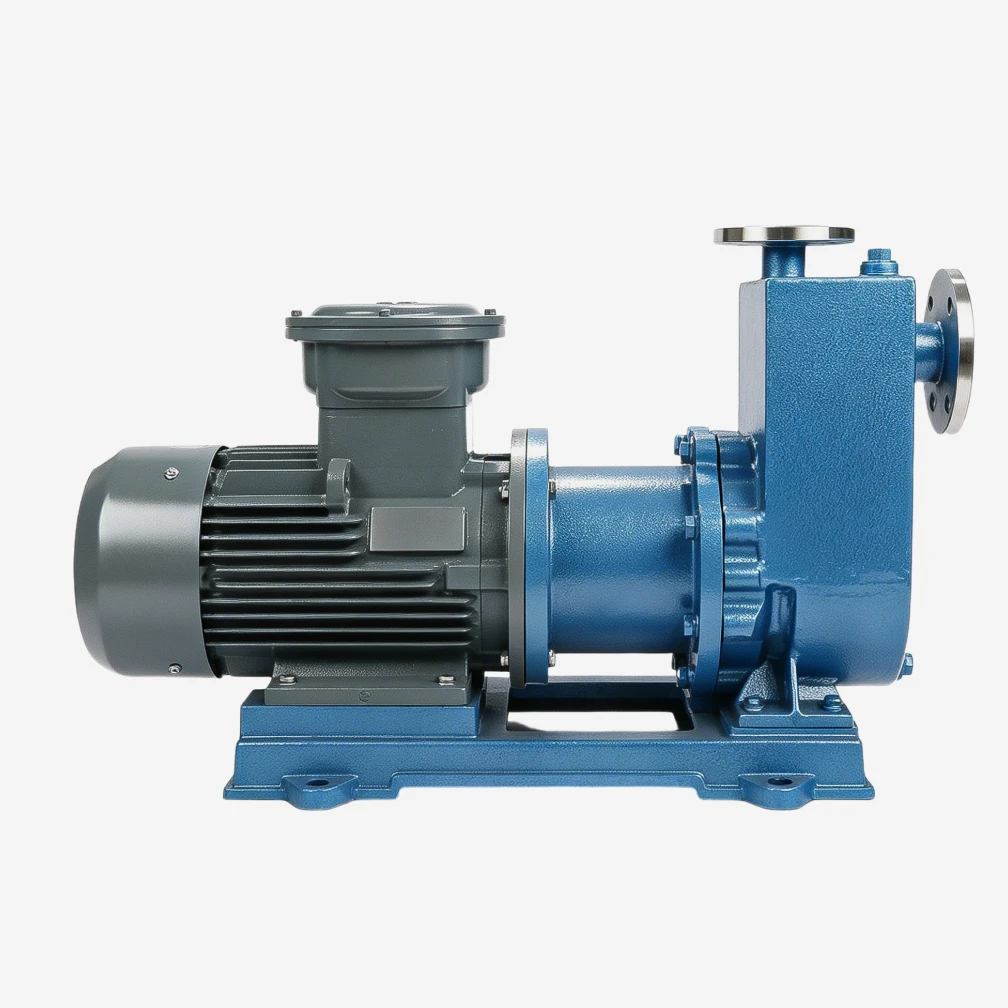
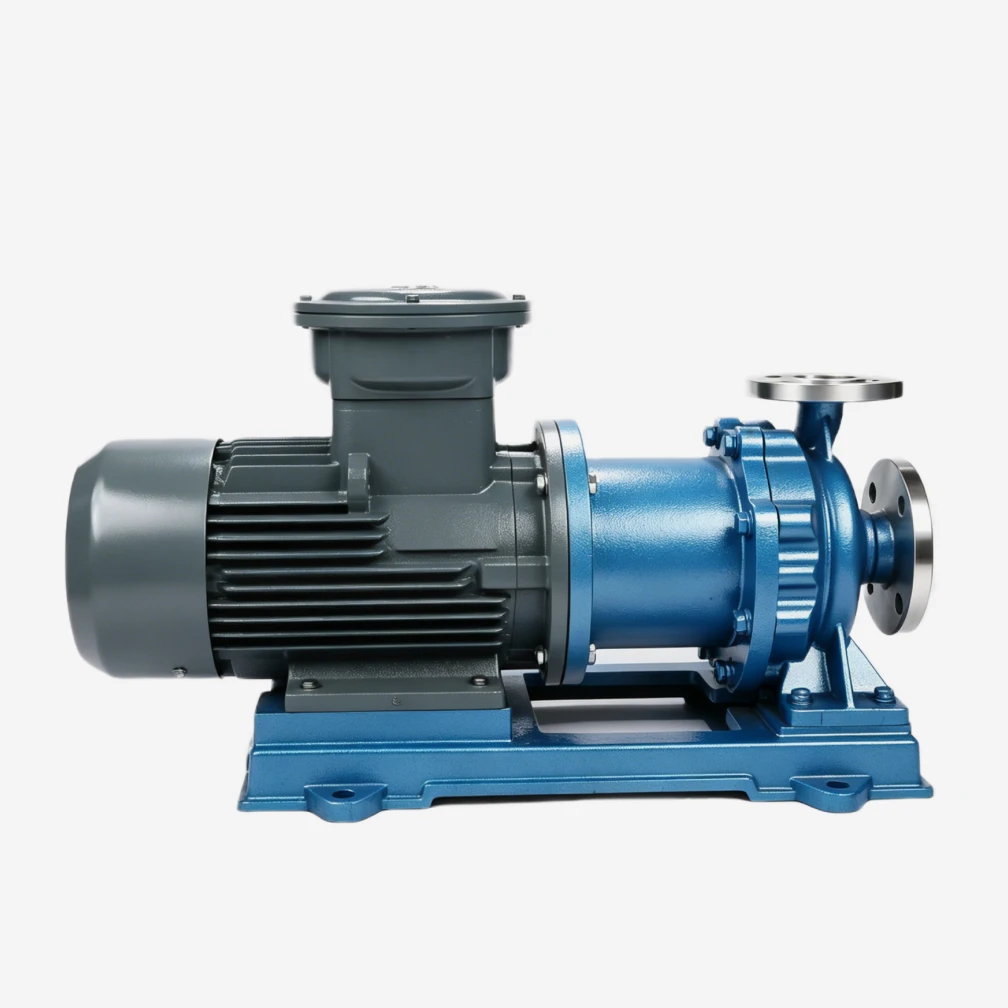
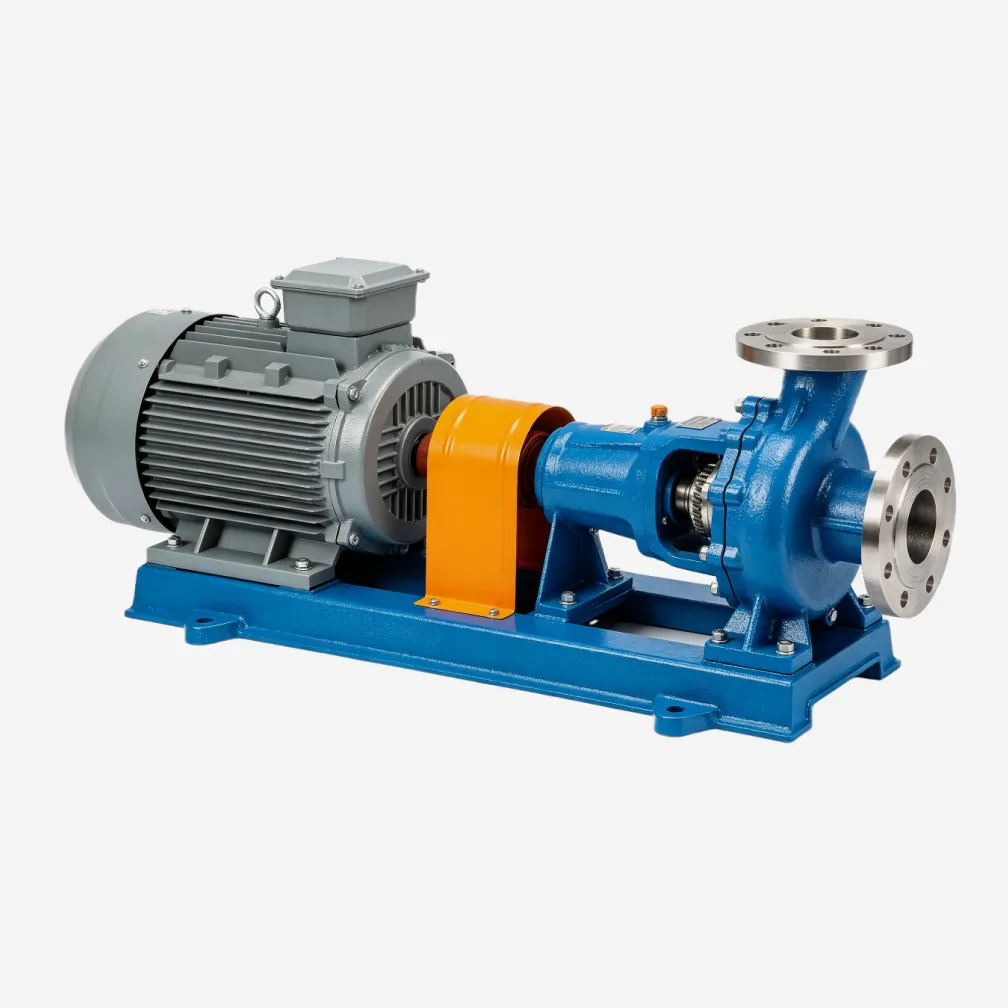
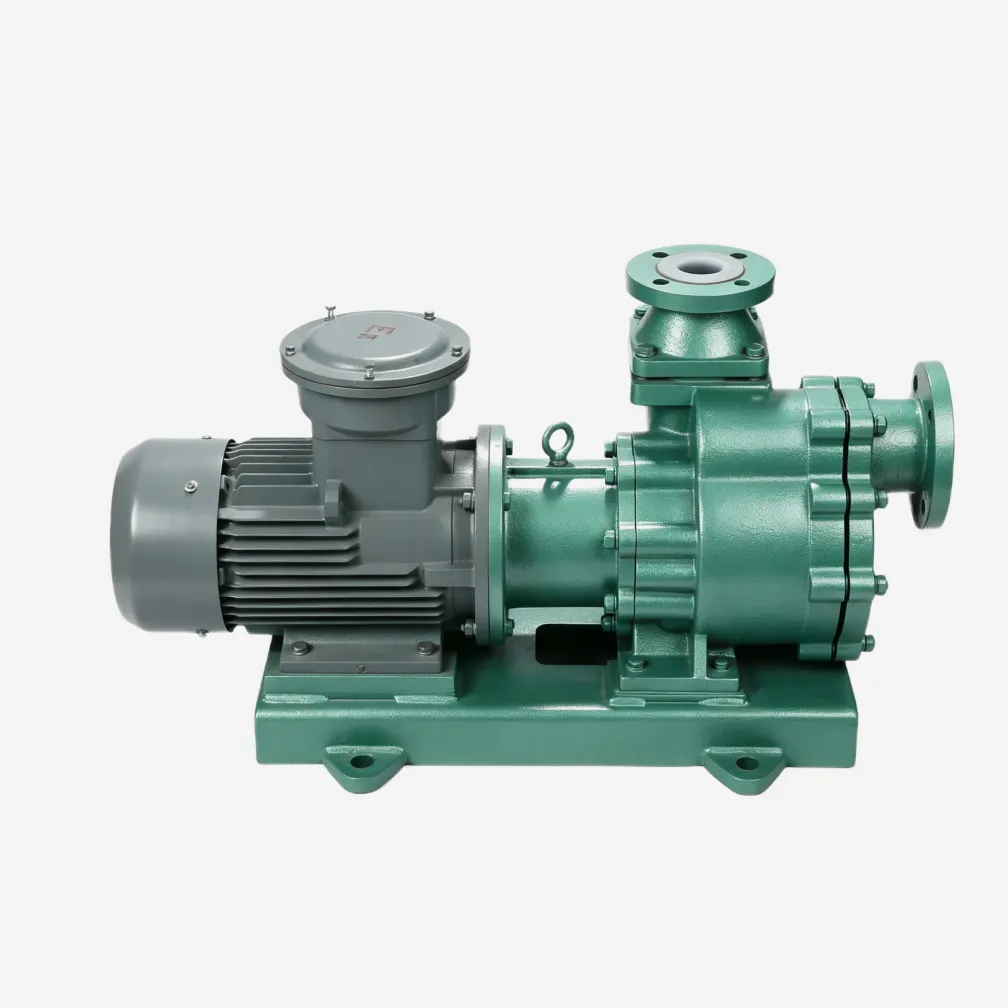
YFTEL supplies horizontal centrifugal slurry pumps for duties where corrosive carrier liquids and abrasive solids act on the same wetted components. The UHB-ZK series combines a steel pressure-bearing structure with an 8 to 20 mm UHMWPE lining, a semi-open impeller, and several shaft-seal options for solid-bearing chemical processes.
| Model Series | Wet-End Construction | Flow Rate (m³/h) | Head (m) | Operating Temp (°C) | Design Pressure |
|---|---|---|---|---|---|
| UHB-ZK Horizontal Slurry Pump | Steel matrix with 8 to 20 mm UHMWPE lining | 5 to 1,400 | 20 to 80 | -20 to 80 | 1.6 MPa |
Standard series data. Impeller type, shaft seal, operating speed, and motor power are confirmed against the actual slurry and duty point.
A slurry duty is defined by more than flow and head. Send the liquid chemistry, solids concentration, maximum particle size, slurry specific gravity, temperature, suction condition, and duty cycle. We use these inputs to check UHMWPE compatibility, impeller geometry, sealing arrangement, motor power, and operating speed before recommending a model.
Transfer and circulation of acidic leach solutions, mother liquors, and ore-bearing process streams in copper, zinc, rare-earth, and other wet-metallurgical plants. Material selection accounts for both solution chemistry and fine ore abrasion.
Handling phosphoric-acid process streams, phosphate slurries, and gypsum-containing liquids in fertilizer production. The UHMWPE lining and semi-open impeller are evaluated against acid concentration, crystal content, temperature, and required duty point.
Limestone and gypsum slurry transfer or scrubber circulation in flue-gas desulfurization systems. Flow, head, solids concentration, settling behavior, and available seal-flushing conditions are checked before configuration.
Movement of compatible chemical slurries containing fine suspended solids or crystals that can form during cooling and concentration changes. The open flow passage reduces restriction, while the selected seal arrangement controls leakage risk.
Pumping corrosive effluent, settled sludge, and solids-bearing wastewater between treatment stages. YFTEL reviews particle size, slurry density, suction conditions, gas content, and operating hours to prevent an unsuitable clean-liquid pump selection.

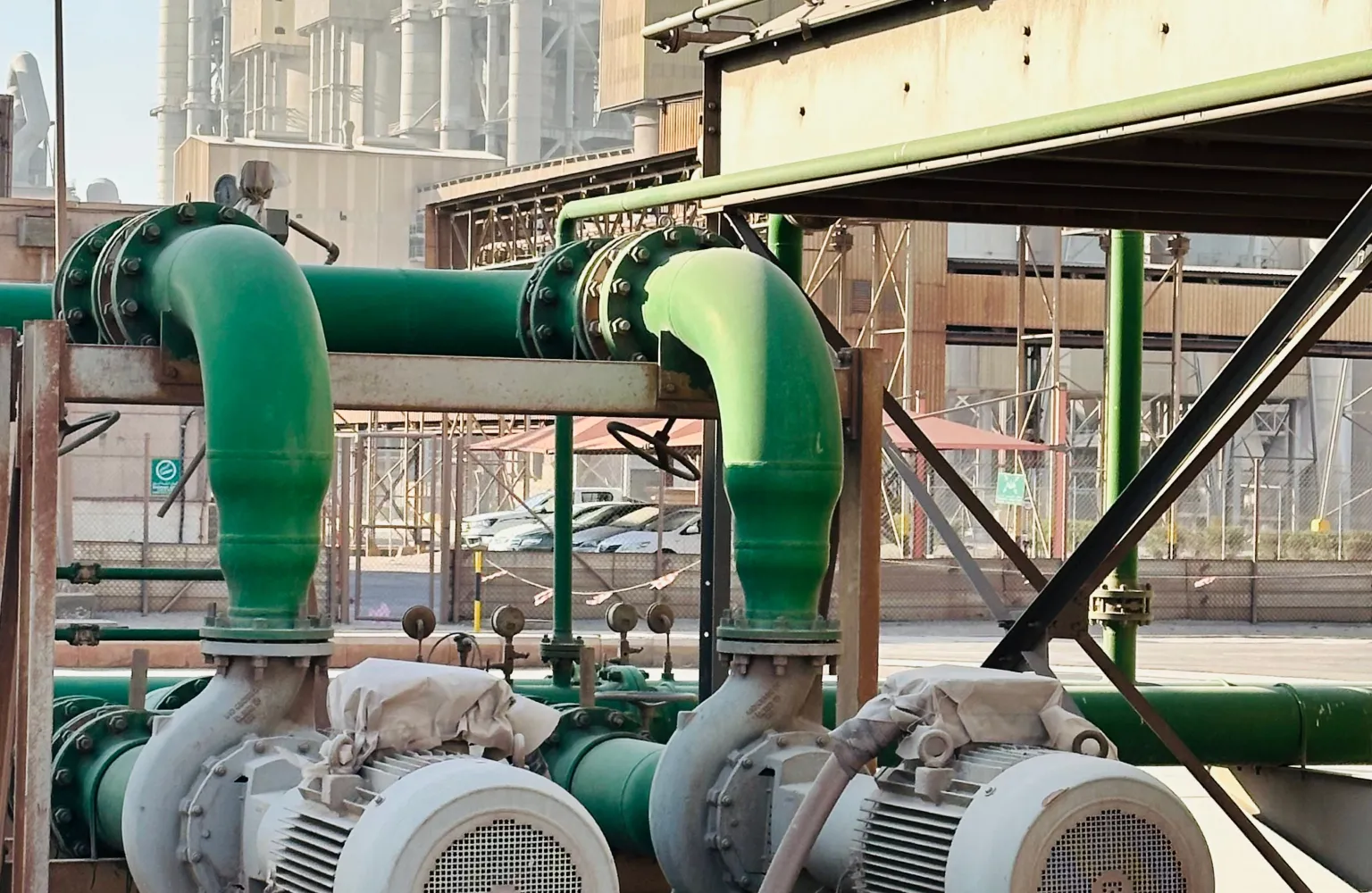
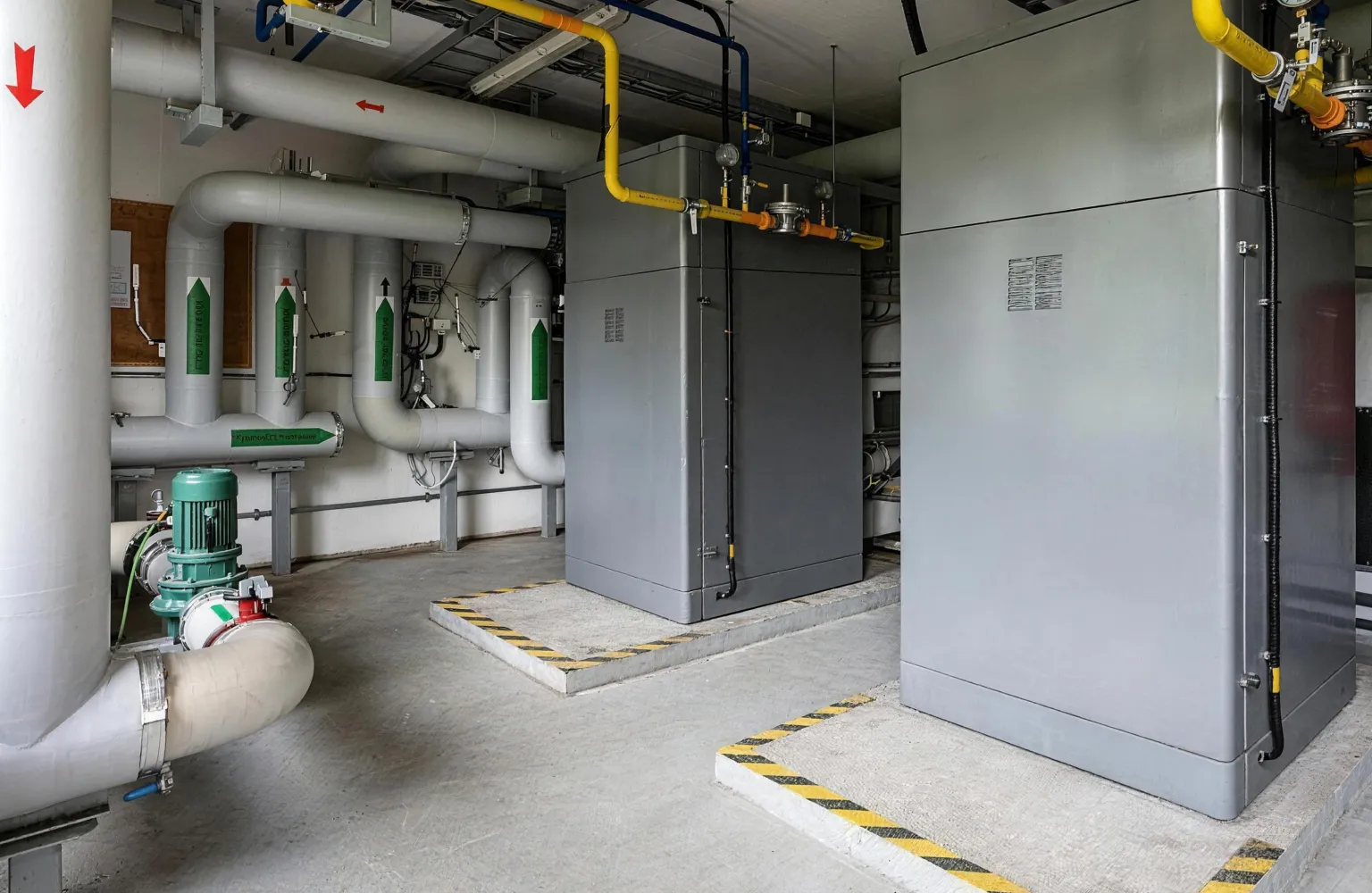
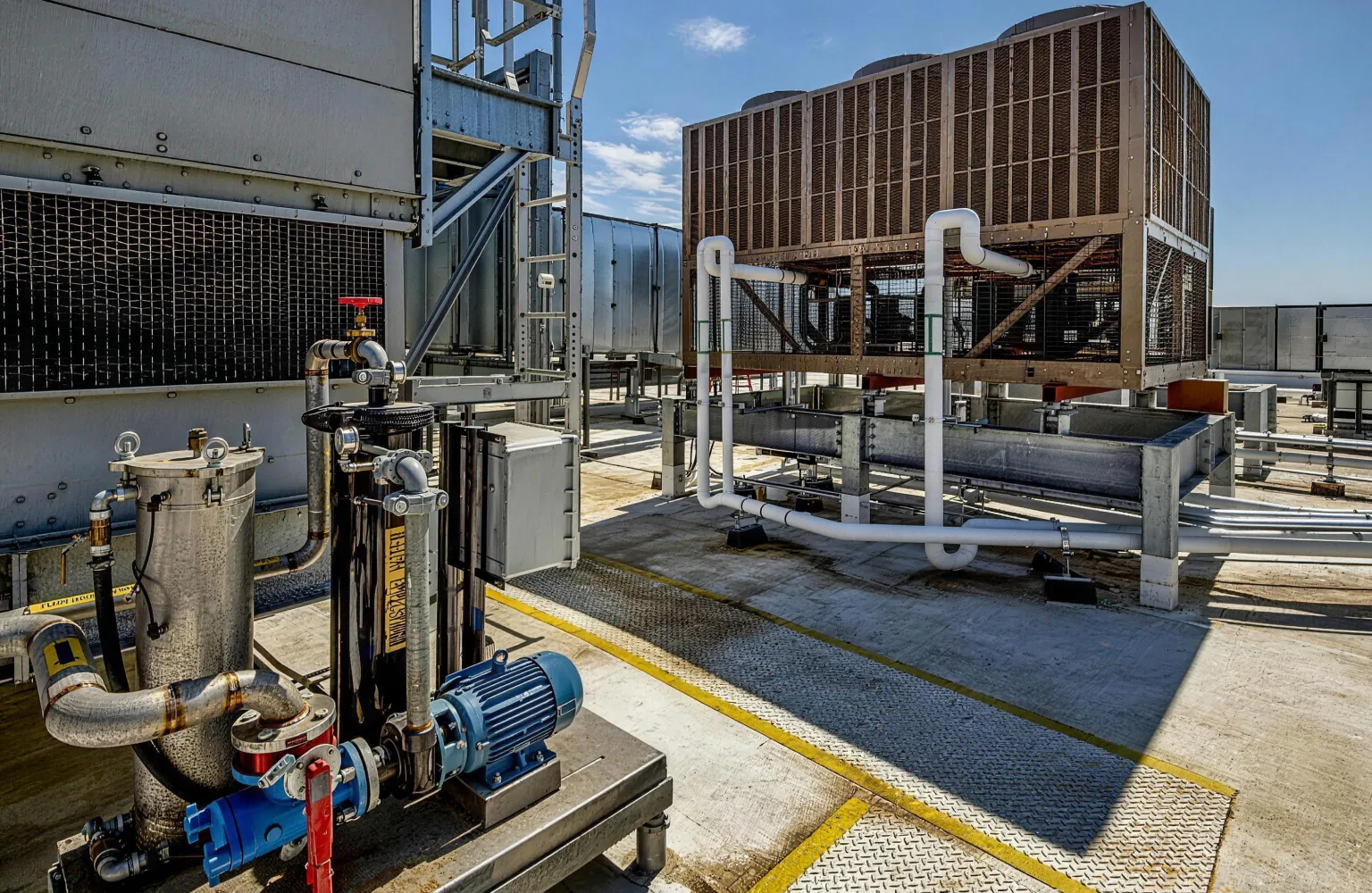

YFTEL manufactures corrosion-resistant pumps, valves and piping at a 26,000 m² production base in Anhui, with international trade operations headquartered in Hangzhou. The factory runs 200 sets of production equipment, employs 200+ staff including 30+ fluid engineers, and ships over 32,000 pump and valve units per year across 10 series and 300+ models. Production is ISO9001 certified, products carry CE marking, and exports currently reach customers in 30+ countries.
About Us ENGINEERING CASES SolutionsA slurry pump moves a mixture of liquid and suspended solids between process stages, tanks, or treatment units. It is used for ore pulp, phosphate slurry, scrubber slurry, crystallizing chemical streams, and industrial sludge when the pump materials and internal passages are matched to the duty.
Choose this construction when the liquid is chemically aggressive and the solids also create sliding or impact wear. The steel shell carries structural loads, while the UHMWPE lining isolates the shell from the process media and provides a wear surface. Final suitability depends on chemical concentration, temperature, particle characteristics, and operating speed.
A standard chemical centrifugal pump is usually intended for clear liquids or limited solids. A slurry pump adds a wear-oriented wet end, a solids-friendly impeller, and sealing choices designed around particle exposure. The UHB-ZK uses a thick UHMWPE lining and a semi-open impeller for combined corrosion and abrasion.
Semi-open impellers are the standard choice for media containing fine particles, crystals, or fibrous impurities. Closed impellers can be reviewed for lower-solids duties where hydraulic efficiency has priority. K-type dynamic sealing is standard, with single, cartridge, and double mechanical seals available after the flushing and leakage-control requirements are defined.
Provide the liquid composition, concentration, pH, temperature, solids content by weight or volume, particle size and hardness, slurry specific gravity, viscosity, minimum and normal flow, total dynamic head, pipe route, suction level, operating hours, voltage, and frequency. These inputs allow YFTEL to check both hydraulic performance and mechanical loading.
No. Dry running is prohibited. The product guide also limits entrained gas to below five percent and requires continuous operation at no less than thirty to thirty-five percent of the best-efficiency-point flow. A minimum-flow bypass may be required when process demand falls below that range.
A slurry pump must satisfy hydraulic, material, mechanical, and process requirements at the same time. A pump selected only for flow and head can operate at the specified duty point yet wear rapidly, lose seal performance, or overload its motor when slurry density and particle behavior are overlooked. YFTEL reviews the complete duty before confirming a UHB-ZK model, impeller, shaft seal, speed, and motor.
The UHB-ZK centrifugal slurry pump is a dry-mounted horizontal series for compatible corrosive slurries. Its documented standard range extends from 5 to 1,400 m³/h, with heads from 20 to 80 m. The final model is selected from the performance curve at the required operating speed.
Slurry is a liquid carrying suspended solids. Those solids change the effective density of the pumped mixture, affect settling inside low-velocity pipework, and create sliding or impact contact with the casing and impeller. The carrier liquid can also be corrosive, so the wet end may face material loss from two mechanisms during the same operating cycle.
The required selection inputs therefore include solids concentration, particle-size distribution, hardness, shape, and specific gravity alongside liquid chemistry and temperature. Two duties with the same water flow and head can require different speeds, motor ratings, impeller designs, and seal arrangements once these properties are included.
Installation arrangement affects maintenance access, suction conditions, floor space, and the way the wet end is supported. The common configurations are compared below for an initial duty review.
| Pump Configuration | Typical Installation | Main Selection Checks |
|---|---|---|
| Horizontal centrifugal slurry pump | Dry installation beside a tank or process line | NPSH, suction piping, floor space, foundation, and wet-end access |
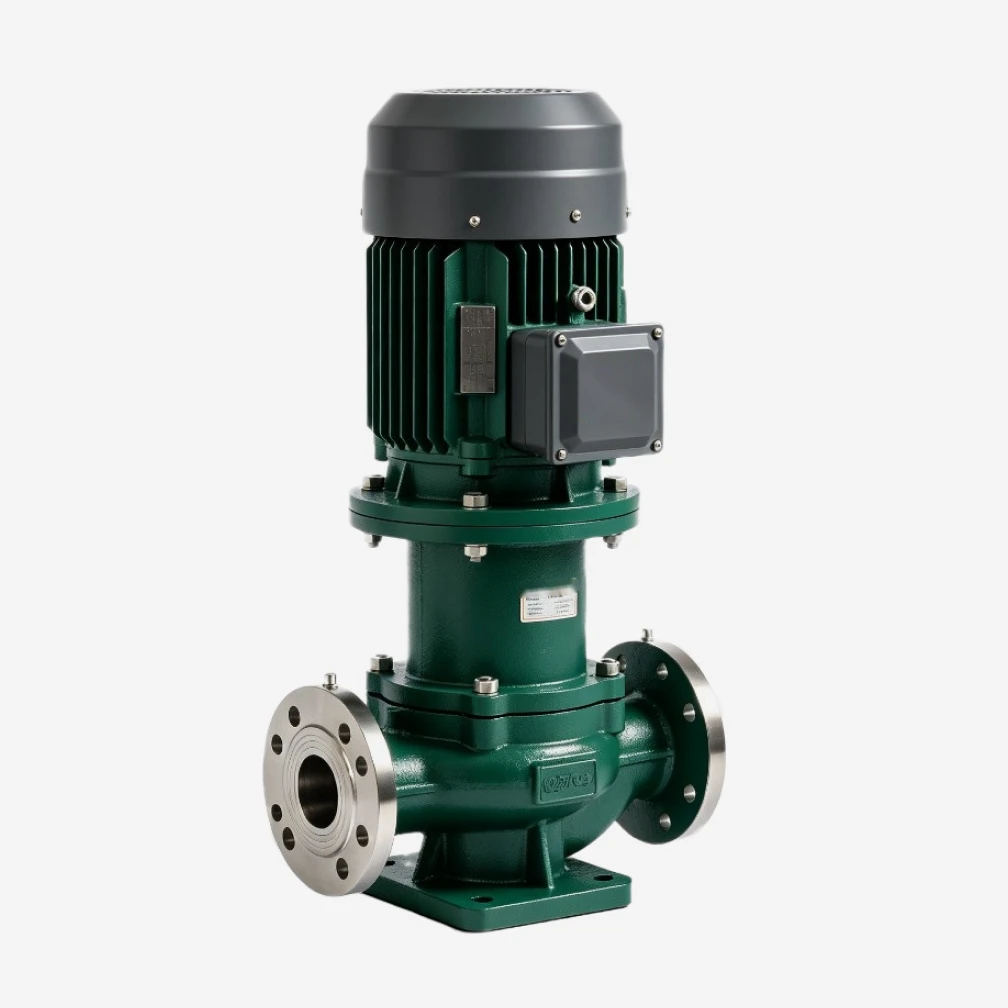
| Vertical cantilever pump | Wet end above or extending into a pit, with bearings outside the liquid | Submergence, shaft length, sump level, and available mounting structure |
| Submersible slurry pump | Pump and motor operate below the liquid surface | Motor sealing, cable entry, cooling, retrieval, and hazardous-area limits |
The YFTEL UHB-ZK belongs to the horizontal category. It is a single-stage, single-suction cantilever pump with the casing and bearing assembly accessible outside the process liquid. This collection does not assume that a horizontal pump is suitable for every sump or submerged application; the installation conditions are checked first.
In a UHB-ZK pump, the steel matrix carries pressure and external mechanical loads. The UHMWPE layer forms the wetted surface and provides resistance to abrasion, impact, creep, and environmental stress cracking. Lining thickness is 8 to 20 mm depending on pump size. This construction separates the structural function of the shell from the corrosion and wear functions of the lining.
The documented operating range is -20°C to 80°C, with a design pressure of 1.6 MPa. These values still require a duty-by-duty review. Acid concentration, oxidizing components, temperature excursions, and particle hardness can change material suitability. The product reference lists sulfuric acid at concentrations up to approximately eighty percent and nitric or hydrochloric acid up to approximately fifty percent; confirm each actual composition with YFTEL before ordering.
For a closer explanation of the material mechanism, read our guide to UHMWPE pump materials for corrosive slurries. The material discussion supports initial screening, while the final selection remains tied to the stated duty data.
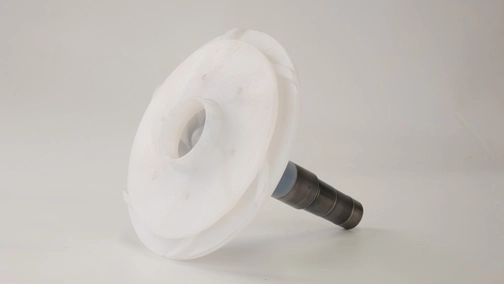
The standard UHB-ZK impeller is semi-open and has no front cover plate. Its less restrictive entry and flow path are suited to media containing fine particles, crystals, and some fibrous impurities. This geometry also leaves the impeller face accessible for inspection when the wet end is opened.
A closed impeller is available for clear or lower-solids duties where hydraulic efficiency is the main consideration. The choice depends on particle size, solids concentration, tendency to crystallize, and required head. No universal maximum-particle claim is applied across the series. Provide the measured particle distribution and the largest expected solids so that passage and blockage risk can be assessed for the selected model.
K-type dynamic sealing is standard on the UHB-ZK unless the order specifies another arrangement. During operation, an auxiliary impeller creates counterflow that reduces pressure at the main seal area. A parking lip seal takes over the sealing function after shutdown. The actual arrangement depends on operating pressure, slurry exposure, start-stop frequency, and leakage-control requirements.
Single mechanical seals, cartridge seals, and double mechanical seals are also available. Mechanical-seal selection includes the face materials, elastomer compatibility, flushing plan, flush-fluid quality, pressure, and flow. For hazardous or crystallizing media, send these constraints with the RFQ so that the seal support system is defined before the pump is built.
Give minimum, normal, and maximum flow rather than a single nominal value. Total dynamic head includes static elevation, discharge pressure, and friction losses through the suction and discharge piping. The operating point should remain near the best-efficiency region, with the model curve checked at the proposed speed.
Slurry specific gravity directly affects shaft power. A motor sized from water performance alone can be undersized when the actual mixture is denser. Particle settling, suction submergence, and available NPSH also influence stable operation. Smaller UHB-ZK sizes use a bracket-type bearing arrangement, while larger sizes use a suspension-type arrangement. Inlet size, bearing design, lubrication method, and motor rating are confirmed together with the hydraulic selection.
The product guide specifies N46 oil for oil-lubricated bearings and an initial oil-change interval of approximately 1,500 operating hours. Bearing temperature must remain below the documented limit of 90°C. Apply these instructions to the relevant bearing configuration and follow the order-specific manual during commissioning.
A complete inquiry lets the manufacturer check hydraulic performance, material compatibility, mechanical loading, and documentation in one review. The table below can be copied into a project data sheet.
| Data Group | Information to Provide |
|---|---|
| Carrier liquid | Chemical names, concentrations, pH, normal and maximum temperature |
| Solids | Material, concentration by weight or volume, maximum size, size distribution, hardness, and shape |
| Slurry properties | Specific gravity, viscosity, settling behavior, gas content, and crystallization tendency |
| Hydraulic duty | Minimum, normal, and maximum flow; total dynamic head; pipe sizes, lengths, fittings, and discharge condition |
| Suction condition | Flooded suction or lift, minimum liquid level, available NPSH, and suction-vessel pressure |
| Operating profile | Continuous or intermittent service, daily hours, start-stop frequency, and duty or standby arrangement |
| Site requirements | Voltage, frequency, motor protection, hazardous-area classification, ambient conditions, and available seal-flushing supply |
| Order scope | Performance curve, dimensional drawing, inspection records, required certificates, spare parts, and commissioning documents |
For a general chemical-service template, use our chemical pump duty data sheet and add the slurry-specific solids information listed above.
YFTEL supplies slurry pumps for project, replacement, and wholesale requirements. Our review covers the process data, UHB-ZK model curve, UHMWPE compatibility, impeller form, seal arrangement, motor power, and documentation scope. Where the duty involves mining or hydrometallurgical processing, our slurry pump solutions for mining page provides the application context.
Send the completed duty data, installation layout, and required standards through our contact page. We will identify any missing inputs before confirming the recommended configuration and commercial scope.


 English