
 English

Why Hydrochloric Acid Destroys Conventional Pump Materials
Hydrochloric acid (HCl) is one of the most aggressive fluids a chemical plant will ever pump. It attacks the two material families that dominate general pump construction: carbon steel corrodes at a rate of millimeters per year even at low concentration, and austenitic stainless steels such as 304 and 316 lose their passive layer in reducing chloride environments and fail through pitting, crevice corrosion and chloride stress corrosion cracking. Titanium, which performs well in oxidizing acids like nitric, is not resistant to hydrochloric acid either.
Commercial hydrochloric acid is typically supplied at 31–37% by weight, with a density of about 1.16–1.19 g/cm³. Concentrated acid fumes strongly: hydrogen chloride gas escapes continuously from the liquid surface, creating an inhalation hazard and corroding any unprotected metal in the surrounding area. These two facts drive every design decision in HCl pump selection — materials must be non-metallic or high-alloy, and containment must be sealed or sealless. This guide walks through the selection sequence in the order an engineer actually works: fluid data first, then materials, then pump type, then the mechanical details.
Material Selection by Concentration and Temperature
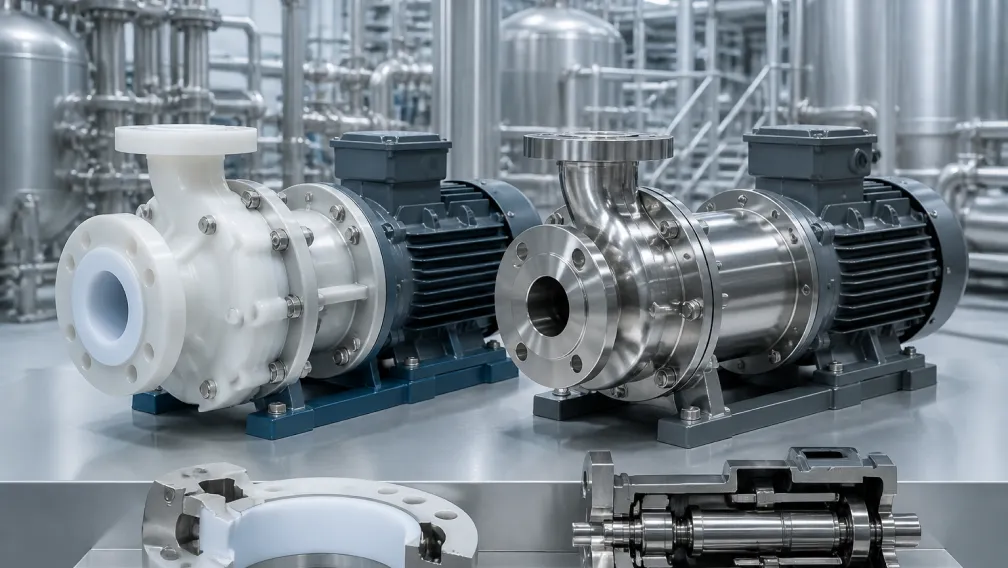
For the vast majority of HCl duties, fluoroplastic-lined or plastic pumps are the correct engineering answer. Metal options exist only at the extremes of the cost spectrum.
| Material | Suitable Range | Notes |
|---|---|---|
| PTFE / PFA lining | All concentrations, to 120–150°C | Universal first choice for process transfer |
| PVDF | All concentrations, to ~90–100°C | Excellent chemical resistance, rigid structure |
| PP (polypropylene) | To ~37%, below 50–65°C | Economical for ambient-temperature transfer and dosing |
| PVC / CPVC | To ~37%, ambient (CPVC to ~80°C) | Mainly piping and small pumps |
| Hastelloy B-2 / B-3 | All concentrations, limited temperature | Nickel-molybdenum alloy for reducing acids; high cost |
| Zirconium, tantalum | Wide range | Premium alloys for special cases only |
| 304 / 316 stainless, carbon steel, titanium | Not suitable | Rapid general or localized corrosion at any practical concentration |
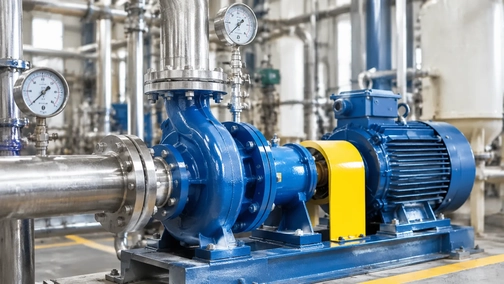
Because the acid is almost never hotter than 60–70°C in storage, transfer and pickling duties, a PTFE- or PFA-lined pump covers nearly every application with margin. The lining isolates all wetted metal from the fluid, so the cast ductile-iron casing only provides pressure containment and mechanical strength.
Pump Types for Hydrochloric Acid Service
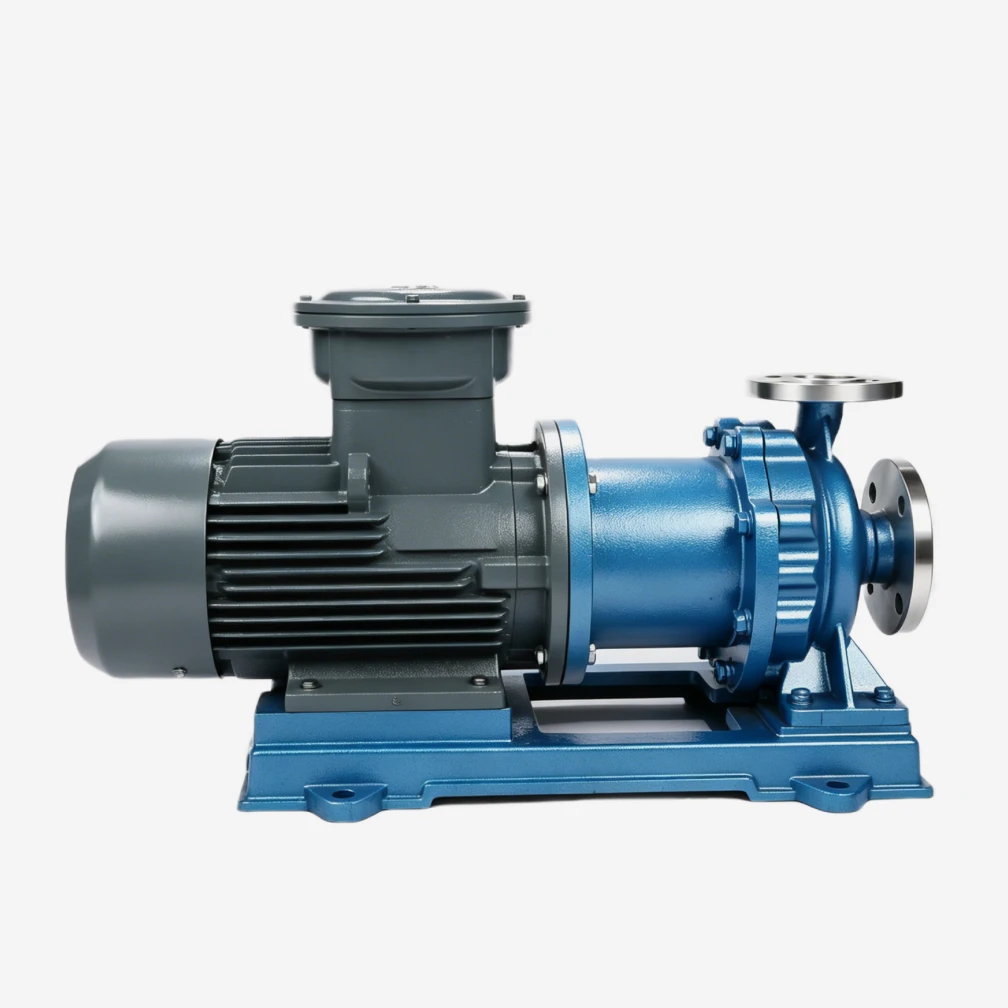
Magnetic Drive Pumps: The Default for Transfer and Circulation
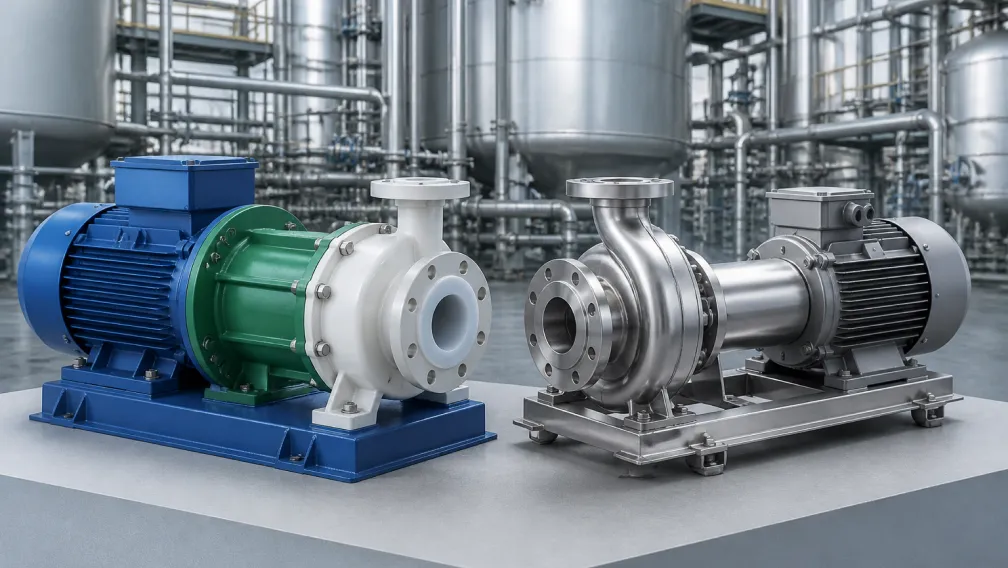
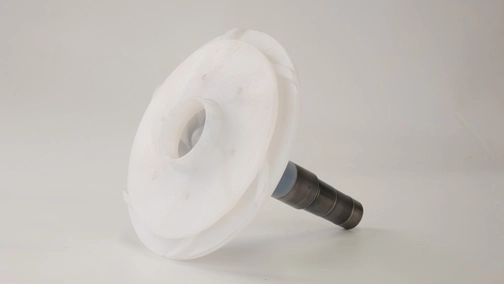
HCl fumes make any leakage path unacceptable. A mechanical seal weeps by design — a few milliliters per hour across the faces — and with hydrochloric acid that weepage becomes corrosive vapor around the pump, attack on the seal springs and eventual face failure. A fluoroplastic-lined magnetic drive pump eliminates the shaft seal entirely: the impeller is driven through a static containment shell, so the only leak paths are static gaskets that can be specified in PTFE. For pickling-line circulation, acid transfer between tanks and feeding reactors, magnetic drive construction should be the starting point. Our magnetic drive pump range covers flows up to several hundred cubic meters per hour in lined construction.
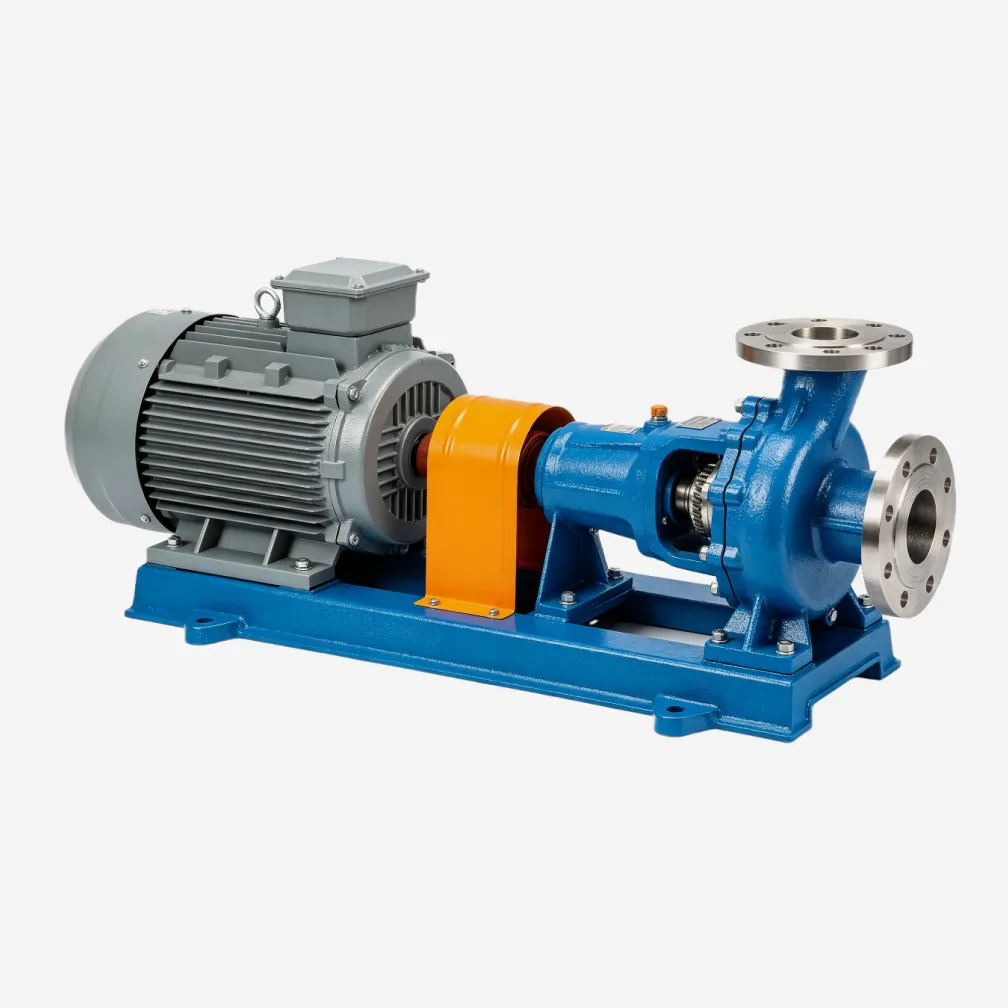
Lined Centrifugal Pumps with Seals: Where They Still Fit
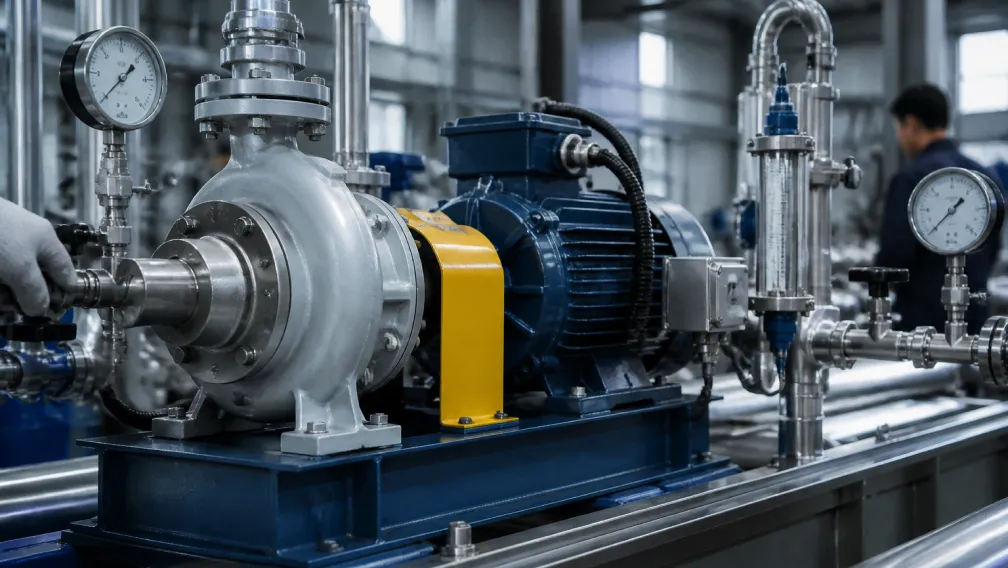
Where a shaft seal is unavoidable — high flow, high head, or frequent disassembly for cleaning — a PTFE-lined centrifugal pump with a suitable mechanical seal arrangement remains serviceable. The IHF lined centrifugal pump and the FSB pump are widely applied in HCl service. Specify single seals with a quench or double seals with a compatible barrier fluid, and protect the gland area with a shield because even minor drips will fume.
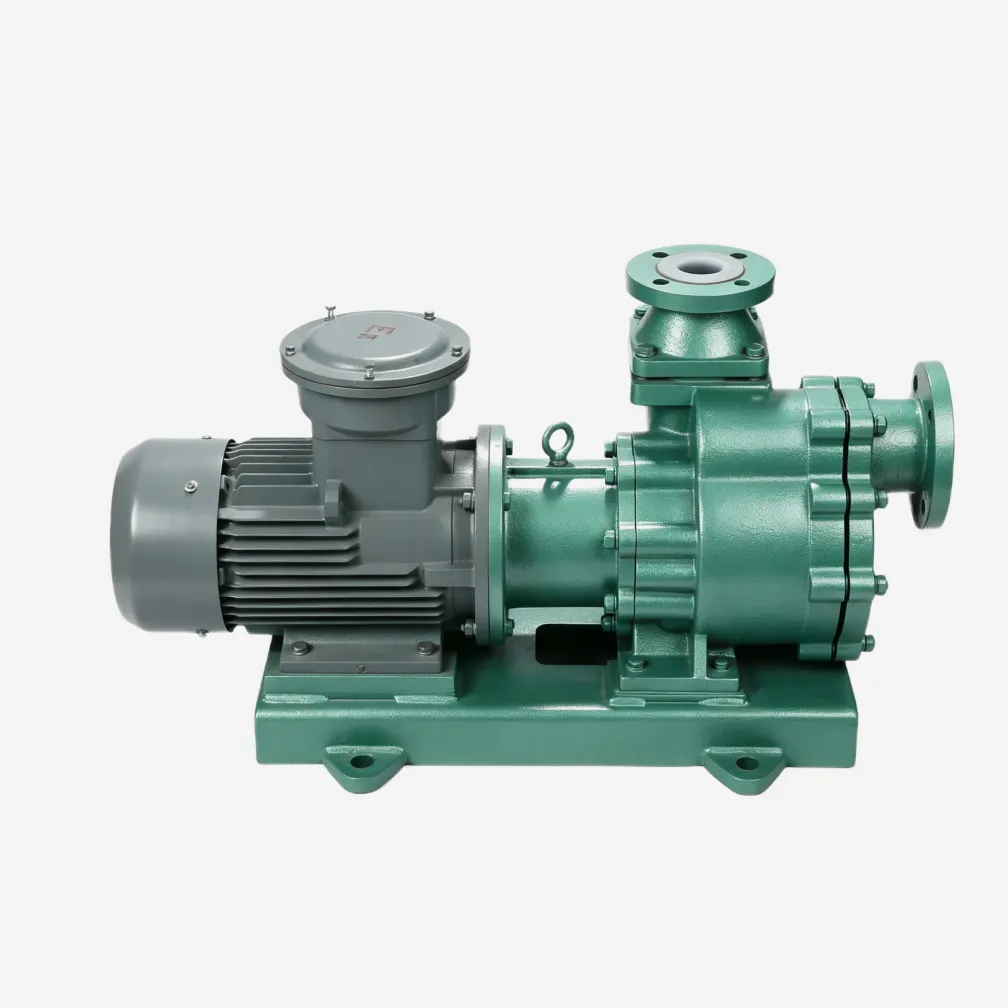
Self-Priming Pumps for Tanker and Rail Car Unloading
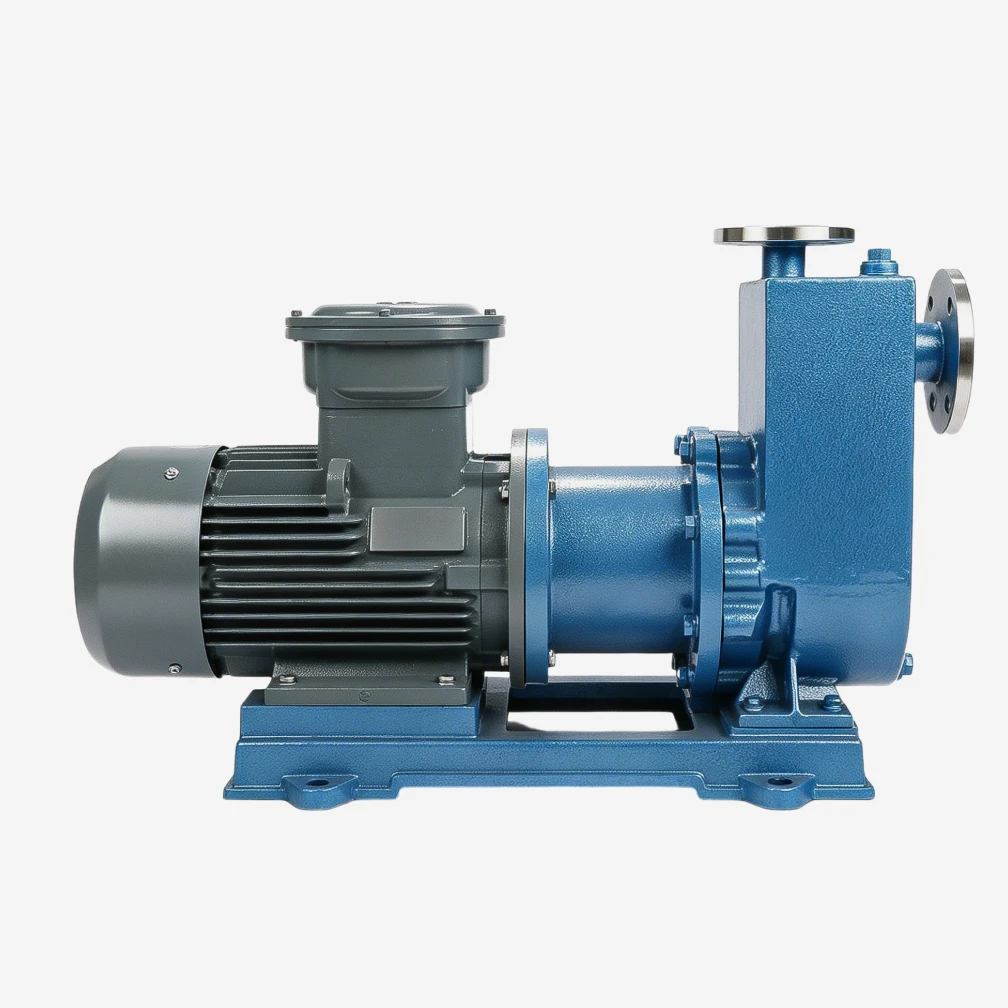
Concentrated hydrochloric acid arrives by road tanker or ISO container, and unloading pumps frequently face an empty suction line at startup. A fluoroplastic-lined self-priming pump handles the evacuation cycle without a foot valve, which matters because foot valves in fuming acid service are a chronic maintenance item. Keep suction lines short, slope them toward the source and verify priming time against the truck-unloading window.
Dosing and Metering
Small flows for pH adjustment, ion-exchange regeneration or process dosing are usually served by PTFE-diaphragm metering pumps or peristaltic pumps with compatible hose elements. Accuracy at low flow and resistance to off-gassing at the pump head are the selection criteria.
When High-Alloy Metal Pumps Are Justified
Lined construction covers the overwhelming majority of HCl duties, but two situations still call for metal. The first is pressure: above the pressure rating of a lined casing, Hastelloy B-2 or B-3 pumps handle all concentrations at moderate temperatures because their nickel-molybdenum matrix resists reducing acids. The second is abrasion: pickling-liquor recirculation with heavy iron-oxide solids can wear a soft lining faster than a hard alloy wetted end. In both cases, expect a purchase price several times that of a lined pump and confirm corrosion-rate data for the exact acid analysis — tramp oxidizing agents such as ferric ions sharply accelerate attack on the B-family alloys.
Design Details That Prevent Failures
- Motor power correction. At 1.16–1.19 specific gravity, concentrated HCl absorbs 16–19% more shaft power than water at the same duty point. Size the motor on acid density with at least 15% margin — a water-tested pump that seems adequate can trip on acid at full flow.
- NPSH and fuming. Warm concentrated acid has a significant vapor pressure. On suction-lift or high-temperature duties, calculate NPSH available with the acid's actual vapor pressure, not water values, or the pump will cavitate and the lining will be attacked at the impeller eye.
- Gaskets and elastomers. PTFE envelope gaskets are standard for flanged joints. EPDM and FKM are both generally rated for hydrochloric acid in O-ring service, but verify grade and concentration against the manufacturer's compatibility chart; PTFE is the safe default for any static seal in concentrated acid.
- Venting and drainage. Provide a vent connection for fume extraction during maintenance and a drain routed to neutralization. Any casing drained to open floor will etch concrete and corrode surrounding equipment.
- Secondary containment. Install pumps inside a lined bund sized for the largest connected inventory, consistent with the practices described in our chemical pump material compatibility guide.
- Instrumentation. Use diaphragm-protected pressure gauges with PTFE or tantalum diaphragms; a bourdon tube in stainless will not survive a quarter in HCl vapor.
Typical Applications and What They Demand
Steel pickling uses 10–18% HCl heated to 60–85°C to strip oxide scale. Circulation pumps run continuously in hot, iron-loaded acid — the most mechanically demanding HCl duty — and lined magnetic drive or sealed lined centrifugal pumps with generous flush provisions dominate here. See our electroplating and pickling pump solutions for system-level design.
Byproduct acid from chlorination and organic synthesis arrives at 20–31% and is transferred to storage or resale. Unloading and transfer reliability matters more than precision; self-priming lined pumps and mag-drive transfer pumps are typical.
Water treatment and pH control meters diluted acid, usually below 10%. Metering pump accuracy and turndown ratio take priority over materials, since even PP handles dilute cold acid.
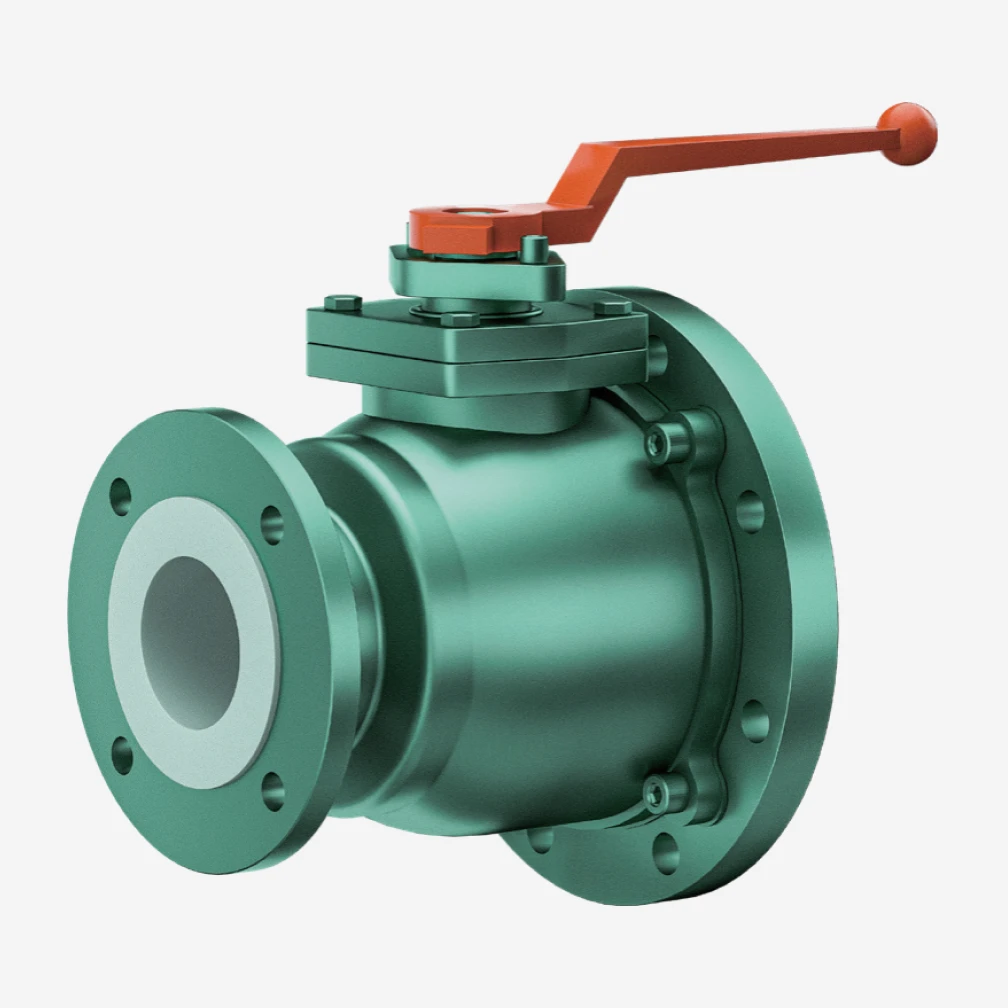
Ion-exchange regeneration cycles 4–10% acid through demineralizer trains on a timed basis — a classic intermittent dosing duty where a lined centrifugal or metering pump with a corrosion-proof discharge valve works well.
Selection Checklist: What to Specify
Before requesting a quotation, assemble the data a pump engineer actually needs. Our duty data sheet guide covers the full list; for HCl specifically, pin down:
- Acid concentration and temperature range, including upset maximum
- Required flow and head at the duty point, plus minimum flow
- Suction condition: flooded, lift, or tanker unloading with evacuation
- Continuous or intermittent operation, starts per hour
- Seal philosophy: sealless preferred, or seal type with flush plan
- Site utilities and area classification
With these six items fixed, material selection reduces to a table lookup and the pump type follows from the suction condition. For the standards framework behind pressure ratings and test requirements, refer to our overview of duty specifications and the comparison of ASME B73.1, ISO 2858 and API 685.
Conclusion
Hydrochloric acid punishes every shortcut in pump selection: the wrong metal fails in weeks, a weeping seal fills the area with corrosive fumes, and an undersized motor trips on the first hot day. The proven route is fluoroplastic-lined construction, magnetic drive containment wherever the hydraulics allow, and motors sized on acid density. Browse the chemical pump product range or contact our engineering team with your concentration, temperature and duty point for a verified selection.
-

YFTEL Pumps
Fluid Engineers & Technical Support, YFTEL Pump
YFTEL is a chemical pump manufacturer based in Hangzhou, China, with a 26,000 m² production base in Hangzhou, China, with a 26,000 m² production base in Anhui. Using the CAS-patented Fluoroplastic Alloy material, we produce 300+ models of corrosion-resistant pumps, valves and piping, exported to 30+ countries.