
 English

The Paradigm Shift: From Reactive Repair to Predictive Intelligence
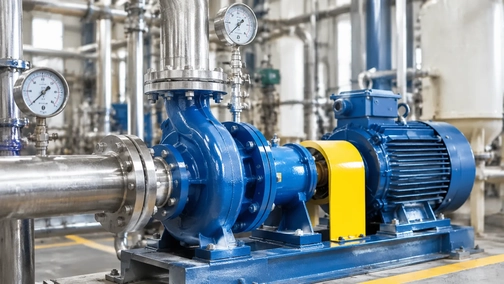
In the final weeks of October 2026, market data indicates a fundamental shift in how heavy industry procures fluid transfer equipment. The traditional run-to-failure maintenance model is being systematically abandoned by top-tier chemical processing facilities. Driven by the prohibitive costs of unplanned downtime and tightening environmental compliance regarding fugitive emissions, Engineering Procurement Contractors (EPCs) and plant managers are demanding embedded condition monitoring capabilities on all new chemical centrifugal pumps. This industry update analyzes the accelerating adoption of smart sensors, IoT integration, and predictive maintenance protocols across the corrosive fluid handling sector.
The Cost of Unplanned Downtime in Modern Chemical Plants
Modern chemical processing relies on continuous, highly integrated operations. When a primary transfer pump fails unexpectedly, it rarely just halts a single production line; it cascades into massive production bottlenecks, spoiled batches, and critical safety hazards. For highly corrosive media, a catastrophic failure of a mechanical seal or a bearing seizure can release toxic fluids into the environment, triggering immediate regulatory intervention and severe financial penalties.
Procurement managers are increasingly recognizing that the initial capital expenditure (CAPEX) of a pump is dwarfed by the operational expenditure (OPEX) incurred during a single unplanned outage. Consequently, the specification of industrial pump solutions is pivoting sharply toward assets capable of signaling impending failure before a critical breakdown occurs.
Key Monitoring Parameters for Chemical Pumps
The transition to predictive maintenance relies on continuous data acquisition from the rotating equipment. Industry standards now heavily favor pumps pre-equipped or easily retrofittable with specific diagnostic sensors.
Vibration Analysis: Detecting Mechanical Degradation
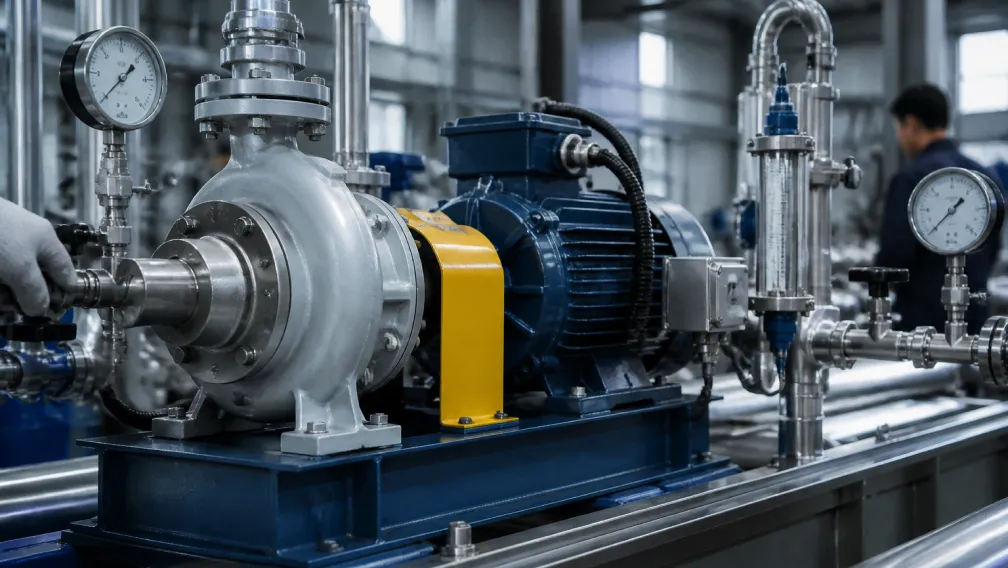
Vibration signatures provide the earliest warning of mechanical distress. Multi-axis accelerometers mounted directly on the pump bearing housing continuously monitor operational frequencies. Advanced edge-computing algorithms analyze these signals to detect specific failure modes: sub-synchronous vibrations often indicate pump cavitation or recirculation, while high-frequency spikes point toward early-stage bearing wear or impeller imbalance. By trending this data over time, maintenance teams can schedule targeted overhauls rather than reacting to catastrophic seizures.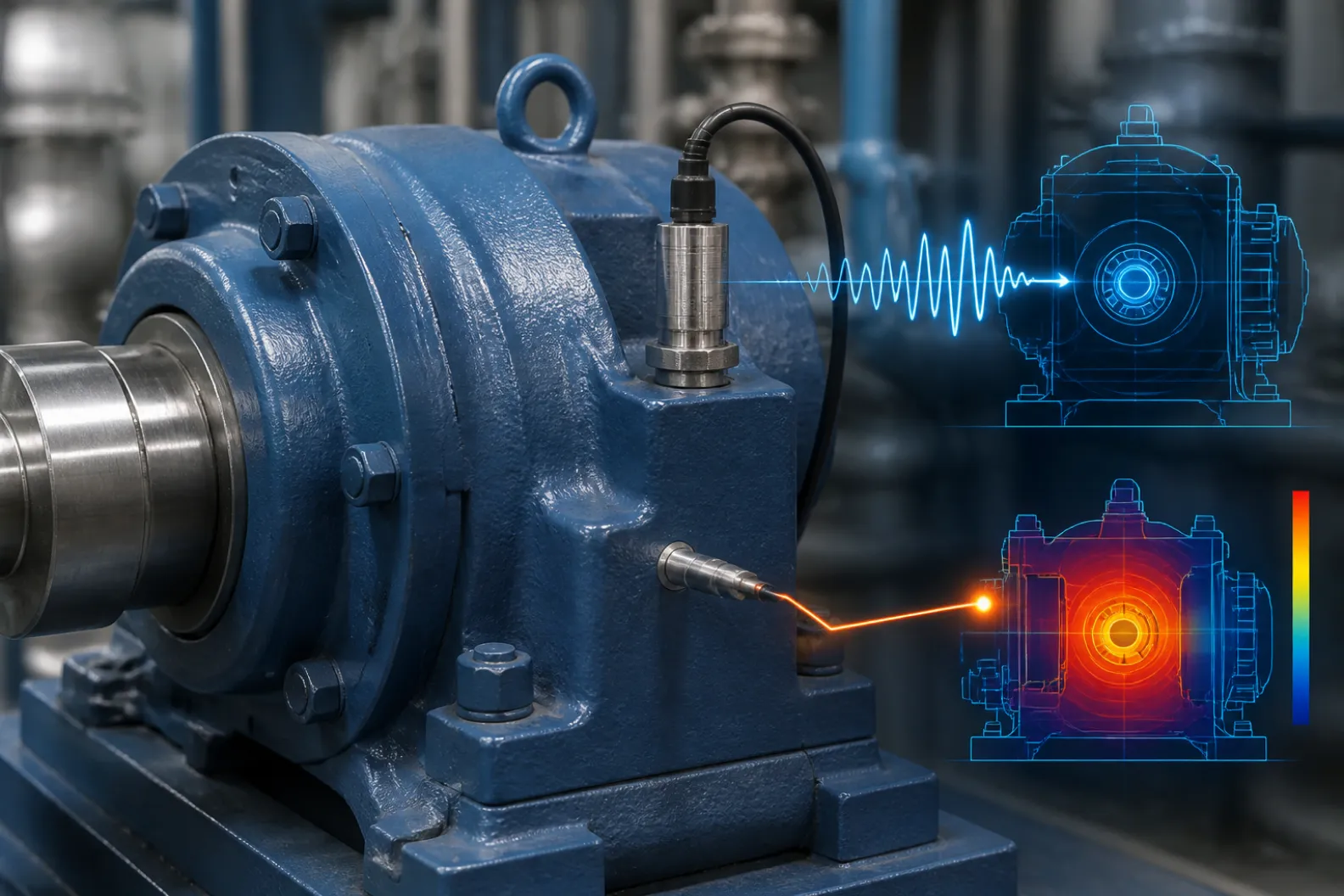
Temperature Trending: Safeguarding Containment and Seals
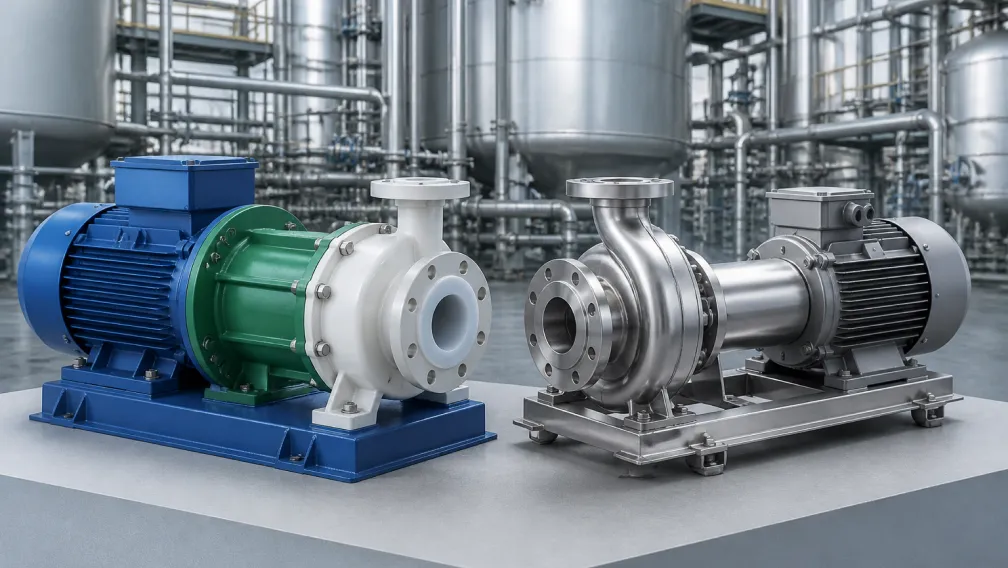
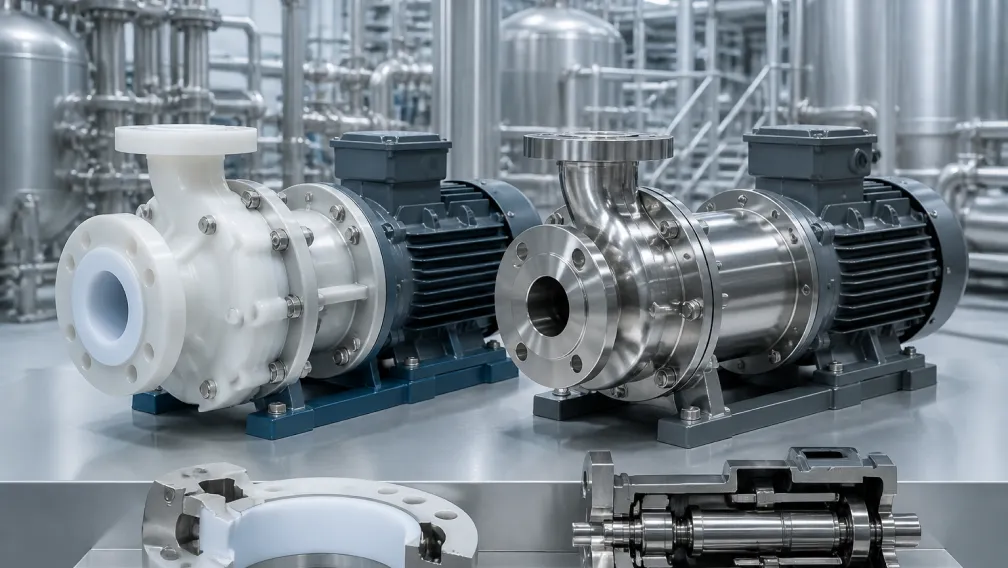
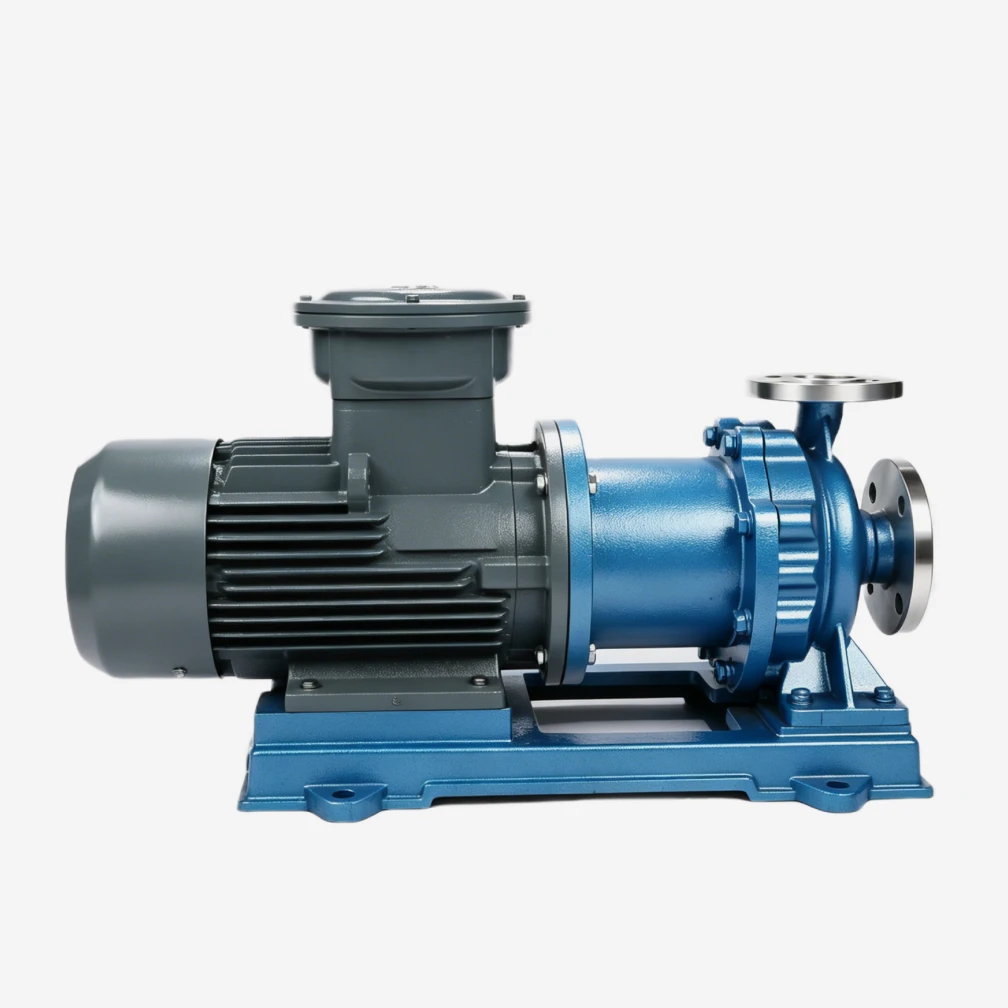
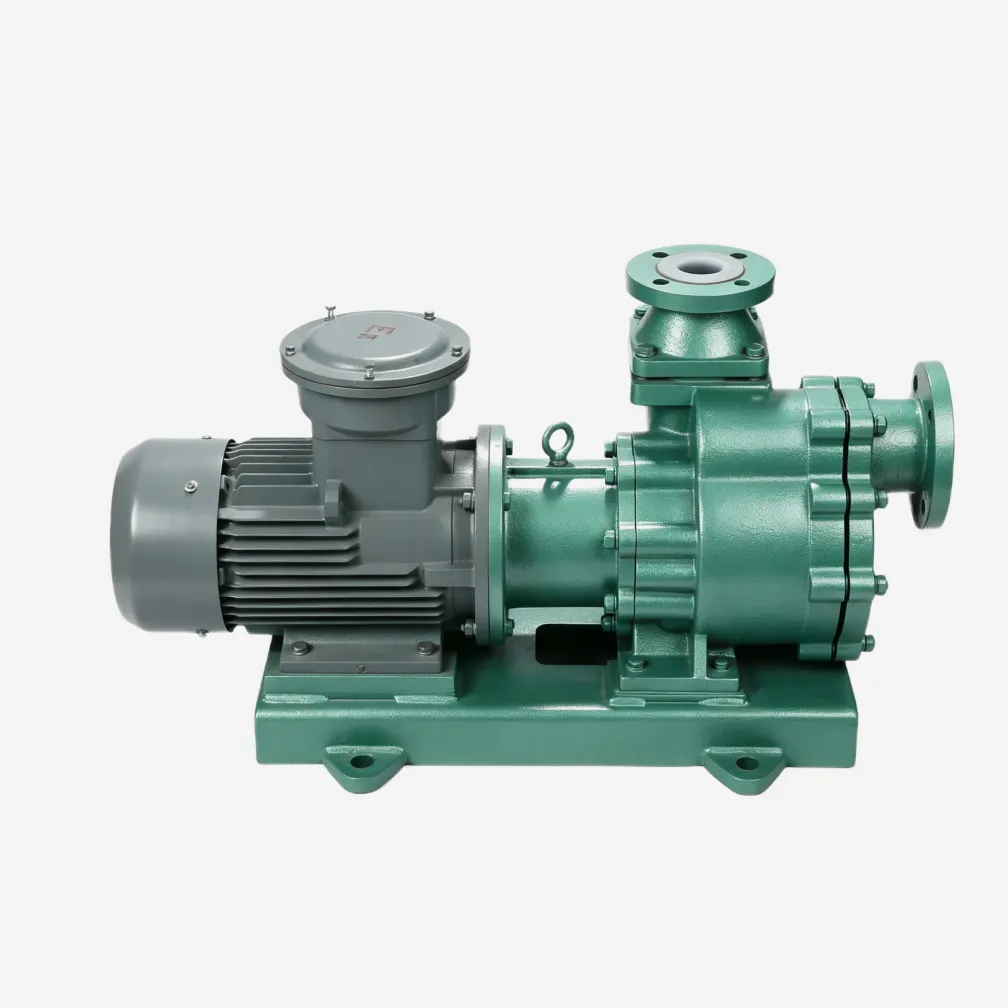
Temperature monitoring is paramount, particularly for sealless technologies like the CQB magnetic drive pump series. In magnetic drive units, the containment shell isolates the fluid. If the pump experiences dry running or excessive eddy current heating, the internal temperature spikes rapidly, risking catastrophic failure of the containment shell and internal silicon carbide bearings. Surface-mounted RTDs (Resistance Temperature Detectors) on the containment shell or bearing housing provide real-time thermal data, automatically triggering motor shutdowns before critical temperatures are reached.
Integration with Plant-Wide IoT Ecosystems
The data generated by these sensors is only valuable if it is actionable. The current market surge is driving the integration of pump sensors with plant-wide Industrial Internet of Things (IIoT) networks. Instead of relying on manual, periodic inspections with handheld vibration pens, modern chemical plants stream continuous pump health data directly to centralized Distributed Control Systems (DCS) or cloud-based asset management platforms.
This connectivity allows for the implementation of machine learning algorithms that establish a baseline operational signature for each specific pump. When the pump deviates from this baseline—perhaps due to a gradual decline in high-purity chemical transfer efficiency or an emerging alignment issue—the system automatically alerts maintenance personnel with a specific diagnostic recommendation.
Impact on Pump Selection and Upgrades
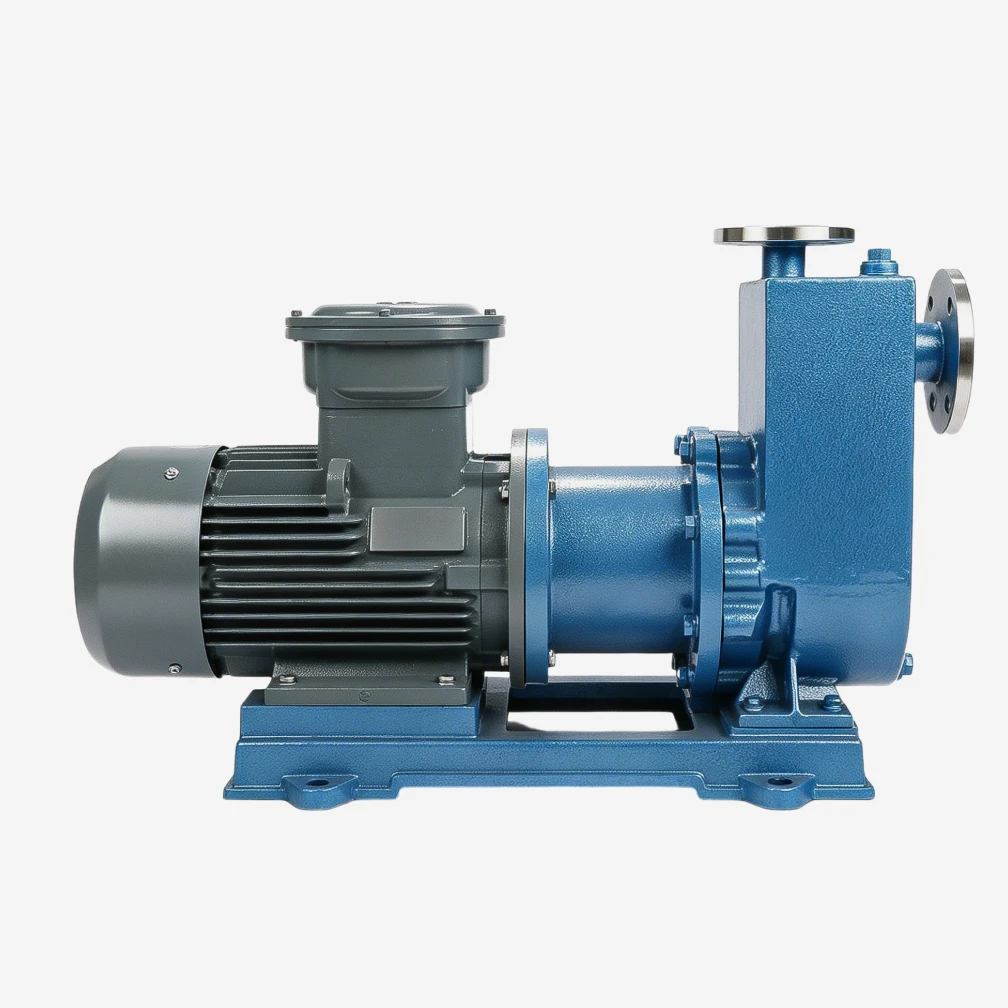
This technological shift is redefining the criteria for pump selection. Facilities are prioritizing pump designs that inherently support sensor integration. For example, heavy-duty process pumps with robust bearing housings that provide machined flat surfaces for reliable sensor mounting are seeing increased specification. Furthermore, the push for predictive maintenance is accelerating the replacement of outdated, mechanically sealed pumps with advanced magnetic drive pumps equipped with integrated power monitors and thermal sensors, ensuring zero-leakage operation backed by real-time health data.
Engineering Conclusion
The late October 2026 market trends confirm that the era of 'dumb' fluid transfer is ending. For chemical plants handling aggressive, hazardous media, the integration of condition monitoring is no longer a luxury—it is a baseline requirement for operational stability, environmental compliance, and cost control. Facilities must evaluate their existing fluid infrastructure and prioritize the integration of predictive intelligence. Contact YFTEL's engineering team today to discuss how our robust IHF centrifugal pumps and advanced magnetic drive solutions can be integrated into your predictive maintenance strategy to guarantee continuous, secure production.
Frequently Asked Questions (FAQ)
- Why are chemical plants moving away from run-to-failure maintenance?
Run-to-failure maintenance leads to unpredictable downtime, which is prohibitively expensive in continuous chemical processing. Furthermore, unexpected pump failures often result in severe mechanical damage and the potential release of hazardous chemicals, creating significant safety and environmental compliance risks. - What are the most critical parameters to monitor on a chemical pump?
Vibration and temperature are the most critical parameters. Vibration analysis detects bearing wear, misalignment, and cavitation early. Temperature monitoring on bearing housings and containment shells prevents catastrophic overheating and alerts operators to dry-running conditions. - How does condition monitoring benefit magnetic drive pumps specifically?
Magnetic drive pumps are highly sensitive to dry running and excessive internal heat. Condition monitoring, specifically temperature sensors on the containment shell and active motor power monitoring, ensures the pump is instantly shut down if fluid is lost or excessive heat is generated, preventing destruction of the internal ceramic bearings. - Can older chemical pumps be retrofitted with condition monitoring sensors?
Yes, many existing pumps can be retrofitted with wireless vibration and temperature sensors. However, the effectiveness depends on the pump's design and the availability of suitable mounting locations on the bearing housing. Upgrading to modern pumps designed specifically for sensor integration often provides more reliable data.
-

YFTEL Pumps
Fluid Engineers & Technical Support, YFTEL Pump
YFTEL is a chemical pump manufacturer based in Hangzhou, China, with a 26,000 m² production base in Hangzhou, China, with a 26,000 m² production base in Anhui. Using the CAS-patented Fluoroplastic Alloy material, we produce 300+ models of corrosion-resistant pumps, valves and piping, exported to 30+ countries.