
 English

Macroeconomic Shifts in Late October 2026: The High-Purity Imperative
In the latter half of October 2026, the global industrial fluid transfer market is experiencing a pronounced demand shift dictated by the rapid expansion of semiconductor fabrication plants and lithium-ion battery gigafactories. Market procurement data indicates a decisive pivot away from standard industrial cast-iron and basic stainless steel pumps toward ultra-high-purity, fluoroplastic-lined fluid handling systems. Engineering procurement contractors (EPCs) managing these mega-projects are issuing stringent specifications regarding metal ion leaching, particulate contamination, and absolute hermetic containment. This industry update analyzes the fluid dynamics, material science requirements, and specific pump architectures currently dominating procurement cycles in the microelectronics and energy storage sectors.
Semiconductor Wet Processing: Eradicating Metal Ion Contamination
Modern semiconductor manufacturing at sub-3-nanometer nodes requires flawless execution of wet etching and wafer cleaning processes. These procedures utilize highly aggressive, ultra-pure chemicals, including semiconductor-grade hydrofluoric acid (HF), sulfuric acid ($H_2SO_4$), and hydrogen peroxide ($H_2O_2$). The primary engineering challenge in these fluid loops is maintaining parts-per-trillion (ppt) purity levels.
The Failure of Metallic Metallurgy in RCA Cleaning
The industry-standard RCA clean utilizes SC-1 (ammonium hydroxide and hydrogen peroxide) and SC-2 (hydrochloric acid and hydrogen peroxide) solutions. When these highly oxidative and corrosive mixtures contact standard metallic pump casings or impellers, microscopic metallic ions—specifically iron, nickel, and chromium—leach into the fluid stream. These ions subsequently deposit onto the silicon wafer surface, causing fatal short circuits and massive yield degradation. Consequently, metallic wetted components are strictly prohibited in these process loops.
Virgin Fluoropolymer Specification
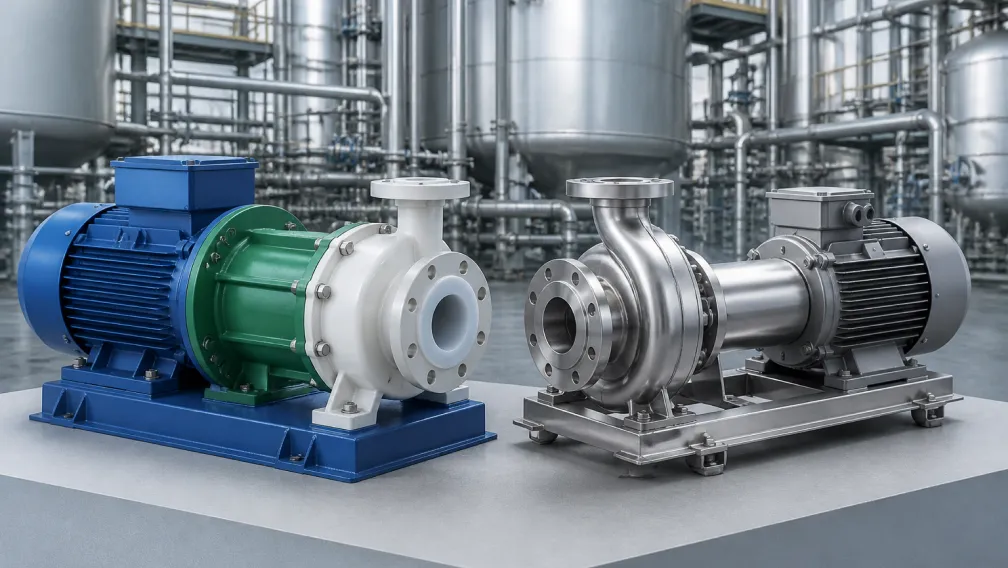
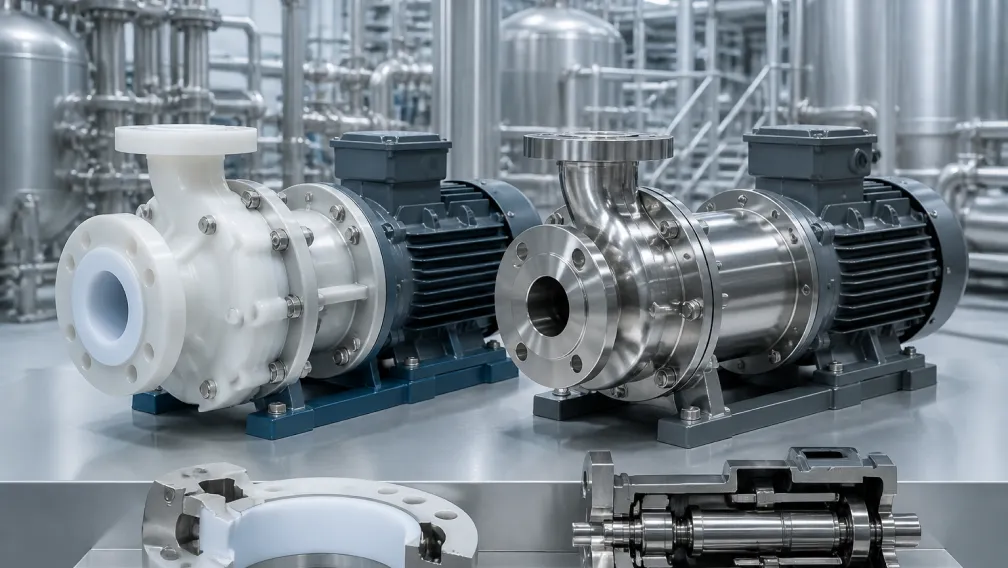
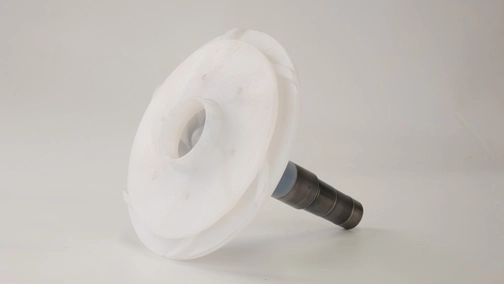
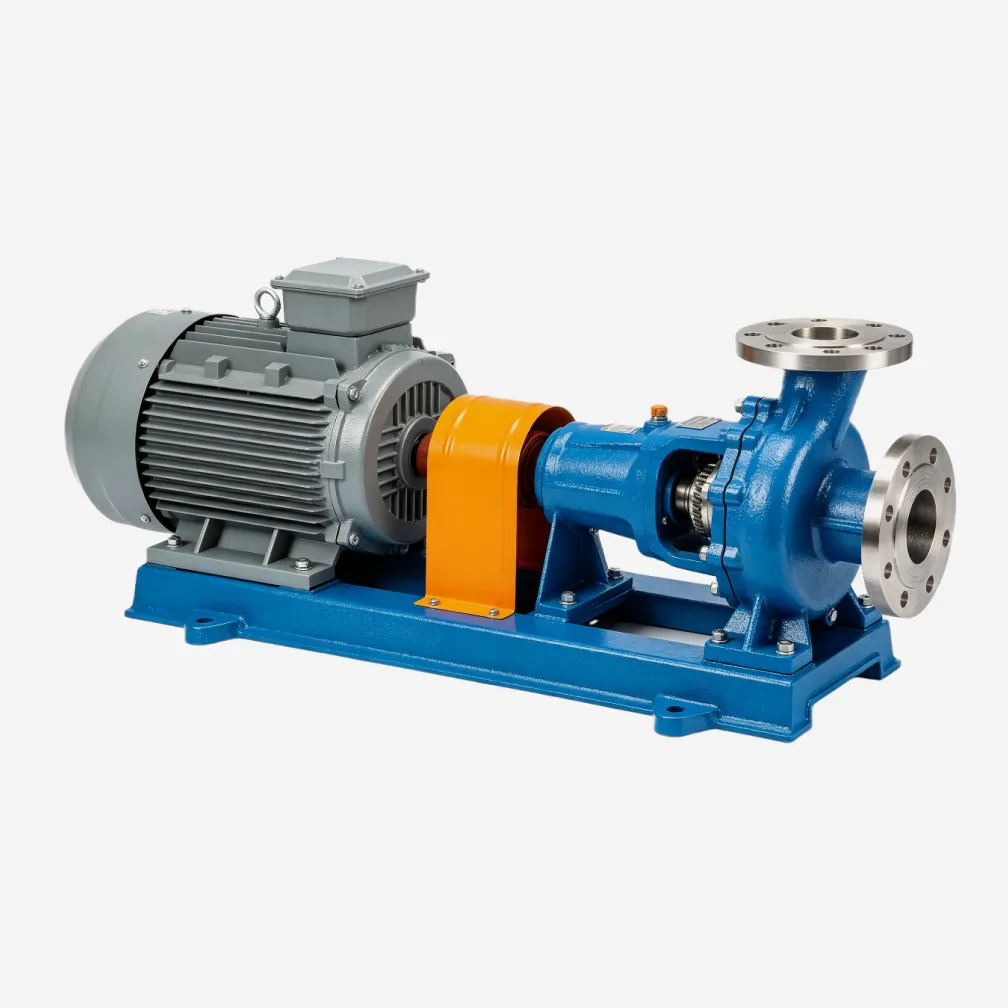
To eliminate metallic leaching, semiconductor facilities mandate the use of virgin, unpigmented fluoropolymers for all wetted surfaces. Pumps such as the CQB fluoroplastic-lined magnetic drive series and the IHF centrifugal series utilize high-purity Perfluoroalkoxy alkane (PFA) and Polytetrafluoroethylene (PTFE). These materials possess an exceptionally dense carbon-fluorine molecular structure, rendering them entirely inert to SC-1, SC-2, and buffered oxide etchants. Furthermore, by specifying virgin fluoroplastics without carbon or glass fiber fillers, the risk of particulate shedding into the ultra-pure fluid stream is entirely mitigated.
Lithium-Ion Battery Manufacturing: Electrolyte and Precursor Handling
Parallel to the semiconductor boom, the global scale-up of electric vehicle (EV) battery manufacturing is driving unprecedented demand for specialized chemical pumps. The production of lithium-ion batteries involves handling highly reactive precursors, volatile organic solvents, and moisture-sensitive electrolytes.
The Hazards of Lithium Hexafluorophosphate ($LiPF_6$)
The most common electrolyte salt, Lithium Hexafluorophosphate ($LiPF_6$), is dissolved in a mixture of organic carbonates such as ethylene carbonate (EC) and dimethyl carbonate (DMC). This electrolyte solution is highly hygroscopic. If ambient moisture ingresses into the fluid stream through a compromised mechanical shaft seal, it reacts with the $LiPF_6$ to form highly toxic and corrosive hydrofluoric acid (HF). This reaction degrades the electrolyte, reduces battery performance, and aggressively attacks the internal components of the piping system.
Mandating Sealless Magnetic Drive Containment
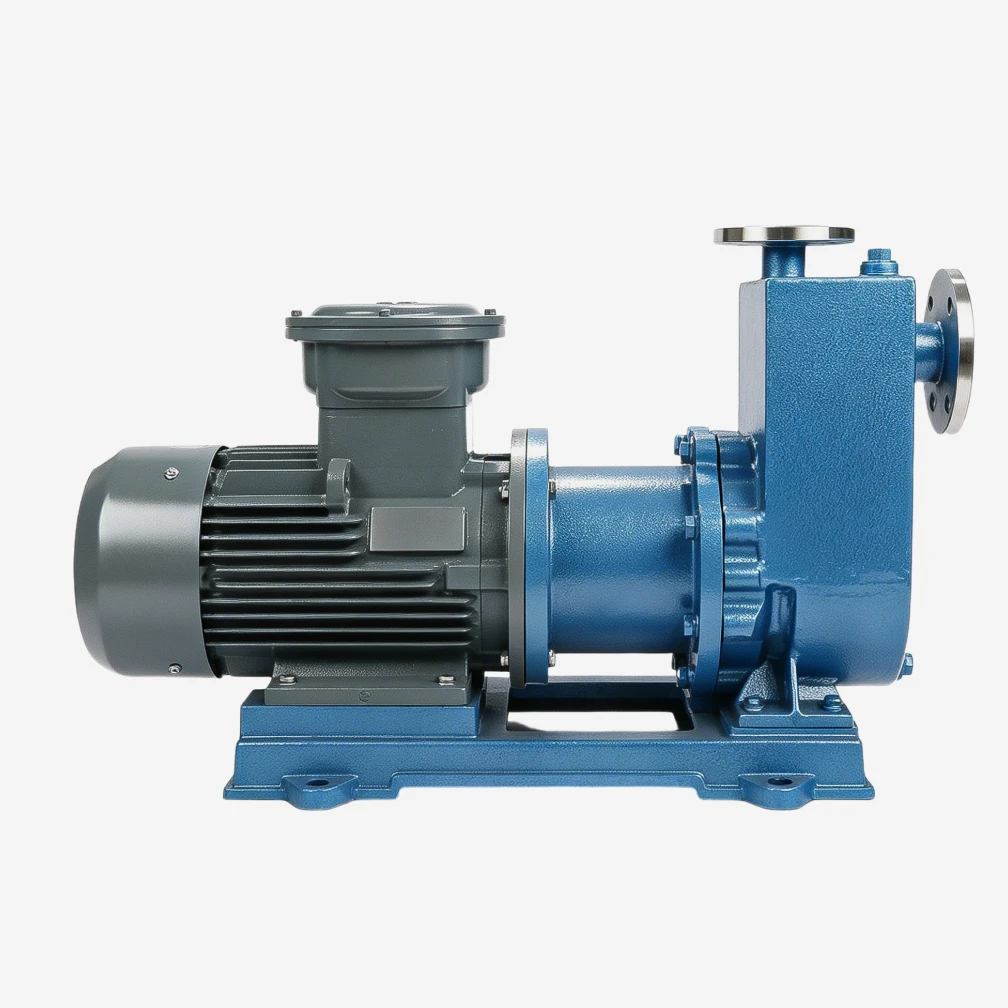
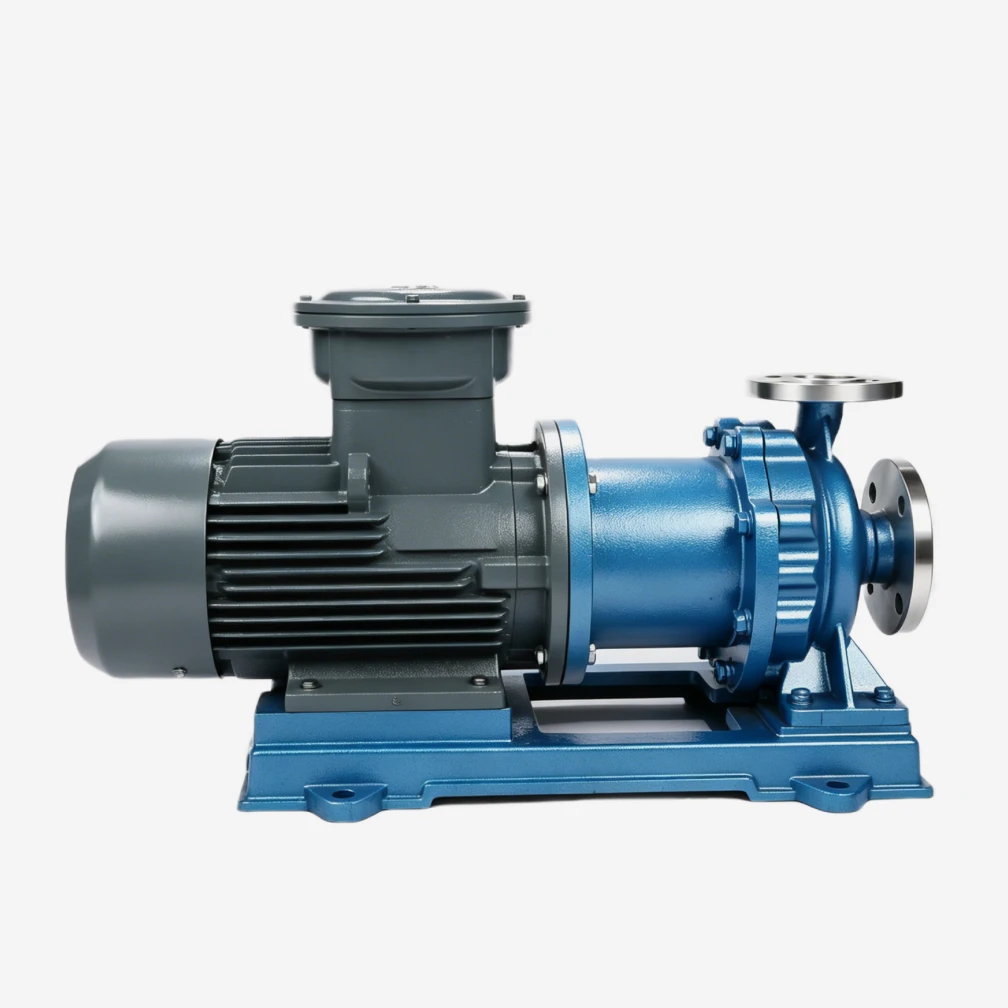
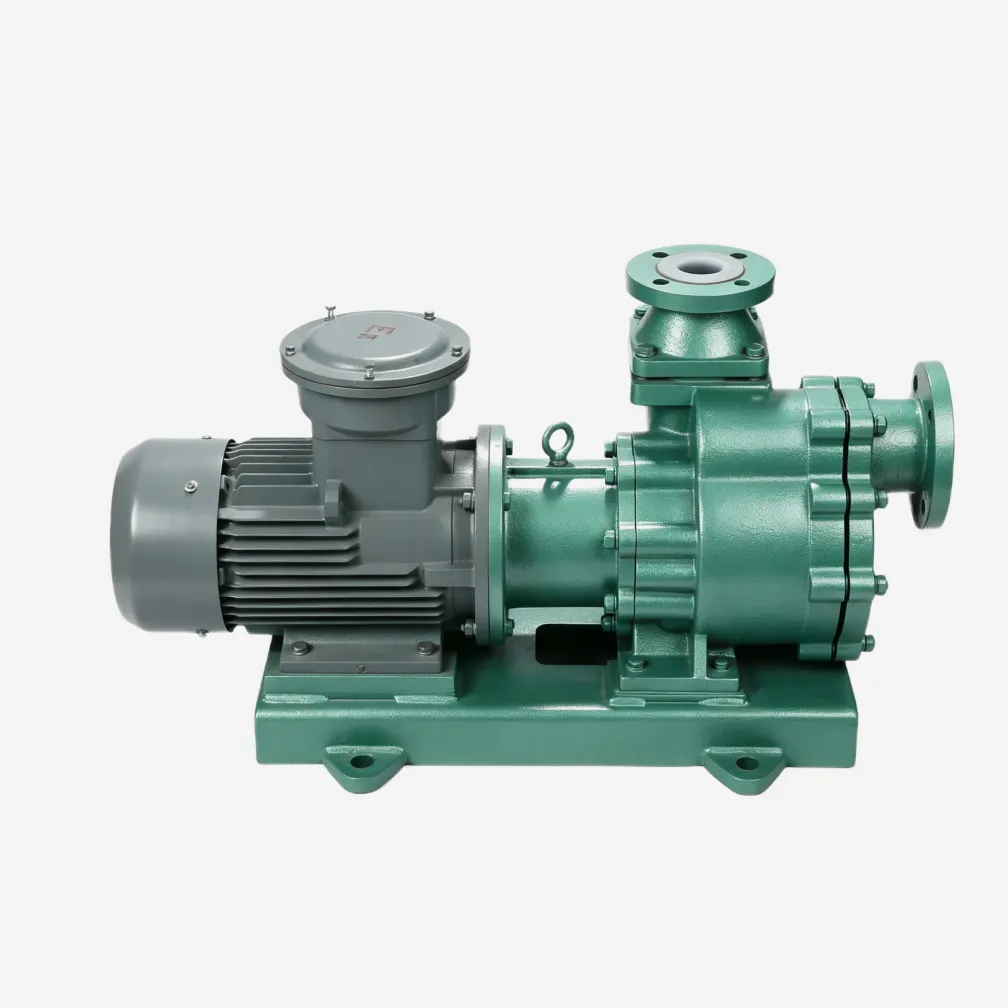
To guarantee absolute isolation from atmospheric moisture, battery manufacturers are standardizing on hermetically sealed magnetic drive technology. By eliminating the dynamic mechanical shaft seal, pumps like the ZMD self-priming magnetic unit provide a continuous, static pressure boundary. This architecture prevents moisture ingress and eliminates the fugitive emission of volatile carbonate solvents into the manufacturing environment. For transferring raw corrosive precursor slurries used in cathode manufacturing, heavy-duty fluoroplastic self-priming units such as the FZB series are specified to handle high specific gravity fluids with entrained metal oxides.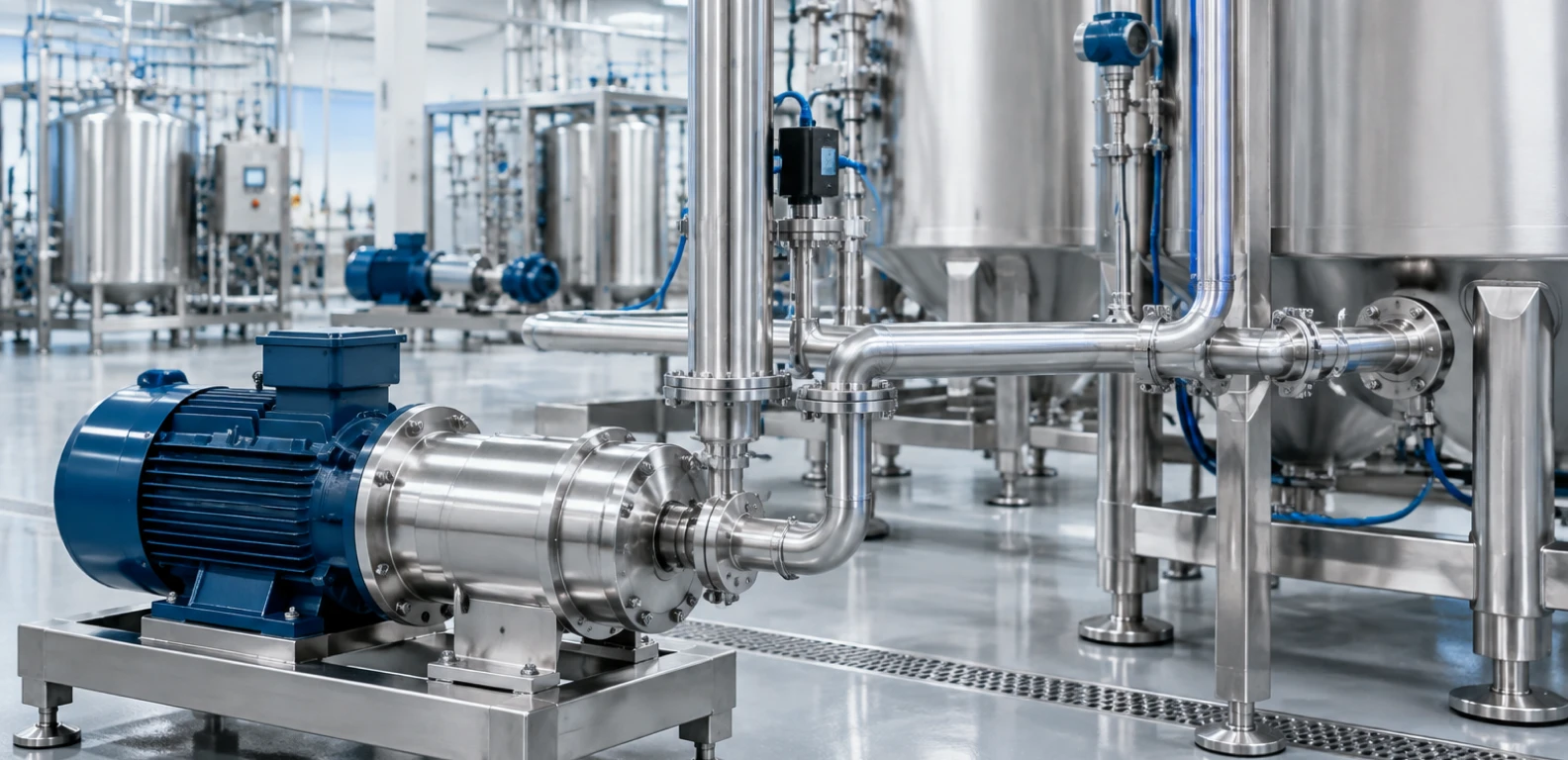
Solvent Recovery and High-Temperature Organic Transfers
While fluoroplastics dominate the handling of reactive acids and electrolytes, the battery manufacturing process also relies heavily on N-Methyl-2-pyrrolidone (NMP). NMP is a powerful, high-boiling-point organic solvent used extensively in cathode coating processes. Because NMP is expensive and environmentally hazardous, gigafactories employ massive closed-loop solvent recovery systems.
Austenitic Stainless Steel for High-Temperature Solvents
NMP processing often involves elevated temperatures that challenge the thermal stability of standard plastics. Furthermore, NMP is not corrosive to steel. In these specific high-temperature solvent recovery loops, plant engineers specify sealless metallic pumps. The CQL stainless steel magnetic drive pump provides the necessary high-temperature mechanical rigidity (up to 180°C) while maintaining the zero-leakage hermetic containment required for volatile organic compounds.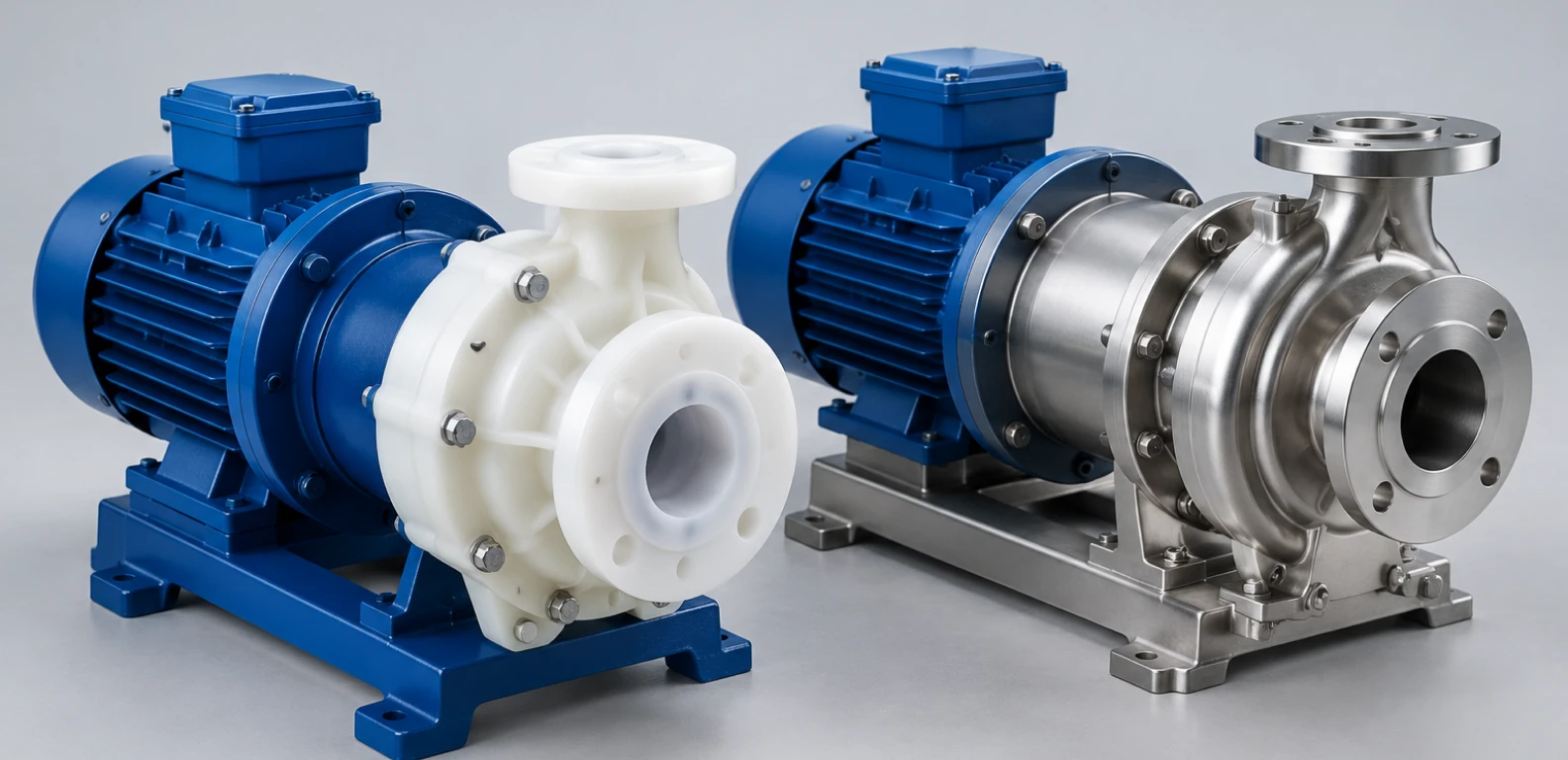
Advanced Manufacturing Standards in Pump Assembly
The shifting demands of October 2026 require chemical pump manufacturers to adapt their own production methodologies. Supplying the microelectronics and pharmaceutical sectors requires more than just correct material selection; it demands rigorous environmental control during pump assembly.
Cleanroom Assembly and Isostatic Molding
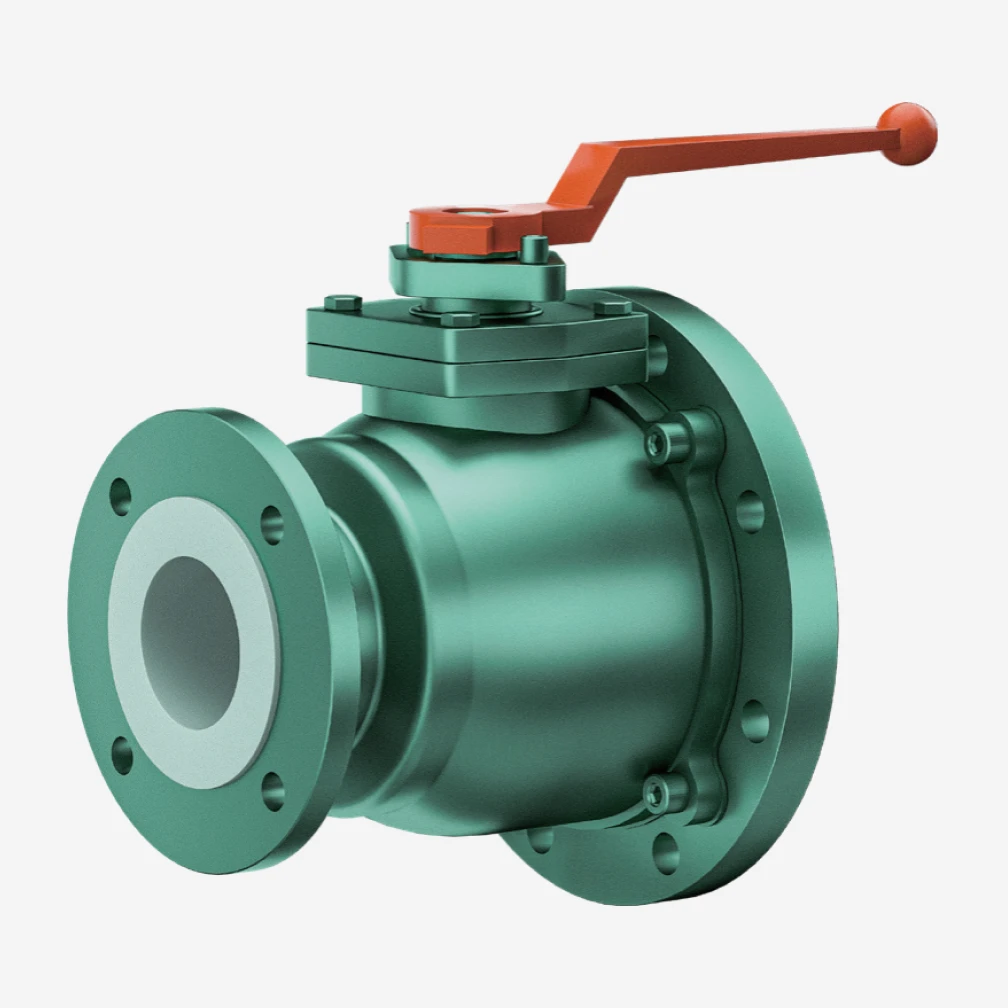
To meet the ultra-low particulate requirements of pharmaceutical and semiconductor clients, elite pump manufacturers are transitioning final assembly and testing procedures into ISO Class 7 or Class 6 cleanroom environments. Additionally, the manufacturing of auxiliary system components, such as PTFE-lined pipes, valves, and fittings, increasingly utilizes isostatic molding techniques. Isostatic pressing ensures uniform polymer density, eradicating microscopic voids and microporosity where trace chemicals or bacteria could otherwise harbor and cross-contaminate process batches.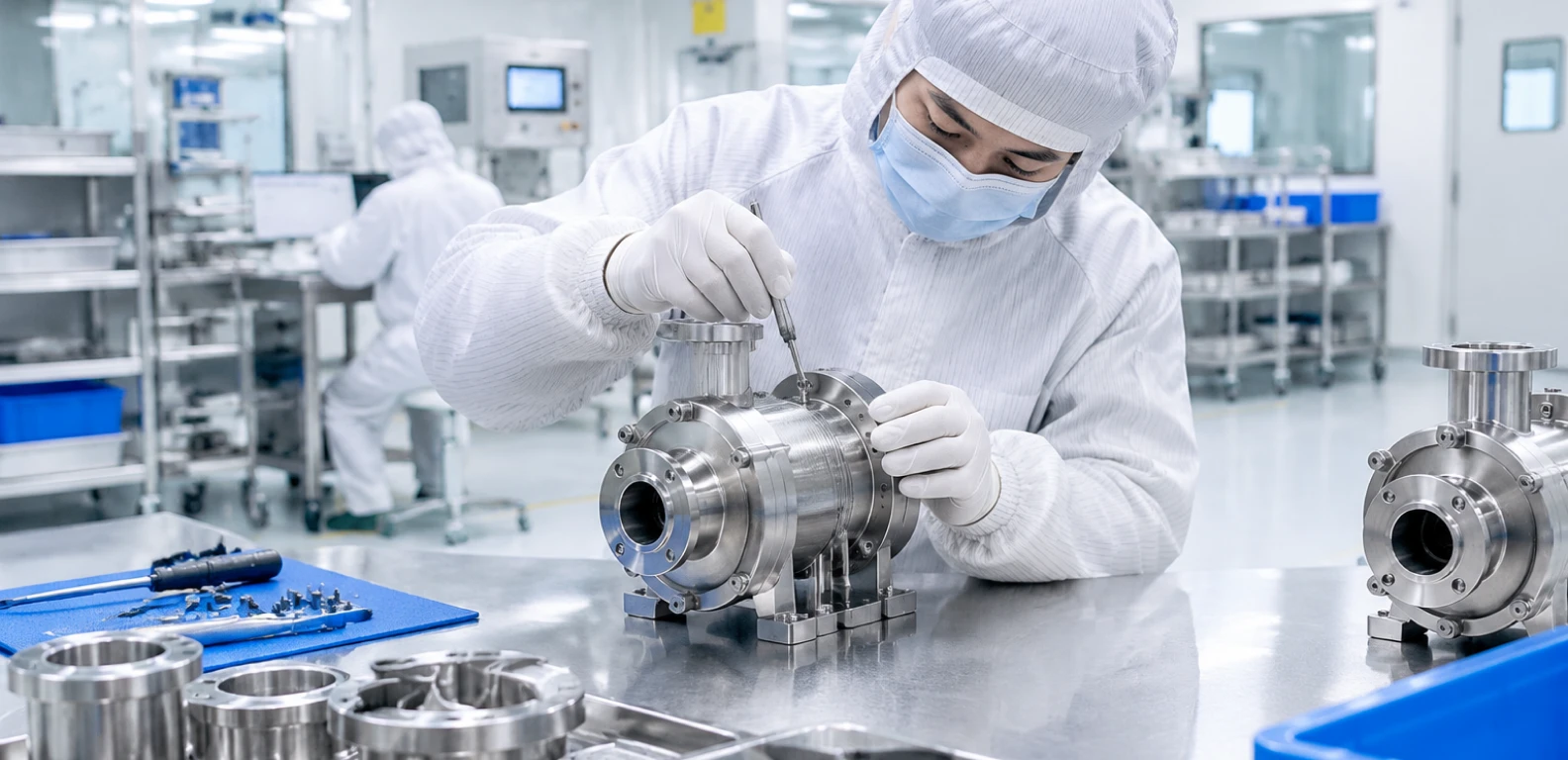
Supply Chain Resilience and EPC Standardization
The sheer scale of concurrent gigafactory and semiconductor fab construction globally has strained the supply chain for engineered rotating equipment. Engineering Procurement Contractors (EPCs) are actively combating lead-time volatility by standardizing their fluid transfer infrastructure.
Minimizing Spare Parts Inventory
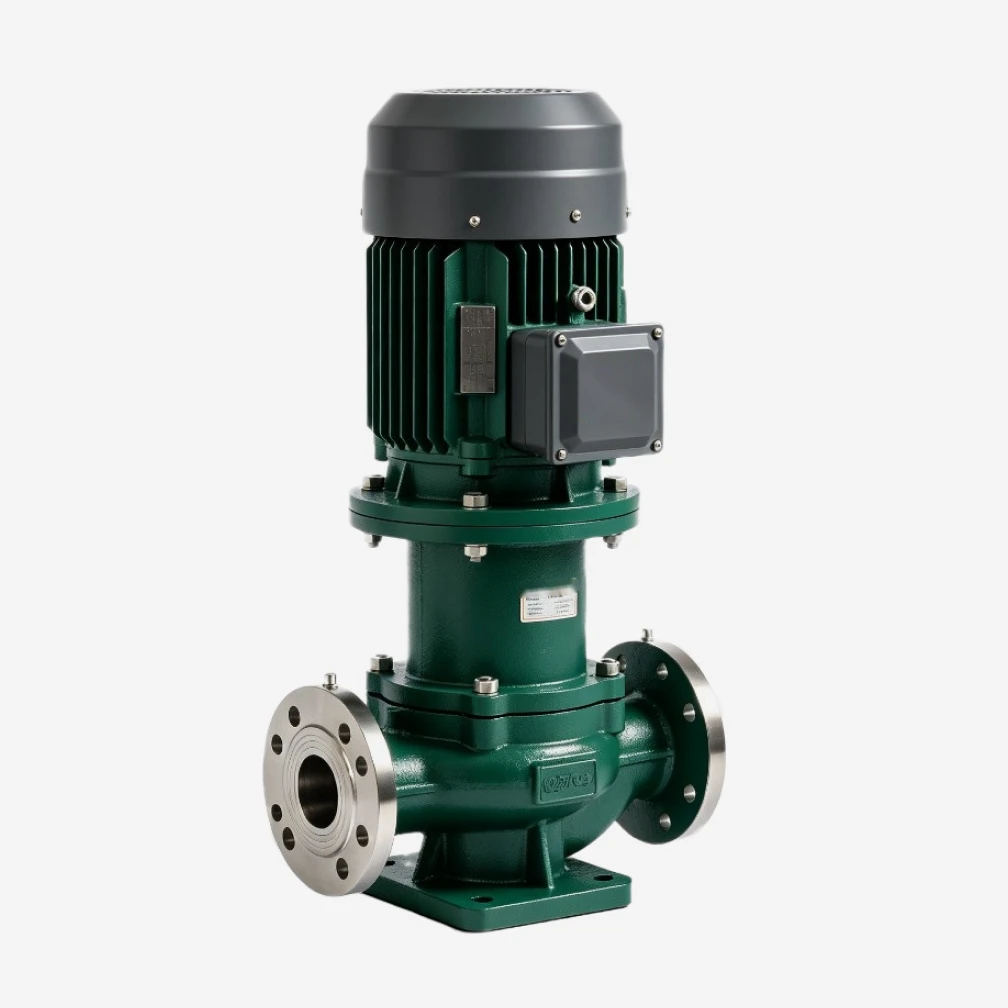
Instead of specifying bespoke pumps for every individual process line, EPCs are standardizing on versatile, multi-purpose platforms. For instance, utilizing the GF-GDF fluoroplastic pipeline pump across various chemical dosing stations allows a facility to minimize its required inventory of spare impellers, isolation sleeves, and bearings. This standardization strategy enhances supply chain resilience, reduces long-term operational expenditure (OPEX), and simplifies maintenance training for plant personnel.
Surface Treatment and PCB Fabrication Linkages
The electronics boom is simultaneously driving expansion in the printed circuit board (PCB) and surface treatment sectors. High-density interconnect (HDI) substrates require precise copper plating and aggressive chemical etching. The fluid dynamics in these applications mirror the challenges of semiconductor fabrication, albeit with slightly higher particulate tolerances. Robust electroplating and pickling pump solutions utilizing heavy-wall FEP and PFA linings are experiencing corresponding spikes in demand, reinforcing the global industrial shift away from vulnerable metallic centrifugal pumps.
Engineering Conclusion
The procurement trends solidified in late October 2026 clearly indicate that high-purity, sealless fluoroplastic fluid transfer is the foundational requirement for modern advanced manufacturing. The semiconductor and energy storage sectors cannot tolerate metal ion leaching, particulate shedding, or moisture ingress. Facilities planning expansions or retrofits must critically evaluate their wetted material specifications and shaft sealing architectures to ensure compatibility with these evolving purity standards. Submit your process fluid data, required purity thresholds, and thermal operating parameters to our technical department. We will architect a verified, zero-leakage pumping solution optimized for your specific cleanroom or gigafactory application.
Frequently Asked Questions (FAQ)
- Why is standard 316L stainless steel unacceptable for semiconductor wet processing?
Even high-grade austenitic stainless steels like 316L will slowly leach microscopic metallic ions (iron, nickel, chromium) when exposed to aggressive cleaning acids like SC-1 or SC-2. In sub-nanometer semiconductor manufacturing, these trace metal ions deposit on silicon wafers, causing severe electrical shorts and unacceptable yield losses. - What is the difference between PFA and PTFE in high-purity chemical pumps?
Both are highly inert fluoropolymers. Polytetrafluoroethylene (PTFE) offers exceptional chemical resistance but is extremely difficult to injection-mold, often requiring isostatic pressing. Perfluoroalkoxy alkane (PFA) shares the same chemical inertness but is a melt-processable thermoplastic. This allows PFA to be injection-molded into complex, highly precise pump impellers and casings with exceptionally smooth surface finishes that resist particulate accumulation. - How does a magnetic drive pump prevent battery electrolyte degradation?
Lithium-ion battery electrolytes, particularly those containing Lithium Hexafluorophosphate (LiPF6), are highly sensitive to moisture. Standard mechanical seals allow trace atmospheric moisture to ingress over time, which reacts with LiPF6 to form destructive hydrofluoric acid. Magnetic drive pumps utilize a hermetically sealed containment shell, physically isolating the fluid from the atmosphere and guaranteeing zero moisture ingress. - Are fluoroplastic-lined pumps suitable for high-temperature solvent recovery?
Fluoroplastics have thermal limits; for instance, PFA is generally limited to continuous operation at 150°C. For solvent recovery processes involving non-corrosive organic solvents like NMP at temperatures up to 180°C, solid stainless steel magnetic drive pumps (such as the CQL series) are the correct engineering specification. - Why is virgin, unfilled fluoroplastic required for microelectronics?
Industrial chemical pumps often use carbon fiber or glass fiber fillers mixed into the fluoroplastic to increase mechanical rigidity and prevent thermal deformation. However, in microelectronics and semiconductor applications, the fluid stream can gradually erode the surface polymer and shed these microscopic carbon or glass particles into the ultra-pure fluid, causing contamination. Virgin, unfilled polymers prevent this particulate shedding. - How does isostatic molding improve PTFE pipe and valve fittings?
Isostatic molding applies uniform, multi-directional hydraulic pressure to PTFE powder during the forming process. This results in a highly dense, uniform polymer structure without the microscopic voids, stress concentrations, or microporosity inherent in standard ram extrusion or compression molding. This density is critical for preventing chemical permeation in ultra-pure applications.
-

YFTEL Pumps
Fluid Engineers & Technical Support, YFTEL Pump
YFTEL is a chemical pump manufacturer based in Hangzhou, China, with a 26,000 m² production base in Hangzhou, China, with a 26,000 m² production base in Anhui. Using the CAS-patented Fluoroplastic Alloy material, we produce 300+ models of corrosion-resistant pumps, valves and piping, exported to 30+ countries.